
The ASICS Gel-Nimbus 28 is the best recovery running shoe for most runners in 2026. Its damped cushioning, broad platform, secure upper, and restrained rebound work together when the correct pace is genuinely easy. Nike Vomero Plus is the better soft-and-bouncy option, while HOKA Bondi 9 feels more structured and rockered.
A recovery shoe does not repair muscle, prevent injury, or make an overly hard training week safe. Its job is narrower: make an easy run comfortable, predictable, and easy to keep easy. I ranked these shoes on slow-pace stability, cushioning consistency, fit after the foot warms, transition when form is tired, and the tradeoffs that appear outside that narrow job.
I am 5 feet 10 inches, 182 pounds, with a mostly neutral gait and mild heel-to-midfoot landing. This ranking draws on more than 1,890 logged miles across the ten current models. My roads around Atlantic City include concrete, asphalt, Boardwalk wood, treadmill running, summer humidity, and windy coastal weather. Your mechanics and surfaces may reorder the list.
Quick Picks: Best Recovery Running Shoes
Start with the failure you need to avoid. Choose Nimbus if a bouncy shoe makes you run too fast, Bondi if soft foam feels unstable, Vomero Plus if muted shoes feel dead, and Glycerin GTS if fatigue makes you move across the platform. Fit can veto every ranking.
| Shoe | Award | Best match |
|---|---|---|
| ASICS Gel-Nimbus 28 | Best overall | true recovery runs when you want a damped ride and broad, predictable platform |
| Nike Vomero Plus | Best soft and bouncy recovery shoe | runners who want deep cushioning without a completely flat or sleepy ride |
| HOKA Bondi 9 | Best stable max-cushion recovery shoe | slow running, run-walk sessions, and runners who value a structured rocker over bounce |
| New Balance Fresh Foam X More v6 | Best for pure slow recovery miles | short-to-moderate recovery runs where maximum Fresh Foam cushioning matters more than versatility |
| Brooks Glycerin 23 | Best traditional plush ride | runners who want a padded upper, steady transition, and familiar neutral-shoe feel |
| Saucony Triumph 24 | Best lightweight recovery shoe | runners who want recovery cushioning without giving up the option to finish steady |
| Brooks Glycerin GTS 23 | Best supportive recovery shoe | runners who want plush cushioning plus GuideRails when fatigue increases side-to-side movement |
| PUMA MagMax NITRO 2 | Best grip in a max-cushion recovery shoe | runners who need dependable road traction and a quicker max-stack transition |
| New Balance 1080v15 | Best lighter cushioned daily-recovery hybrid | runners who want one smooth shoe for recovery days and normal daily mileage |
| Topo Athletic Phantom 4 | Best anatomical toe box | runners who need natural forefoot room with a moderate 5 mm drop |
10 Best Recovery Running Shoes: In-Depth Reviews
1. ASICS Gel-Nimbus 28 – Best overall
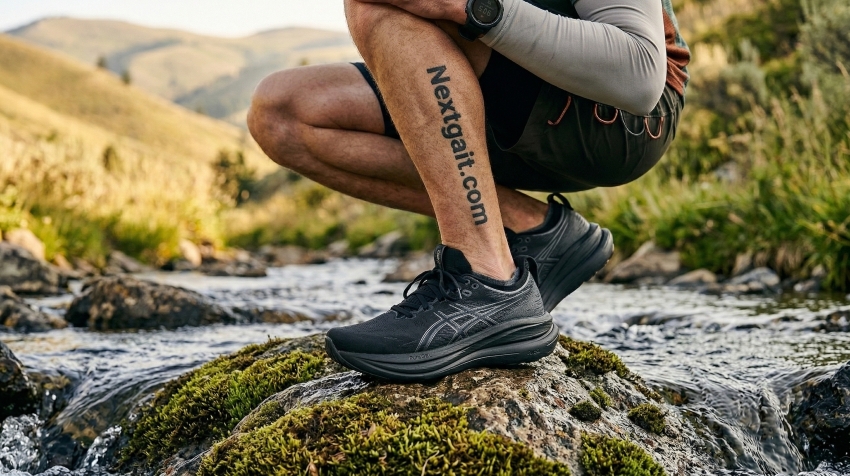
Best for: true recovery runs when you want a damped ride and broad, predictable platform
Listed weight: 9.9 oz / 281 g (men’s reference)
Drop: 8 mm
Ken’s logged mileage: 200+ miles
Fit: True to size for me; secure heel, accommodating front, with wide and extra-wide men’s options.
Recovery decision card: Why it ranks here: The Nimbus 28 is my best recovery running shoe because it stays useful when my legs are not. Its FF BLAST PLUS and PureGEL setup feels damped rather than spring-loaded, and the broad base remains composed when my stride gets lazy late in an easy run. That combination matters more to me than showroom softness. A recovery shoe should reduce the number of decisions I have to make, not invite another workout.
Ken’s ranking rule: Nimbus wins when tomorrow’s workout matters more than making today’s easy run entertaining.
I logged more than 200 miles over 11 weeks on asphalt, concrete, treadmill belt, and Atlantic City Boardwalk planks. Most runs landed around 9:00 to 9:30 per mile, with recovery jogs slower and a longest run of 14 miles. The ride stayed consistent deep into those runs. When I tried 800-meter repeats around 7:00 pace, the same damping that felt protective at easy effort became slow and unresponsive.
ASICS lists an 8 mm drop, neutral support, and a 9.9-ounce men’s reference weight. The engineered knit is plush without allowing my heel to wander. Independent testing also describes a soft heel, wide external platform, and subdued energy return. That is exactly why it ranks first: it absorbs the urge to surge. The caution is that a soft rearfoot can still feel less centered under a runner who loads one edge heavily.
At relaxed pace, the transition is smooth but not forceful. Heel strikers receive the clearest cushioning benefit; midfoot runners will notice the steadier forefoot more than a deep sink. I would choose it after intervals, hills, or a long race-specific session. I would not choose it for strides, progression runs, or runners who need a low, flexible platform.
The fit test is simple: run slowly, make two gentle turns, and notice whether the heel compresses straight down or falls toward one edge. If it stays centered and the knit leaves normal toe clearance, Nimbus is hard to beat. If the rearfoot feels vague, Bondi 9 or Glycerin GTS 23 provides a more structured answer.
Related evidence: my 200-plus-mile Gel-Nimbus 28 review.
What I like
- Damped cushioning is genuinely calm at recovery pace
- Broad base stays predictable when form gets tired
- Upper remains comfortable on longer easy runs
- Wide and extra-wide men’s options improve fit access
What I do not like
- Too muted for speed work
- Soft heel may not suit runners who load one edge
- Premium upper runs warmer than sparse performance mesh
2. Nike Vomero Plus – Best soft and bouncy recovery shoe
Best for: runners who want deep cushioning without a completely flat or sleepy ride
Listed weight: 10.3 oz / 292 g (men’s US 10)
Drop: 10 mm
Ken’s logged mileage: 137 miles
Fit: True to size in my men’s US 10.5; standard-volume forefoot and secure midfoot.
Recovery decision card: Why it ranks here: Vomero Plus is the pick for runners who hear ‘recovery shoe’ and still want some life underfoot. Its full-length ZoomX midsole compresses deeply, then returns more energy than the Nimbus or Bondi. That makes an easy run feel less laborious without adding a plate or aggressive rocker. It also creates the main risk: the shoe is fun enough that I can accidentally run the middle miles harder than the day requires.
Ken’s ranking rule: Vomero Plus ranks behind Nimbus only because its bounce can turn a recovery run into a steady run if I stop watching effort.
My pair has 137 logged miles, including a nine-mile steady loop and several runs beyond ten miles. Cushioning stayed recognizable from the first mile to the last, and the high-abrasion rubber showed little functional wear at that checkpoint. I also tried faster 400-meter repetitions. The shoe could move, but the tall soft platform felt less precise than a workout trainer, which confirmed its proper role.
Nike lists a 10 mm drop and 10.3-ounce men’s US 10 reference weight. The current product page describes a full-length ZoomX midsole, engineered mesh upper, and broad platform. There is no ReactX support layer in this model, a distinction worth making because older summaries sometimes mix Vomero family constructions. The ride is soft, energetic, and more heel-centered than a flexible low-drop trainer.
At very slow pace, the forefoot roll remains easy, but the rebound can feel slightly busy if you prefer a dead-calm shoe. The broad footprint helps, yet the soft foam is not the same thing as formal guidance. I like it after long tempo work when my legs are tired but my stride still feels coordinated. On days when my balance feels poor, I reach for Nimbus, Bondi, or Glycerin GTS instead.
Choose Vomero Plus if recovery runs feel mentally dull in traditional max-cushion shoes. Skip it if softness makes your ankles search for the platform, if a 10 mm offset feels abrupt, or if easy-day pace discipline is already a problem. Its best quality is that it cushions without feeling inert; its biggest weakness is the same liveliness.
Related evidence: the cushioning and stability checks in my concrete-running shoe guide.
What I like
- Full-length ZoomX feels soft without being lifeless
- Works for recovery, easy, and relaxed long runs
- Broad base is steadier than the foam softness suggests
- Rubber coverage was holding well at 137 miles
What I do not like
- Bounce can encourage pace creep
- Tall soft ride is not ideal for abrupt turns
- Standard fit is less accommodating than New Balance width systems
3. HOKA Bondi 9 – Best stable max-cushion recovery shoe
Best for: slow running, run-walk sessions, and runners who value a structured rocker over bounce
Listed weight: 10.5 oz / 297 g (men’s reference)
Drop: 5 mm
Ken’s logged mileage: 160+ miles
Fit: True to size in men’s US 10.5 for my narrow foot; secure heel and tapered rather than truly broad forefoot.
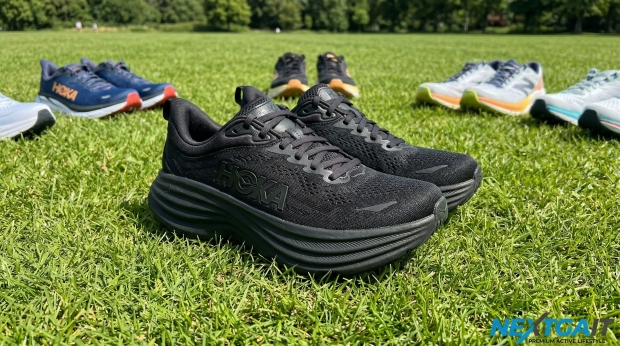
Recovery decision card: Why it ranks here: Bondi 9 is the most controlled recovery cruiser in the neutral group. The supercritical EVA does not sink as far as Vomero Plus, but the broad base, sidewalls, and early rocker keep the foot moving in one predictable direction. That is valuable after a hard workout because tired form usually needs less wobble, not more foam theater.
Ken’s ranking rule: Bondi earns its place when I want the platform to set a quiet rhythm and stay out of the recovery decision.
I retained more than 160 miles of testing in men’s US 10.5, mostly at 9:30 to 10:30 per mile across concrete, asphalt, Boardwalk wood, and treadmill running. Long runs reached 10 to 16 miles. The shoe felt firm and restrictive during the first few outings, then settled around 15 to 20 miles. Persistent pressure is not a break-in requirement, but the ride did become smoother as the whole system relaxed.
The 5 mm drop is lower than Nimbus and Vomero Plus, yet the rocker reduces how much the forefoot must bend. That geometry works well for easy heel-to-midfoot transitions and walking. It does not guarantee less calf or Achilles load; runners moving down from 10 or 12 mm should still introduce it gradually. The high, broad rear platform felt centered for me on straight roads and gentle turns. For how rearfoot, midfoot, and forefoot landings redistribute load, read my heel, midfoot, and forefoot strike comparison.
Bondi becomes cumbersome when pace rises. Short portions around 8:00 to 8:30 per mile exposed the mass and made toe-off feel delayed. That is not a disqualifying flaw in this category. It is evidence that HOKA kept the job narrow. The front also tapers more than the silhouette suggests, so broad-foot runners should try the wide version rather than buying extra length.
I recommend Bondi 9 for the day after a long run, slow marathon-volume weeks, run-walk programs, and runners who also need a comfortable walking shoe. I skip it for progression runs or anyone who wants ground feel. Between Bondi and Nimbus, choose Bondi for firmer structure and rocker control; choose Nimbus for a softer, more natural forefoot transition.
Related evidence: my retained 160-plus-mile Bondi 9 test log.
What I like
- Broad, structured platform is calm at slow pace
- Rocker makes run-walk transitions easy
- Ride stayed consistent through 10-16 mile easy runs
- Works well as a running and walking crossover
What I do not like
- Heavy and reluctant when pace rises
- Forefoot tapers more than the broad sole suggests
- Lower drop still deserves adaptation from high-drop shoes
4. New Balance Fresh Foam X More v6 – Best for pure slow recovery miles
Best for: short-to-moderate recovery runs where maximum Fresh Foam cushioning matters more than versatility
Listed weight: 10.8 oz / 306 g (men’s reference)
Drop: 4 mm
Ken’s logged mileage: 117 miles
Fit: True to size for me; offered in D, 2E, and 4E, though width does not guarantee sidewall compatibility.
Recovery decision card: Why it ranks here: Fresh Foam X More v6 is the specialist of this list. New Balance gives it the brand’s deepest Fresh Foam experience, a wide base, and a 4 mm offset. At easy pace it feels soft, low-pressure, and unhurried. It is not the shoe I would buy to cover every workout, but that narrow purpose is exactly why it works as a dedicated recovery option.
Ken’s ranking rule: More v6 ranks high only for runners whose recovery pace feels better with a low-drop, deeply cushioned base.
I logged 117 miles and used it for a 14-mile steady outing as well as shorter easy runs. Cushioning stayed consistent through that long session, but a separate 12-mile run produced a right-pinky-toe hot spot late. That conflict is useful: the midsole could handle the distance, while the upper-foot interaction set the limit. Recovery comfort is always the whole shoe, not the foam alone.
New Balance lists a 4 mm approximate drop, 10.8-ounce men’s reference weight, Fresh Foam X midsole, gusseted tongue, and D, 2E, and 4E widths. The low offset can increase lower-leg demand for runners coming from high-drop shoes even when the platform feels soft. I would not combine a new 4 mm shoe with a sudden mileage increase or a hard hill block.
The ride is most convincing at a shuffle to normal easy pace. When I increase cadence, the platform feels broad and a little late. It also lacks the firmer guidance of Glycerin GTS. One test run produced arch discomfort when I was returning from a layoff, so I do not prescribe it for injury comeback. A shoe cannot identify why an arch, knee, or lower leg hurts.
Choose More v6 if your easy days are truly easy and width availability is a priority. Skip it if you want one shoe for tempo and recovery, if low drops routinely bother your calves, or if soft platforms make your foot search medially. A short treadmill run at recovery pace will tell you more than standing on the foam in a store.
Related evidence: my guide to keeping low-intensity running continuous.
What I like
- Deep cushioning feels natural at very easy pace
- D, 2E, and 4E options cover more foot shapes
- Broad platform reduces the loose feeling common in soft shoes
- Gusseted tongue improves midfoot hold
What I do not like
- 4 mm drop is a meaningful transition for some runners
- Too specialized for fast training
- My fit developed a late-run pinky-toe hot spot
5. Brooks Glycerin 23 – Best traditional plush ride
Best for: runners who want a padded upper, steady transition, and familiar neutral-shoe feel
Listed weight: 10.6 oz / 300.5 g (men’s reference)
Drop: 8 mm
Ken’s logged mileage: 211 miles
Fit: True to size in my men’s US 10.5; accommodating standard fit with a plush heel and tongue.
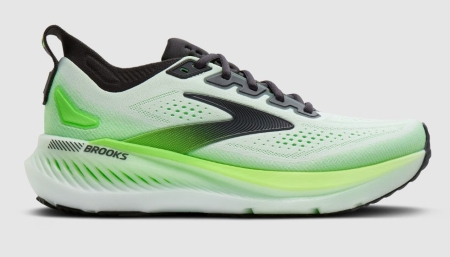
Recovery decision card: Why it ranks here: Glycerin 23 is the most conventional-feeling shoe in the top half, and I mean that as praise. Its DNA TUNED midsole uses a broad platform and tuned heel-to-forefoot behavior to create a smooth, steady transition. There is no dramatic sink, plate, or aggressive rocker. On tired legs, familiar can be easier to trust than spectacular.
Ken’s ranking rule: Glycerin is my recovery choice for runners who want comfort to feel familiar, not futuristic.
My pair has 211 logged miles. Easy and long running were its best work, including a cold eight-mile loop where the cushioning remained even from start to finish. When I tried to push below roughly 8:15 per mile, the thick midsole felt less connected and the upper felt like more shoe than I wanted. Recovery and ordinary mileage are the natural assignments.
Brooks currently lists an 8 mm drop and 10.6-ounce men’s reference weight. The wide platform and engineered knit produce what Brooks calls balanced support, but Glycerin 23 remains the neutral version. Runners who want structured GuideRails should choose the GTS model below rather than treating a broad neutral base as identical support.
The forefoot has more substance than the previous version, which helps it roll rather than collapse at toe-off. I still would not call it lively like Vomero Plus or Triumph 24. Its advantage is consistency: the shoe does not change character when pace slows, and the padded rearfoot keeps the heel quiet. In hot weather, that plushness can feel warm.
Choose Glycerin 23 if you dislike low drops, extreme rockers, or very soft foam. It suits heel and midfoot strikers who want one premium easy-day shoe that can also cover long mileage. Skip it if low weight, ventilation, or fast turnover leads the purchase. The GTS version is the smarter comparison if fatigue makes you drift across a neutral platform.
Related evidence: my daily-trainer guide for runners who need more pace range.
What I like
- Smooth, familiar transition at slow and normal easy pace
- Plush upper secures the heel without harsh pressure
- Broad base feels stable for a neutral shoe
- DNA TUNED remained consistent in my test
What I do not like
- Feels bulky when pace increases
- Less lively than Vomero Plus or Triumph 24
- Padded upper can run warm
6. Saucony Triumph 24 – Best lightweight recovery shoe
Best for: runners who want recovery cushioning without giving up the option to finish steady
Listed weight: 8.8 oz / 250 g (men’s reference)
Drop: 10 mm
Ken’s logged mileage: 200+ miles
Fit: True to size for me, secure at the heel with useful forefoot room; wide option available.
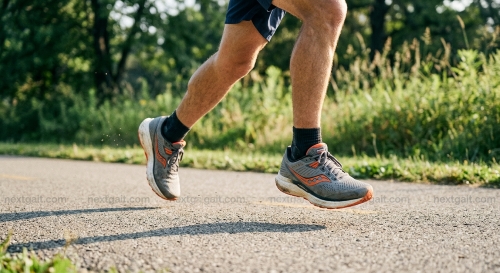
Recovery decision card: Why it ranks here: Triumph 24 is the lightest shoe here by a clear margin, and it feels different from the traditional heavy recovery cruiser. The incrediLUX ATPU midsole has enough compression for easy days but returns more energy at toe-off than Nimbus, Bondi, or Glycerin. That makes it the best option for runners who sometimes turn an easy run into a controlled progression on purpose.
Ken’s ranking rule: Triumph ranks sixth because its versatility is excellent, but pure recovery runners may prefer a calmer platform.
I have more than 200 logged miles in the shoe, including a 13-mile run that finished with two quicker miles. The transition from easy to steady effort felt natural rather than abrupt. On a wet Boardwalk outing, however, I lost confidence on slick planks. That specific surface is unusually unforgiving, but it keeps Triumph below shoes I trust more when traction and fatigue overlap.
Saucony lists a 10 mm drop, 43/33 mm stack, 8.8-ounce men’s weight, and incrediLUX midsole. That weight-to-cushion ratio is the headline. The tall stack does not disappear, but the shoe turns over more easily than most max-cushion trainers. Neutral runners get the cleanest experience; there is no formal stability frame or medial post. For how absolute sole height differs from heel-to-toe drop, read my running shoe stack-height guide.
At recovery pace, the shoe feels slightly more eager than Nimbus. I can keep it slow, but the bounce is noticeable. At normal easy pace, it is excellent. At tempo effort, it remains capable without becoming a true speed shoe. This broader range makes it practical for travel or a small rotation, though a dedicated recovery specialist may not need that versatility.
Choose Triumph 24 when low mass matters, you tolerate a 10 mm drop, and your easy route is mostly dry road. Skip it if you need strong guidance, routinely run on slick wood, or want an entirely muted ride. Its advantage is not that it recovers the body; it makes a tired stride feel less cumbersome.
Related evidence: my 200-plus-mile Triumph 24 review.
What I like
- Exceptional weight for the cushioning depth
- Can move from recovery to steady pace
- Secure heel and useful toe room
- Midsole remained lively past 200 miles in my pair
What I do not like
- Wet-boardwalk traction reduced my confidence
- Bounce can be more than a pure recovery runner wants
- No formal support system
7. Brooks Glycerin GTS 23 – Best supportive recovery shoe
Best for: runners who want plush cushioning plus GuideRails when fatigue increases side-to-side movement
Listed weight: 11.0 oz / 311.8 g (men’s reference)
Drop: 8 mm
Ken’s logged mileage: 150+ miles
Fit: True to size for me with a roomy front, secure heel, and wide and extra-wide men’s options.
Recovery decision card: Why it ranks here: Glycerin GTS 23 adds Brooks GuideRails to the plush Glycerin platform. I rank it for runners whose neutral shoes feel fine when fresh but less controlled after a hard week. The rails sit around the foot rather than using a hard medial post, so the guidance felt gradual in my stride. That does not make it universally corrective or medically necessary.
Ken’s ranking rule: GTS wins the support category only when its rails feel quiet; noticeable arch or knee pressure is a rejection signal.
My latest retained review covers more than 150 miles across Boardwalk planks, asphalt, and concrete. Easy mileage was its clear strength. The first 10 to 15 miles felt firmer than expected, then the ride settled. At faster pace, the 11-ounce platform felt slow and overbuilt. I prefer it as one half of a rotation with a lighter workout shoe.
Brooks lists an 8 mm drop, 11.0-ounce men’s weight, DNA TUNED cushioning, and GuideRails structured support. It is available in multiple widths, which matters because support geometry only works when the foot sits in the intended place. A wide shoe that lets the heel move is not more stable; it is simply loose.
At slow pace, the platform remains centered and the upper prevents the rearfoot from wandering. Runners sensitive to sidewalls should test carefully. If a rail feels like a persistent ridge under the arch or creates lateral pressure, the shoe is not teaching better mechanics. It is a mismatch. Try the neutral Glycerin 23 or another support geometry.
Choose Glycerin GTS 23 for relaxed road mileage, heavier fatigue weeks, or runners already comfortable in GuideRails. Skip it if you want a lightweight recovery shoe, strong ground feel, or minimal upper. It is the most secure choice here, but only when its guidance disappears under your natural stride.
Related evidence: my 150-plus-mile Glycerin GTS 23 review.
What I like
- GuideRails add structure without a traditional post
- Plush upper and broad platform feel secure
- Multiple width options help position the foot correctly
- Ride remained consistent through my retained test window
What I do not like
- Heaviest shoe in this top 10
- Too slow for purposeful faster running
- Support rails can be noticeable for incompatible feet
8. PUMA MagMax NITRO 2 – Best grip in a max-cushion recovery shoe
Best for: runners who need dependable road traction and a quicker max-stack transition
Listed weight: about 9.7 oz / 275 g (men’s reference)
Drop: 8 mm
Ken’s logged mileage: 258 miles
Fit: True to size in my men’s US 10.5; slightly long-feeling for runners between sizes, with a secure standard-width hold.
Recovery decision card: Why it ranks here: MagMax NITRO 2 solves a weakness many plush shoes ignore: outsole confidence. PUMAGRIP gives the tall platform dependable contact on ordinary wet road, and the NITRO-based midsole feels more responsive than the More v6 or Bondi. The result is a recovery shoe that does not feel fragile or hesitant when the weather turns.
Ken’s ranking rule: MagMax enters the list because grip is part of recovery control, but I cap its long-run recommendation for runners who compress foam heavily.
I logged 258 miles. One easy run became a controlled steady finish because the shoe transitioned smoothly as cadence rose. On a separate 12-mile outing, I noticed the midsole feeling flatter after roughly mile 10 under my 182-pound frame. Lighter runners may not share that threshold, but it prevents me from calling MagMax the best recovery shoe for every long run.
PUMA publishes an 8 mm drop, and current independent testing places the stack in the max category while showing a substantial weight reduction from the first version. Manufacturer weights can use different sample sizes, so I treat the listed number as orientation. On foot, it feels lighter than Bondi and Glycerin GTS but still unmistakably tall.
The ride has a stable-enough center for straight roads, and the outsole reduces the cautious braking I sometimes feel in wet conditions. That matters because a recovery day should not become a balance drill. The upper runs slightly long for some feet. If you sit between sizes, compare both rather than relying on the same choice you make in another brand.
Choose MagMax NITRO 2 for wet-road reliability, heavier runners who want resilient rebound, or anyone who finds classic recovery shoes dull. Skip it if you want a deeply muted ride, a very broad toe box, or consistent softness beyond ten miles under high load. It is a strong recovery trainer with a clearer distance limit in my test than the top three.
Related evidence: my rain-running guide for surface and visibility decisions.
What I like
- PUMAGRIP gives excellent ordinary road traction
- Responsive enough for steady running
- Lighter on foot than many max-stack shoes
- Secure hold keeps the tall platform organized
What I do not like
- Midsole felt flatter late in my 12-mile test
- Fit can feel long for runners between sizes
- Not as calm or damped as Nimbus
9. New Balance 1080v15 – Best lighter cushioned daily-recovery hybrid
Best for: runners who want one smooth shoe for recovery days and normal daily mileage
Listed weight: 9.2 oz / 261 g (men’s reference)
Drop: 6 mm
Ken’s logged mileage: 309 miles
Fit: True to size for me; broad sizing system and a less padded, more adaptable upper than the heaviest cruisers.
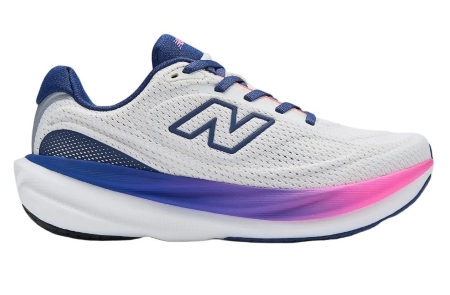
Recovery decision card: Why it ranks here: The 1080v15 is the best choice here for runners who do not want a dedicated recovery-only shoe. Its Infinion cushioning is lighter and livelier than the old 1080 formula, while the 6 mm drop and smooth geometry remain easy to settle into. It can handle a tired Monday without feeling misplaced on an ordinary Wednesday.
Ken’s ranking rule: 1080v15 makes the list for rotation efficiency, not because it beats a specialist on the sorest day of the week.
My pair reached 309 logged miles. The best evidence of its range came from an easy run that naturally progressed for the final five miles. The shoe changed pace without fighting me. Wet wooden Boardwalk planks were the low point; traction felt poor enough that I moved to the concrete sidewalk. Surface-specific confidence matters more than an outsole’s dry appearance.
New Balance lists a 6 mm approximate drop and 9.2-ounce men’s reference weight. The current model uses the brand’s updated cushioning platform and is sold through an extensive width system. A width label is only the start: check toe shape, midfoot volume, and heel hold after the foot warms. My standard pair left useful room without losing the rearfoot.
At true recovery pace, 1080v15 is comfortable but less protective-feeling than Nimbus, More v6, or Bondi. At normal easy pace it becomes smoother and more natural. That is why it ranks ninth rather than higher. It is the better one-shoe solution, but not my first choice when the sole purpose is making battered legs jog quietly.
Choose it for mixed easy mileage, travel, wide-size access, and runners who dislike heavy shoes. Skip it for slick wood, runners who want a firm guidance system, or anyone who equates recovery with maximum underfoot depth. It is a daily trainer with a strong recovery setting, not a pure recovery appliance.
Related evidence: my Zone 2 training guide.
What I like
- Lighter and more versatile than classic recovery shoes
- Smooth transition from recovery to ordinary easy pace
- Extensive width availability
- My pair remained usable past 300 miles
What I do not like
- Less deeply protective than the category specialists
- Wet-boardwalk grip was poor in my test
- Does not provide formal guidance
10. Topo Athletic Phantom 4 – Best anatomical toe box
Best for: runners who need natural forefoot room with a moderate 5 mm drop
Listed weight: 9.3 oz / 264 g (men’s US 9)
Drop: 5 mm
Ken’s logged mileage: 154.2 miles
Fit: True to size in men’s US 9 for my test; broad rounded forefoot with a secure midfoot and heel.
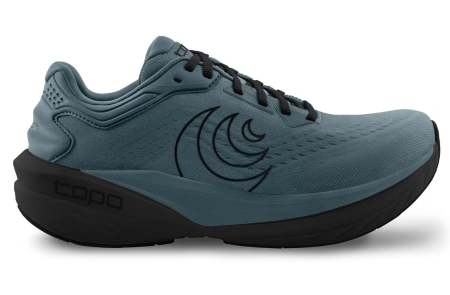
Recovery decision card: Why it ranks here: Phantom 4 is the fit specialist. Its anatomical front gives the toes more room to spread while the midfoot and heel remain conventionally secure. The 35/30 mm platform and 5 mm drop add meaningful cushioning without making the shoe feel like an unstable tower. For runners whose feet swell on easy mileage, that shape can matter more than another few millimeters of foam.
Ken’s ranking rule: Phantom wins on fit only when the medial sidewall disappears; toe freedom cannot compensate for arch pressure.
My current review documents 154.2 miles over seven weeks, about 60 percent concrete, 30 percent asphalt, and 10 percent treadmill. Recovery pace was roughly 11:30 per mile; normal easy pace was about 10:15. The core ride remained recognizable throughout the test. ZipFoam settled slightly and the rubber smoothed, but there was no dramatic collapse.
Topo publishes a 35/30 mm stack, 5 mm drop, 9.3-ounce men’s US 9 weight, engineered mesh upper, and removable Ortholite insole. The foam is balanced rather than super-soft. That makes the platform easier to control at slow cadence, though runners seeking the deep sink of Vomero Plus or More v6 will find it restrained.
The important warning is the medial sidewall. It felt noticeable but not painful to me, while independent testers have reported different reactions. A pressure point that grows sharper is a fit failure, not beneficial guidance. The broad toe shape also does not mean unlimited midfoot volume, and some runners will still need the wide version.
Choose Phantom 4 when toe shape is the first filter, you want a moderate-low drop, and recovery runs stay under the distance where you personally need deeper foam. Skip it if you want maximum softness, strong formal stability, or a hot-weather racing upper. It finishes tenth because it serves a narrower foot-shape problem exceptionally well.
Related evidence: my complete 154.2-mile Phantom 4 review.
What I like
- Anatomical toe box without a zero-drop commitment
- Stable-neutral behavior at slow cadence
- Ride remained consistent through 154.2 miles
- Works for running, walking, and standing
What I do not like
- Not soft enough for runners seeking maximum sink
- Medial sidewall can be fit-dependent
- Forefoot shape does not guarantee high midfoot volume
Recovery Running Shoe Comparison
| Shoe | Listed weight | Drop | Ride | Slow-pace stability | Support | Ken miles |
|---|---|---|---|---|---|---|
| ASICS Gel-Nimbus 28 | 9.9 oz / 281 g (men’s reference) | 8 mm | Damped | Medium-high | Neutral | 200+ |
| Nike Vomero Plus | 10.3 oz / 292 g (men’s US 10) | 10 mm | Soft and bouncy | Medium | Neutral | 137 |
| HOKA Bondi 9 | 10.5 oz / 297 g (men’s reference) | 5 mm | Structured rocker | High for neutral | Neutral | 160+ |
| New Balance Fresh Foam X More v6 | 10.8 oz / 306 g (men’s reference) | 4 mm | Deep and slow | Medium | Neutral | 117 |
| Brooks Glycerin 23 | 10.6 oz / 300.5 g (men’s reference) | 8 mm | Plush and steady | Medium-high | Neutral | 211 |
| Saucony Triumph 24 | 8.8 oz / 250 g (men’s reference) | 10 mm | Light and lively | Medium | Neutral | 200+ |
| Brooks Glycerin GTS 23 | 11.0 oz / 311.8 g (men’s reference) | 8 mm | Plush and guided | High | GuideRails | 150+ |
| PUMA MagMax NITRO 2 | about 9.7 oz / 275 g (men’s reference) | 8 mm | Responsive max cushion | Medium | Neutral | 258 |
| New Balance 1080v15 | 9.2 oz / 261 g (men’s reference) | 6 mm | Smooth daily hybrid | Medium | Neutral | 309 |
| Topo Athletic Phantom 4 | 9.3 oz / 264 g (men’s US 9) | 5 mm | Balanced and flexible | Medium-high | Neutral | 154.2 |
Read this table across, not down. The lightest shoe is not automatically easiest on tired legs, and the deepest shoe is not automatically most protective. Platform control, drop familiarity, fit, and your real recovery pace determine whether the cushioning helps or creates more work.
What a Recovery Running Shoe Actually Does
A recovery running shoe is a training assignment, not a regulated product category. Brands often place the same model under daily, cushioned, long-run, and recovery labels. I use the term only when a shoe remains comfortable and predictable during a short easy run after a harder effort.
That distinguishes this page from my broader best cushioned running shoes guide. A cushioned shoe can be lively enough for long progression runs or unstable at a shuffle. Recovery ranking gives more weight to pace control, broad contact, quiet transitions, and how little attention the shoe demands.
It also differs from a recovery run prescription. The run has to be easy relative to the runner. A shoe cannot turn moderate effort into recovery, and a short jog is not mandatory when fatigue, pain, poor sleep, or rising training load points toward rest.
For the wider recovery system, use sleep, nutrition, load, soreness, and readiness together. My runner recovery and rest-day guide covers those decisions. Footwear is one small lever inside that system.
How to Choose the Right Recovery Shoe
Choose the shoe that stays centered at your slowest normal running pace. A model can feel stable at steady pace because momentum carries you through the platform, then become vague when cadence drops. Test at the pace you actually plan to use, not at the store clerk’s pace or your fresh-leg pace.
If you are a heavier runner, focus on compression under your load and whether the ride changes late in the run. My shoe guide for heavier runners separates load handling from the assumption that every heavier runner needs formal stability.
For broad feet, use width to preserve flex-point alignment and rearfoot control. The wide-foot running-shoe guide explains why sizing up for width can create heel slip and move the rocker or bend away from the correct place.
If you prefer guidance, compare Glycerin GTS with the wider field in my best stability running shoes guide. Support is useful only when its rails, sidewalls, or geometry feel natural rather than intrusive.
Softness Versus Stability on Tired Legs
Softness is a sensation. Stability is behavior. A soft heel can feel luxurious standing still, then tilt when one edge receives more load. A firmer broad shoe can feel less plush but require fewer corrections. My rule is to choose the softest shoe that remains boringly centered during slow running and gentle turns.
This is also why a dedicated recovery shoe can differ from the best long-distance running shoe. Long-run shoes may need energy return and pace range. A true recovery shoe can prioritize damping and control because the pace goal is intentionally narrow.
Runners with flat feet should not assume they need the softest or most supportive option. Foot shape, symptoms, and movement vary. Use the fit screens in my flat-feet running-shoe guide, and reject any medial pressure that grows during the run.
Heel Drop, Rocker, and Lower-Leg Load
Drop changes one part of the shoe-foot system. More v6 sits at 4 mm, Bondi and Phantom at 5 mm, 1080 at 6 mm, Nimbus and both Glycerins at 8 mm, and Vomero Plus and Triumph at 10 mm. Rocker, foam compression, stack, pace, and your strike pattern can make equal drops feel different.
My heel-drop guide explains the practical tradeoff: lower offsets may shift demand toward the ankle and calf, while higher offsets can change knee and rearfoot mechanics. No number is universally safer. Avoid changing drop, training volume, and workout intensity in the same week.
Cadence can also change how a tall shoe feels. Do not force a fashionable number, but notice whether fatigue creates a long reaching step and heavy braking. The running cadence guide gives a better framework than treating turnover as a universal target.
Likewise, no shoe fixes overstriding or posture by itself. Use my running-form guide to separate useful cues from rigid form rules. Recovery runs should feel quiet enough that you can observe movement without manufacturing it.
The Three-Run Recovery Shoe Fit Test
Run one should be 20 to 30 easy minutes on a familiar flat route. Check heel hold, toe clearance, arch pressure, and whether the platform tips when you turn. Stop for numbness, sharp pressure, or increasing pain. Those are not normal break-in signals.
Run two should follow a moderate workout, not your hardest session. Use your normal recovery pace and notice whether the shoe still transitions when cadence is lower. A model that only feels smooth on fresh legs is a daily trainer, not your best recovery match.
Run three should reach the longest duration you expect from the shoe. Check swelling room, forefoot pressure, late-run stability, and grip on your normal surface. My blister-prevention guide covers socks, moisture, and fit when friction rather than foam becomes the limit.
New runners should keep this test modest and change one variable at a time. The beginner running-shoe guide starts with comfort and intended use rather than prescribing maximum cushioning to every new runner.
Rotation, Surfaces, and Replacement
A two-shoe rotation is enough for most runners: one comfortable daily or recovery shoe and one lighter shoe for workouts. The same shoe can do both easy jobs if it stays controlled at slow pace. My marathon shoe guide covers race-specific choices that should not dominate recovery-day decisions.
Treadmill belts reduce weather and cornering variables but can expose upper heat and rocker awkwardness. See the treadmill running-shoe guide if most recovery mileage is indoors.
Concrete emphasizes repetitive surface harshness, while wet wood tests outsole confidence. Route choice still matters more than marketing. My running gear guide and rain guide linked above cover visibility, weather, and practical route decisions beyond the shoe.
Replace or reassign a recovery shoe when it stops doing its assigned job. Compare left and right compression, heel centering, forefoot flexibility, grip, and how the ride feels beside a fresher baseline. The running-shoe replacement guide explains why a fixed mileage number is less useful than functional change.
An insole can change volume, arch contact, and heel position, sometimes for the worse. Start with the stock liner. If a removable insert is part of your established setup, compare the choices in my running insole guide rather than stacking cushioning blindly.
What the Research Shows and Does Not Show
Research does not support the simple claim that more foam automatically means less impact or fewer injuries. A 2026 systematic review of sole thickness found mixed biomechanical effects and low-to-very-low certainty across many outcomes. Thicker soles were often linked with longer stance times and lower loading rates, but joint and stiffness findings were inconsistent.
A randomized trial of more than 800 runners found different injury risk between softer and harder versions of the same prototype, yet the expected loading-rate explanation did not account for the result. The trial authors cautioned against reducing cushioning effects to one force metric.
Other studies complicate the picture further. One controlled study found higher impact loading in a maximalist shoe, while another found a highly cushioned shoe lowered oxygen cost both before and after an experimental muscle-damage protocol. Read the maximalist biomechanics study beside the muscle-damage running study, not as universal verdicts on every retail model.
The honest conclusion is individual and narrow: cushioning changes mechanics and perception, and comfort matters, but no top-10 list proves recovery or injury prevention. A recent randomized comfort trial also showed that shoe descriptions can influence perception even when measured running variables do not change. Test the actual shoe without letting the category name make the decision for you.
How I Tested and Ranked These Shoes
I scored six recovery-specific questions: Does the shoe stay centered at slow cadence? Does cushioning remain consistent through the assigned duration? Does the transition work when form is tired? Is the upper secure without pressure? Does the outsole inspire confidence on the intended surface? Does the shoe help me keep the effort easy rather than chase pace?
Mileage comes from my retained shoe logs and current published NextGait reviews. Manufacturer pages supply category, weight, drop, foam, width, and support details. Independent laboratory or research sources are labeled as such. I do not present third-party measurements as tests I performed, and I do not transfer a verdict from one shoe version to its replacement.
My ranking is not ordered by price, stack height, popularity, or affiliate availability. It is a use-case ranking for US road runners. I excluded HOKA Skyward X 2 because my mature log is for the first Skyward X, and I will not pretend the second version inherits that experience. I excluded Vomero Premium because its extreme height and less stable feel make it a specialist, not the best answer for most recovery runners.
Frequently Asked Questions
What are the best recovery running shoes overall?
ASICS Gel-Nimbus 28 is Ken’s best overall recovery running shoe for 2026 because its damped cushioning, broad platform, secure upper, and subdued rebound work together at genuinely easy pace. Nike Vomero Plus is better for runners who want more bounce, while HOKA Bondi 9 feels more structured.
What is a recovery running shoe?
A recovery running shoe is a comfortable trainer assigned to short, easy running after a harder session or during a high-fatigue week. It usually combines generous cushioning, predictable slow-pace transitions, secure fit, and enough stability for tired form. It does not physiologically recover muscles by itself.
Do recovery running shoes speed up recovery?
No shoe is proven to replace sleep, nutrition, appropriate training load, or rest. Highly cushioned shoes may change comfort, oxygen cost, and biomechanics in specific studies, but that does not prove a retail model accelerates tissue repair or prevents injury.
Should recovery shoes be soft or firm?
They should feel comfortable and controlled at your easy pace. A softer shoe can reduce perceived harshness but may feel unstable; a firmer shoe can keep the platform organized but may feel less forgiving. Choose the softest ride that remains centered under your foot.
Are max-cushion shoes always best for recovery runs?
No. Max cushioning can feel protective, but more stack can also change leverage, stability, and lower-leg mechanics. Some runners recover more comfortably in a moderate, flexible daily trainer. Test the shoe at slow cadence, on turns, and late in a run.
Can I use recovery shoes for long runs?
Yes, if fit and cushioning remain consistent at your long-run duration. Nimbus 28, Bondi 9, Vomero Plus, and Glycerin 23 can cover relaxed long runs. A progression or race-pace long run may work better in a lighter, more responsive shoe.
Can recovery shoes be used for walking?
Yes. Bondi 9, More v6, Glycerin 23, and Phantom 4 are comfortable walking crossovers when their rocker, drop, and sidewalls match the foot. Walking comfort does not guarantee running fit because forces, swelling, and transitions differ.
What is the best recovery shoe for heavier runners?
Start with Nimbus 28, Bondi 9, Glycerin 23, or MagMax NITRO 2. The choice depends on how the foam compresses under your load, not body weight alone. Reject any shoe that bottoms out, tilts to one edge, or changes character before your normal run ends.
What is the best recovery running shoe for wide feet?
New Balance More v6 and 1080v15 have broad width systems, while Nimbus 28 offers wide and extra-wide men’s sizing. Topo Phantom 4 provides the most anatomical toe shape. Width labels do not replace checking heel hold, midfoot volume, and flex-point alignment.
What is the best stability shoe for recovery runs?
Brooks Glycerin GTS 23 is the supportive pick in this ranking. Its GuideRails and broad cushioned platform work well when the rails feel quiet underfoot. ASICS Gel-Kayano 32 is another structured option for runners who prefer ASICS guidance geometry.
What heel drop is best for recovery running?
There is no universal best drop. Higher drops can feel familiar to heel strikers and some runners with sensitive calves, while lower drops may feel smoother in rockered shoes. Choose a drop your lower legs already tolerate and avoid changing drop, mileage, and intensity at the same time.
Should I size up in recovery running shoes?
Not automatically. Leave a thumb-width style clearance in front of the longest toe and enough width for warm-foot swelling, while keeping the heel and midfoot secure. If the standard shoe pinches, try the correct wide version before adding unnecessary length.
How many miles should a recovery run be?
The purpose matters more than a universal distance. Many runners keep recovery runs roughly 20 to 45 minutes at conversational effort, but training history and total load change the right amount. If the run adds fatigue, rest or low-impact movement may be the better recovery choice.
How often should I replace recovery running shoes?
There is no fixed mileage for every runner. Replace or reassign the shoe when cushioning changes noticeably, the platform compresses unevenly, traction becomes unreliable, or the upper no longer holds the foot. Compare it with a fresher baseline rather than trusting appearance alone.
Can recovery shoes prevent knee pain, plantar fasciitis, or shin splints?
No running shoe can promise to prevent or treat those conditions. A comfortable, stable shoe may reduce a specific irritation for one runner and aggravate another. Persistent, severe, or worsening pain deserves evaluation from a qualified clinician.
Do I need a separate recovery shoe?
Not necessarily. A comfortable daily trainer can cover recovery running if it remains stable and easy at slow pace. A separate pair becomes useful when your normal trainer encourages speed, feels harsh after workouts, or is a plated model you prefer to reserve for quality sessions.
Final Verdict
ASICS Gel-Nimbus 28 is the best recovery running shoe for most runners because it is comfortable, damped, broad, and pleasantly uninterested in speed. Nike Vomero Plus is better if you need bounce to enjoy easy days. HOKA Bondi 9 is better if you want a firmer rocker and more structure. Glycerin GTS 23 is the best supportive choice when GuideRails fit naturally.
Do not buy the winner before testing its main risk. Nimbus can feel vague at the soft heel, Vomero can encourage pace creep, Bondi can feel heavy and tapered, and Glycerin GTS can make its rails too noticeable. The best recovery shoe is the one you stop thinking about while the effort stays easy.

Written by Ken – 12 years of running, 12,500+ miles, 63 shoes tested, and 36 races from 5Ks to a 50K ultra. I run 30-40 miles a week on the Atlantic City Boardwalk and review shoes with repeated training miles, not one-run demos. More about Ken