
The best running shoe for speedwork depends on the rep, not the marketing label. I want quick turnover for 200s, controlled rhythm for a tempo, and enough protection to finish a long interval session with the same form I started with. These 10 pairs cover those jobs without pretending one ride is ideal for all of them.
I have logged miles in seven of the current models below. Three newer versions—the Endorphin Speed 6, Hyperion Max 4 and Magic Speed 5—are current-product shortlists based on their updated designs and my experience with their predecessors; I have not assigned them predecessor test mileage.
Quick Picks: My Three Speedwork Shortlists
| Pick | Shoe | Why I choose it | Price |
|---|---|---|---|
| Best one-shoe speed rotation | Saucony Endorphin Speed 6 | Mixed intervals and tempos; newest version, fit-check first | Check price → |
| Best long fast workout | ASICS Superblast 3 | Sustained tempos and race-pace blocks | Check price → |
| Best unplated feel | HOKA Mach 7 | Strides, 400s and mixed training | Check price → |
If your hard days are mostly short track repeats, skip to the Takumi Sen 11; if they are long tempos, start with the Superblast 3. I break down the trade-offs below.
10 Best Running Shoes for Speedwork: In-Depth Reviews
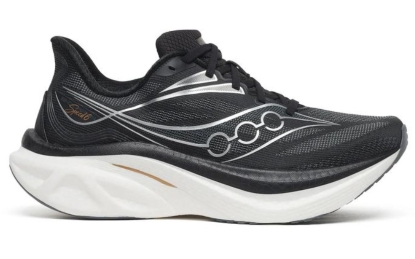
1. Saucony Endorphin Speed 6 — Best versatile speed trainer
| Best use | Plate | Evidence | Fit checkpoint |
|---|---|---|---|
| Intervals, tempo, race-pace long runs | Nylon | New version; design assessment | Check forefoot room at faster paces |
The Speed line is the pair I reach for when one week contains short repeats, a threshold block and a long run with pace changes. The new Speed 6 keeps that do-more-than-one-job idea, but its revised nylon plate and PWRRUN PBX platform mean I will not pretend my 230 miles in the Speed 5 are a wear test of this shoe. I put it first as the strongest current-version shortlist for a runner who wants one fast training pair, not as a guaranteed fit for every foot.
For 400s, I want a smooth transition that does not force me onto my toes before I am ready. For 20-minute tempo segments, I want enough protection that form does not fall apart late. The Speed 6’s geometry looks positioned between a flexible lightweight trainer and a harsh race shoe. My first check would be whether the forefoot remains stable on turns and whether the upper holds the midfoot without pinching after a warm-up.
What I like: A useful one-shoe answer to mixed speed sessions; nylon-plate concept feels more training-friendly than a rigid race plate; enough cushioning on paper for longer efforts.
What I do not like: Fresh release: I have not logged comparable mileage in version 6; runners who prefer a fully unplated ground feel should start elsewhere.
My call: I would buy it for varied speedwork only after a fit check, and keep a softer daily trainer for recovery days.
2. ASICS Superblast 3 — Best for long fast sessions
| Best use | Plate | Evidence | Fit checkpoint |
|---|---|---|---|
| Long tempos, marathon-pace blocks | No plate | 75 miles in current model | High-stack feel; verify cornering confidence |
I like the Superblast 3 when the hard part of the workout is duration rather than absolute top speed. On my longer progression runs, its generous foam lets me hold rhythm after the point where a stripped-down racer begins to feel tiring. It is not the shoe I would pick first for sharp 200-meter repeats.
The trade-off is height. On straight roads that platform feels protective; on tight track bends it asks for more attention than the Mach or Rebel. I use it for sustained blocks, not for chasing a snappy toe-off every few seconds. If your stride feels unstable in a tall shoe, the comfort advantage disappears.
What I like: Protective ride for extended fast mileage; no plate needed to feel energetic; easier bridge from daily training to tempo work.
What I do not like: Tall platform is less natural on bends; more shoe than a short interval session needs.
My call: My pick for runners whose speedwork usually lasts 15 minutes or more at a time.
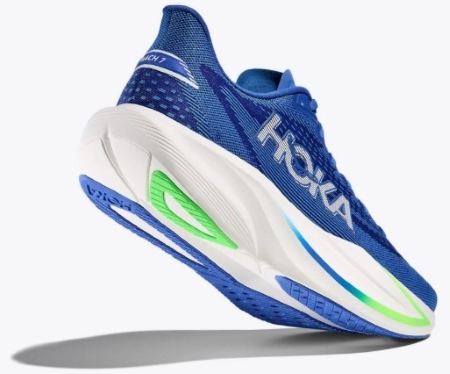
3. HOKA Mach 7 — Best unplated all-rounder
| Best use | Plate | Evidence | Fit checkpoint |
|---|---|---|---|
| Strides, 400s, moderate tempos | No plate | 120 miles in current model | Secure heel, comfortable toe space |
The Mach 7 is my reminder that a plate is optional. I can jog the warm-up, quicken cadence for repetitions, and cool down without the shoe trying to dictate one pace. That natural range matters if you are still learning how different workouts should feel.
It is lighter and less intrusive than a max-stack trainer, but it does not offer the same late-session shelter as the Superblast. I judge it by whether my foot stays centered as I accelerate and whether I can relax the lower leg between reps. It passes those practical tests more convincingly than several shoes that look faster on a spec sheet.
What I like: Natural transitions and easy pace changes; approachable without a plate; strong value as a second training shoe.
What I do not like: Less protection for very long fast blocks; not the most aggressive race-day sensation.
My call: I would start here if you want one uncomplicated shoe for strides, hills and intervals.
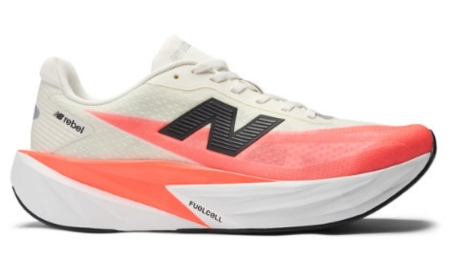
4. New Balance FuelCell Rebel v5 — Best flexible fast feel
| Best use | Plate | Evidence | Fit checkpoint |
|---|---|---|---|
| Short intervals, fartlek, strides | No plate | 60 miles in current model | Try on for midfoot hold |
Some runners want the shoe to get out of the way. The Rebel v5 is the option I suggest when a quick, flexible ride makes it easier to hit a change of pace. It feels especially at home in fartlek, where the effort rises and falls without the repetitive rhythm of a formal track session.
The soft, low-burden feel is fun, but I watch the fit closely. If the midfoot drifts when I corner or change direction, I do not care how lively the foam is. I also would not ask it to replace a more protective trainer for every long run. It earns its spot through freedom of movement, not maximal structure.
What I like: Quick to change gears; flexible underfoot; less prescriptive than plated options.
What I do not like: Softness and fit may not suit runners needing a firm platform; limited reason to choose it for long marathon-pace blocks.
My call: Choose it when your best sessions are short, playful and cadence-led.
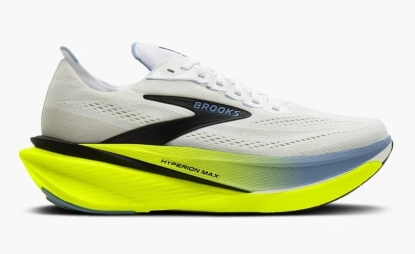
5. Brooks Hyperion Max 4 — Best protective plated trainer
| Best use | Plate | Evidence | Fit checkpoint |
|---|---|---|---|
| Long intervals, sustained tempo | Nylon | New version; design assessment | Check weight and rocker timing |
I put the Hyperion Max 4 on the list for runners who want a structured fast trainer, not a featherweight racing flat. Brooks moved this version to a substantial platform with a nylon SpeedVault plate. My 270-mile experience belongs to the Max 3, so I treat the Max 4 as a new candidate that needs its own on-foot verdict.
The question is whether its rocker meets your stride at the pace you actually train. On long repeats or a controlled tempo, the extra platform may help keep the ride consistent. If you run mostly 200s and 400s, that much shoe can feel cumbersome. I would compare it directly with the Speed 6 on the same workout rather than assuming that a bigger stack means a better session.
What I like: Promising protection for longer hard days; nylon plate is aimed at training versatility; stable-feeling design intent.
What I do not like: Heavier and taller than a minimalist speed shoe; current-version ride and durability are not yet in my log.
My call: A considered choice for longer work, provided the rocker and upper fit your gait.
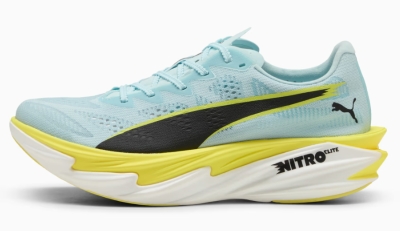
6. PUMA Deviate NITRO 4 — Best plated value
| Best use | Plate | Evidence | Fit checkpoint |
|---|---|---|---|
| Tempo, 800m–mile repeats | Carbon-composite | 314 miles in current model | Verify lockdown and arch comfort |
This is the plated trainer I keep coming back to when the workout spans multiple gears. The Deviate NITRO 4 gives me a definite assisted roll without feeling reserved only for race day. My longest existing field log in this group is on this current model, which makes my view of its durability less speculative than the newly revised shoes above.
I still separate a good plate from a good fit. If the arch or midfoot disagrees with you during the warm-up, the plate will not rescue the workout. When the fit works, I like it for mile repeats and longer tempo segments where I want help holding a repeatable rhythm. It is less compelling for relaxed strides at the end of an easy run.
What I like: Versatile plated ride; solid current-model mileage in my log; capable across medium and long efforts.
What I do not like: Not as effortless at easy pace; upper and arch fit deserve a careful try-on.
My call: My strongest logged-mileage plated alternative to the latest Speed.
7. adidas Adizero Boston 13 — Best firm tempo platform

| Best use | Plate | Evidence | Fit checkpoint |
|---|---|---|---|
| Tempo, marathon-pace blocks | EnergyRods | 220 miles in current model | Firmness and forefoot volume |
I do not hand the Boston 13 to every runner who asks for speed. It makes more sense for someone who likes a direct, firmer platform and runs controlled efforts on predictable roads. That character can be excellent for an honest tempo—and tiring if you expect a soft bounce.
I use the first ten minutes to decide whether my calves relax into its roll. At steady pace it rewards commitment; on stop-start sessions it is not as playful as the Rebel. The useful thing about the Boston is its discipline: it encourages a measured line through a workout rather than constant surges. My fit check is forefoot space after the foot warms up, not just in the store.
What I like: Clear tempo rhythm; durable workhorse role; current-model field mileage supports the recommendation.
What I do not like: Firm ride will polarize runners; less inviting for slow warm-ups and short, sharp repeats.
My call: Choose it when your speedwork is mostly sustained, not explosive.
8. ASICS Magic Speed 5 — Best race-leaning interval shoe

| Best use | Plate | Evidence | Fit checkpoint |
|---|---|---|---|
| Fast intervals, tune-up races | Carbon | New version; design assessment | Check lower stack and plate feel |
The Magic Speed 5 is a meaningful update, not a cosmetic renaming of the 4. ASICS lowered the stack and changed the foam and plate layout. That makes it a more interesting candidate for runners who want a race-leaning shoe for fast repetitions, but it also means I cannot carry over my 223 miles in the Magic Speed 4 as proof of this version’s ride.
I would test it at goal 5K or 10K effort, not by walking around the house. A carbon plate can feel wonderful when the pace matches its geometry and awkward when it does not. The lower profile may improve confidence around a track bend, while the firmer, more direct feel may be too much if your hard day is a long, controlled threshold run.
What I like: Current redesign has a clear fast-workout purpose; lower platform should appeal to runners wary of towering racers; direct race-day crossover.
What I do not like: No current-version mileage in my log; less forgiving than the long-tempo shoes here.
My call: Shortlist it for specific fast sessions, then validate the fit at workout pace.
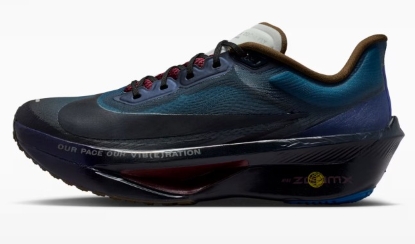
9. Nike Zoom Fly 6 — Best carbon-plated bridge
| Best use | Plate | Evidence | Fit checkpoint |
|---|---|---|---|
| Long intervals, progression runs | Carbon | 98 miles in current model | Check forefoot pressure and heel hold |
The Zoom Fly 6 sits between a daily trainer and Nike’s more demanding racers. I like that middle ground for runners curious about plated training but not ready to put every workout into a top-end racing shoe. It feels more purposeful as pace rises than it does on a shuffle.
I would not choose it solely because a carbon plate sounds fast. I judge whether the upper keeps my foot seated through the final rep and whether the forefoot still feels comfortable after an hour. For sustained intervals and progression runs it can make sense; for short strides after easy mileage it is an unnecessarily elaborate tool.
What I like: Clear plated training role; useful for longer fast efforts; race-shoe practice without using a dedicated racer every session.
What I do not like: Less natural at easy pace; not my first choice for technical turns or very short reps.
My call: A reasonable bridge if Nike’s fit works and you train for longer races.
10. adidas Adizero Takumi Sen 11 — Best 5K/10K specialist

| Best use | Plate | Evidence | Fit checkpoint |
|---|---|---|---|
| Track repeats, 5K/10K pace | EnergyRods | 270 miles in current model | Snug race fit; test turns |
The Takumi Sen 11 is the specialist in this group. I save it for days when the workout is genuinely fast: 400s, 1K repeats, or a sharp 5K/10K session. It gives me a more precise sense of turnover than the big cushioned trainers, which is exactly why I would not recommend it as someone’s only speed shoe.
The race-oriented fit is the first hurdle. I want the heel secure without crushing the toes, and I want to run the bends before declaring it a track favorite. If it passes that test, its focused feel is an advantage. If the forefoot complains by rep four, move on; a fast shoe that changes your mechanics is not a win.
What I like: Purpose-built for faster paces; precise turnover; meaningful current-model mileage in my log.
What I do not like: Narrower use case and snug fit; overkill for relaxed tempo or recovery mileage.
My call: My pick when 5K/10K speed matters more than all-day versatility.
How I Tested and Ranked These Speedwork Shoes
I rank a speed shoe by the workout I can actually finish well in it—not by weight or plate material alone. In my existing field notes I compare warm-up comfort, how cleanly the shoe changes gears, stability on bends, lockdown once my feet warm up, and whether my stride remains relaxed on the final rep. The seven unchanged models account for 1,157 recorded miles in the source log; that number is not a controlled head-to-head trial.
I separate direct experience from model-family knowledge. Endorphin Speed 6, Hyperion Max 4 and Magic Speed 5 are newly updated versions. I can explain why their designs belong on the shortlist and what I would test first, but I will not claim that miles logged in versions 5, 3 and 4 prove how these versions wear or ride. That is also why I avoid precise durability promises for them.
- Fast repeats: Can I accelerate without fighting the rocker, and does my foot stay centered on turns?
- Tempo: Can I hold a steady rhythm without forefoot pressure or calf tension?
- Long fast work: Does the shoe still feel composed after an hour, including the cool-down?
- Fit veto: Heel slip, toe pressure or altered mechanics override any spec-sheet advantage.
How I Choose a Shoe for Each Speedwork Session
For 200–400-meter repeats and strides, I favor quick transitions and secure turning: Mach 7, Rebel v5 and Takumi Sen 11 make more sense to me than a towering long-run shoe. For 800-meter to mile intervals, I look for a repeatable rhythm and enough cushioning to finish the set: Speed 6, Deviate NITRO 4 or Zoom Fly 6. For tempo runs and long race-pace blocks, I move toward Superblast 3, Hyperion Max 4 or Boston 13.
Plate choice comes after fit. A carbon or nylon plate can help a particular runner at a particular pace; it is not a universal upgrade. If your calves tighten or the rocker pushes you forward before you are ready, try an unplated option. If you are still building your first structured interval session, I would rather see a relaxed, repeatable stride than a flashy split from an unforgiving shoe.
I use a three-step try-on: jog easily, run several 20–30-second pickups, then make a few controlled turns. I check thumb-width toe room, heel hold and whether the midfoot stays quiet. If a pair fails at this stage, I do not expect it to improve at rep eight.
Full Comparison Table
| Shoe | Best speedwork | Plate | My evidence | Main caution |
|---|---|---|---|---|
| Saucony Endorphin Speed 6 | Intervals, tempo, race-pace long runs | Nylon | New version; design assessment | Check forefoot room at faster paces |
| ASICS Superblast 3 | Long tempos, marathon-pace blocks | No plate | 75 miles in current model | High-stack feel; verify cornering confidence |
| HOKA Mach 7 | Strides, 400s, moderate tempos | No plate | 120 miles in current model | Secure heel, comfortable toe space |
| New Balance FuelCell Rebel v5 | Short intervals, fartlek, strides | No plate | 60 miles in current model | Try on for midfoot hold |
| Brooks Hyperion Max 4 | Long intervals, sustained tempo | Nylon | New version; design assessment | Check weight and rocker timing |
| PUMA Deviate NITRO 4 | Tempo, 800m–mile repeats | Carbon-composite | 314 miles in current model | Verify lockdown and arch comfort |
| adidas Adizero Boston 13 | Tempo, marathon-pace blocks | EnergyRods | 220 miles in current model | Firmness and forefoot volume |
| ASICS Magic Speed 5 | Fast intervals, tune-up races | Carbon | New version; design assessment | Check lower stack and plate feel |
| Nike Zoom Fly 6 | Long intervals, progression runs | Carbon | 98 miles in current model | Check forefoot pressure and heel hold |
| adidas Adizero Takumi Sen 11 | Track repeats, 5K/10K pace | EnergyRods | 270 miles in current model | Snug race fit; test turns |
Rotation and Replacement: Keep the Fast Shoe Fast
I keep a comfortable daily trainer for easy mileage and use a speedwork pair on the day its geometry earns its place. That makes differences in ride easier to notice and keeps a specialist such as the Takumi Sen 11 from becoming an awkward recovery shoe. If you race often, practice in your race shoe, but not every hard run has to consume it.
I do not retire speed shoes at one magic mileage number. I compare the same workout over time: does the shoe feel flat sooner, is the outsole losing grip on turns, or does the upper let my foot shift? I also inspect asymmetric wear and any new soreness that appears only in that pair. My shoe replacement guide explains the broader signs. For a new-version shortlist, I would log those observations from mile one rather than borrow the predecessor’s lifespan.
Frequently Asked Questions
Do I need a plated shoe for speedwork?
No. I use unplated shoes such as the Mach 7 and Rebel v5 for strides, hills and many intervals. A plate is useful only when its ride and fit help you repeat the workout without fighting the shoe.
Which shoe should I choose for track intervals?
For short, fast repeats I start with the Mach 7 or Rebel v5; for race-pace specificity I consider the Takumi Sen 11 or Magic Speed 5. I test turns and lockdown before committing to a full session.
What is better for tempo runs than 200-meter repeats?
I favor a more protective, rhythm-friendly shoe such as the Superblast 3, Boston 13 or Deviate NITRO 4 for sustained tempos. For 200-meter repeats I want less bulk and a quicker change of pace.
Can one shoe handle easy runs and speedwork?
Yes, especially if you do one hard session per week. I would look first at the Mach 7 for an unplated feel or the Endorphin Speed 6 for a plated all-round design, while checking comfort at both easy and workout paces.
How should speedwork shoes fit?
I want a secure heel and midfoot, enough toe room after warming up, and no side-to-side slide on bends. A snug race fit is acceptable; numbness, pinching or altered stride is not.
How often should I replace speedwork shoes?
I replace them when the ride loses its expected response, the outsole or upper no longer holds me securely, or soreness appears in a pattern tied to that pair. Mileage is a clue, not a universal expiration date.
My Final Recommendation
If I had to choose one current speedwork shoe to evaluate first, I would start with the Endorphin Speed 6 for its range of intended workouts—while being explicit that my hands-on mileage is in the Speed 5. For a proven current-model, unplated choice from my log, I would take the Mach 7. If your hard days are longer tempo efforts, the Superblast 3 is the more protective answer; if you chase 5K/10K pace, the Takumi Sen 11 is the sharper specialist. Buy for your recurring session and your foot, not for the fastest-looking spec.

Written by Ken — 12 years of running, 12,500+ miles, 63 shoes tested, 36 races from 5Ks to a 50K ultra. I run 30–40 miles a week on the Atlantic City Boardwalk and review every shoe with real training miles, not one-run demos. More about me →