
After 175 miles in the Nike Vomero 18, I see it as an easy-day specialist: a soft, protective heel on a broad, controlled base, with enough weight and forefoot firmness to keep me from choosing it for speedwork. I would buy it for recovery runs, unhurried road miles, and walking. If one shoe has to carry my easy runs and my workouts, I would look elsewhere.
That distinction matters more than the ZoomX name. The Vomero 18 has a layer of ZoomX over ReactX, a tall 46/36 mm listed stack, and a 10 mm drop. On foot, it feels like a substantial comfort shoe, not a lightweight Nike racer. My overall score is 8.1/10 for the job it actually does.
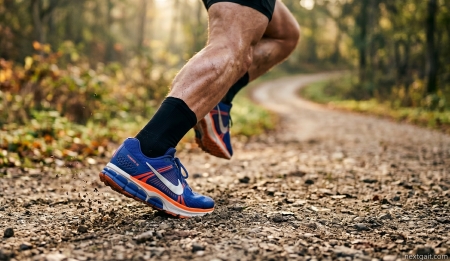
My Quick Verdict
| Decision | My take |
|---|---|
| Best use | Recovery, easy road mileage, relaxed long runs, walking |
| Ride | Soft heel, firmer forefoot, smooth rocker, controlled platform |
| Fit | True to size in my men’s US 10.5; snug midfoot and some late-run pinky-toe pressure |
| Main trade-off | Comfort and stability for its height, paid for in weight and pace range |
| Score | 8.1/10 — strong as a specialist, limited as a one-shoe rotation |
If your legs want relief on easy days, this belongs on the shortlist with my best cushioned running shoes. I would not choose it merely because it has the most foam: the right fit, landing pattern, and intended pace matter more.
How I Tested the Nike Vomero 18
I ran 175 miles in a men’s US 10.5 and also wore the pair for walking. I am 5 feet 10 inches, 182 lb, and my gait is neutral with mild inward movement when I fatigue. My route mix included paved roads, concrete sidewalks, boardwalk, and treadmill. Most runs were deliberately easy, around 9:00–10:30 per mile, with recovery runs, steady miles, one faster session, and a documented 12-mile Brigantine loop.
I watched what changed after the early runs: where the heel compressed, whether the rocker became smoother, when the upper felt warm, and how the rubber wore at my contact points. My Garmin gave me distance, time, and pace. I did not use a force plate or perform a clinical gait assessment, so the ride and stability judgments here are my on-foot observations, not laboratory measurements.
Twelve years of running have taught me to judge a recovery shoe late in an easy run, when the novelty has worn off. I also pushed the Vomero once to test its range. I could accelerate, but moving its mass felt costly; I returned it to easy-day duty.
Contents
Nike Vomero 18 Specs at a Glance
| Specification | Vomero 18 | What I notice |
|---|---|---|
| Category | Max-cushion neutral road trainer | Comfort-first daily mileage |
| Midsole | ZoomX over ReactX | Soft landing with a more controlled base |
| Listed stack / drop | 46 mm heel / 36 mm forefoot; 10 mm drop | Most of the plush sensation sits under the heel |
| Listed weight | About 11.5 oz / 325 g, men’s US 10 | Clearly heavy when I increase cadence |
| Upper | Engineered mesh, padded tongue and collar | Secure, comfortable, somewhat warm |
| Outsole | Rubber pods around a central groove | Reliable road grip; watch lateral heel wear |
Those stack and weight figures are model specifications, not measurements of my US 10.5 pair. Shoe weight varies with size. I use the numbers to explain the design, then let the running decide whether the design works.
What Changed from the Vomero 17?
The Vomero 18 changes the role of the shoe more than a small model-year update would. My Vomero 17 felt like a premium daily trainer I could bring into moderate pace work. The 18 is taller, heavier, more rockered, and more committed to easy comfort. Its ZoomX-over-ReactX arrangement replaces the earlier ZoomX/Cushlon setup with forefoot Air Zoom. The 18 rolls more smoothly through an unhurried stride, while the 17 felt livelier when I asked for pace.
| If you value… | I would choose… | Why |
|---|---|---|
| Soft rearfoot protection | Vomero 18 | The taller, softer heel is the clearest upgrade |
| Mixed easy and quicker mileage | Vomero 17 | Less mass and more snap through the forefoot |
| An all-foam rocker | Vomero 18 | Smoother transition without the old forefoot Air feel |
| One versatile daily shoe | Vomero 17 | Its broader pace range is easier to use |
If your Vomero 17 already handles your whole week, I would not switch just because the number is newer. I would switch when I specifically need a softer recovery partner. My Nike Pegasus review covers a lighter Nike option for mixed daily mileage.
The Ride: Soft Landing, Measured Toe-Off
At foot strike, the ZoomX top layer gives my heel a cushioned, forgiving first contact. The ReactX below stops that softness from feeling unruly. The broad base and rocker guide me forward without demanding a fast turnover. In the first 15–20 miles the rocker and outsole felt a little stiff; the transition eased as I wore the shoe, but it never turned into a springy tempo trainer.
The cushioning feels uneven in a useful way for some runners and disappointing for others. As a heel striker, I receive the full benefit of the tall rearfoot. The forefoot is firmer, and I do not get the same plushness at toe-off. A forefoot striker shopping from the “max cushion” label may find that mismatch surprising.
On my 12-mile Brigantine run, the heel still felt comfortable at the end and the base stayed composed as my form loosened. After mile eight, however, I noticed the effort of carrying the shoe. The foam did not suddenly collapse; the mass became the limiting factor. Shorter, compact steps let the rocker work more quietly than overstriding into the heel.
The dual-foam construction is why I call this ride controlled rather than bouncy. ZoomX takes the edge off pavement; ReactX supplies the frame beneath it. I can feel both effects without sensing a distracting seam between the layers. A full soft-foam stack might impress me more in the first hundred yards, but I prefer this calmer landing when my legs are tired and my stride becomes less tidy.
The high heel also changes how I place my feet. On level road it feels protective. Stepping off a curb or across an angled shoulder, I pay more attention than in a lower trainer. I would not mistake that awareness for instability in a straight line; it is the leverage of a tall platform. The shoe is most convincing when I settle into its easy rhythm instead of trying to make the rocker accelerate me.
Where the Vomero 18 works best by pace
| Run | My experience |
|---|---|
| Recovery | Its best assignment: easy rhythm, soft heel, little demand for snap |
| Easy daily run | Comfortable and predictable, though more shoe than I always need |
| Relaxed long run | Cushion holds up; weight becomes more apparent late |
| Steady progression | Possible, but the forefoot feels muted |
| Tempo or intervals | I can do them, yet the shoe gives little back for the effort |
For the purpose of a truly easy outing, I use the same effort principles I explain in my recovery run guide. I keep a lighter shoe for the work in my tempo run guide.
Is the Tall Platform Stable?
The Vomero 18 is stable for a neutral shoe of this height. Under my mild late-run inward movement, the broad ReactX carrier, sidewall shape, and secure upper kept the landing predictable. I did not feel the heel tipping as I tired. That does not make it a motion-control shoe; there is no medial post or formal guidance device.
I pay more attention on broken sidewalks, sloped road edges, and quick turns because the tall rearfoot reduces ground feel. If a high platform already feels awkward to you, the broad base may not solve that. If you need specific support, compare it with a model such as the Brooks Glycerin GTS rather than treating stack height as support.
Fit and Sizing: My US 10.5 Test Pair
The Vomero 18 ran true to length in my usual men’s US 10.5. My heel stayed seated without a runner’s knot, and the padded tongue distributed lace pressure well. The midfoot fit is snug. Near two hours, I noticed my pinky toes had less room than I wanted, even though the outside of the shoe looks broad.
I would start at my normal length for an average foot. For a genuinely wide forefoot, I would try the wide version before adding half a size; extra length can loosen the heel without creating useful width at the ball of the foot. For a high instep, I would check pressure across the padded midfoot while standing and jogging, not only while seated. My wide-foot shoe guide explains why external platform width and internal room are different.
I had no blisters across the test, and the tongue stayed centered. The generous lining felt pleasant in cooler weather but held warmth on treadmill and hot runs. If you run warm, this is a meaningful trade-off, not a reason to lace the shoe so loosely that your foot moves over a tall stack.
For a fitting-room check, I would wear the socks I actually run in, stand with weight on both feet, and make sure there is toe length left after the foot moves forward. Then I would jog and turn: the collar should hold the heel while the midfoot stays secure without numbness. Finally, I would check the little-toe side, because that was my limiting point late in runs. The shoe may appear roomy from above while its internal shape still narrows where your forefoot needs space.
The padding is a strength if you like a protected, quiet upper. It is less appealing if you want the airy feel of a stripped-down trainer. Thin technical socks improved the hot-run experience for me, but they did not turn the upper into a summer race mesh. I would choose this fit for comfort and hold, then account for its warmth in a humid training block.
Grip and Wear at 175 Miles
I trusted the outsole on dry roads and ordinary damp pavement. The rubber pods and central groove let the shoe roll without feeling clumsy at walking pace. I still shorten my stride on wet paint, metal, or wood; those surfaces are a different test from damp asphalt.
At 175 miles, my lateral heel rubber had moderate smoothing and the forefoot showed lighter contact wear. The exposed foam had cosmetic scuffs. No rubber had worn through, and grip remained usable. The heel wear was more obvious than I would like on a heavy easy-day shoe, so I would inspect that area periodically rather than promise a fixed mileage life. Your landing point, pavement, rotation, and body mass can change the outcome. My shoe replacement guide explains the signs I use beyond the odometer.
I separate appearance from function when I make that call. A scuff on exposed foam is cosmetic; losing rubber at my main contact point, a change in grip, or a landing that starts to feel lopsided would matter more. I would also compare the feel of two familiar easy routes, not judge durability after a single unusually tiring day. At my current mileage the Vomero still performs its job, with the lateral heel as the area I will watch next.
How I Choose Between the Vomero 18 and Its Rivals
I do not compare max-cushion shoes only by foam height. I ask whether I want a soft heel, an even forefoot, a strong rocker, or a lighter shoe that can change pace. Here is how I make the choice after running in these categories.
| Alternative | I would pick it when… | Vomero 18’s case |
|---|---|---|
| ASICS Gel-Nimbus | I want more even cushioning through the whole foot | I want Nike’s softer rearfoot and 10 mm transition |
| HOKA Bondi | I prefer a stronger rolling feel and lower-drop geometry | I prefer a softer heel and familiar higher drop |
| Saucony Triumph | I need more flexibility across easy and steady paces | My priority is maximum rearfoot comfort |
| HOKA Clifton | Low weight matters more than plush heel impact | I can accept mass for a softer landing |
| On Cloudmonster | I enjoy a firmer, more mechanical rocker | I want a softer and calmer heel |
These are ride distinctions, not a universal ranking. A shoe that feels better in my US 10.5 may fit your foot differently; I would make the final choice after checking toe room, heel hold, and a few running steps.
Walking, Long Runs, and Everyday Use
For walking, I like the Vomero 18 more than its weight would suggest. At that pace the mass matters less, while the padded upper, soft heel, and controlled rocker remain useful. On hard surfaces, I would compare it with the options in my shoes for concrete guide. I would not use this high, soft platform for heavy lifting or repeated lateral gym movements.
For long runs, I am comfortable recommending it when the goal is relaxed mileage and the fit remains roomy as feet swell. My 12-mile run gave me no cushion collapse, but the weight was clear late. For a fast-finish long run I would use a lighter partner. A newer runner can certainly run in it, but I would first decide whether the height and weight feel natural; my beginner shoe guide covers broader daily options.
A heavier runner may appreciate how ReactX reins in the soft top layer. I would still judge the shoe by personal fit, loading pattern, and outsole wear, rather than assume a body-weight cutoff. It is also not a treatment for pain or a guarantee against injury.
How I Use the Vomero 18 in My Shoe Rotation
I give the Vomero 18 my recovery runs and easy road days, especially when I want a softer heel after a hard session. A Nike Pegasus or similar lighter daily trainer takes my steady runs and mixed-pace days. For intervals or tempo, I switch to a dedicated workout shoe; the Saucony Endorphin Speed is one example of a clearly different role. I do not need a second heavy max-cushion shoe to do the same job.
A rotation is optional. If you run mostly easy and the Vomero fits exceptionally well, it can be your primary shoe. I would just enter that choice knowing that pace changes feel more expensive than they do in a lighter trainer.
Who Should Buy the Nike Vomero 18?
- I would put it first for a heel striker who wants a soft landing and a conventional 10 mm drop.
- I would recommend it to a runner building a separate recovery or easy-day slot.
- I would consider it for relaxed long runs when late-run comfort matters more than low weight.
- I would try it for walking on hard surfaces if the high platform feels secure.
- I would consider it if softer full-foam shoes feel unstable and a controlled carrier helps.
The deciding trial is simple: run easily, make a few turns, and check the forefoot after your feet have warmed up. If the heel delight comes with toe crowding or a wobbly feeling, the score I gave my pair should not override your fit.
Who Should Skip the Nike Vomero 18?
- I would pass if I need one light shoe for recovery, steady work, and fast sessions.
- I would pass if I land heavily on my forefoot and expect equally plush cushioning there.
- I would look elsewhere if I prefer a low drop or feel uneasy above a 40 mm stack.
- I would not force the standard width when the wide option is unavailable and my toes are crowded.
- I would keep a well-fitting Vomero 17 if its forefoot response and versatility are the reasons I love it.
If pace range is the priority, my best running shoes guide offers a broader starting point. More foam is useful only when it helps the run you actually do.
My Final Verdict After 175 Miles
The Nike Vomero 18 succeeds as a max-cushion, comfort-first shoe. Its soft heel, secure upper, and controlled base made easy mileage pleasant, and the cushioning held up through my 12-mile test. Its weight, warm upper, firmer forefoot, and visible lateral heel smoothing prevent me from calling it a versatile daily trainer.
I score it 8.1/10. I would buy it for recovery and relaxed road volume, ideally beside a lighter shoe. I would not buy it expecting the Vomero 17’s broader pace range or the explosive sensation associated with Nike racing ZoomX. The 18 has a clear job, and I like it most when I let it do that job.
Nike Vomero 18 FAQs
Does the Nike Vomero 18 run true to size?
My men’s US 10.5 fit true to length. The midfoot felt snug and my pinky toes became crowded on outings approaching two hours, so I would try the wide version before adding length if I needed more width.
What foam is in the Vomero 18?
I feel a soft ZoomX top layer over a more structured ReactX base. That pairing cushions my heel without the loose sensation I can get from an entire stack of very soft foam.
How much does the Nike Vomero 18 weigh?
The listed men’s US 10 weight is about 11.5 oz (325 g). My US 10.5 test pair felt substantial, especially when I increased the pace; I did not claim a scale measurement for my own pair.
What is the Vomero 18 stack height and drop?
The listed stack is 46 mm at the heel and 36 mm at the forefoot, with a 10 mm drop. On foot, the heel feels noticeably softer and taller than the forefoot.
Is the Vomero 18 good for long runs?
I enjoyed a relaxed 12-mile run in it. The heel remained comfortable, though I noticed the weight after mile eight. I would choose a lighter shoe for a fast-finish long run.
Is the Vomero 18 a stability shoe?
I found it stable for a tall neutral shoe because of its broad base and secure upper. It has no medial post or formal support system, so I would not buy it as a corrective shoe.
Can I use the Vomero 18 for speedwork?
I could run faster in it, but I would not choose it for my tempo or interval sessions. The mass and muted forefoot make quicker running feel harder than in a lighter workout shoe.
How long will the Vomero 18 last?
I cannot assign one mileage to every runner. At 175 miles my pair still had usable grip and no worn-through rubber, but the lateral heel showed moderate smoothing. I would inspect that area and the ride as mileage builds.

Written and tested by Ken – NextGait founder, 12-year runner, 12,500+ lifetime miles, 63 shoes tested, and 36 races from 5K through 50K. I run 30-40 miles most weeks and test max-cushion shoes on roads, boardwalk, treadmill, long runs, recovery days, walking, and faster pickups to find where the extra foam helps and where it becomes baggage. Read Ken’s testing philosophy and bio.