
Running in Wind: How to Adjust Effort, Route, and Safety
Running in wind starts with three decisions: check local alerts, inspect route hazards, then protect the workout purpose by adjusting effort, direction, and exposure.

Running in wind starts with three decisions: check local alerts, inspect route hazards, then protect the workout purpose by adjusting effort, direction, and exposure.

A field-tested 5K race strategy for pace splits, first-mile control, early-error recovery, hills, wind, GPS conflicts, and a decisive final kick.

I share how I taper for a marathon using completed training, accumulated fatigue, retained intensity, missed runs, travel, symptoms, and race-week logistics.

I share how I build and execute a marathon pacing strategy using training evidence, course and weather adjustments, race phases, and clear decision points.
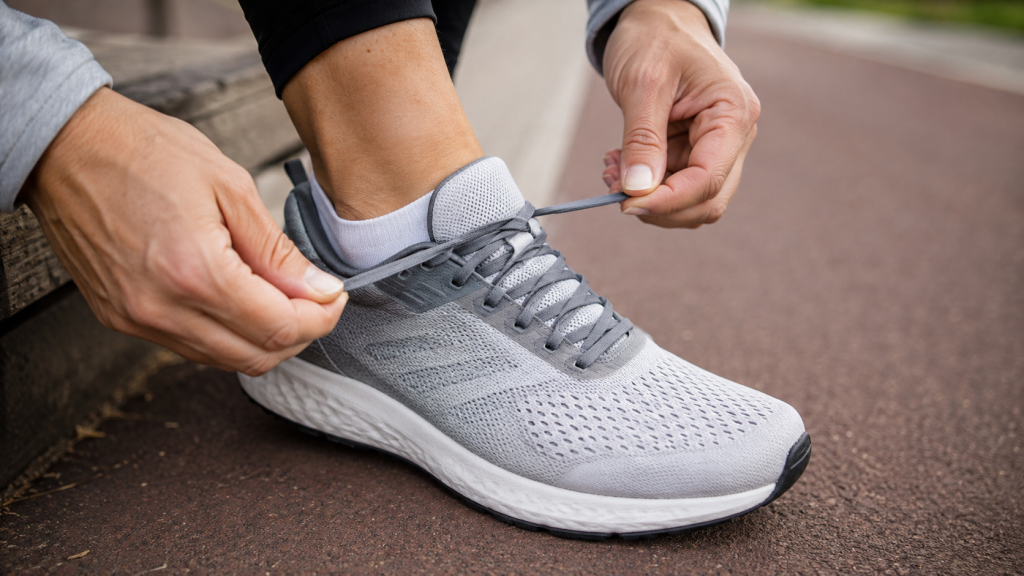
I share how I diagnose and stop heel slip in running shoes with a runner’s loop, pressure checks, a short fit test, and clear signs the shoe shape is wrong.
I share the bone stress injury warning signs I never run through, how I reconstruct load, and when I stop training and arrange an assessment.
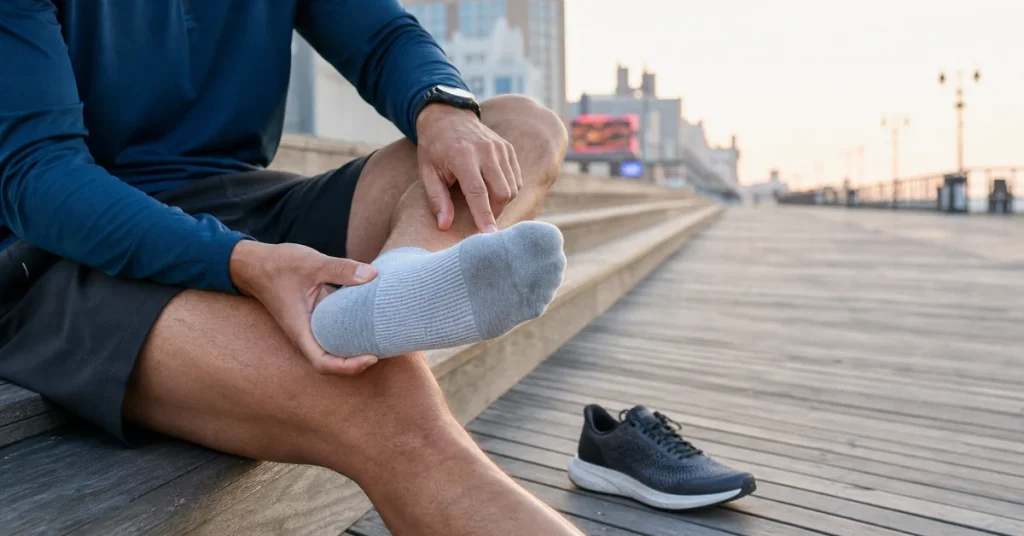
I share how I assess foot pain after running by location, timing, recent load, warning signs, and the response that determines my next step.

I share how I approach plantar heel pain as a runner: identify the pattern, audit recent load, rebuild foot capacity, and know when to get assessed.
I share how I approach Achilles tendinopathy as a runner: locate the symptoms, audit load, adjust running, build tendon capacity, and know when to get help.
I share the criteria-based comeback plan I use after appropriate clearance: readiness gates, walk-run stages, response checks, and clear progression rules.

I share the decision rules I use when pain appears during a run: what I monitor, when I modify, when I stop, and when I seek qualified medical help.
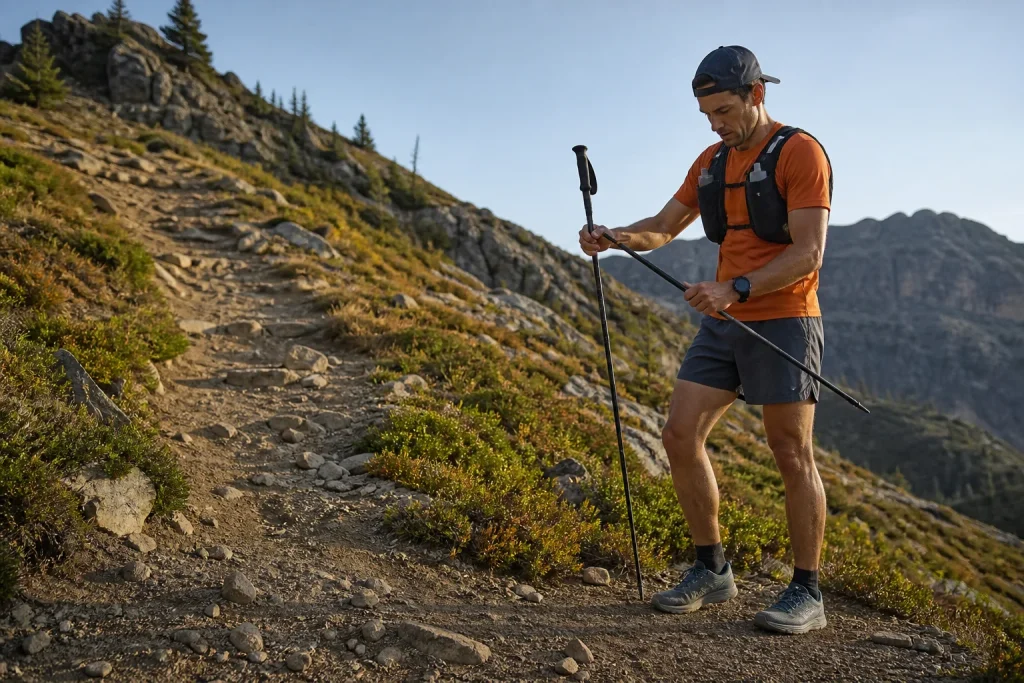
I share how I decide when trail running poles are worth carrying, choose the right length, build efficient technique, and test race-day transitions.

I share the trail blister prevention system I use for shoe fit, socks, moisture, taping, hotspots, first aid, and race-day foot decisions.
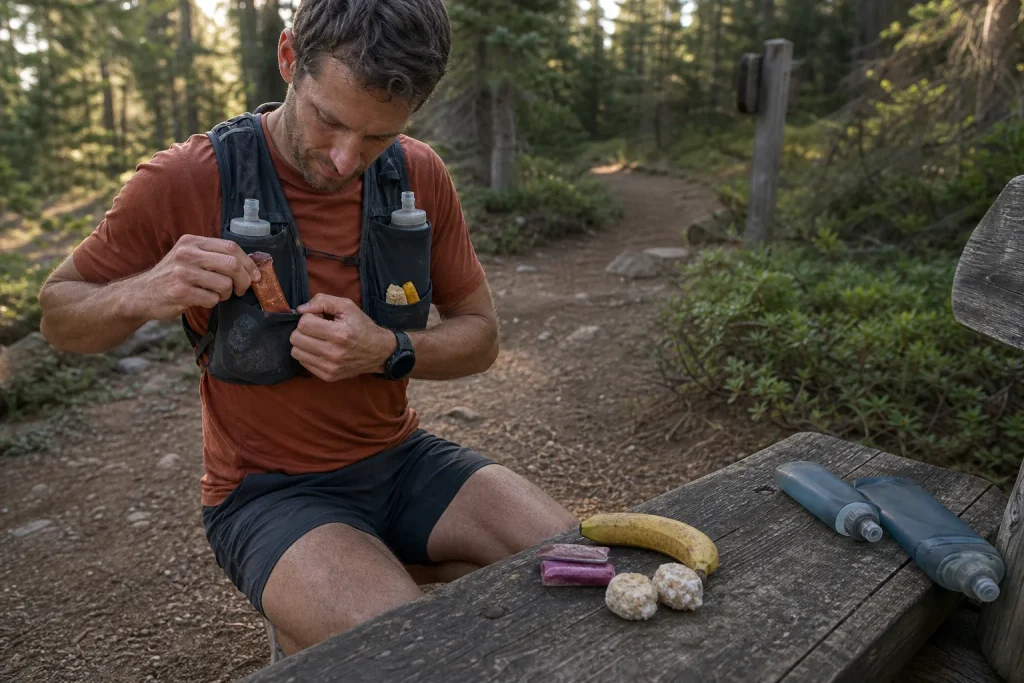
I share the trail fueling system I use before, during, and after long runs: hourly carb math, hydration, gut training, aid-station plans, and practical fixes.
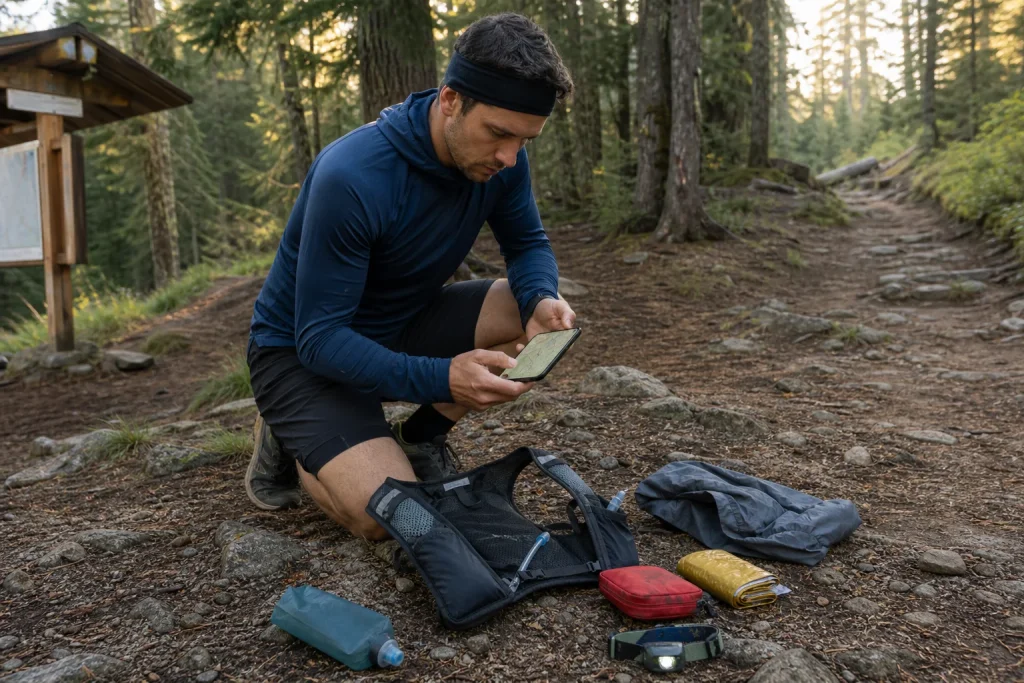
I share the trail running safety checklist I use to plan routes, check conditions, pack the right systems, set turnaround rules, and confirm a safe return.

I explain when power hiking beats uphill running, how I use compact steps, hands or poles, and how I train a smooth run-hike crossover.

I explain the technical trail running technique I use to scan terrain, choose lines, control climbs and descents, and build skill through progressive practice.
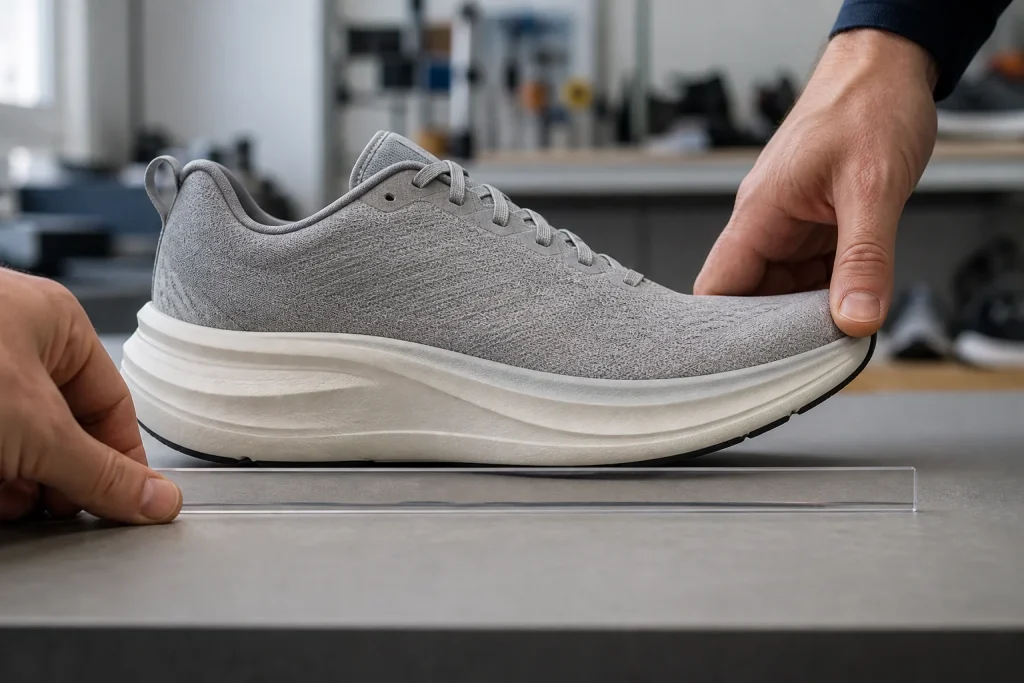
I explain how running shoe rocker geometry changes heel entry, midfoot timing, and toe-off, then share the three-run test I use to judge the match.
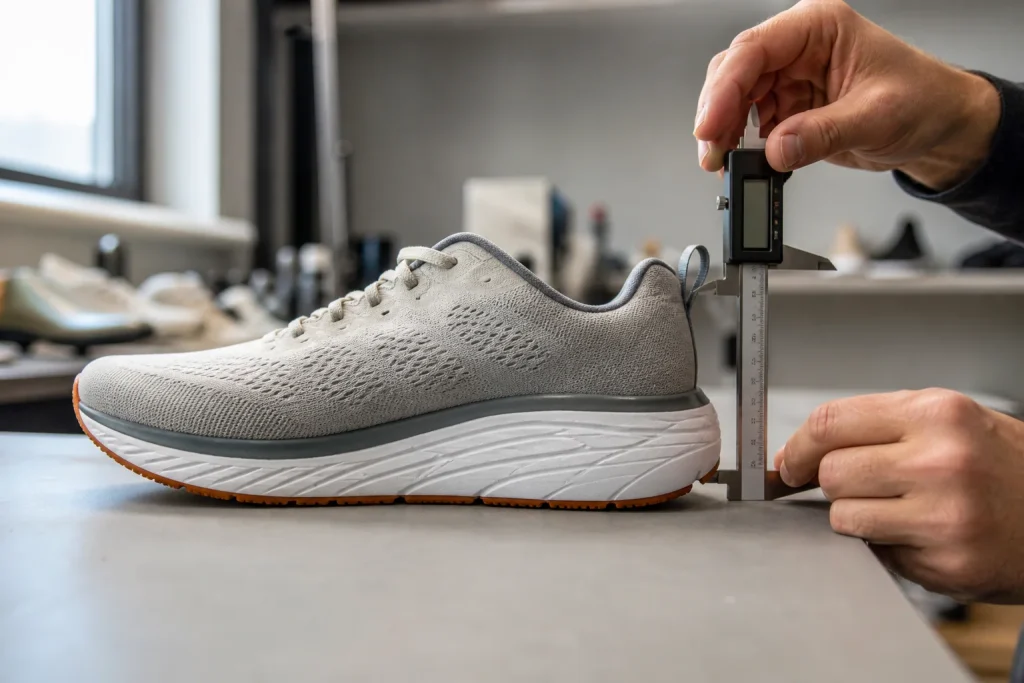
I explain what running shoe stack height measures, how it differs from heel drop, and how I choose between lower- and higher-stack shoes for each kind of run.
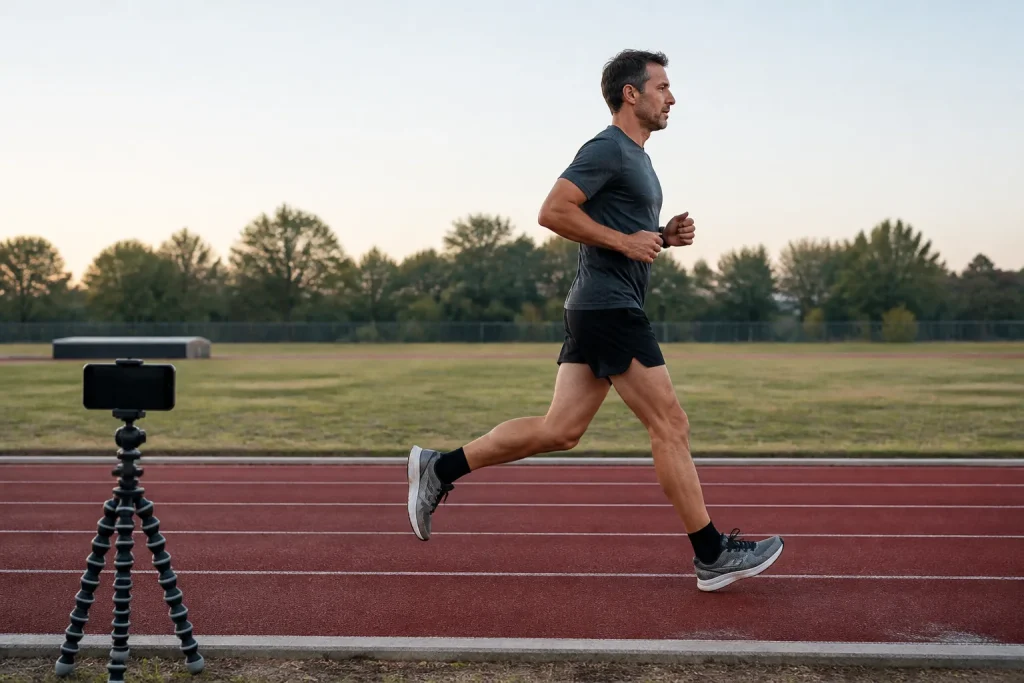
I explain how I identify and stop overstriding with matched video, a small cadence change, transferable drills, and a practical four-week progression.
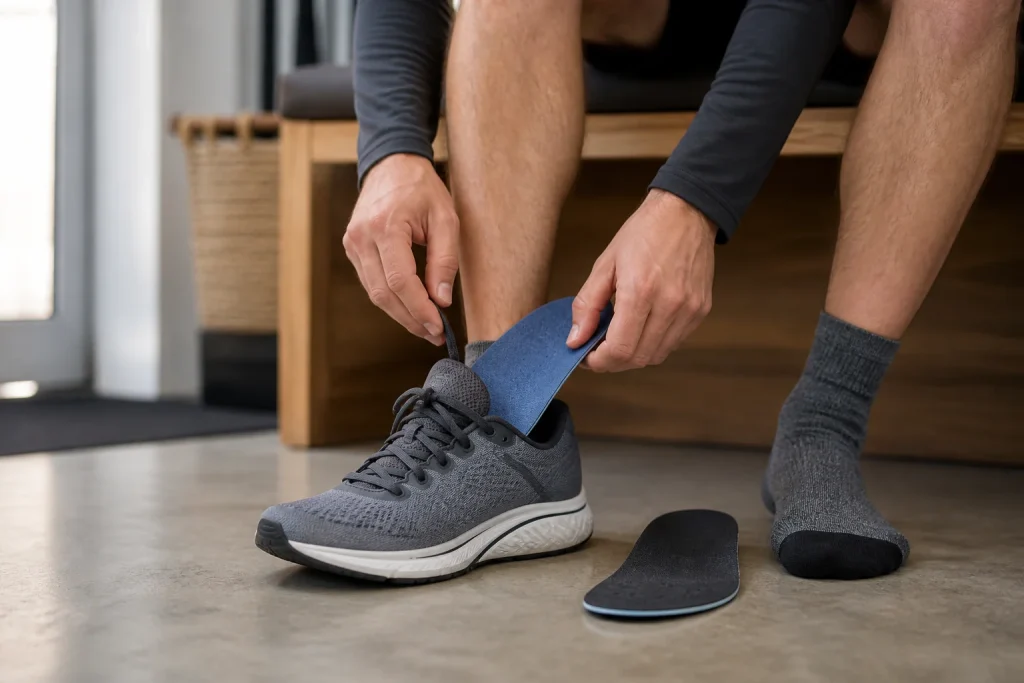
Running with orthotics can be comfortable when the insert, shoe, and training load work together. Use this runner-tested fit check, break-in plan, and troubleshooting guide.