
The best running shoes for women should fit the actual foot, match the day’s job, and still feel predictable when fatigue changes the stride. After 12 years of running, I rank the ASICS Gel-Nimbus 28 first overall, the Brooks Glycerin GTS 23 for cushioned support, and the Saucony Ride 19 for beginners.
I built this guide from the way I make a real shoe decision: fit before features, ride before marketing, and one clear job for every model. My reported mileage comes from the same-numbered men’s shoes I ran in; I verified the women’s weight, drop, width range, construction, and fit separately. I will not present a men’s test pair as though it were a women’s sample.
There is no universal women’s winner. A narrow heel can coexist with a wide forefoot, a high instep can make a nominally wide shoe feel tight, and two runners with similar pronation can prefer opposite platforms. That is why every review below tells you who I would choose the shoe for, who I would steer away, and what must pass the fit test.
My short answer: Choose Gel-Nimbus 28 for neutral high-cushion mileage, Glycerin GTS 23 when gentle guidance improves control, or Ride 19 for a lighter and simpler daily trainer. Do not buy by award alone; use the fit and skip conditions in each review.
If you are still defining your needs, I start with my running-shoe selection framework. For a broader market comparison, see my best running shoes guide.
Quick Picks: 3 Women’s Running Shoes I Would Compare First
These three cover the most common decisions: neutral cushioning, cushioned guidance, and a straightforward daily trainer. I would open the exact women’s width I need, compare the current price, and keep the retailer with the better return conditions.
| Shoe | My reason to choose it | I would skip it when | Check price |
|---|---|---|---|
| ASICS Gel-Nimbus 28 | Best overall: soft protection, broad neutral base, and useful width choice | You want a low, flexible, or workout-first ride | Check Nimbus 28 price |
| Brooks Glycerin GTS 23 | Best cushioned support: plush ride with GuideRails guidance | You are comfortable in neutral shoes or prioritize low weight | Check Glycerin GTS 23 price |
| Saucony Ride 19 | Best for beginners: light, conventional, and versatile | You need maximal cushion or a race-specific platform | Check Ride 19 price |
10 Best Running Shoes for Women: In-Depth Reviews
I rank these shoes by the job they perform, not by which brand has the loudest launch. Every weight below is for the women’s model, while my mileage notes identify where my physical test pair was the men’s version of the same model.
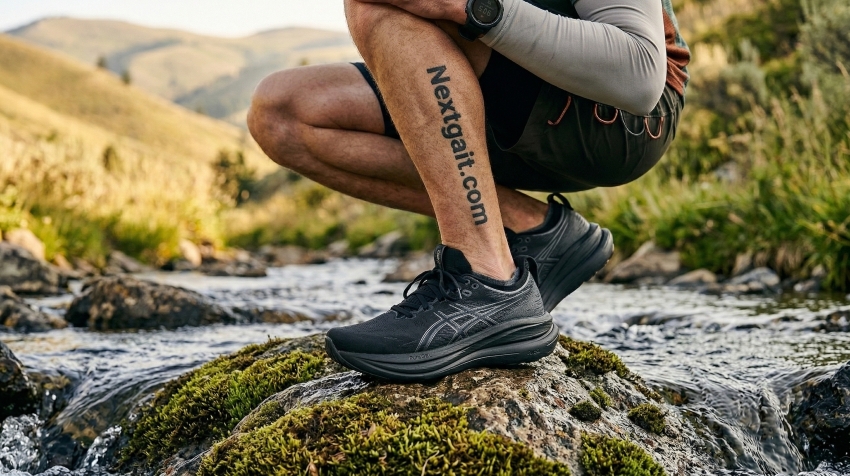
1. ASICS Gel-Nimbus 28 — Best overall running shoe for women
| My decision point | What I found |
|---|---|
| Best use | Easy miles, long runs, and high-cushion daily training |
| Women’s specs | 8.5 oz/242 g; 8 mm drop; neutral; standard and wide |
I rank the Gel-Nimbus 28 first because it is the easiest recommendation here to understand: soft protection, a broad landing platform, and no corrective element trying to steer the foot. I have 260 reported miles in the same-numbered men’s model. For this women’s guide, I separately checked the women’s weight, drop, widths, and fit configuration instead of pretending my men’s sample is identical.
The 28 trims weight from the old maximalist formula without turning the shoe into a tempo trainer. FF BLAST PLUS cushioning and rearfoot PureGEL make easy and long miles feel protected, while the 8 mm drop is conventional enough for many runners moving from another daily trainer. I like it most at conversational pace, where comfort and predictable transitions matter more than snap.
Fit is secure through the heel and midfoot, with more room available in Wide. I still fit the larger foot late in the day and leave a thumb’s width ahead of the longest toe. A soft shoe that is too short will create more trouble than a firmer shoe in the correct size.
I choose Nimbus 28 for a neutral runner who wants one premium easy-day and long-run shoe. I skip it for runners who want a low, flexible feel, firm ground feedback, or one shoe primarily for fast workouts.
- Best balance of cushioning, stability, and everyday usability in this list.
- Broad base feels calmer than its softness suggests.
- Wide option solves forefoot width, not every high-volume instep.
- Not my first choice for intervals or short racing.
My full Gel-Nimbus review explains the ride in more detail. I compare it with the wider market only after the fit and primary use are clear.
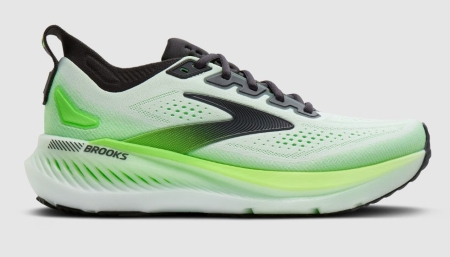
2. Brooks Glycerin GTS 23 — Best cushioned support shoe
| My decision point | What I found |
|---|---|
| Best use | Daily mileage when a soft ride and guided platform work better together |
| Women’s specs | 9.8 oz/277.8 g; 8 mm drop; structured support; standard and wide |
I choose the Glycerin GTS 23 when a runner wants plush cushioning but feels more settled with guidance around the heel and knee path. I logged 220 miles in the men’s version of this model; the women’s 9.8-ounce build, 8 mm drop, and available widths are the specifications I use for this ranking.
Brooks’ GuideRails do not feel like an old medial post. They frame excess movement without forcing every stride onto a hard wedge. That makes the shoe useful for runners who fatigue into motion but dislike a rigid stability shoe. The trade-off is mass: it feels substantial beside the Ride 19 or Arahi 8.
The upper is accommodating, yet I do not interpret a soft upper as unlimited volume. I check heel lock, midfoot pressure, and whether the little toe sits on the edge of the platform. Wide is the better answer when width—not length—is the constraint.
I choose Glycerin GTS 23 for easy mileage, long runs, and runners who want quiet support. I skip it when the runner is stable in neutral shoes, wants a light uptempo feel, or dislikes a deeply cushioned platform.
- Plush ride with unobtrusive guidance.
- Secure heel and broad width availability.
- Heavier than the neutral daily trainers here.
- Support is useful only when it improves comfort and control.
I unpack this support system in my Glycerin GTS review. For alternatives with different guidance strategies, see my best stability running shoes.
3. Saucony Ride 19 — Best running shoe for beginners

| My decision point | What I found |
|---|---|
| Best use | A simple daily trainer for easy runs, steady runs, and first training plans |
| Women’s specs | 7.7 oz/220 g; 8 mm drop; neutral; standard and wide |
I rank the Ride 19 as the beginner pick because it does not ask a new runner to adapt to an extreme rocker, towering stack, carbon plate, or aggressive guidance system. I have 110 miles in the corresponding men’s model, and I use the women’s 7.7-ounce build and verified 36/28 mm geometry for this comparison.
PWRRUN+ gives the shoe more energy than a basic entry-level trainer, yet the ride stays predictable at easy and steady paces. The 8 mm drop sits in a versatile middle ground. It is light enough for short pickups and durable enough to be the only running shoe in a first rotation.
The fit is conventional and offered in Wide, but I still make a beginner run in both sizes around her normal shoe size. New runners often buy too precisely against a standing measurement and forget that the foot spreads and moves forward during a run.
I choose Ride 19 for first 5Ks, run-walk plans, and runners who want one uncomplicated daily shoe. I skip it when maximum softness, structured stability, or a specialized race ride is the priority.
- Simple, versatile geometry for learning what you like.
- Lower weight than most cushioned daily trainers.
- Wide option broadens the fit range.
- Not as protective as Nimbus or Bondi for runners who demand maximal cushion.
I pair it with my beginner running-shoe guide and use the run-walk method when continuous running is not yet the right starting load.
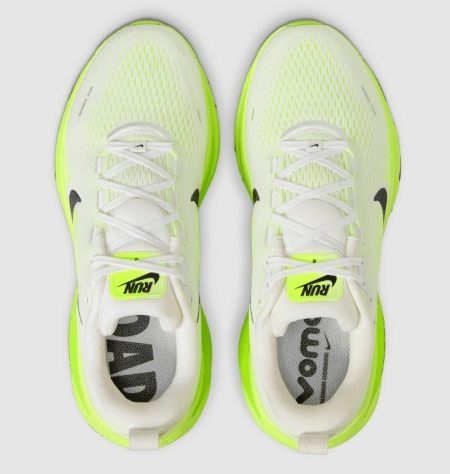
4. Nike Vomero 18 — Best max-cushion value
| My decision point | What I found |
|---|---|
| Best use | Long easy runs and recovery mileage with a tall, protective ride |
| Women’s specs | 9.3 oz/263 g; 10 mm drop; neutral; regular and wide |
I rank the Vomero 18 as the max-cushion value because Nike combines ZoomX over ReactX in a 46/36 mm platform without charging super-shoe money. I put 175 miles into the men’s version. My sample needed a half size up, so I treat try-on and return flexibility as part of the purchase—not an afterthought.
The tall stack and 10 mm drop create a protected, rolling ride. ZoomX softens the landing while ReactX provides a more stable foundation. I like that division of labor on easy and long runs, but the shoe can feel like too much platform for a runner who prefers direct ground feedback.
Women can choose regular or wide. I test the forefoot on inclines because the foot can slide forward in a tall, rockered shoe even when standing fit looks correct. Heel security and lace pressure should remain quiet after the upper warms up.
I choose Vomero 18 for runners who want substantial cushioning at a sensible relative price. I skip it for lateral gym work, very quick cadence drills, or runners who feel unstable on tall soft shoes.
- High protection for easy and long mileage.
- ZoomX and ReactX balance softness with structure.
- Ten-millimeter drop can feel abrupt after low-drop shoes.
- Sizing deserves a real run test.
My Nike Vomero review covers its strengths and compromises. If your priority is absorbing easy mileage, compare my recovery running-shoe picks.
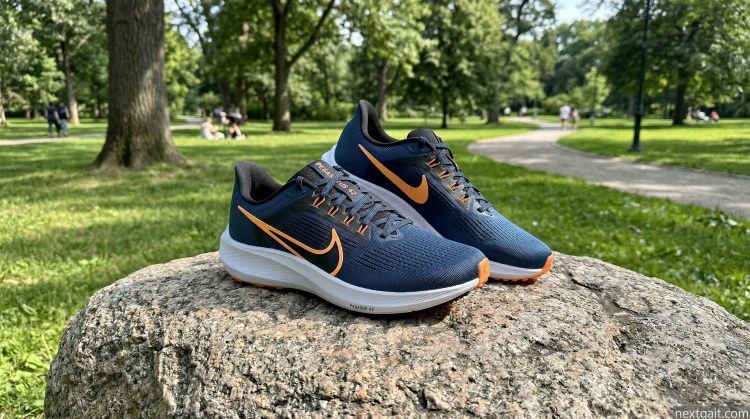
5. Nike Pegasus 42 — Best one-shoe rotation
| My decision point | What I found |
|---|---|
| Best use | Daily training, strides, travel, and runners who want one familiar shoe |
| Women’s specs | 8.6 oz/243 g; 10 mm drop; neutral; regular and wide |
I choose the Pegasus 42 for a one-shoe rotation because it can handle ordinary mileage, strides, travel, and occasional faster work without specializing so hard that it becomes awkward elsewhere. I have 145 miles in the men’s model and needed a half size up. The women’s version is listed at 8.6 ounces with a 10 mm drop.
ReactX foam and full-length Air Zoom produce a firmer, more traditional response than Nimbus or Vomero. The 42 widens the front of the platform compared with the 41, which improves stability, but it remains a Pegasus: reliable and controlled rather than plush or dramatic.
Regular and wide versions are available. Nike length and toe taper can still catch runners who simply assume their casual Nike size will transfer. I check space at the longest toe, then use width rather than extra length to solve side pressure.
I choose Pegasus 42 for a runner who wants one durable, familiar tool. I skip it when the runner wants genuinely soft cushioning, structured support, or a plated workout experience.
- Versatile across more paces than most max-cushion shoes.
- Stable forefoot geometry and familiar 10 mm drop.
- Ride can feel firm beside modern soft trainers.
- Fit needs checking instead of brand-size assumptions.
Read my Nike Pegasus review for the deeper comparison. I include other flexible rotation options in my best daily trainers.
6. ASICS Gel-Kayano 32 — Best tested stability value

| My decision point | What I found |
|---|---|
| Best use | Stable daily miles when the previous generation is meaningfully discounted |
| Women’s specs | About 9.2 oz/260 g; 8 mm drop; 4D Guidance; narrow, standard, and wide |
I keep the Gel-Kayano 32 because it remains an excellent tested stability shoe when discounted. I logged 280 miles in the men’s version. Since the Kayano 33 is now the current generation, I would not pay full current-model money for the 32 without comparing both first.
The 4D Guidance System supports through geometry and deformation rather than a blunt post. That produces a smoother result for runners who benefit from guidance late in a run. The 8 mm drop, broad base, and substantial cushioning make it a durable daily and long-run choice, not a fast-day shoe.
Women get narrow, standard, and wide choices, which is more useful than one vague ‘roomy’ claim. I match the version to forefoot width and instep volume, then confirm that the arch shape does not press upward when the foot is warm.
I choose Kayano 32 when it fits well and costs meaningfully less than the current generation. I skip it at near-full price, for neutral runners who do not benefit from guidance, or for anyone seeking a light workout shoe.
- Smooth, modern stability instead of a hard medial post.
- Multiple women’s widths improve fit precision.
- Proven high-mileage daily role.
- A previous-generation shoe should come with previous-generation pricing.
My Gel-Kayano review explains the platform. I decide whether support belongs in the conversation before comparing the discount with a current model.
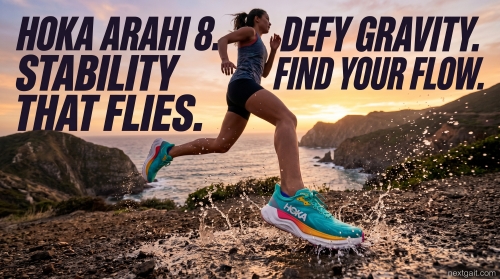
7. HOKA Arahi 8 — Best lightweight stability shoe
| My decision point | What I found |
|---|---|
| Best use | Guided daily training without the mass or density of a traditional stability shoe |
| Women’s specs | 7.7 oz; 8 mm drop; H-Frame guidance; standard and wide |
I rank the Arahi 8 as the lightweight stability option because it gives guidance without feeling like a heavy motion-control shoe. I ran 165 miles in the men’s version; for the women’s model I use the 7.7-ounce listed weight, 8 mm drop, and standard/wide availability.
HOKA’s H-Frame cradles the foot through the platform rather than posting only the medial side. The result feels lighter and less intrusive than the Glycerin GTS or Kayano. That lighter build also means it does not have the deep, soft reserve of those shoes on very long easy days.
I pay close attention to HOKA’s rocker placement and midfoot shape. A shoe can have enough toe width and still feel wrong if the arch contour or transition point fights the runner’s foot. Ten minutes on a treadmill is more informative than squeezing the upper by hand.
I choose Arahi 8 for guided daily miles, moderate-distance long runs, and runners who dislike heavy stability shoes. I skip it when maximum softness, a very flexible forefoot, or a high-volume fit is essential.
- Low weight for a guided daily trainer.
- H-Frame feels less corrective than classic posting.
- Rocker and arch shape are fit-sensitive.
- Less plush than the heavier support options.
I compare its lighter guidance with the heavier stability options above. Runners with high, rigid arches may also use my supination shoe guide as a different decision path.
8. HOKA Bondi 9 — Best for recovery runs and walking

| My decision point | What I found |
|---|---|
| Best use | Slow running, run-walk sessions, standing, and high-comfort walking |
| Women’s specs | 9.3 oz; 5 mm drop; neutral broad platform; standard and wide |
I choose the Bondi 9 for recovery runs and walking because it values comfort, a broad base, and a smooth rocker more than speed. I logged 310 miles in the men’s model. The women’s version is listed around 9.3 ounces with a 5 mm drop and standard/wide options.
Supercritical EVA makes this Bondi livelier than older versions, but it remains a large shoe. The broad geometry makes the height feel more controlled, and the rocker reduces how much the forefoot must bend. Those traits can be useful; they are not medical treatment and they will not suit every gait.
The lower 5 mm drop deserves a transition if the runner has lived in 10–12 mm shoes. I introduce it on short easy runs rather than making the first outing a long run. Wide addresses side-to-side space, while the upper and rocker still decide volume and motion compatibility.
I choose Bondi 9 for slow miles, walking-heavy days, and run-walk sessions. I skip it for speedwork, sharp cornering, or runners who want a flexible, low-profile shoe.
- Broad, predictable max-cushion platform.
- Rocker works well for easy forward motion.
- Five-millimeter drop may require adaptation.
- Size and mass are noticeable at faster pace.
My HOKA Bondi review goes deeper. I choose the category only when its size, rocker, and slower-pace focus match the intended use.
9. Saucony Endorphin Speed 5 — Best for speedwork
| My decision point | What I found |
|---|---|
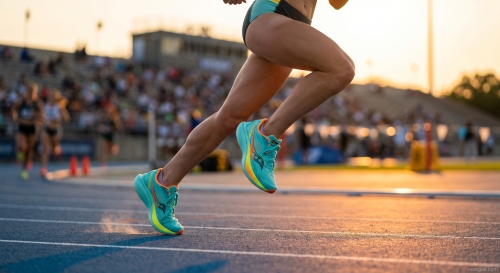
| Best use | Intervals, tempo runs, progression runs, and faster long-run segments |
| Women’s specs | 7.2 oz/204 g; 8 mm drop; nylon plate; standard and wide |
I rank the Endorphin Speed 5 as the speedwork winner because its semi-rigid nylon plate adds direction without the uncompromising stiffness of a carbon racer. I logged 230 miles in the men’s model and ran a 47:33 10K in it; that time describes my use, not a promise that the shoe caused the result.
PWRRUN PB is light and responsive, and the 36/28 mm geometry keeps enough cushioning underfoot for tempo runs and faster long-run segments. The rocker feels most natural when pace rises. At very slow pace, I would rather use Ride, Nimbus, or Bondi.
The women’s model weighs 7.2 ounces and comes in standard and wide. I check heel hold at faster pace and make sure the plate does not create forefoot pressure. A shoe that feels exciting for two minutes can become demanding after forty.
I choose Speed 5 for intervals, threshold work, and runners who want one fast trainer that can also cover a race. I skip it as a first shoe for a beginner or as the default for every easy day.
- Responsive foam and a more forgiving nylon plate.
- Wide option is unusual in the plated category.
- Versatile from workouts to non-elite racing.
- Best as part of a rotation, not the entire rotation.
I compare its role with other options in my speedwork shoe guide. I use my interval training guide to decide when that faster shoe actually belongs on the calendar.
10. Nike Alphafly 3 — Best half-marathon and marathon racer
| My decision point | What I found |
|---|---|
| Best use | Goal half marathons and marathons after a successful race-pace test |
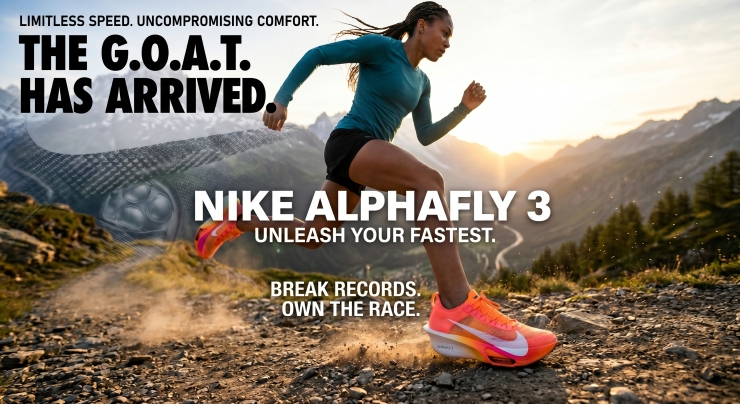
| Women’s specs | 6.1 oz/174 g; 8 mm drop; carbon plate and Air Zoom; standard width |
I rank the Alphafly 3 as the race-day pick because its carbon Flyplate, ZoomX foam, and Air Zoom units create the most aggressive forward system in this list. I put 95 miles into the men’s model and recorded a 22:55 5K in it. Again, that is context for how I used the shoe—not proof of a performance gain for another runner.
At 6.1 ounces in the women’s version, it delivers remarkable cushioning for its mass. The system works best at committed race pace and on a runner who stays comfortable over the plate and pods. It is expensive, specialized, and less forgiving of a mismatch than an ordinary trainer.
Nike says this model runs small and recommends going up half a size. It is standard width only. I test it with race socks, at race pace, on tired legs, and around corners before putting it into a goal half marathon or marathon.
I choose Alphafly 3 only after the runner has a dependable daily trainer and has proved the shoe in a race-specific long session. I skip it for daily mileage, wide feet that distort the upper, or anyone who has not adapted to plated racing shoes.
- Highest race-specific propulsion in this list.
- Very low weight for the amount of cushioning.
- Runs small and offers no wide version.
- Price and specialization make it a poor first running shoe.
I compare race roles in my marathon shoe guide. Before buying a racer, I make sure the ordinary training shoe is already right.
How I Tested and Verified These Shoes
I do not turn one jog into a ranking. I use a repeatable sequence that separates what I felt in the shoe from what belongs to the exact women’s product listing. That distinction matters because weight, last, width inventory, and sometimes tuning can differ by gendered version even when the model name is shared.
1. I verify the exact women’s model first
I match the model number, generation, women’s weight, drop, listed stack where available, support category, widths, foam, plate, and outsole. If a retailer mixes generations or uses a men’s image, I do not use that listing to define the shoe.
2. I establish fit before judging ride
I fit both feet late in the day with running socks. I check toe length, forefoot width, little-toe position, instep pressure, heel hold, and whether the foot sits completely on the platform. I use width to solve width; I do not add excessive length just to escape side pressure.
3. I use an easy run as the baseline
The first run tells me whether the shoe disappears at natural pace. I listen for heel movement, lace pressure, arch contact, unstable landings, and a transition that asks me to alter my stride. A shoe must pass this simple job before a fast ride can impress me.
4. I test the shoe after fatigue arrives
On longer efforts I watch how the platform behaves when cadence falls and landing control becomes less precise. Cushioning that feels luxurious for twenty minutes can feel vague later; guidance that is invisible early can become helpful—or intrusive—when tired.
5. I test the pace role honestly
Daily trainers get strides and steady running, not artificial sprint praise. Workout shoes get intervals, tempo work, and pace changes. Race shoes get sustained goal pace. I rank a shoe for the pace where its geometry works naturally rather than claiming every model does everything.
6. I evaluate stability without diagnosing the runner
I check platform width, sidewall shape, heel geometry, foam deformation, and guidance elements. I then ask whether the runner feels more comfortable and controlled. I do not prescribe support from arch height, outsole wear, or a video label alone.
7. I repeat on ordinary surfaces
I use dry pavement, damp pavement when conditions allow, corners, mild hills, and a treadmill where useful. A road shoe should not need a perfect straight dry route to feel trustworthy. Treadmill-only behavior does not automatically predict outdoor feel; my treadmill versus outdoor guide explains why.
8. I track wear instead of guessing durability
I record mileage and inspect the outsole, exposed foam, midsole creasing, heel counter, upper, and any change in ride. My sample is evidence about that sample, not a guarantee for every body and surface. I use the warning signs in my shoe replacement guide.
9. I separate my ride test from women’s fit verification
Where I ran the same-numbered men’s model, I say so. I do not convert its weight or fit into a women’s claim. I verify the women’s specifications independently and base fit advice on the offered women’s sizes, widths, geometry, and the runner’s in-shoe test.
10. I assign one primary job
My final question is simple: what does this shoe do better than the alternatives? If I cannot answer that in one line, it does not deserve a confident award. That rule keeps the list useful instead of filling it with ten versions of the same recommendation.
- Verify the exact women’s generation and width.
- Fit both feet before evaluating foam.
- Establish the easy-run baseline.
- Recheck control under fatigue.
- Test only the pace role the shoe claims.
- Evaluate stability without diagnosing.
- Use real road conditions and corners.
- Track mileage and wear.
- Separate men’s ride experience from women’s specs.
- Give every shoe one clear primary job.
My evidence rule: I can report how the same model rode under my feet, but I label the version I ran. Women’s specifications and fit are checked on the exact women’s model. A product claim, lab number, or my mileage never overrides your in-shoe comfort and control.
How to Choose Women’s Running Shoes Without Guessing
I reduce the decision to fit, job, and adaptation. Cushioning labels and pronation categories are secondary. The goal is not to find a shoe that looks correct on paper; it is to find the simplest shoe that remains comfortable and predictable for the running you actually do.
1. I define the primary run
I choose easy daily mileage first for most runners. Nimbus, Ride, Pegasus, or Vomero cover that job. I add guidance only when Glycerin GTS, Kayano, or Arahi feels better in motion. I add Speed or Alphafly only when workouts or racing already exist in the plan.
2. I fit the larger foot late in the day
I use the planned sock, loosen the laces fully, stand, jog, and check the larger foot. I want toe clearance without heel movement and forefoot space without sloppy lateral travel. Brand size is a starting point, not the verdict.
3. I solve width before adding length
If the forefoot spills over the platform or the upper presses the little toe, I try Wide. Extra length can create heel slip and downhill impact while leaving the actual width problem unsolved. For bunion-sensitive fit decisions, I use my running shoes for bunions guide.
4. I check volume, not only width
A broad outsole does not guarantee a high instep, and a soft upper does not guarantee heel security. I check lace-gap shape, tongue pressure, arch contour, and whether an orthotic or thicker sock changes the fit. I reject numbness, hot spots, and pressure that is supposed to ‘break in.’
5. I choose neutral or guidance by outcome
I compare comfort, control, and the next-day response in motion. Pronation is normal, and more support is not automatically safer. I choose the least intrusive platform that lets the runner move comfortably through the intended duration.
6. I respect drop changes
Moving from 10 mm to 5 mm changes the experience even when both shoes feel soft. I introduce the new pair on short easy runs and keep the proven shoe available. My heel-drop guide explains the trade-offs without declaring one number best.
7. I separate softness from protection
Softness is a sensation; protection is the complete result of stack, geometry, platform control, fit, and how the runner loads the shoe. I do not keep a shoe that bottoms out, wobbles, or makes the runner brace simply because the first step felt plush.
8. I earn aggressive rockers and plates
A rocker or plate can make forward motion feel efficient, but it can also place pressure in a new location. I introduce Speed 5 or Alphafly 3 gradually and test the exact race pace. A super shoe is the final layer of a training system, not a substitute for one.
9. I test under running load
Walking around a store is a screen, not the full test. I jog, corner, climb, descend, and run long enough for the upper to warm and the foot to spread. I note how the shoe feels during the run, later that day, and the next morning.
10. I buy the return option with the shoe
An unfamiliar last, plated geometry, or width deserves a usable return policy. I confirm whether indoor or outdoor testing is allowed, keep the box, and avoid final-sale experiments. A modest discount is not value if the shoe cannot be returned and does not fit.
- Name the primary run.
- Fit the larger foot late in the day.
- Use width instead of unnecessary length.
- Check instep and heel volume.
- Choose support by comfort and control.
- Transition when drop changes.
- Judge cushioning as a complete platform.
- Test rockers and plates at their intended pace.
- Run, corner, and recheck the next day.
- Confirm return conditions before buying.
My buying rule: I keep the shoe that fits without negotiation, feels predictable at the intended pace, and causes no worsening response during or after the run. I do not keep a shoe because its award, price, pronation label, or technology says I should like it.
Frequently Asked Questions
What are the best running shoes for women overall?
I rank the ASICS Gel-Nimbus 28 first for the widest useful combination of cushioning, a stable neutral platform, width choice, and long-run comfort. I choose Glycerin GTS 23 when guided support improves the ride and Ride 19 when simplicity, lower weight, and value matter more.
Are women’s running shoes actually different from men’s?
Often, yes. The same model can use different weight targets, lasts, heel geometry, size scaling, and sometimes tuning. I compare the exact women’s SKU and width rather than shrinking conclusions from a men’s sample. The best test is still the individual runner’s foot in the exact shoe.
How should women’s running shoes fit?
I leave roughly a thumb’s width ahead of the longest toe, hold the heel without slipping, and avoid pressure across the ball of the foot or instep. I fit the larger foot late in the day using the socks and any insole planned for running.
Should I size up in running shoes?
Many runners finish about a half size above casual shoes, but I do not use that as a universal rule. Brand length, foot shape, sock thickness, swelling, and downhill running all change the answer. I buy the size that passes a running test, not the number I expected.
What is the best women’s running shoe for beginners?
My first choice here is the Saucony Ride 19 because its neutral geometry, moderate 8 mm drop, low weight, and wide option avoid unnecessary extremes. A beginner who prefers more cushion can start with Nimbus 28, while a runner who clearly feels better with guidance can compare Glycerin GTS 23.
What is the best running shoe for women who overpronate?
I do not prescribe a shoe from pronation alone. If guidance improves comfort and control, I compare Glycerin GTS 23, Kayano 32, and Arahi 8. Pain, weakness, training load, and fit matter more than a wear pattern or a quick visual label.
What is the best women’s running shoe for wide feet?
Nimbus 28, Glycerin GTS 23, Ride 19, Vomero 18, Pegasus 42, Kayano 32, Arahi 8, Bondi 9, and Speed 5 all offer a women’s wide option in at least some markets. Width inventory changes by color and retailer, so I verify the exact SKU instead of assuming every listing is wide.
Do I need different shoes for easy runs and speedwork?
Not at first. Ride 19 or Pegasus 42 can cover a simple one-shoe rotation. When faster training becomes consistent, I add a shoe such as Endorphin Speed 5 because it makes the workout role clearer while preserving the daily trainer for easy mileage.
Are carbon-plated running shoes good for everyday training?
I do not use Alphafly 3 as an everyday shoe. Its geometry, price, and stiffness are designed for race-specific running. I reserve it for key sessions and racing after it passes a full fit and fatigue test.
How many pairs of running shoes does a woman need?
One well-fitted daily trainer is enough to start. I add a second shoe only when it solves a distinct job: a faster workout shoe, a race shoe, or a different trail surface. Rotation is useful when each pair has a clear purpose, not because a runner is told to collect shoes.
How long do women’s running shoes last?
I often see daily trainers remain useful around 300–500 miles, but I replace by evidence: compressed or uneven foam, exposed outsole, new instability, upper failure, or a repeatable change in comfort. Body mass, gait, surface, and rotation can shorten or extend that range.
Does heel-to-toe drop matter for women?
Drop changes how the shoe distributes motion and load; it is not a quality score. I transition gradually when moving several millimeters, especially toward a lower drop. Comfort during and after the run matters more than chasing a theoretically ideal number.
Can I use running shoes for walking?
Yes. Bondi 9, Nimbus 28, Vomero 18, and Glycerin GTS 23 are particularly comfortable for running-plus-walking use. I still fit the shoe for the activity done most and avoid using a tall soft road shoe for lateral gym movements.
When should I replace running shoes because of pain?
I do not assume the shoe is the cause. I compare the same route and effort in another proven pair, inspect wear, reduce the aggravating load, and look for pain that changes gait or worsens. Persistent, focal, night, or escalating pain deserves evaluation by a qualified clinician.
Can the wrong running shoe cause black toenails or blisters?
A short shoe, narrow toe box, heel slip, wet socks, and downhill braking can all contribute. I fix length, width, lacing, socks, and training exposure before blaming cushioning. Toenail pressure is a fit failure, not a normal break-in phase.
Should I buy running shoes online?
I will buy online when the retailer clearly identifies the exact women’s model and width, offers a workable return window, and I can test indoors or as permitted. I avoid final-sale experiments when I do not already know the model’s fit.