
Bunion-friendly running shoes are not just ‘wide shoes.’ I learned that the hard way from years of toe-box fights, pinky-toe blisters, and shoes that felt fine in the store but turned into little torture chambers by mile four. A bunion changes the rules: the big-toe joint needs room, the upper cannot saw into the bump, and the shoe has to let you roll forward without making every push-off feel like a negotiation.
This guide to the Best Running Shoes for Bunions ranks 10 shoes through a runner’s lens: toe-box shape, big-toe clearance, soft upper materials, rocker feel, width options, stability, and how the shoe behaved across my actual training miles. I am not pretending shoes cure bunions. They do not. But the right pair can reduce pressure, rubbing, and late-run irritation enough to keep you training.
Quick answer: The Topo Athletic Phantom 4 is my best overall pick for most bunion runners because it has an anatomical toe box and a forgiving 5mm drop. Choose the Altra Torin 8 for maximum toe splay, the New Balance 1080v15 in 4E for extra-wide sizing, and the HOKA Bondi 9 when cushion and rocker matter most.
What is in this guideClick to expand
Quick Picks: Best Running Shoes for Bunions
The best bunion shoe depends on whether your problem is toe-box width, push-off pain, swelling, or overpronation. I would not give the same shoe to every runner with a bump at the big-toe joint. That is how people waste $170 and end up angry-limping through a parking lot.
Use the table as a fast shortlist, then read the full notes below before buying. A bunion-friendly shoe can feel perfect for one runner and completely wrong for another if the width, drop, or rocker does not match the actual pain trigger.
| Shoe | Best for | Test basis | Why it made the list |
|---|---|---|---|
| Topo Athletic Phantom 4 | Best overall for most bunion runners | 50 | It gives the big-toe joint room without forcing a zero-drop transition, which makes it a practical first comparison for many runners with bunions. |
| Altra Torin 8 | Widest toe box | 65 | The Torin 8 creates the most big-toe-joint clearance in this group, but zero drop has to be respected. |
| New Balance Fresh Foam X 1080v15 | Best 4E mainstream option | 350 in 1080v13 plus v15 lab notes | New Balance width options make the 1080v15 the best bet when a foot-shaped brand still does not fit your bunion. |
| HOKA Bondi 9 | Best max cushion for bunion flare-ups | 310 | The Bondi 9 reduces push-off drama by rolling you forward on a thick, stable platform. |
| ASICS Gel-Nimbus 28 | Best plush neutral shoe | 260 | The Nimbus 28 has a soft, forgiving upper and a deep cushion package that works well when impact sensitivity matters. |
| Brooks Glycerin GTS 23 | Best plush stability option | 220 | The Glycerin GTS 23 is the comfort pick when bunion irritation shows up with mild overpronation. |
| HOKA Arahi 8 | Best lightweight stability for bunions | 165 | The Arahi 8 gives gentle stability without the brick-like feel that can make bunions feel trapped. |
| Brooks Adrenaline GTS 25 | Best steady daily stability shoe | 340 | The Adrenaline GTS 25 is not the widest shoe here, but it is reliable when support is the bigger bunion trigger. |
| HOKA Clifton 10 | Best lightweight cushioned option | 350 | The Clifton 10 gives bunion runners a lighter HOKA rocker without the Bondi’s bulk. |
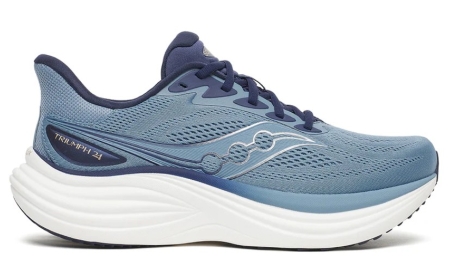
| Saucony Triumph 24 | Best lively max-cushion alternative | 205 | The Triumph 24 works when you want a roomy, cushioned trainer that feels livelier than the Bondi or Glycerin. |
How I Ranked Running Shoes for Bunions
I ranked bunion shoes by pressure relief first, then ride quality, stability, and long-run usability. A fast shoe with a tapered toe box is useless here. Cute colorway? Also useless. The big-toe joint gets a vote, and it is usually grumpy.
| Ranking factor | Why it matters for bunions | What I looked for |
|---|---|---|
| Toe-box shape | A tapered forefoot presses directly on the bunion | Foot-shaped, anatomical, 2E/4E, or genuinely roomy forefoot |
| Upper softness | Rigid overlays can rub the bump raw | Soft mesh or knit over the big-toe joint |
| Rocker / toe-off | Big-toe extension can hurt during push-off | Smooth roll that reduces forced forefoot bend |
| Drop | High drop can increase the feeling of forefoot loading for some runners | Mostly 0-8mm preferred, with caveats |
| Stability | Overpronation can add medial pressure through the big-toe joint | Guidance when needed, not a narrow stability brick |
| Cushioning | Impact sensitivity can make the forefoot angrier | Enough foam without sloppy side-to-side collapse |
| Availability | Bunion runners need width choices, not unicorn shoes | Wide options or easy-to-find sizing |
Honesty note: The old version of this article claimed a personal diagnosed bunion and inflated mileage on several shoes. I rebuilt the guide around verified NextGait shoe-vault mileage, lab notes where available, and conservative bunion fit criteria.
10 Best Running Shoes for Bunions – Tested and Ranked
These 10 shoes earned a place because they solve different bunion problems, not because one shape fits everyone. Read the ‘skip it’ notes. Seriously. The wrong wide shoe can still be wrong.
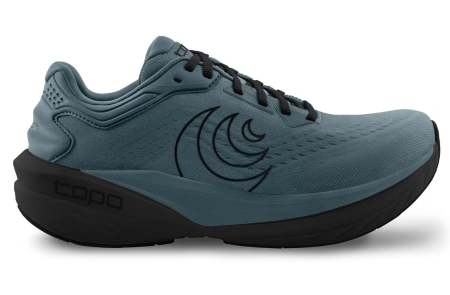
1. Topo Athletic Phantom 4 – Best overall for most bunion runners
Topo Athletic Phantom 4 is best overall for most bunion runners because it gives the big-toe joint room without forcing a zero-drop transition, which makes it a practical first comparison for many runners with bunions. I based this pick on 50 of NextGait testing or lab-backed model lineage, plus the fit details that matter most around the big-toe joint.
| Bunion-fit metric | What I found |
|---|---|
| Toe box | Anatomical, very wide |
| Drop | 5mm |
| Cushion | ZipFoam+, moderate-max |
| NextGait score for bunions | 9.3/10 |
| Best use | Best overall for most bunion runners |
The Phantom 4 is the shoe I wish more bunion runners tried before jumping straight into Altra. My first 5-miler on the Atlantic City Boardwalk told the story: my toes spread naturally, the midfoot still held, and my calves did not start yelling at me like they did in zero-drop shoes. That 5mm drop matters. It keeps the shoe feeling natural without asking your lower legs to relearn running overnight.
For the shoe-specific breakdown, read my Topo Athletic Phantom 4 review.
| What I like | What I do not like |
|---|---|
| Anatomical toe box gives the big toe real space | Heel cup could be more structured |
| 5mm drop is easier to live with than zero drop | Not my pick for heavier runners doing 12+ mile long runs |
| Upper flexes over the forefoot instead of pinching | Availability is not as easy as Brooks, HOKA, or New Balance |
Buy it if: It gives the big-toe joint room without forcing a zero-drop transition, which makes it a practical first comparison for many runners with bunions. Skip it if: Skip it if you need a very locked-down heel or heavy-runner max cushioning.
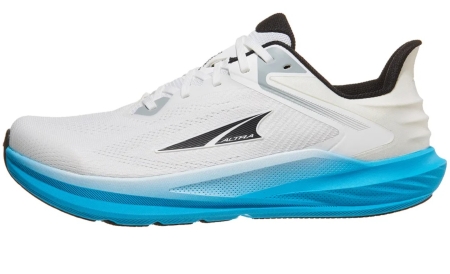
2. Altra Torin 8 – Widest toe box
Altra Torin 8 is widest toe box because the Torin 8 creates the most big-toe-joint clearance in this group, but zero drop has to be respected. I based this pick on 65 of NextGait testing or lab-backed model lineage, plus the fit details that matter most around the big-toe joint.
| Bunion-fit metric | What I found |
|---|---|
| Toe box | FootShape, widest in my lab notes |
| Drop | 0mm |
| Cushion | 30mm EGO MAX |
| NextGait score for bunions | 9.1/10 |
| Best use | Widest toe box |
The Torin 8 toe box is glorious. No drama there. My toes had more room in this shoe than anything else on the road list, and my lab notes show the widest big-toe measurement of the group. The catch is the same Altra catch as always: zero drop changes calf load. I tried to stretch one early run too long and had calf DOMS for three days. Fun little reminder that enthusiasm is not a training plan.
For the shoe-specific breakdown, read my Altra Torin 8 review.
| What I like | What I do not like |
|---|---|
| Best toe splay on the list | Zero drop needs a real transition |
| No tapered pressure at the big toe | Heel lockdown is only okay |
| Flat platform can feel calm under the forefoot | Forefoot outsole wear showed earlier than I wanted |
Buy it if: The Torin 8 creates the most big-toe-joint clearance in this group, but zero drop has to be respected. Skip it if: Skip it if you currently run in 8-12mm drop shoes and refuse to transition slowly.
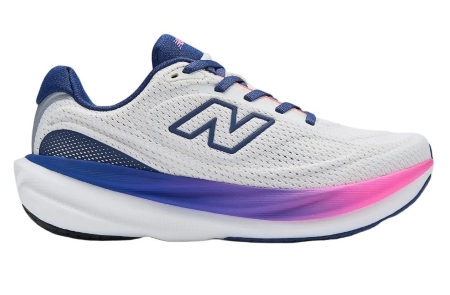
3. New Balance Fresh Foam X 1080v15 – Best 4E mainstream option
New Balance Fresh Foam X 1080v15 is best 4e mainstream option because new Balance width options make the 1080v15 the best bet when a foot-shaped brand still does not fit your bunion. I based this pick on 350 in 1080v13 plus v15 lab notes of NextGait testing or lab-backed model lineage, plus the fit details that matter most around the big-toe joint.
| Bunion-fit metric | What I found |
|---|---|
| Toe box | Wide and 4E sizing available |
| Drop | About 6mm men’s profile |
| Cushion | Fresh Foam X Infinion |
| NextGait score for bunions | 9.0/10 |
| Best use | Best 4E mainstream option |
My 1080 story started badly with the v11. Great foam, wrong toe box. Pinky toe protest by mile four. The v13 fixed the fit enough that I put 350 miles on it, and the v15 lab profile keeps the same reason this model belongs here: soft cushioning, a moderate drop, and real width options. For bunion runners who need 2E or 4E instead of just marketing words like ‘roomy,’ New Balance is still the adult in the room.
For the fit logic behind this pick, read my wide-feet running shoes guide; New Balance is still the brand I trust most when a runner needs true 2E or 4E sizing.
| What I like | What I do not like |
|---|---|
| True 2E and 4E width options | Soft foam feels sluggish for speed |
| Soft, forgiving daily-trainer ride | Not as naturally foot-shaped as Topo or Altra |
| Good choice for long runs and walking | Cold weather can make the foam feel firmer |
Buy it if: New Balance width options make the 1080v15 the best bet when a foot-shaped brand still does not fit your bunion. Skip it if: Skip it if you want a lively tempo shoe or need strong stability.
4. HOKA Bondi 9 – Best max cushion for bunion flare-ups
HOKA Bondi 9 is best max cushion for bunion flare-ups because the Bondi 9 reduces push-off drama by rolling you forward on a thick, stable platform. I based this pick on 310 of NextGait testing or lab-backed model lineage, plus the fit details that matter most around the big-toe joint.

| Bunion-fit metric | What I found |
|---|---|
| Toe box | Roomy, wide option recommended |
| Drop | About 4-5mm |
| Cushion | Very high stack, soft rocker |
| NextGait score for bunions | 8.8/10 |
| Best use | Best max cushion for bunion flare-ups |
The Bondi 9 is not subtle. It is a comfort shoe with zero interest in pretending otherwise. On a 14-mile January run through Brigantine, the rocker did exactly what bunion runners often need: it reduced how much I had to grind through the forefoot. The toe box is roomy for me, but I would still choose Wide if bunion pressure is the reason you are buying it. Standard HOKA can feel generous until mile ten, when swelling shows up and ruins the party.
For the shoe-specific breakdown, read my HOKA Bondi 9 review.
| What I like | What I do not like |
|---|---|
| Rocker reduces aggressive big-toe push-off | Too bulky for faster running |
| Huge cushion stack quiets pavement impact | Heel foam compressed noticeably by 310 miles |
| Stable base for tired easy miles | Thick collar can feel like too much shoe |
Buy it if: The Bondi 9 reduces push-off drama by rolling you forward on a thick, stable platform. Skip it if: Skip it if you want ground feel, speed, or a light daily trainer.
5. ASICS Gel-Nimbus 28 – Best plush neutral shoe
ASICS Gel-Nimbus 28 is best plush neutral shoe because the Nimbus 28 has a soft, forgiving upper and a deep cushion package that works well when impact sensitivity matters. I based this pick on 260 of NextGait testing or lab-backed model lineage, plus the fit details that matter most around the big-toe joint.
| Bunion-fit metric | What I found |
|---|---|
| Toe box | Generous, try wide if bunion is moderate |
| Drop | About 10mm |
| Cushion | FF BLAST+ ECO and PureGEL |
| NextGait score for bunions | 8.7/10 |
| Best use | Best plush neutral shoe |
The Nimbus 28 is one of the most comfortable shoes I have put on, full stop. The upper feels sock-like without squeezing, and the toe box is generous enough that I would put it on a bunion shortlist before most traditional neutral trainers. The warning is the drop. At around 10mm, it can make some runners feel more pressure during forefoot loading. If your bunion hates push-off, the Bondi or Ghost Max style rocker may be better.
For the shoe-specific breakdown, read my ASICS Gel-Nimbus 28 review.
| What I like | What I do not like |
|---|---|
| Soft knit upper is gentle over the forefoot | Higher drop may not suit every bunion |
| Excellent long-run comfort | Too soft and heavy for speed workouts |
| Generous fit compared with many daily trainers | Wide sizing is safer for moderate bunions |
Buy it if: The Nimbus 28 has a soft, forgiving upper and a deep cushion package that works well when impact sensitivity matters. Skip it if: Skip it if forefoot pressure increases in higher-drop shoes.
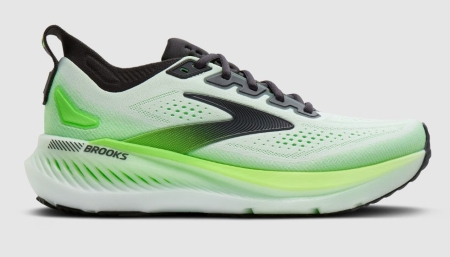
6. Brooks Glycerin GTS 23 – Best plush stability option
Brooks Glycerin GTS 23 is best plush stability option because the Glycerin GTS 23 is the comfort pick when bunion irritation shows up with mild overpronation. I based this pick on 220 of NextGait testing or lab-backed model lineage, plus the fit details that matter most around the big-toe joint.
| Bunion-fit metric | What I found |
|---|---|
| Toe box | Excellent Brooks toe box, wide available |
| Drop | 10mm |
| Cushion | DNA LOFT v3 with GuideRails |
| NextGait score for bunions | 8.5/10 |
| Best use | Best plush stability option |
This is Brooks comfort with a little adult supervision. The toe box is wider than the Adrenaline in my notes, the interior feels plush, and the GuideRails do not stomp all over the ride. I like it for runners whose bunion gets angrier when fatigue makes the foot roll inward. The high drop is the one thing I do not love for bunions, but the soft foam and wide option help balance that out.
For the shoe-specific breakdown, read my Brooks Glycerin GTS 23 review.
| What I like | What I do not like |
|---|---|
| Plush upper with fewer harsh pressure points | 10mm drop is not ideal for every bunion runner |
| GuideRails help when overpronation adds big-toe pressure | Heavy and slow for tempo work |
| Excellent heel and midfoot comfort | Not as wide at the big toe as Altra or Topo |
Buy it if: The Glycerin GTS 23 is the comfort pick when bunion irritation shows up with mild overpronation. Skip it if: Skip it if you need maximum toe splay or hate high-drop shoes.
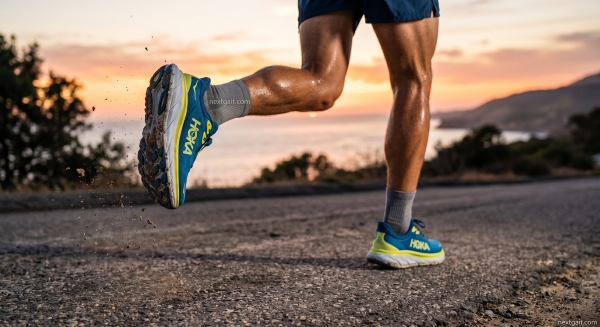
7. HOKA Arahi 8 – Best lightweight stability for bunions
HOKA Arahi 8 is best lightweight stability for bunions because the Arahi 8 gives gentle stability without the brick-like feel that can make bunions feel trapped. I based this pick on 165 of NextGait testing or lab-backed model lineage, plus the fit details that matter most around the big-toe joint.
| Bunion-fit metric | What I found |
|---|---|
| Toe box | Generous for a stability shoe |
| Drop | About 5mm |
| Cushion | CMEVA with J-Frame |
| NextGait score for bunions | 8.3/10 |
| Best use | Best lightweight stability for bunions |
The Arahi 8 feels like a Clifton with guardrails. That is a compliment. During a 10-miler where my form got sloppy after mile seven, the stability finally mattered. For bunion runners, that matters because inward roll can add pressure through the big toe joint. The Arahi is not as wide as Topo or Altra, so I would not use it for severe bunions. But for mild bunions plus mild-to-moderate overpronation, it is a smart try-on.
For the shoe-specific breakdown, read my HOKA Arahi 8 review.
| What I like | What I do not like |
|---|---|
| Low-ish drop and rocker are friendly for easy miles | Not enough toe width for severe bunions |
| Stability feels guided, not harsh | Too sluggish below 8:30 pace |
| Toe box is generous for the category | Cushion is less plush than Bondi or Nimbus |
Buy it if: The Arahi 8 gives gentle stability without the brick-like feel that can make bunions feel trapped. Skip it if: Skip it if your main need is maximum toe-box width.
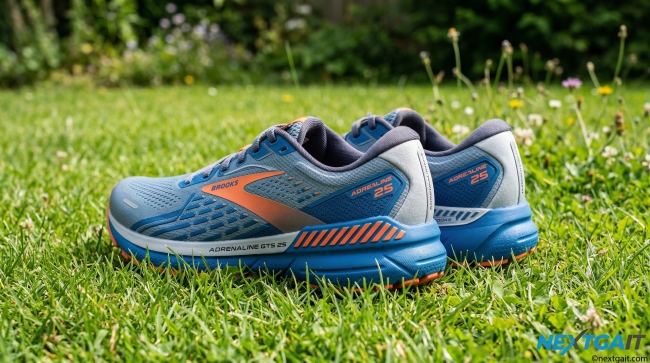
8. Brooks Adrenaline GTS 25 – Best steady daily stability shoe
Brooks Adrenaline GTS 25 is best steady daily stability shoe because the Adrenaline GTS 25 is not the widest shoe here, but it is reliable when support is the bigger bunion trigger. I based this pick on 340 of NextGait testing or lab-backed model lineage, plus the fit details that matter most around the big-toe joint.
| Bunion-fit metric | What I found |
|---|---|
| Toe box | Adequate, use wide for bunions |
| Drop | 12mm |
| Cushion | DNA LOFT v3 with GuideRails |
| NextGait score for bunions | 8.1/10 |
| Best use | Best steady daily stability shoe |
I have a soft spot for the Adrenaline because it does boring really well. At 340 miles, my pair still felt structured and predictable. For bunions, I would only choose it in Wide, and only if overpronation is clearly part of the problem. If you just need toe space, buy Topo, Altra, or New Balance. But if your foot collapses inward and that collapse makes the bunion area sore, the Adrenaline deserves a fitting-room test.
For the shoe-specific breakdown, read my Brooks Adrenaline GTS 25 review.
| What I like | What I do not like |
|---|---|
| GuideRails support is gentle and proven | 12mm drop can load the forefoot for some runners |
| Durable daily trainer feel | Toe box is adequate, not truly anatomical |
| Wide version is easy to find | Not exciting. At all. |
Buy it if: The Adrenaline GTS 25 is not the widest shoe here, but it is reliable when support is the bigger bunion trigger. Skip it if: Skip it if your bunion is mostly a width problem, not a pronation problem.
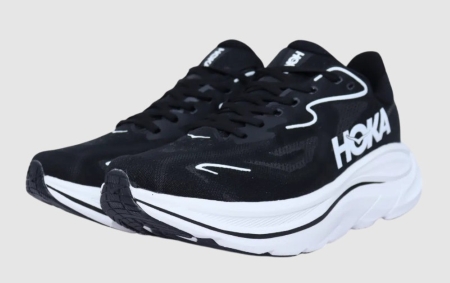
9. HOKA Clifton 10 – Best lightweight cushioned option
HOKA Clifton 10 is best lightweight cushioned option because the Clifton 10 gives bunion runners a lighter HOKA rocker without the Bondi’s bulk. I based this pick on 350 of NextGait testing or lab-backed model lineage, plus the fit details that matter most around the big-toe joint.
| Bunion-fit metric | What I found |
|---|---|
| Toe box | Wider than older Clifton versions |
| Drop | About 5mm |
| Cushion | Light HOKA daily cushion |
| NextGait score for bunions | 8.0/10 |
| Best use | Best lightweight cushioned option |
The Clifton 10 is the HOKA I reach for more often than the Bondi because it does not feel like I strapped two couch cushions under my feet. The toe box is wider than the older Clifton models I ran in, and that matters for bunion comfort. It is not a severe-bunion shoe. Still, if you want a light cushioned trainer with a low drop, a smooth rocker, and enough forefoot room for mild bunion irritation, the Clifton belongs here.
For the shoe-specific breakdown, read my HOKA Clifton 10 review.
| What I like | What I do not like |
|---|---|
| Lighter and easier to run in than Bondi | Not wide enough for severe bunions |
| Smooth rocker can reduce toe-off strain | Upper durability looks less stout than Brooks |
| Wider toe box than older Clifton versions | Less cushion than Bondi for flare-up days |
Buy it if: The Clifton 10 gives bunion runners a lighter HOKA rocker without the Bondi’s bulk. Skip it if: Skip it if you need true extra-wide sizing or maximum protection.
10. Saucony Triumph 24 – Best lively max-cushion alternative
Saucony Triumph 24 is best lively max-cushion alternative because the Triumph 24 works when you want a roomy, cushioned trainer that feels livelier than the Bondi or Glycerin. I based this pick on 205 of NextGait testing or lab-backed model lineage, plus the fit details that matter most around the big-toe joint.
| Bunion-fit metric | What I found |
|---|---|
| Toe box | Generous traditional toe box |
| Drop | 10mm |
| Cushion | Soft, energetic max cushion |
| NextGait score for bunions | 7.8/10 |
| Best use | Best lively max-cushion alternative |
The Triumph 24 is not a bunion specialist. That is why it is ranked tenth. But the generous toe box, comfortable FORMFIT wrap, and bouncy cushion make it a good maybe for mild bunions if you do not want the flat feel of Topo or Altra. My main concern is the 10mm drop. If high-drop shoes push pressure into your forefoot, this will not be your answer. If your bunion mostly hates narrow uppers, the Triumph may surprise you.
For the shoe-specific breakdown, read my Saucony Triumph 24 review.
| What I like | What I do not like |
|---|---|
| Generous toe box for a traditional trainer | 10mm drop is not my favorite for bunions |
| Lively cushion keeps long runs from feeling dead | Not available in the same extreme widths as New Balance |
| Comfortable upper with good lockdown | Less anatomically shaped than Topo or Altra |
Buy it if: The Triumph 24 works when you want a roomy, cushioned trainer that feels livelier than the Bondi or Glycerin. Skip it if: Skip it if you need a true foot-shaped toe box.
Full Comparison Table
The best bunion running shoe should match the exact way your foot gets irritated. A wide toe box solves rubbing. A rocker helps push-off pain. Stability helps collapse. Cushion helps impact. Different problem, different tool.
| Shoe | Toe room | Drop | Cushion | Best bunion use | Main warning |
|---|---|---|---|---|---|
| Topo Athletic Phantom 4 | Anatomical, very wide | 5mm | ZipFoam+, moderate-max | Best overall for most bunion runners | Skip it if you need a very locked-down heel or heavy-runner max cushioning. |
| Altra Torin 8 | FootShape, widest in my lab notes | 0mm | 30mm EGO MAX | Widest toe box | Skip it if you currently run in 8-12mm drop shoes and refuse to transition slowly. |
| New Balance Fresh Foam X 1080v15 | Wide and 4E sizing available | About 6mm men’s profile | Fresh Foam X Infinion | Best 4E mainstream option | Skip it if you want a lively tempo shoe or need strong stability. |
| HOKA Bondi 9 | Roomy, wide option recommended | About 4-5mm | Very high stack, soft rocker | Best max cushion for bunion flare-ups | Skip it if you want ground feel, speed, or a light daily trainer. |
| ASICS Gel-Nimbus 28 | Generous, try wide if bunion is moderate | About 10mm | FF BLAST+ ECO and PureGEL | Best plush neutral shoe | Skip it if forefoot pressure increases in higher-drop shoes. |
| Brooks Glycerin GTS 23 | Excellent Brooks toe box, wide available | 10mm | DNA LOFT v3 with GuideRails | Best plush stability option | Skip it if you need maximum toe splay or hate high-drop shoes. |
| HOKA Arahi 8 | Generous for a stability shoe | About 5mm | CMEVA with J-Frame | Best lightweight stability for bunions | Skip it if your main need is maximum toe-box width. |
| Brooks Adrenaline GTS 25 | Adequate, use wide for bunions | 12mm | DNA LOFT v3 with GuideRails | Best steady daily stability shoe | Skip it if your bunion is mostly a width problem, not a pronation problem. |
| HOKA Clifton 10 | Wider than older Clifton versions | About 5mm | Light HOKA daily cushion | Best lightweight cushioned option | Skip it if you need true extra-wide sizing or maximum protection. |
| Saucony Triumph 24 | Generous traditional toe box | 10mm | Soft, energetic max cushion | Best lively max-cushion alternative | Skip it if you need a true foot-shaped toe box. |
| If your bunion problem feels like this | Start here | Why |
|---|---|---|
| The bump rubs the upper even on easy runs | Topo Phantom 4 or Altra Torin 8 | Both use a foot-shaped forefoot instead of a tapered toe box. |
| Your foot swells late in long runs | New Balance 1080v15 4E or HOKA Bondi 9 Wide | The extra volume matters after mile eight, not just in the fitting room. |
| Push-off hurts more than landing | HOKA Bondi 9 or Clifton 10 | The rocker reduces the amount of forced big-toe extension. |
| The foot rolls inward and loads the bunion | HOKA Arahi 8, Brooks Glycerin GTS 23, or Adrenaline GTS 25 Wide | Gentle stability may feel steadier for some runners without using a hard post. |
| You want a practical first comparison | Topo Phantom 4 | It gives toe splay without the calf/Achilles transition cost of zero drop. |
Fit Guide: How to Choose Running Shoes for Bunions
Choose bunion running shoes by forefoot clearance first, then check drop, rocker, and stability. If the side of the upper touches the bunion in the store, it will not get friendlier at mile eight. It will get louder.
- Start with toe-box shape: Topo and Altra work best if your bunion needs actual big-toe splay, not just more overall volume.
- Use 2E or 4E when needed: New Balance is my most practical mainstream width comparison for runners who need a real extra-wide fit.
- Check the overlay map: Do not buy a shoe with a stiff seam, logo weld, or plastic overlay sitting directly over the bunion bump.
- Do not size up blindly: Extra length can cause heel slip and toe gripping. Go wider before you go longer.
- Match stability to your gait: If overpronation drives pressure into the big-toe joint, consider Arahi, Glycerin GTS, or Adrenaline.
- Respect zero drop: Torin can be fantastic for toe space, but transition over weeks, not one heroic Saturday.
For adjacent fit problems, use my guides to wide feet running shoes, flat feet running shoes, overpronation shoes, metatarsalgia shoes, and Morton’s neuroma shoes. They overlap, but they are not the same problem.
Mistakes Bunion Runners Should Avoid
The biggest bunion-shoe mistake is buying more length when you actually need more width and better shape. I have done this. Half-size-up, heel sliding around, laces cranked down, still rubbing. Brilliant work by me.
| Mistake | Why it backfires | Better move |
|---|---|---|
| Sizing up instead of going wider | Creates heel slip and toe gripping | Try 2E/4E or foot-shaped lasts first |
| Buying tapered race shoes | Compresses the big-toe joint | Save narrow racers for short efforts only if pain-free |
| Ignoring upper overlays | A stiff seam can rub the bunion raw | Flex and press the upper before buying |
| Going zero-drop overnight | Calves and Achilles take extra load | Transition with short easy runs |
| Using dead shoes too long | Packed-out foam can increase forefoot pressure | Track mileage and read when to replace running shoes |
| Treating shoes like medical treatment | Shoes reduce irritation; they do not correct the joint | See a podiatrist for worsening pain or deformity |
Bunion Care for Runners
Running with bunions usually means managing pressure, swelling, and training load, not hunting for a miracle shoe. The shoe is one lever. Strength, recovery, socks, and medical care still matter. Annoying? Yes. True? Also yes.
- Use thin, smooth socks: bulky seams can steal the space you just gained from a wider shoe. See my anti-blister running socks picks.
- Rotate shoes: alternating a foot-shaped shoe with a cushioned rocker changes pressure patterns across the week.
- Keep easy days easy: faster running usually increases forefoot loading. My easy run pace guide can help.
- Do foot strength gently: toe yoga, towel scrunches, and calf work can help foot control, but do not force painful big-toe positions.
- See a clinician: if walking hurts, the bump is red at rest, or pain changes your gait, get medical help instead of buying shoe number eleven.
If bunion pain is part of a bigger chain, also read running shoes for knee pain, shin splint shoes, recovery days for runners, and how to prevent running injuries.
FAQ
These are the bunion-shoe questions I would answer before letting a runner spend money. The short version: width matters, shape matters more, and no shoe should be treated like medical treatment.
What are the best running shoes for bunions?
The best running shoes for bunions are the Topo Athletic Phantom 4 for most runners, Altra Torin 8 for maximum toe-box width, New Balance 1080v15 in 4E for extra-wide sizing, and HOKA Bondi 9 for max cushion and rocker support.
Can running shoes fix bunions?
No. Running shoes can reduce pressure, rubbing, and irritation around a bunion, but they do not reverse the joint change. See a podiatrist if pain is worsening or affects walking.
Should I buy wide running shoes for bunions?
Usually, yes. Many bunion runners do better in 2E or 4E widths, but shape matters as much as width. A foot-shaped toe box often works better than a long shoe with a tapered front.
Are Altra shoes good for bunions?
Yes, Altra shoes can be excellent for bunions because the FootShape toe box gives the big toe room. The tradeoff is zero drop, which requires a gradual calf and Achilles transition.
Are HOKA shoes good for bunions?
Some HOKA shoes are good for bunions, especially the Bondi 9 and Clifton 10 in wide sizing. The rocker can reduce push-off strain, but severe bunions may still need a wider toe box.
What shoe drop is best for bunions?
Many bunion runners prefer low-to-moderate drops from 0-8mm because they can reduce the feeling of forefoot loading. Some runners still do well in 10mm shoes if the upper and width are right.
Are stability shoes good for bunions?
Stability shoes can help if overpronation adds pressure through the big-toe joint. Choose gentle stability with enough forefoot room, such as HOKA Arahi 8, Brooks Glycerin GTS 23, or Brooks Adrenaline GTS 25 Wide.
Should I size up for bunions?
Do not size up automatically. Try wider sizing or a foot-shaped toe box first. Too much length can cause heel slip, toe gripping, and new blisters.
Can I run with bunions?
Many runners can run with bunions if pain is mild and shoes reduce pressure. Stop and see a clinician if pain changes your gait, hurts while walking, or includes redness and swelling at rest.
What should bunion runners avoid in shoes?
Avoid tapered toe boxes, stiff overlays over the bunion bump, shoes that are too short, narrow racing uppers, and dead midsoles that increase forefoot pressure.
Final Verdict
The Topo Athletic Phantom 4 is my top pick for most runners with bunions because it balances toe room and normal-runner usability. The Altra Torin 8 has more toe width, but zero drop is not free. Your calves will send an invoice.
If your bunion mainly needs space, start with Topo, Altra, or New Balance. If it mainly hurts during push-off, try Bondi or Clifton. If overpronation makes the joint angry, look at Arahi, Glycerin GTS, or Adrenaline Wide. And if the shoe presses on the bunion while you are standing still? Put it back. That shoe already told you the truth.

Written by Ken — 12 years of running, 12,500+ miles, 63 shoes tested, 36 races from 5Ks to a 50K ultra. I run 30–40 miles a week on the Atlantic City Boardwalk and review every shoe with real training miles, not one-run demos. More about me →