
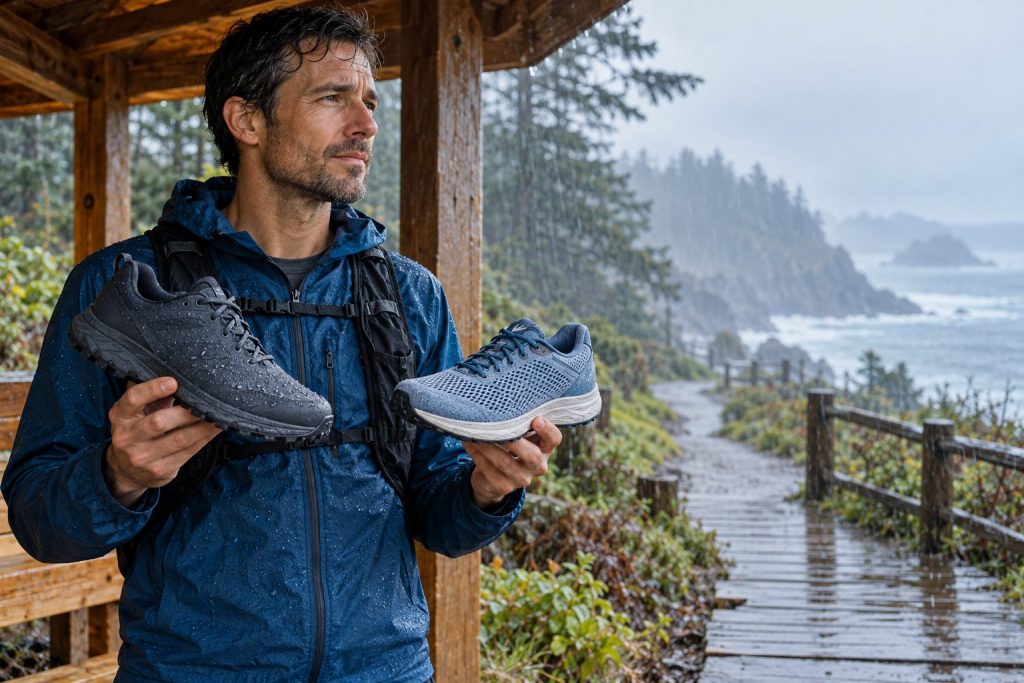
Waterproof vs Breathable Running Shoes: Which I Choose and When
I choose waterproof shoes for cold, shallow wet runs and breathable shoes for warm rain or deep crossings. Here is how I check drainage, fit, and grip.

I choose waterproof shoes for cold, shallow wet runs and breathable shoes for warm rain or deep crossings. Here is how I check drainage, fit, and grip.
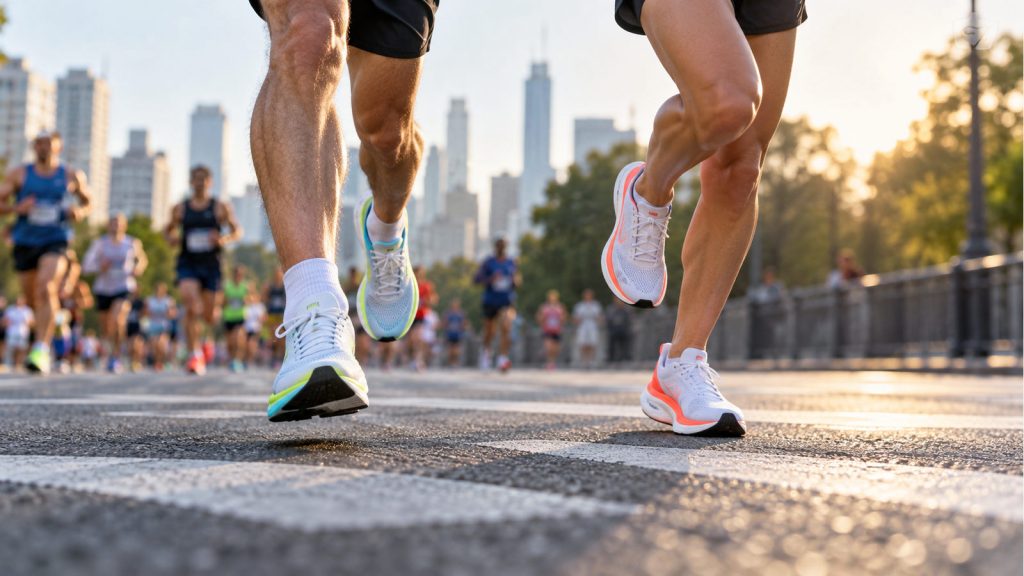
Ken compares 10 road-racing shoes for 5K and 10K by course, race pace, fit and training use, with clear testing limits and a practical buying guide.
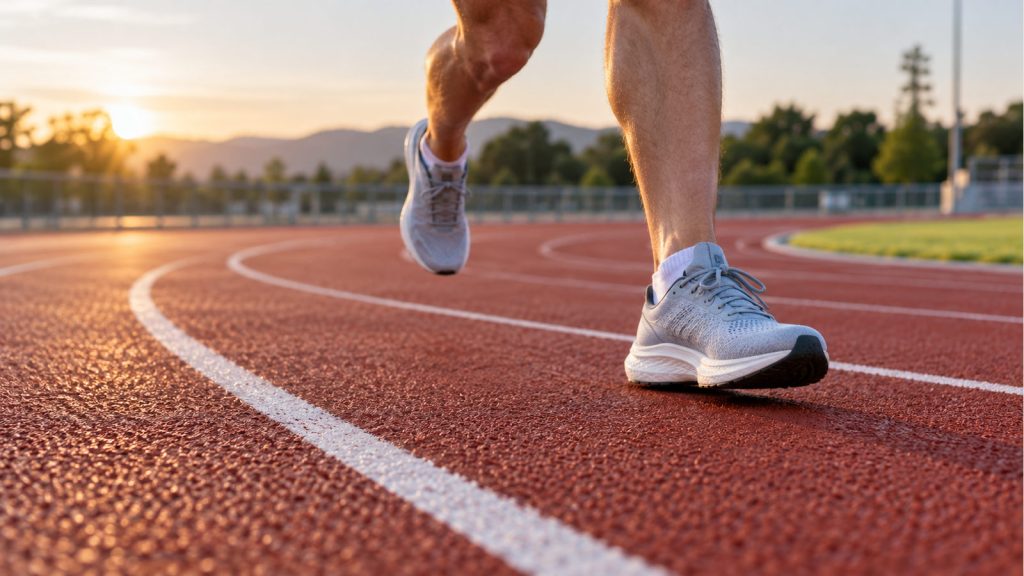
Ken compares 10 running shoes for track workouts, from everyday interval trainers to fast short-rep shoes, with bend, fit and recovery-jog tradeoffs.
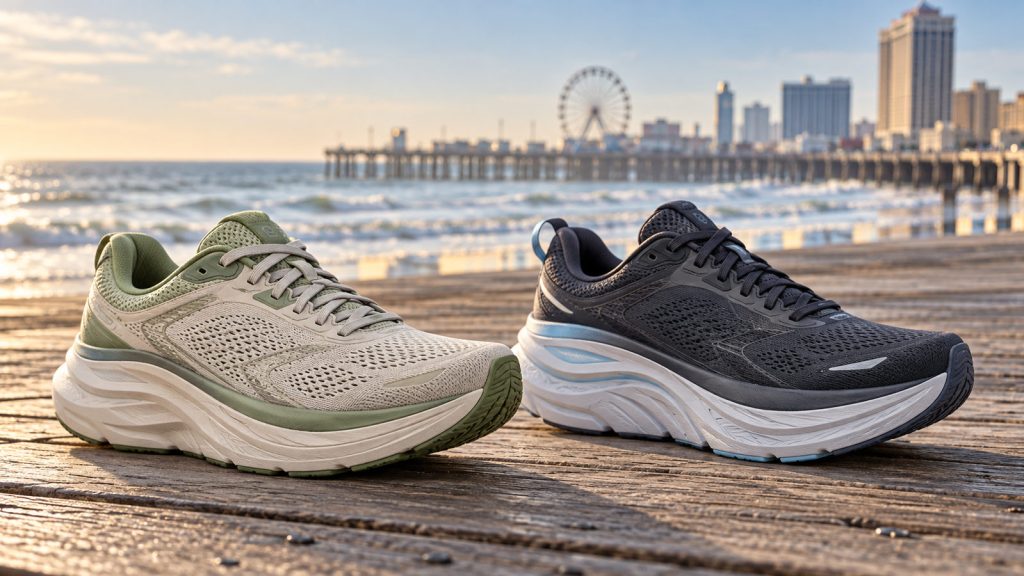
I compare Topo Atmos 2 and HOKA Bondi 9 for toe room, instep fit, cushioning, rocker feel, easy runs, and walking—with the trade-offs from my own pairs.
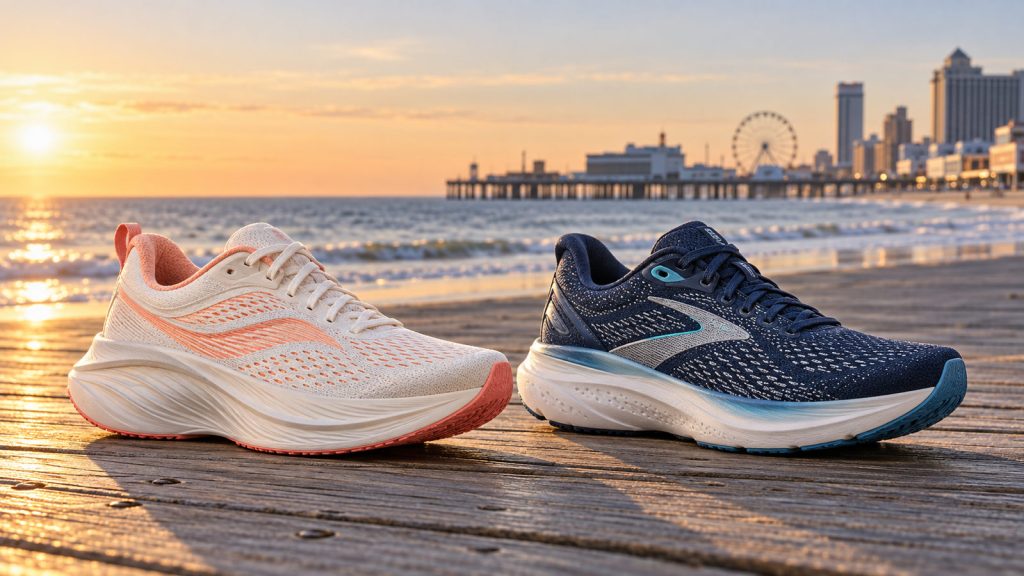
I ran 205 miles in Saucony Triumph 24 and 211 in Brooks Glycerin 23. My comparison covers cushioning, long runs, fit, walking, grip, and wear.
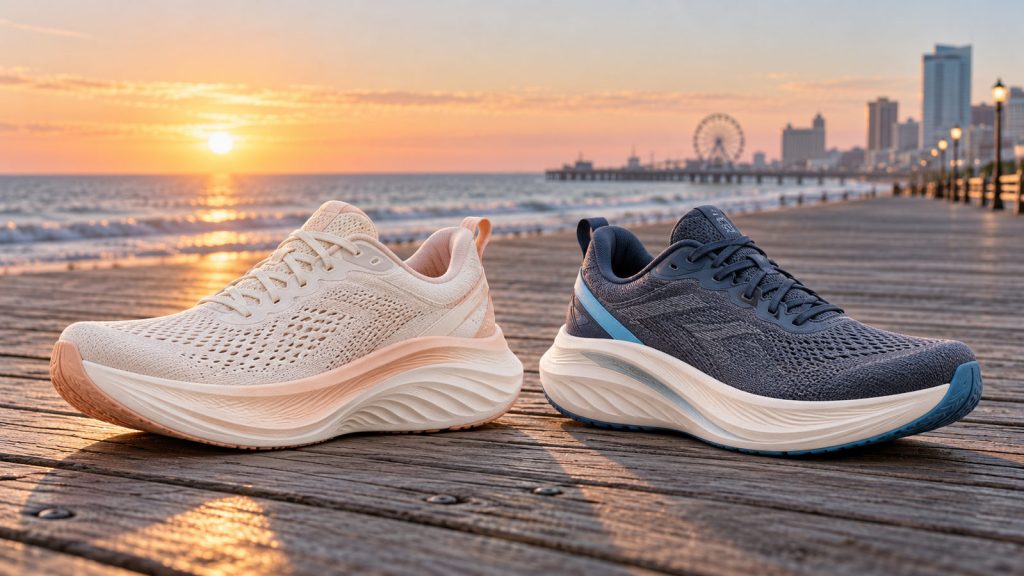
After 205 miles in Saucony Triumph 24 and 260 in ASICS Gel-Nimbus 28, I compare cushioning, long runs, fit, stability, and wear.
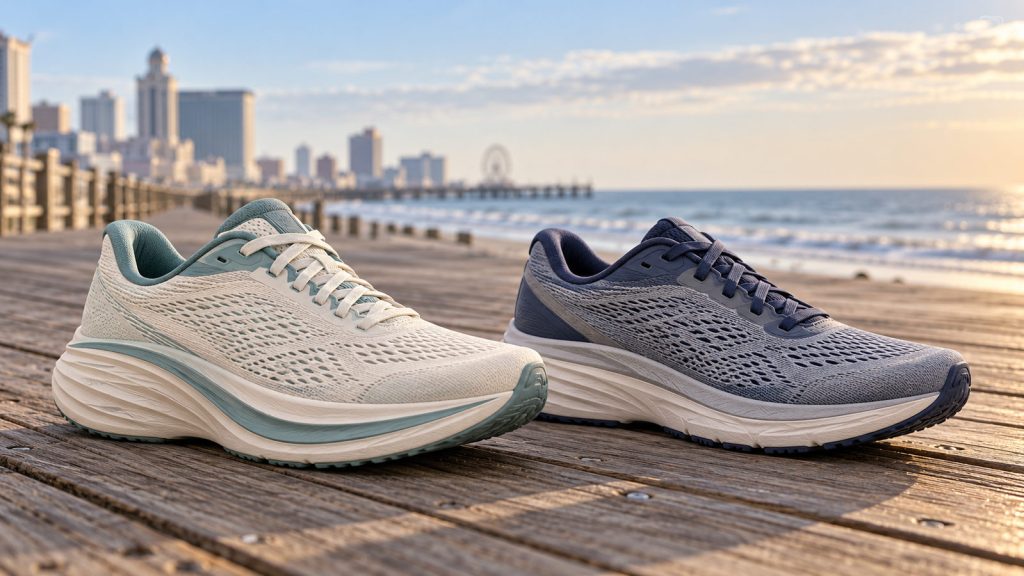
I ran 110 miles in Saucony Ride 19 and 380 in Brooks Ghost 18. My comparison covers cushioning, fit, easy runs, long runs, grip, and wear.
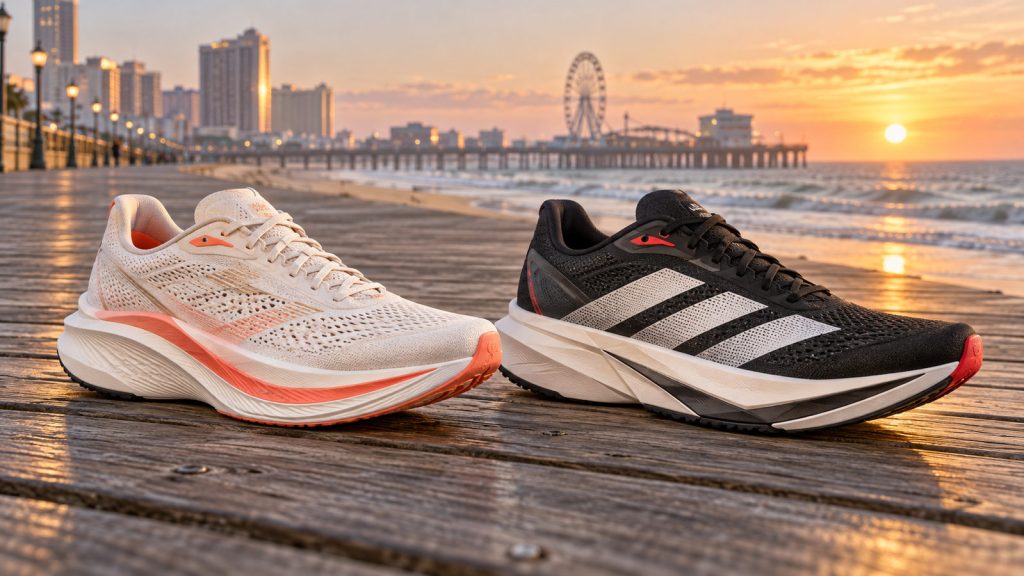
I ran 230 miles in Endorphin Speed 5 and 220 in Boston 13. Here is how I choose for tempo runs, long workouts, fit, grip, and value.
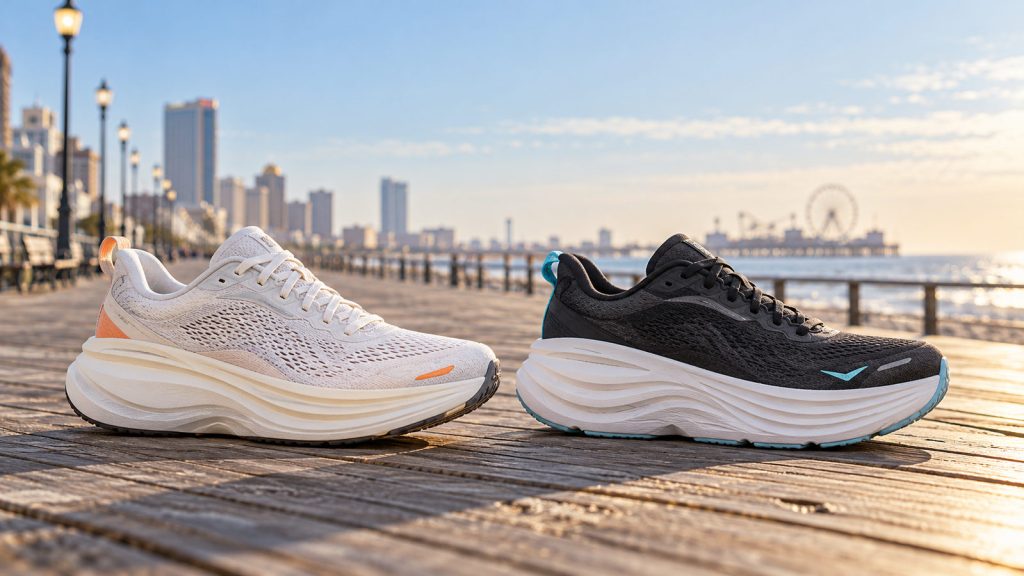
After 175 miles in Vomero 18 and 310 in Bondi 9, I compare cushioning, rocker, fit, stability, long runs, and wear to help you choose.
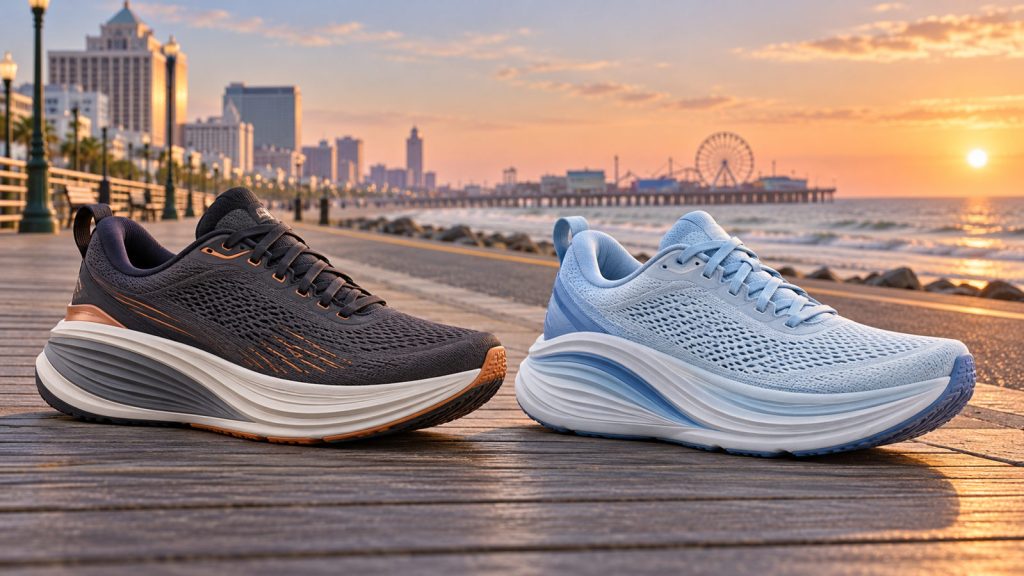
I ran 175 miles in Nike Vomero 18 and 260 in ASICS Gel-Nimbus 28. Here is how I choose for recovery, long runs, fit, stability, and value.
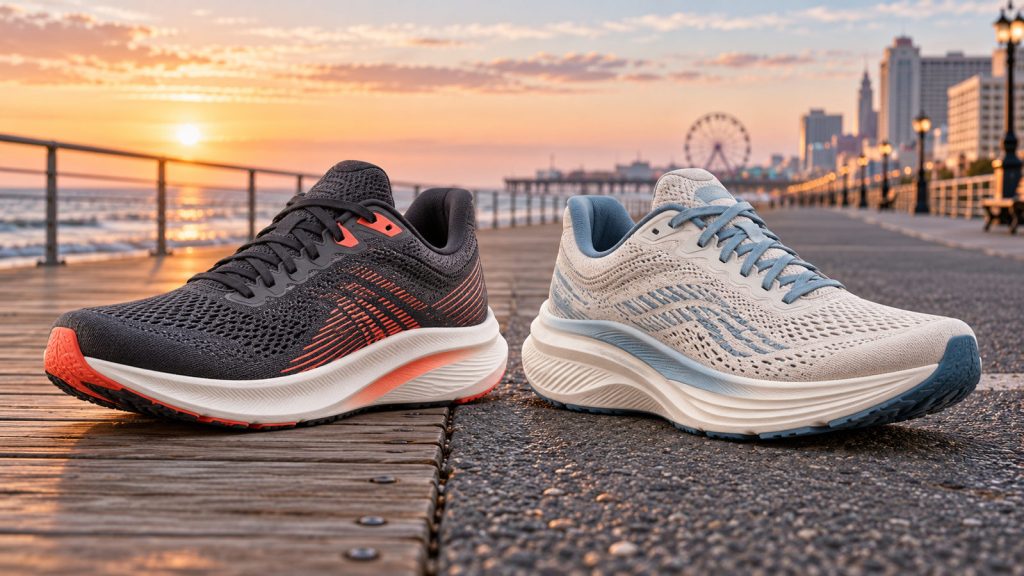
My Nike Pegasus 42 vs Saucony Ride 19 comparison after 145 and 110 miles: fit, Air Zoom versus PWRRUN+, easy runs, pace changes, long runs, and value.
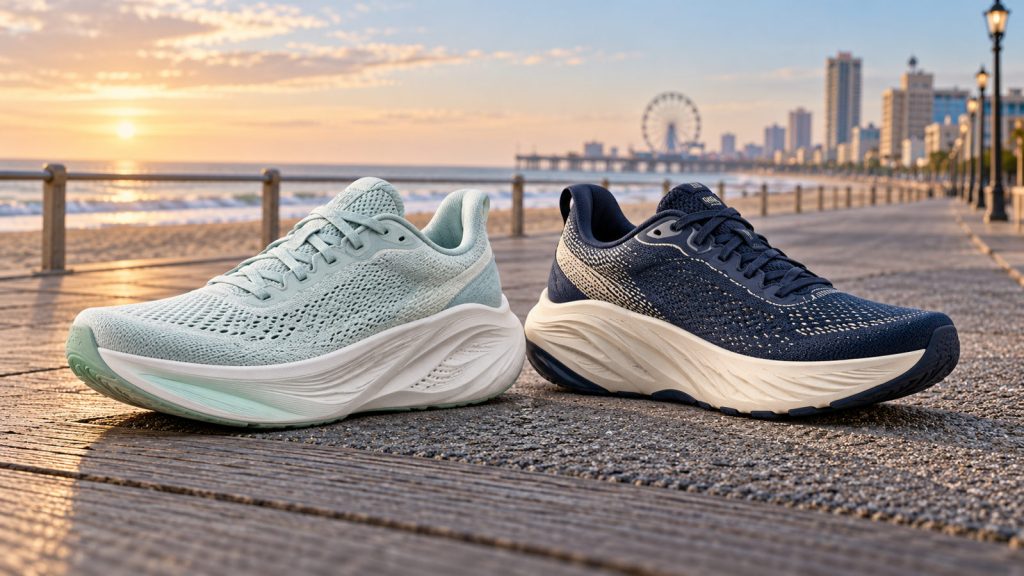
My 309-mile 1080 v15 and 211-mile Glycerin 23 comparison: fit, Infinion vs DNA Tuned, easy and long runs, control, durability, and which I would buy.
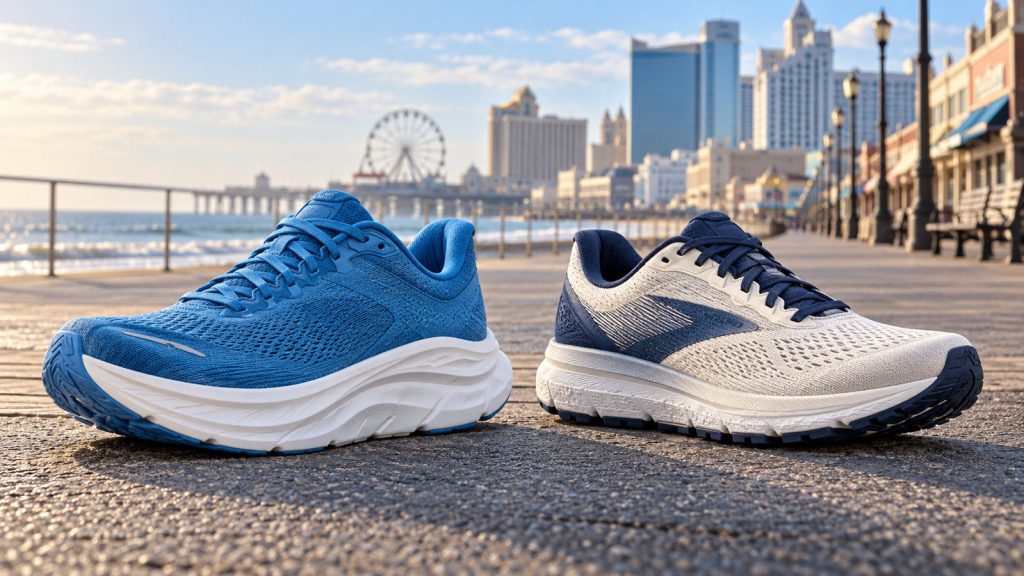
I ran 350 miles in Clifton 10 and 380 in Ghost 18. Here is how I choose between their rocker and classic ride for fit, easy runs, long runs, and walking.
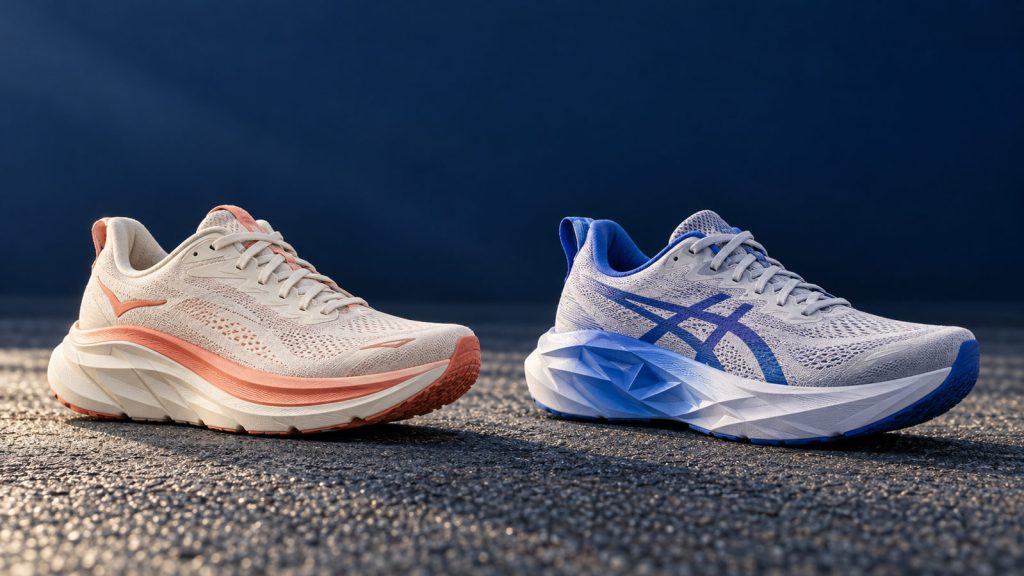
My HOKA Clifton 10 vs ASICS Novablast 6 comparison: rocker versus bounce, fit, easy and faster runs, stability, grip, and how I would choose.

I show how I finish race-specific training, taper without feeling flat, protect race-week recovery, and adjust the peak for a 5K through an ultra.
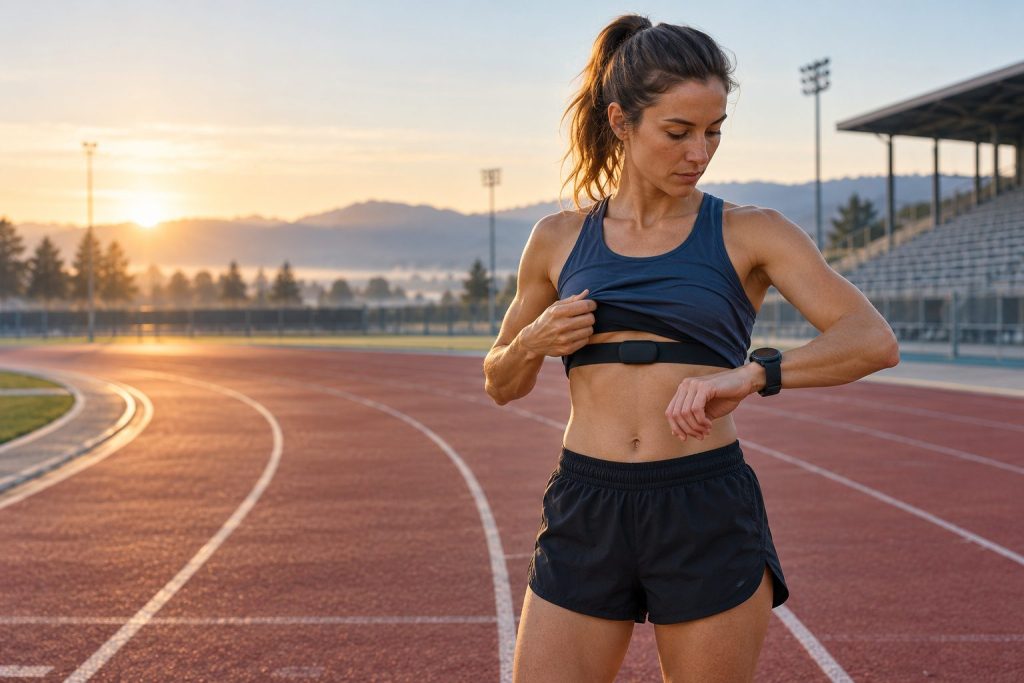
I compare wrist and chest heart rate monitors for easy runs, threshold work, intervals, and races, then show how to spot cadence lock and test your signal.
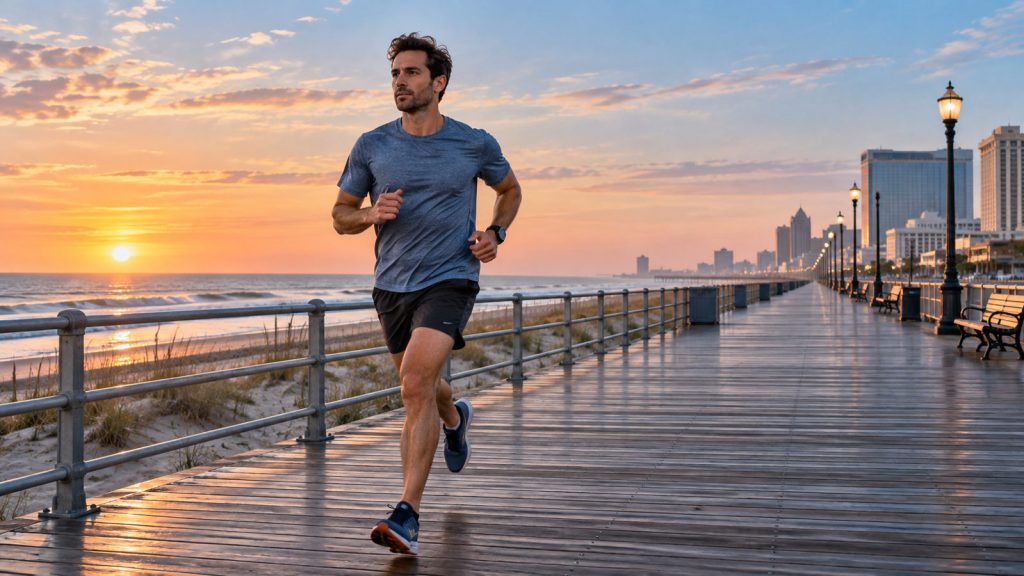
I estimate lactate threshold pace from a controlled 30-minute test or a suitable race, check the calculation, and validate the working range in training.
My 10 best stable neutral running shoes, tested for platform control, warm-foot fit, cornering, tired-form stability, grip, and real training use.

I use resting heart rate as one layer in a baseline-first readiness system: verify the reading, compare the trend, add context, and require a second signal.

I schedule rest by mapping the real cost of hard sessions, long runs, strength, and life stress—then placing recovery where it protects the week.
My readiness-first comeback plan uses the first run as calibration, the next 48 hours as evidence, and repeatable weeks—not old pace—to govern progress.