
New Balance 1080 v15 vs Brooks Glycerin 23: after 309 miles in my 1080 and 211 in my Glycerin, I would choose the New Balance if I wanted one soft daily shoe to handle easy runs, a long run, and a controlled progression. I would choose the Brooks if I wanted a more contained, settled feel for repeatable aerobic mileage. Neither answer survives a poor fit after my feet warm up.
I tested both in men’s US 10.5 on my 182-pound frame, mostly on Atlantic City roads and boardwalks. Over 12 years of running, I have learned that the best cushioned shoe is the one I stop negotiating with at minute 70. My decision is about forefoot room, heel hold, how the foam behaves late, and whether the shoe suits the sessions I actually do.
My answer in one table
| What the week asks for | My first pick | The fit or ride veto |
|---|---|---|
| One cushioned pair for varied daily running | 1080 v15 | The roomy upper lets my foot move across the platform |
| Quiet recovery and steady aerobic miles | Glycerin 23 | The plush upper feels too warm or crowded |
| Long run with a moderate faster finish | 1080 v15 | Late-run heel drift or lace pressure appears |
| A secure, planted long run | Glycerin 23 | The structure feels heavy or the forefoot flex feels wrong |
| Short, sharp intervals | Neither | A purpose-built workout shoe makes more sense |
The 1080 feels roomier and more willing to change pace. The Glycerin feels more held together when I want to set an easy rhythm and leave it alone. If your foot disagrees with either upper, the table loses to the fit test.
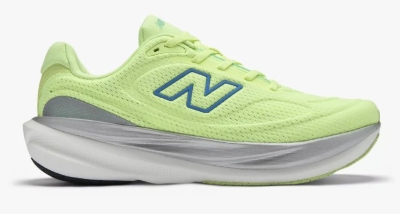
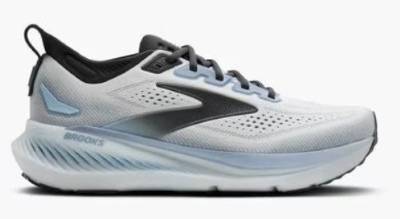
The exact pairs and the facts I rely on
| Detail | New Balance 1080 v15 | Brooks Glycerin 23 |
|---|---|---|
| My running log | 309 miles | 211 miles |
| My size | Men’s US 10.5 | Men’s US 10.5 |
| Listed drop | 6 mm | 8 mm |
| Midsole in these versions | Infinion | Dual-cell DNA Tuned |
| My ride cue | Soft, lighter-feeling, more adaptable | Plush, contained, steady |
| The first fit check | Forefoot room plus heel security | Instep space beneath the padded upper |
| Long-run record in my log | Up to 20 miles | Up to 19 miles |
My 520 total miles are two separate logs, not a controlled 520-mile test. The New Balance pair has more mileage, so I know its worn behavior more fully. I can compare how each serves my training without pretending weather, fatigue, or pair age stayed identical.
Infinion versus DNA Tuned: what I feel, not just what they are called
1080 v15: cushion that still changes gears
The 1080 v15 changed the character of this line for me. Its Infinion midsole gives me a soft landing, but I can still raise cadence for a measured progression without feeling trapped in a recovery shoe. On a Ventnor-to-Longport progression, the generous front of the shoe stayed quiet as the miles accumulated. That combination is why I would consider it as one cushioned pair for most of a varied week. My 309-mile 1080 v15 review covers the individual shoe in detail.
The trade-off is containment. The upper gives my forefoot welcome space, but more room is only useful while the heel stays seated. I notice it most on a cambered turn or at the end of a humid run. On one humid 12-miler, the tongue shifted sideways and the lace knot pressed into my instep. That run is why I check tongue position and heel hold again after warm-up instead of calling the roomy fit an automatic win. If I need to pull the laces painfully tight to keep the midfoot centered, the shoe loses its versatility advantage.
Glycerin 23: a more settled kind of plush
Glycerin 23 cushions the landing through DNA Tuned and holds my foot with a more substantial upper. I am happy to let it settle into a repeatable easy pace. On hardpack through Birch Grove Park, it let my heart rate stay low without making me think about the shoe. It is not the one I pull out for a sequence of sharp surges; its strength is how little attention it asks for over ordinary mileage. My 211-mile Glycerin 23 review goes deeper into that ride.
I do not use “plush” as a synonym for unstable. The Brooks feels more contained on my foot, especially through the heel and midfoot. Yet its padding is also material my foot must live inside for an hour or more. A runner with a high instep should check that the comfortable first step does not become pressure under the laces.
Why 6 mm and 8 mm do not decide the winner
The 1080 lists 6 mm of heel-to-toe drop and the Glycerin lists 8 mm. I can feel a difference in the way I arrive at the heel and move forward, but static drop leaves out foam compression, outsole shape, forefoot bending, and where my foot sits inside the upper. Two millimeters are context, not an injury rule or a substitute for a run.
I would transition gradually if one pair changes the way my calves or heels load, then judge the intended session rather than the label. The most revealing question is whether the stride stays natural at easy cadence after the fresh first mile. I never promise that either geometry will prevent pain.
The pace and session map I actually use
| Session | 1080 v15 in my log | Glycerin 23 in my log | My choice |
|---|---|---|---|
| Recovery jog | Soft and easy to turn over | Settled and protective-feeling | Glycerin if fit stays calm |
| Routine daily miles | Roomy and adaptable | Secure, consistent rhythm | 1080 for varied weeks; Glycerin for steady ones |
| Long aerobic run | Forefoot room holds up as feet warm | Upper keeps my heel anchored | Fit decides |
| Progressive finish | More willing to follow a moderate pickup | Works, but asks more effort to change gear | 1080 |
| Fast interval session | Too cushioned for my first choice | Too settled for my first choice | Neither |
| Run plus walking errands | Soft and roomy | Plush, secure, conventional | Try both at walking cadence |
I describe effort rather than publish a pace cutoff. A pace that feels relaxed to me may be a workout to someone else. If a shoe only becomes enjoyable when I run faster than the plan calls for, it fails its recovery assignment. My daily trainer versus tempo shoe guide shows where I stop asking one pair to do everything.
Fit after the foot warms: width, height, and lockdown
My 1080 v15 gives a generous forefoot and a forgiving midfoot wrap. The Glycerin 23 gives me enough toe room with a more padded, anchored rearfoot. Both fit my US 10.5 foot, but the same size label tells me little about internal volume. I test width across the toes, height over the instep, and heel security separately.
A 12-mile humid outing exposed the 1080’s weakness for me: its thin tongue shifted sideways and the lace knot pressed into the top of my foot. I would check tongue position and lace pressure before calling its roominess a perfect fit. In the Brooks, my priority is whether the thicker upper still leaves enough instep space after an hour. I would use my running-shoe fit checklist before trying a longer size to solve a width or volume problem.
My six-minute try-on before a real run
- Wear the socks I run in and check the longest toe with weight on both feet.
- Walk slowly and notice whether the heel stays seated without over-tightening.
- Jog at easy effort, then make broad turns both ways.
- Lift cadence for a short controlled segment and return to easy pace.
- Check instep pressure and tongue position again once the shoe warms.
- Name the specific weekly run this pair improves before paying.
Long runs, fatigue, and the surface underneath
I have taken the 1080 v15 to 20 miles and the Glycerin 23 to 19. In the last third of a long run, I care less about step-in softness and more about whether the foot remains centered. The New Balance gives my toes space as they swell, but I watch for lace or heel drift. The Brooks holds me more securely, but I watch whether the padded upper starts to feel crowded. Neither wins a long run before that late check.
I also remember a bad surface choice in the Glycerin: loose sugar sand made the tall cushioned platform feel awkward and required lateral corrections. That experience does not condemn it on roads. It reminds me to judge a road trainer on the road, then separate its behavior on hardpack, damp boardwalk, and loose ground. I never extend a run just to manufacture a dramatic test.
Stability, outsole grip, and wear
Both are neutral shoes. On my foot, the Brooks feels more contained through upper hold and platform, while the 1080 needs a little more attention if a loose fit lets my foot wander. That is a fit-and-ride observation, not a diagnosis or a reason to replace a support shoe with either model. If I repeatedly correct my landing late in a run, I reject the pair no matter how plush it feels.
At 309 miles, my 1080 has visible outsole smoothing and foam creasing, while the upper remains intact. At 211 miles, my Glycerin shows wear concentrated near my lateral landing area, with the upper still secure. I do not compare those different mileages as a laboratory durability contest or promise a replacement distance. I repeat a familiar route as wear accumulates and check whether the ride and upper hold change.
Wet grip deserves its own test. An ordinary damp boardwalk is different from wet paint or metal covers; neither brand name guarantees all three. My Glycerin felt settled on the hardpack paths through Birch Grove Park, but a detour onto loose sugar sand in Wharton State Forest made its tall platform much harder for me to place. I would keep both shoes in their road-running role rather than infer trail control from a secure road run. My outsole-rubber guide explains why I look at contact and coverage, not just compound names.
Which pair should I buy?
- Buy 1080 v15 when you need one cushioned trainer for easy miles, long runs, and controlled progressions, and its roomy upper stays secure.
- Buy Glycerin 23 when your week is mostly calm aerobic mileage and you prefer a plush but held-together fit.
- Skip either one if a warm-foot trial brings repeated toe pressure, heel slip, instep pain, or foot drift.
- Buy neither if the pair would duplicate an easy-day shoe you already trust or you actually need a workout or support model.
I would rarely buy both for a small rotation because their easy and long-run jobs overlap. My rotation guide helps me find the missing role before I buy. If the desired change is support rather than a different shade of softness, I would compare the regular Glycerin with a support model instead of assuming the neutral Glycerin 23 supplies corrective guidance.
FAQ: 1080 v15 vs Glycerin 23
Is the New Balance 1080 v15 or Brooks Glycerin 23 better for daily running?
I choose 1080 v15 for a varied week with easy miles and moderate progressions. I choose Glycerin 23 when most runs are steady and I want a more contained upper. Fit after warm-up can reverse either choice.
Does 1080 v15 still use Fresh Foam X?
No. The 1080 v15 uses Infinion. I keep the version number in view because old 1080 material names can lead to the wrong ride expectation.
Which is softer?
The 1080 v15 feels more yielding and lively to me, while Glycerin 23 feels plush in a more settled, held-together way. I judge that sensation while running and late in a session, not by pressing the foam with a thumb.
Which would I choose for a long run?
Both have completed long runs in my log: up to 20 miles in 1080 v15 and 19 in Glycerin 23. I lean 1080 for room and a faster finish; I lean Glycerin when secure, steady rhythm matters more.
Is Glycerin 23 a stability shoe?
The regular Glycerin 23 is a neutral trainer. A runner seeking added guidance should evaluate a support model separately instead of assuming its secure fit is corrective stability.
Do I need both pairs?
Usually not. They overlap across easy and long road running. I would buy the one that fills a distinct job and fits after the foot warms; I would keep the other money for a clearly different role.
My final verdict
For my own varied week, I buy 1080 v15 first: the soft Infinion ride, roomy forefoot, and easier moderate pickup give it more jobs. For a runner who values secure plushness and repeats steady aerobic miles, I start with Glycerin 23. I would still let the warm-foot fit and last ten minutes of the intended run settle the purchase. My 309 and 211 miles tell me what happened under my feet; they do not override yours.

Written by Ken — 12 years of running, 12,500+ miles, 63 shoes tested, 36 races from 5Ks to a 50K ultra. I run 30–40 miles a week on the Atlantic City Boardwalk and review every shoe with real training miles, not one-run demos. More about me →