

Aerobic Threshold vs Lactate Threshold: My Two-Threshold Training Map
I explain the two thresholds as a practical training map: one protects repeatable easy volume, while the other controls sustained hard work.

I explain the two thresholds as a practical training map: one protects repeatable easy volume, while the other controls sustained hard work.
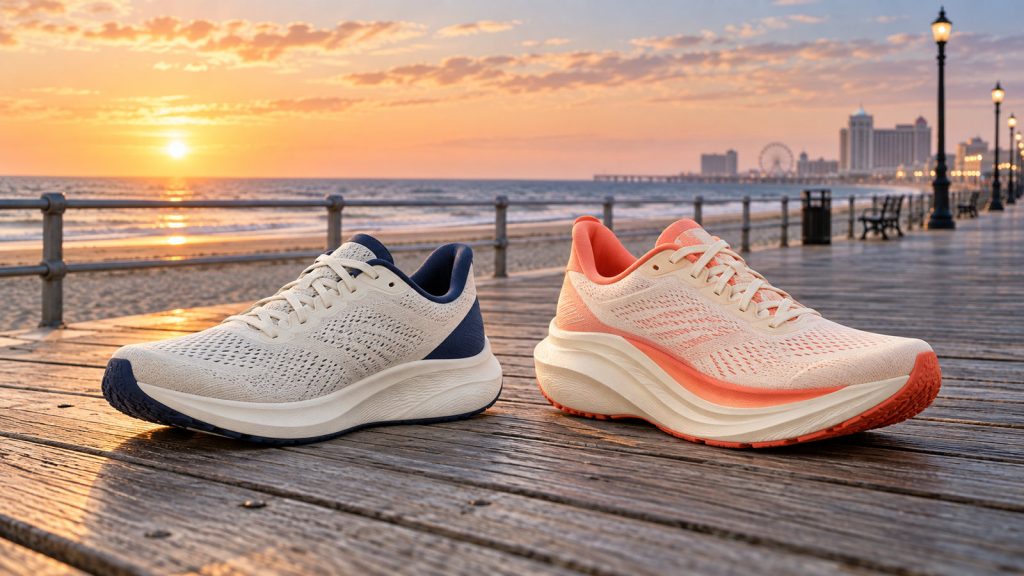
After 120 miles in Mach 7 and 230 in Endorphin Speed 5, Ken compares fit, tempo runs, fast long runs and wear to help you choose the right workout shoe.

I choose hill repeats by goal, then control grade, duration, effort, recovery, downhill load, progression, and the rule that ends the workout.

I use this 1–10 RPE scale to connect effort with speech, breathing, duration, session purpose, changing conditions, and the next training decision.

How many days a week should you run? Ken shares a practical way to choose 2–6 days, build a balanced week, and know when to add or remove a run.

My 10 best running shoes for gravel roads, ranked by grip, stability, protection, road comfort, and performance on hardpack and loose stone.

I interpret heart rate drift while running through three gates: signal quality, stable external work, and whether the result should change the session.

I built this 12-week intermediate half marathon plan around five running days, controlled threshold work, progressive long runs, cutbacks, and practical adjustment rules.
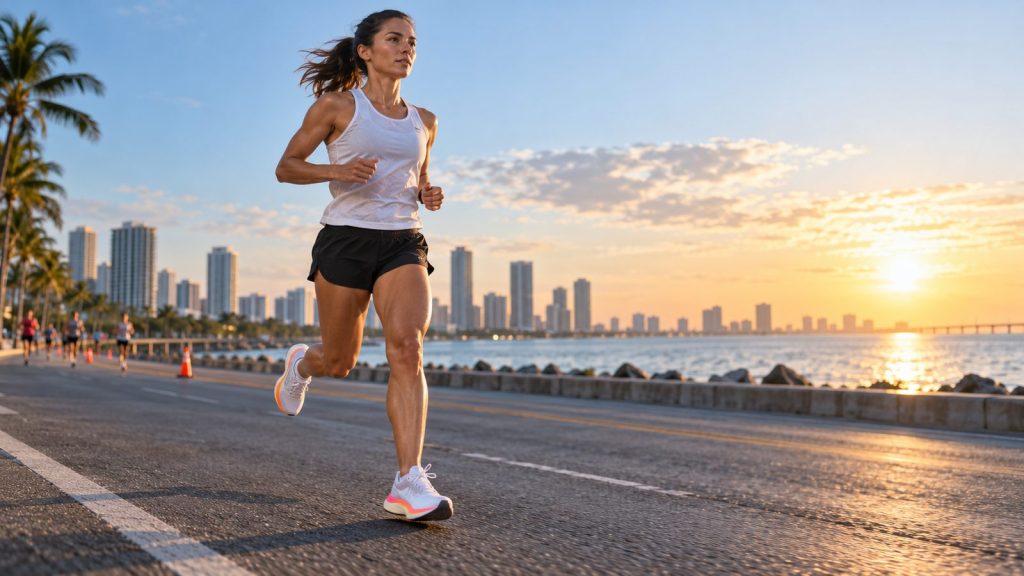
My 10 best half marathon running shoes, ranked by pace control, fit, stability, late-race comfort, and the job each model does best.

I manage delayed onset muscle soreness after running with a 72-hour recovery clock, a traffic-light run screen, and clear return-to-quality gates.
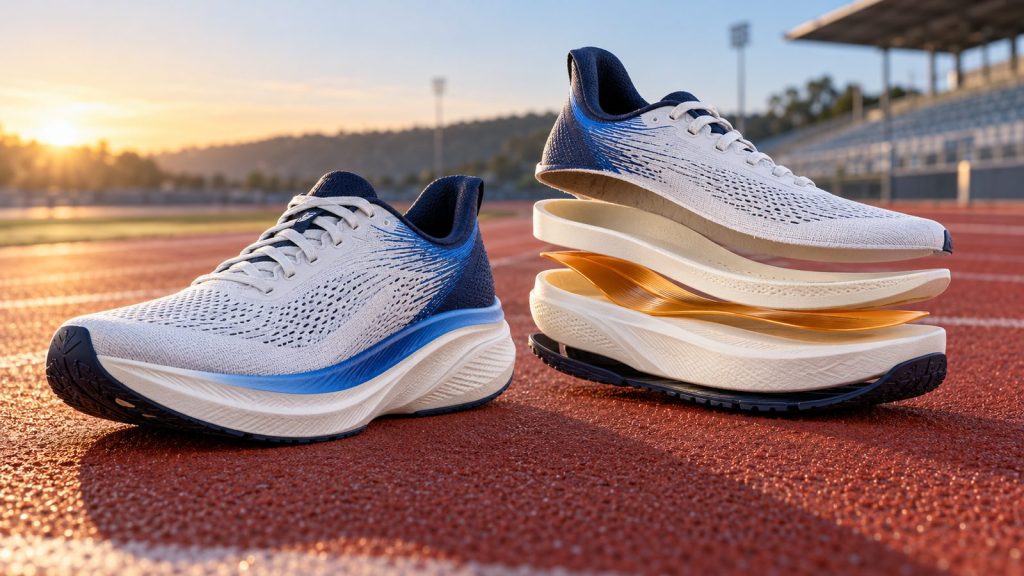
My 10 best nylon-plated running shoes, compared by plate construction, ride, workout role, fit, pace range, and exact-model test mileage.
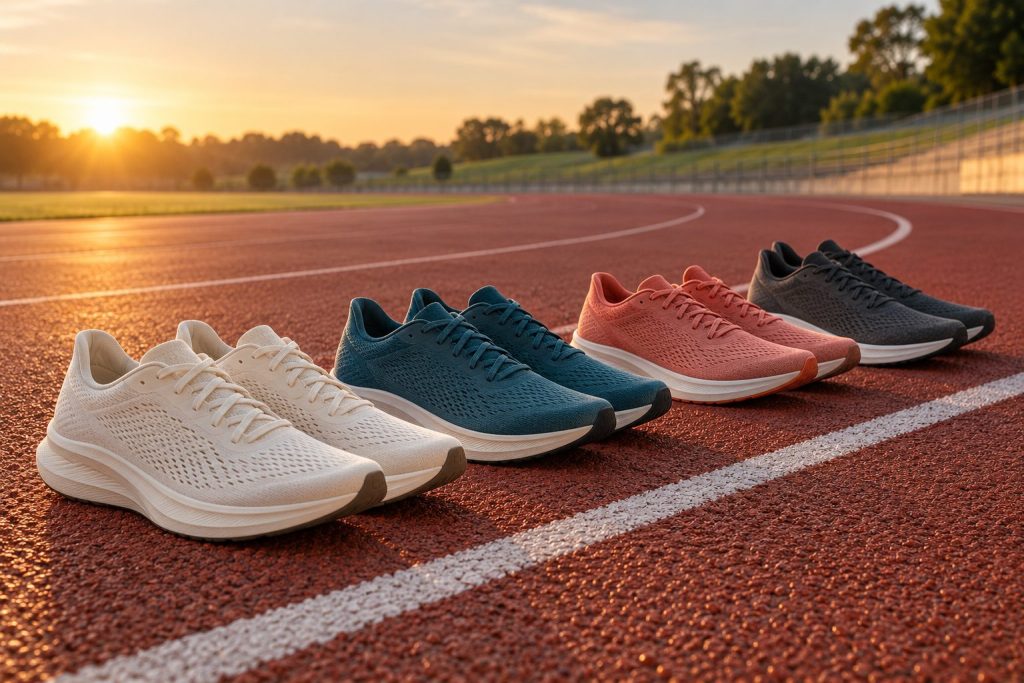
My 10 best non-plated racing shoes, compared by race distance, ride, fit, control, plate-free construction, and test mileage.
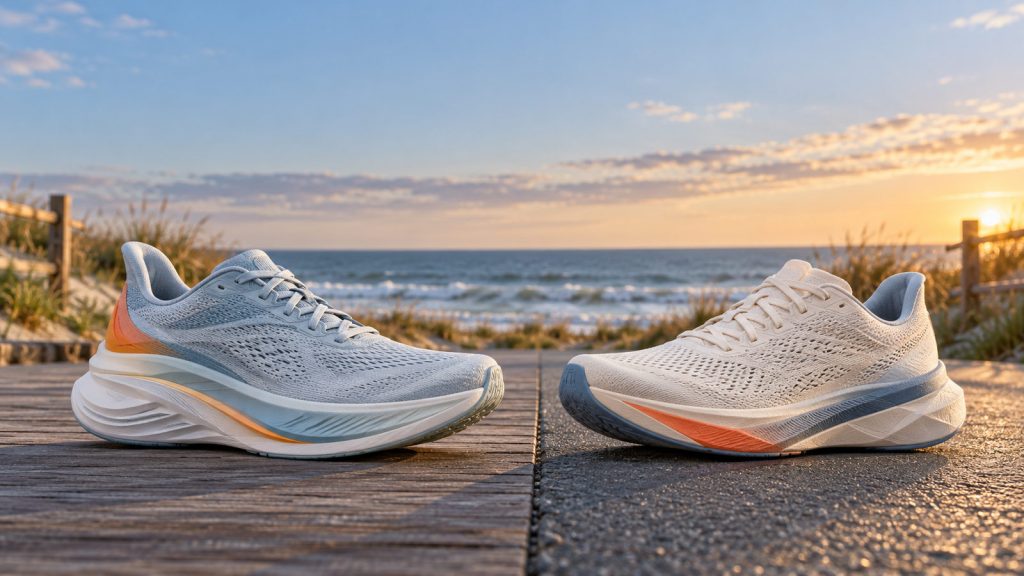
After 120 miles in Nike Mach 7 and 60 in New Balance Rebel v5, Ken compares fit, tempo runs, fartlek, long runs and durability to help you choose the right workout shoe.

I increase running mileage through a true baseline, small easy additions, hold weeks, delayed-response checks, and planned absorption before the next build.
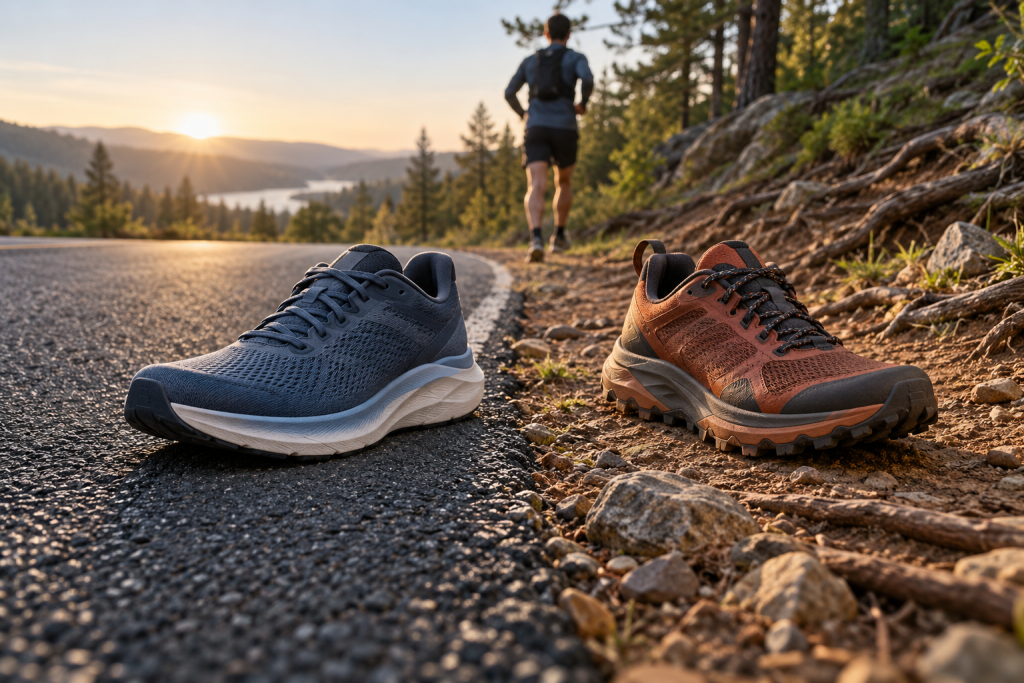
I choose road or trail shoes by the hardest recurring surface, the consequence of a mistake, and the smallest amount of grip and protection the route needs.

I balance running and strength training as one recovery budget, then place one or two focused gym sessions where they protect my key runs.

I train by effort by defining the session first, checking RPE, speech, and breathing, then letting pace respond to heat, hills, wind, and fatigue.

I built this 10-week intermediate 10K plan around stable mileage, controlled quality sessions, an easy long run, and recovery rules I can adjust.

I define an easy run by controlled breathing, low perceived effort, and a recovery cost that preserves the next key session, not by one fixed pace.
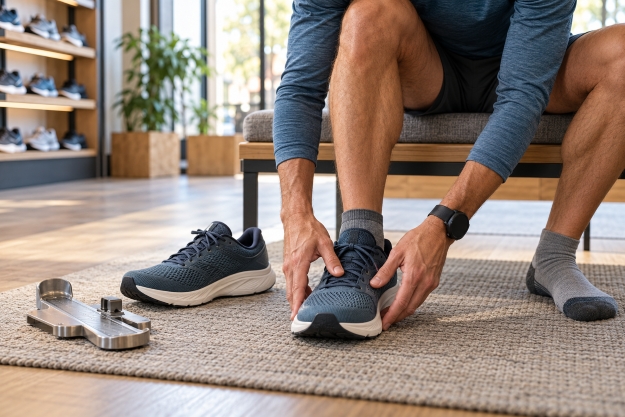
A width letter only starts the search. I fit five zones under load so the shoe gives my foot room where it needs room—and control everywhere else.
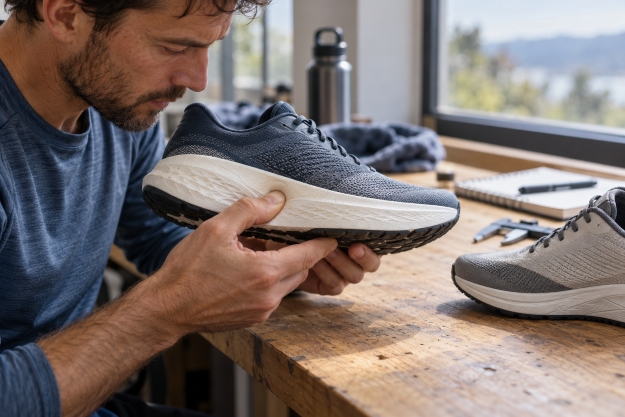
A foam acronym sets expectations, but it cannot predict the finished ride. I judge chemistry only through geometry, pace, temperature, wear and role.