

Best Insoles for Running (2026): 10 Expert Picks
The best insoles for running, ranked by shoe volume, arch contact, support stiffness, heel security, forefoot comfort, and running use – not standing softness.

The best insoles for running, ranked by shoe volume, arch contact, support stiffness, heel security, forefoot comfort, and running use – not standing softness.
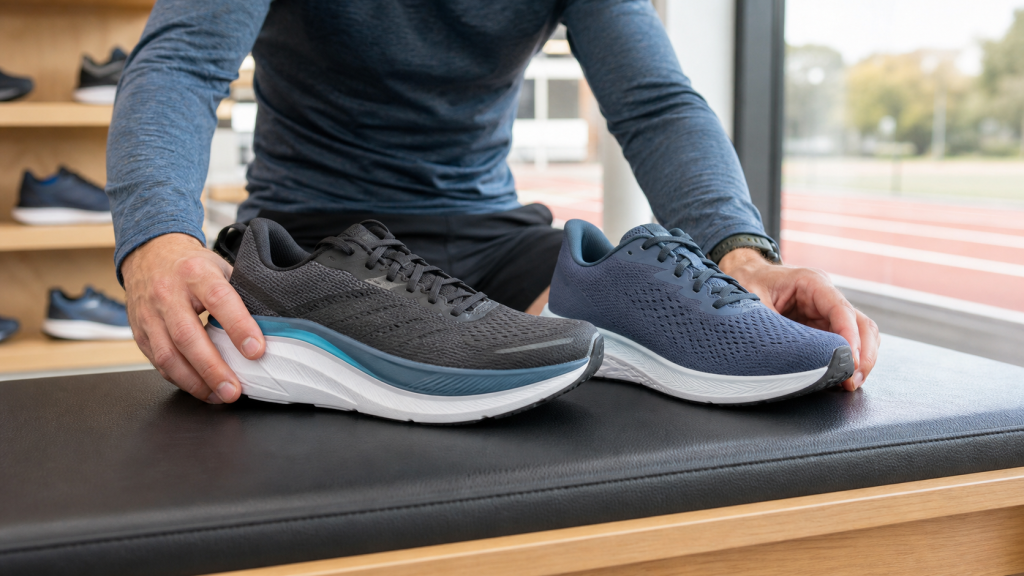
Compare stability and neutral running shoes with an evidence-based decision table, pronation myths, a fit checklist, and six current shoe picks.

Calculate a transparent 1-, 2-, or 3-day carbohydrate-loading plan from body weight. See the 10–12 g/kg guideline range, per-meal targets, limitations, safety notes, and a printable plan.
Ken’s five-dial method for stabilizing a repeatable running week, expanding one variable at a time, and connecting the base to the next training goal.

Calculate running sweat rate from pre- and post-exercise weight, fluid intake, urine loss, and duration. Includes US and metric units, uncertainty, fluid-balance checks, and safety guidance.

Enter a recent race to calculate current-fitness easy, long-run, threshold, interval, and repetition paces in min/mile and min/km, plus workout splits.

Calculate running cadence in steps per minute, check single-foot counts, estimate step length, and build a safe 3–10% cadence progression.

Ken’s Five-Camera Form Check for evaluating posture, arm swing, landing, cadence, and adaptability—then testing one useful cue without forcing a universal style.

My 10 best running belts for phones, ranked by phone fit, bounce control, comfort, access, weather protection, trails, races, and hydration.
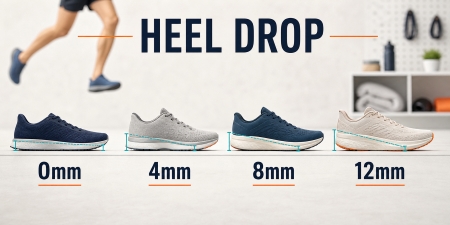
Heel drop explained for runners: what 0mm, 4mm, 8mm, 10mm, and 12mm drops change, who should use each, how to transition safely, and how Ken chooses shoe drop.
Ken compares eight running heart-rate monitors: ECG chest straps, comfortable upper-arm sensors and Garmin-specific options. Find the right fit for your workouts.
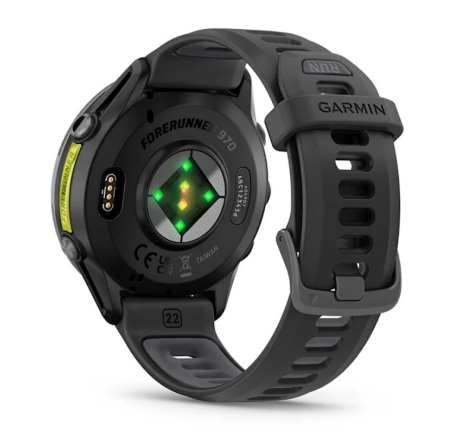
Ken’s 10 GPS running-watch picks for 2026, from simple training watches to mapping and ultrarunning tools. Compare fit, navigation, battery modes and tradeoffs.

My 10 best running shoes for high arches, ranked by cushioning control, instep fit, widths, rocker timing, stability, and orthotic room.
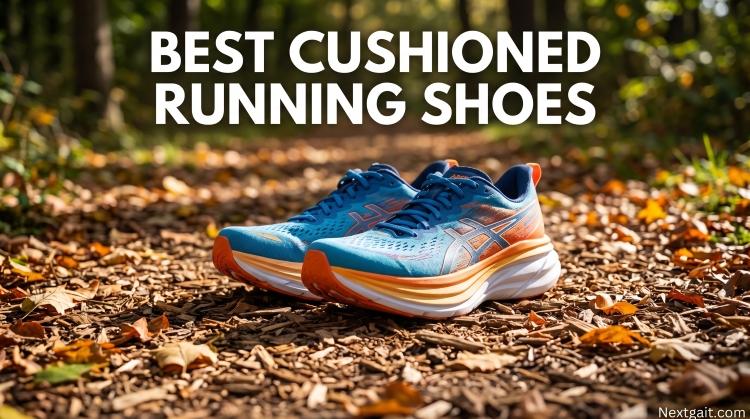
My 10 best cushioned running shoes, ranked by softness, platform control, transition, fit, late-run behavior, and 2,100+ logged miles.

Ken compares 10 running shoes for bunions by toe-box shape, width, upper pressure and ride. Find three quick picks, honest fit trade-offs and a practical try-on test.

Ken compares 10 running shoes for concrete sidewalks, with fit, cushioning, stability, and outsole tradeoffs for daily and long runs.
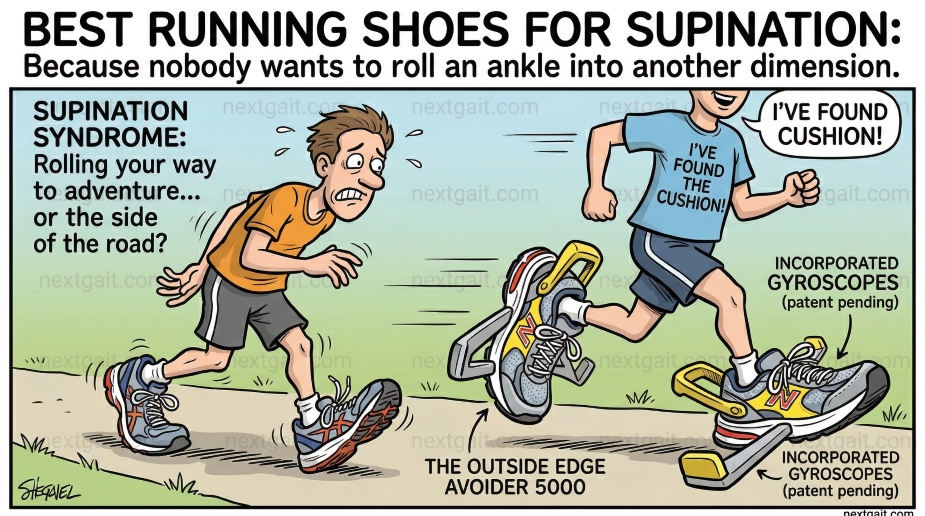
Ken compares 10 running shoes for supination by lateral-edge comfort, platform control, fit and running job—without claiming a shoe can correct your gait.

Ken compares 10 lightweight running shoes for daily miles, tempo work, long runs and racing—with the weight trade-offs, fit checks and honest testing limits that matter.
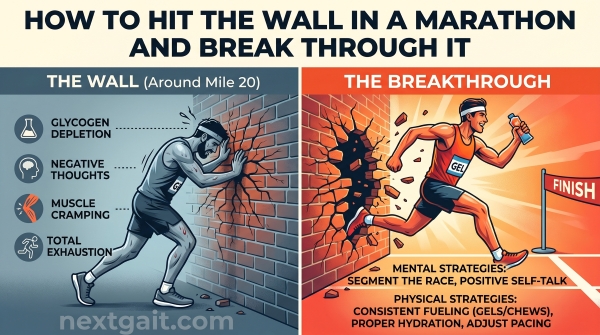
Ken’s five-dial framework for preventing the marathon wall, recognizing the warning sequence, responding safely, and learning from the race afterward.

My 10 running-shoe starting points for heel-spur searches, compared by heel contact, cushioning, drop, rocker, fit, width, and next-morning response.

Ken’s downhill load ledger and return passport: track the pain pattern, rebuild braking capacity, and restore trail descents one variable at a time.