
The ASICS Gel-Nimbus 28 is the best running shoe for most women who want a neutral, cushioned daily trainer. Choose the Saucony Ride 19 for a lighter first shoe, the Brooks Glycerin GTS 23 when guided cushioning already works for you, and the Saucony Endorphin Speed 5 for workouts. Compare the newer Kayano 33 with the discounted Kayano 32 when prices are close.
I ranked these shoes from 1,990 reported miles in the same-numbered men’s versions, then separately verified women’s weights, drops, widths, and manufacturer fit notes. Platform behavior and wear can transfer across the same numbered model; a men’s US 10.5 cannot prove how a women’s heel or forefoot fits.
Medical boundary: A running shoe can change comfort and loading, but it cannot diagnose or cure plantar fasciitis, knee pain, bunions, Achilles pain, or overpronation. Stop for sharp, worsening, or gait-changing pain.
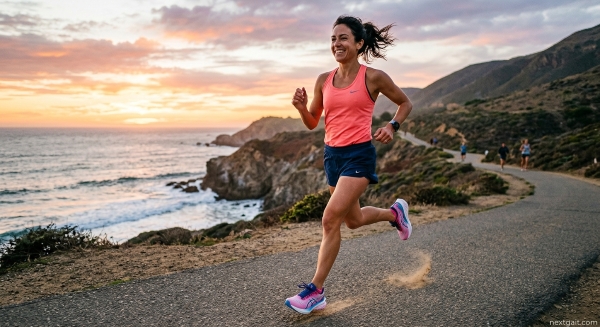
Women’s Running Shoe Quick Finder
Match the shoe to your main run, support preference, ride, foot shape, surface, and current concern. Results appear in order as Match 1, Match 2, then Match 3.
How the finder ranks shoes
- Primary use carries the most weight. A racing shoe cannot outrank a daily trainer for easy mileage.
- Fit and support narrow the field. Arch height alone does not diagnose a stability need.
- Current pain is a caution filter. The tool suggests fitting-room candidates; it does not diagnose or treat an injury.
- Evidence stays visible. Mileage comes from Ken’s same-numbered men’s versions; women’s specifications were checked separately.
No tool can verify heel hold, toe pressure, arch contact, or pain response on your foot. Stop for sharp, worsening, or gait-changing pain and seek qualified care when symptoms persist.
What is in this guideClick to expand
Quick Picks: Best Running Shoes for Women
Start with the job the shoe must do, then reject any option that fails the fit test. Product names in this table are affiliate links. Affiliate relationships do not change the ranking.
The New Balance 990v6 deserves a separate look if your priority is all-day comfort with occasional easy jogging. Its running case is different from the lighter daily trainers in this guide, so I would make that call on purpose rather than by brand reputation.
| Shoe | Best for | Main caution |
|---|---|---|
| ASICS Gel-Nimbus 28 | Best overall | Too much shoe for intervals, and the knit upper can run warm. |
| Brooks Glycerin GTS 23 | Best cushioned support shoe | Heavy for fast running; skip the GTS version if you consistently prefer neutral shoes. |
| Saucony Ride 19 | Best for beginners | It does not have the aggressive pop of a workout shoe or the depth of a true max-cushion trainer. |
| Nike Vomero 18 | Best max-cushion value | The tall, soft ride is not the answer for runners who want ground feel or a crisp tempo transition. |
| Nike Pegasus 42 | Best one-shoe rotation | Wet upper and heel-collar friction were the weak points in my testing. |
| ASICS Gel-Kayano 32 | Best tested stability value | It is a cruiser, not a track shoe. Do not buy stability hardware solely because an arch looks low. |
| HOKA Arahi 8 | Best lightweight stability shoe | The geometry favors easy and steady running; it felt dull when I forced tempo pace. |
| HOKA Bondi 9 | Best for recovery runs and walking | The 5 mm drop and rigid rocker can feel abrupt if you are moving from a flexible 10-12 mm shoe. |
| Saucony Endorphin Speed 5 | Best for speedwork | The rocker feels restless at recovery pace, and a plated shoe should be introduced gradually. |
| Nike Alphafly 3 | Best for half-marathon and marathon racing | Expensive, less durable, awkward at easy pace, and a poor blind buy for unstable ankles or wide forefeet. |
How Much Firsthand Evidence Backs Each Pick?
Every ranked shoe has a same-numbered platform record, but none is presented as a women-only wear test. Women’s specifications and available widths were checked separately. Mileage is retrospective and is not backed by linked session logs.
| Shoe | Evidence status | Ken mileage | Women’s verification | Model status |
|---|---|---|---|---|
| ASICS Gel-Nimbus 28 | Same-numbered men’s platform | 260 | Weight, drop, widths, and fit notes | Current model when checked July 21, 2026. |
| Brooks Glycerin GTS 23 | Same-numbered men’s platform | 220 | Weight, drop, widths, and fit notes | Current model when checked July 21, 2026. |
| Saucony Ride 19 | Same-numbered men’s platform | 110 | Weight, drop, widths, and fit notes | Current model when checked July 21, 2026. |
| Nike Vomero 18 | Same-numbered men’s platform | 175 | Weight, drop, widths, and fit notes | Current model when checked July 21, 2026. |
| Nike Pegasus 42 | Same-numbered men’s platform | 145 | Weight, drop, widths, and fit notes | Current model when checked July 21, 2026. |
| ASICS Gel-Kayano 32 | Same-numbered men’s platform | 280 | Weight, drop, widths, and fit notes | Previous generation with 280 reported miles. Compare the Kayano 33 at full price; choose the 32 mainly when discounted. |
| HOKA Arahi 8 | Same-numbered men’s platform | 165 | Weight, drop, widths, and fit notes | Current model when checked July 21, 2026. |
| HOKA Bondi 9 | Same-numbered men’s platform | 310 | Weight, drop, widths, and fit notes | Current model when checked July 21, 2026. |
| Saucony Endorphin Speed 5 | Same-numbered men’s platform | 230 | Weight, drop, widths, and fit notes | Current model when checked July 21, 2026. |
| Nike Alphafly 3 | Same-numbered men’s platform | 95 | Weight, drop, widths, and fit notes | Current model when checked July 21, 2026. |
Best Women’s Running Shoes by Foot Shape and Need
This table creates a fitting-room shortlist, not a diagnosis. Width, heel hold, upper volume, preferred support, and the runner’s main workout matter more than the label on the box.
| Need | Start with | Why | Do not assume |
|---|---|---|---|
| First running shoe | Saucony Ride 19 | Light, balanced, and available in Wide | More cushion is automatically safer |
| Wide forefoot or bunion pressure | Ride 19 Wide; Glycerin GTS 23 Wide; Nimbus 28 Wide | Adds ball-of-foot width without excess length | A soft upper alone provides enough clearance |
| High or rigid arch | Nimbus 28; Vomero 18; Ride 19 | Neutral platforms with different softness levels | Every high arch needs the softest shoe |
| Low arch and known stability preference | Glycerin GTS 23; Arahi 8; Kayano 32 | Three guidance levels and ride profiles | Arch height alone diagnoses overpronation |
| Plantar heel pain | Nimbus 28; Glycerin GTS 23; Bondi 9 | Stable candidates with different drops and stiffness | Any shoe treats the cause |
| Knee pain | Ride 19 versus Glycerin GTS 23 | A neutral-versus-guided comparison tests preference | Maximum cushioning cures knee pain |
| Pregnancy, postpartum, or swelling | Re-measure; compare wide Ride 19, Nimbus 28, and Bondi 9 | Foot length, arch, and volume can change | The old size is still correct |
| Walking and run-walk | Bondi 9; Glycerin GTS 23; Arahi 8 | Stable platforms and secure uppers | A race shoe is better because it is lighter |
| Tempo and intervals | Endorphin Speed 5; Pegasus 42 | Faster transitions without requiring carbon | A plate is required to run fast |
| Half-marathon or marathon racing | Alphafly 3 after a successful long-run test | Race-specific ZoomX, Air units, and carbon geometry | It works for every foot or pace |
How I Ranked Women’s Running Shoes
I ranked fit compatibility first, followed by primary use, ride quality, late-run control, women’s width choices, durability, pace range, and whether the current evidence supports the strength of the claim. Softness and popularity do not earn automatic points.
Ken’s ranking rule: Fit eliminates; purpose ranks; miles decide. Toe contact, arch pressure, heel lift, or numbness removes a shoe. Among shoes that fit, the model designed for the runner’s main workout ranks first. Mileage breaks ties.
| Factor | What passes | What fails |
|---|---|---|
| Fit | Heel holds; forefoot has working room | Toe contact, numbness, heel lift, or arch pressure |
| Purpose | Geometry matches the main run | Race shoe bought for recovery mileage |
| Ride | Comfort remains controlled under fatigue | Softness becomes unstable or dead |
| Support | Guidance agrees with the runner’s preference | Support prescribed from arch appearance alone |
| Durability | Ride and upper stay useful over mileage | Early compression, drift, or upper failure |
| Evidence | Claim strength matches the testing record | Spec-sheet details presented as personal testing |
How to Read the Claims
Manufacturer facts and Ken’s observations are separated. Women’s weight, drop, widths, foam, and model details come from current product pages. Ride, pace range, and wear notes come from Ken’s same-numbered men’s versions. Women’s-last fit is not inferred from men’s sizing.
Why the ASICS Gel-Nimbus 28 Ranks First
The Nimbus 28 combines a relatively light 8.5-ounce women’s build, an 8 mm drop, Standard and Wide options, and a max-cushion platform that stayed controlled on long runs. At 260 reported miles, my pair retained its cushioning and high-wear rubber better than the Vomero 18 had at 175 miles.
The neutral Brooks Glycerin 23 and New Balance 1080v15 are credible current alternatives. I did not rank either above Nimbus because NextGait has zero physical miles in those exact versions. I have 220 miles in the guided Glycerin GTS 23, but GuideRails change the comparison.
Current market checks included Runner’s World and the RunRepeat lab guide. Their rankings do not determine this order.
How I Tested and Verified These Shoes
This is a platform-and-durability ranking, not a women-only wear-test panel. It combines Ken’s same-numbered-model running with women-specific fit and specification research. That distinction preserves what the evidence can and cannot support.
- Running evidence: easy runs, long runs, workouts, races, wet boardwalks, and durability notes from the same numbered versions.
- Women’s product verification: women’s weights, drops, widths, lasts, and model details checked against current manufacturer pages.
- Decision usefulness: every shoe owns a clear job and explains who should skip it.
- Claim discipline: no shoe is labeled a cure for plantar fasciitis, knee pain, bunions, or overpronation.
For the broader method, read the best running shoes testing guide. The heavy-runner guide adds context when body mass and midsole compression are central to the choice.
New 2026 Models I Have Not Ranked Yet
A current buyer’s guide should acknowledge launches without turning product copy into personal reviews. These models are visible in the July 2026 market but do not yet have enough NextGait mileage for a ranked verdict.
| Shoe | Why it matters | NextGait evidence | What to do now |
|---|---|---|---|
| HOKA Clifton 11 | Current Clifton generation and prominent run-walk option | 0 miles; 350 miles in Clifton 10 | Try it beside Ride 19; do not import the Clifton 10 verdict unchanged |
| ASICS Gel-Kayano 33 | Current successor to Kayano 32 | 0 miles in 33; 280 in 32 | Compare at full price; buy 32 mainly when discounted |
| Brooks Glycerin 23 | Strong neutral daily-trainer competitor | 0 miles in neutral 23; 220 in GTS 23 | Choose neutral if GuideRails feel intrusive |
| New Balance 1080v15 | Plush daily trainer with broad 2026 lab coverage | 0 physical miles | Consider for fit and width, not as Ken-tested here |
| adidas Adizero Evo SL | Leading lightweight daily and tempo alternative | 0 physical miles | Try beside Speed 5 if you want speed without a plate |
Freshness rule: A new shoe can enter the watchlist on verified specifications. It cannot displace a ranked shoe until Ken has enough real running to discuss pace range, fit limits, and wear.
What ‘Women’s Running Shoe’ Actually Means
Women’s and men’s feet differ on average, but averages are not a fitting prescription. Research finds meaningful shape mismatches between women’s feet and men’s running-shoe lasts, while biomechanics reviews also show substantial individual variation. Shop foot shape, not gender shorthand.
A women’s model may change the size scale, width, heel volume, upper, or last. Some brands keep the midsole platform essentially the same; others tune fit or geometry. The label matters less than four checks:
- Length: the longest toe has working room while standing and does not touch on a downhill lean.
- Width: the ball of the foot sits over the broad part of the platform without upper pressure.
- Heel: the heel stays seated without crushing the collar or over-tightening the laces.
- Volume: the upper closes securely without numbness, dorsal pressure, or a fully cinched eyelet gap.
Pregnancy, postpartum, and changing foot volume: Pregnancy can produce lasting changes in arch height and foot length for some women. Measure both feet again, shop late in the day, and do not assume the pre-pregnancy size is still correct.
Starting or restarting after 40: reduce the number of unknowns
Being over 40 does not prescribe a cushioning level, heel drop, or stability category. The useful distinction is often training history. A new runner and a runner returning after years away both need a shoe that feels predictable at easy pace, fits without pressure, and does not add an abrupt geometry change while running volume is still unfamiliar.
In the fitting room, I would compare one neutral daily trainer with one broader or more guided alternative—not ten nearly identical shoes. Keep the pair that disappears underfoot during a short jog, then build running exposure gradually. My dedicated guide to the best running shoes for beginner women over 40 narrows that decision by fit, width, guidance, transition cost, and the kind of running you are starting with.
10 Best Running Shoes for Women: In-Depth Reviews
Each shoe wins a specific job. The fit and skip notes carry as much weight as the praise. A high score does not rescue the wrong width, geometry, or purpose.
1. ASICS Gel-Nimbus 28 – Best overall
Evidence status: 9.2/10; 260 reported miles in Ken’s same-numbered men’s version. Women’s specifications and widths were checked separately. Current model when checked July 21, 2026.
ASICS Gel-Nimbus 28 ranks 1 because The most complete easy- and long-run package here: deep cushioning without the vague, collapsing feel that ruins some max-cushion shoes.
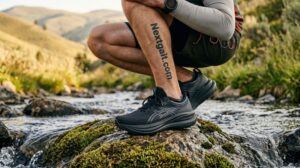
| Women’s weight | Drop | Support | Ride | Women’s widths |
|---|---|---|---|---|
| 8.5 oz | 8 mm | Neutral | Plush, controlled | Standard, Wide |
The Nimbus 28 is my top recommendation because it solves the most common buying problem in this category: a runner wants more cushioning, but not a shoe that folds or wobbles when the run gets long. My logged history with the current platform is 260 reported miles in a men’s US 10.5. That lets me speak confidently about the ride and wear pattern, not the exact women’s last.
On a 12-mile Ventnor-to-Margate run in light mist, the heel settled softly and the forefoot rolled forward without the dead pause I get from some max-cushion midsoles. The same character held on a 14-miler near the Forsythe refuge. It is not lively in the workout-shoe sense; it is consistent. That distinction matters after 90 minutes, when a shoe that felt exciting in the store can start feeling unstable.
ASICS lists the women’s shoe at 8.5 ounces with an 8 mm drop, using FF BLAST PLUS cushioning and PureGEL. The current engineered-knit upper is comfortable but not especially airy. The generous front works well for normal run swelling, while the shaped heel keeps the shoe from feeling generally loose.
At 260 reported miles, my outsole showed little meaningful wear and the midsole still felt coherent. I would use it for easy runs, long runs, recovery days, and high-mileage weeks. I would not use it for 400-meter repeats or runners who dislike a tall shoe.
Fit check: Start true to size. The women’s model is sold in Standard and Wide; check heel hold before accepting extra forefoot room.
Skip it when: Too much shoe for intervals, and the knit upper can run warm.
Ken’s verdict: The most complete easy- and long-run package here: deep cushioning without the vague, collapsing feel that ruins some max-cushion shoes. Read Ken’s full review or related guide, then verify the women’s current specifications.
2. Brooks Glycerin GTS 23 – Best cushioned support shoe
Evidence status: 8.9/10; 220 reported miles in Ken’s same-numbered men’s version. Women’s specifications and widths were checked separately. Current model when checked July 21, 2026.
Brooks Glycerin GTS 23 ranks 2 because A soft premium trainer with guidance that stays out of the way until fatigue makes your stride less tidy.
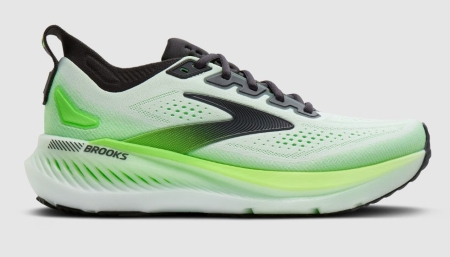
| Women’s weight | Drop | Support | Ride | Women’s widths |
|---|---|---|---|---|
| 9.8 oz | 8 mm | Structured support | Plush, stable | Standard, Wide |
The Glycerin GTS 23 is the support pick for the runner who wants the finish and softness of a premium neutral shoe without giving up guidance. I have 220 reported miles in the men’s version. The useful part of Brooks’ GuideRails approach is that the shoe does not feel like a hard wedge under the arch; the sidewalls become more noticeable when the stride drifts later in a run.
During a damp five-miler on the Atlantic City Boardwalk, the shoe felt softer and quieter than the Adrenaline GTS 25. On a breezy 10-miler along Margate, the ride stayed calm rather than becoming mushy. It is a one-speed comfort shoe, though. When I tried to turn it into a tempo trainer, the weight and plush upper made the job feel unnecessarily expensive in energy.
Brooks lists the women’s model at 9.8 ounces, with an 8 mm drop and Standard and Wide sizing. The front of my pair felt more accommodating than the Adrenaline, and the padded heel held securely. That combination makes it a sensible fitting-room candidate for a narrow heel plus a forefoot that needs some room.
Buy the GTS only if guided shoes have worked for you or a qualified professional has suggested one. A low-looking arch alone does not prove that you need stability. The neutral Glycerin 23 uses a similar cushioning idea without GuideRails.
Fit check: The toe box felt more accommodating to me than the Adrenaline. Women’s Standard and Wide options improve the odds of a clean fit.
Skip it when: Heavy for fast running; skip the GTS version if you consistently prefer neutral shoes.
Ken’s verdict: A soft premium trainer with guidance that stays out of the way until fatigue makes your stride less tidy. Read Ken’s full review or related guide, then verify the women’s current specifications.
3. Saucony Ride 19 – Best for beginners
Evidence status: 8.8/10; 110 reported miles in Ken’s same-numbered men’s version. Women’s specifications and widths were checked separately. Current model when checked July 21, 2026.
Saucony Ride 19 ranks 3 because The easiest shoe in this list to understand: light, balanced, stable enough for routine miles, and never demanding a special stride.

| Women’s weight | Drop | Support | Ride | Women’s widths |
|---|---|---|---|---|
| 7.7 oz | 8 mm | Neutral | Balanced, smooth | Standard, Wide |
The Ride 19 is the beginner pick because it does not force a new runner to manage a dramatic rocker, a carbon plate, or a very soft platform. I have 110 reported miles in the same-numbered men’s model. The PWRRUN+ ride lands in the useful middle: softer than a firm traditional trainer, more controlled than a max-cushion shoe.
My best run in it was an unremarkable seven-miler through Brigantine, which is exactly the point. The shoe disappeared while I listened to a podcast. Heel-to-toe movement was smooth, the upper stayed out of the way, and I did not have to change my stride when the pace wandered.
Saucony lists the women’s shoe at 7.7 ounces with an 8 mm drop and a 36/28 mm platform. That is unusually light for a daily trainer with this much cushioning. The Standard fit worked true to size for me, and a Wide option is available. For bunion pressure, choose width based on the ball of the foot; buying a longer shoe can leave the heel floating.
The tradeoff is personality. The Ride does not have the Nimbus’ deep protection or the Endorphin Speed’s snap. It is a reliable first shoe, a daily-mileage shoe, and a strong value when discounted.
Fit check: True to size in my pair. Choose Wide for forefoot pressure rather than adding unnecessary length.
Skip it when: It does not have the aggressive pop of a workout shoe or the depth of a true max-cushion trainer.
Ken’s verdict: The easiest shoe in this list to understand: light, balanced, stable enough for routine miles, and never demanding a special stride. Read Ken’s full review or related guide, then verify the women’s current specifications.
4. Nike Vomero 18 – Best max-cushion value
Evidence status: 8.7/10; 175 reported miles in Ken’s same-numbered men’s version. Women’s specifications and widths were checked separately. Current model when checked July 21, 2026.
Nike Vomero 18 ranks 4 because A lot of comfortable road shoe for the money, with ZoomX over ReactX and a rocker that works best when the pace stays easy.
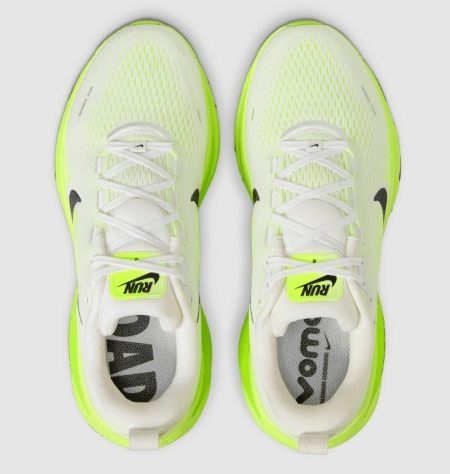
| Women’s weight | Drop | Support | Ride | Women’s widths |
|---|---|---|---|---|
| 9.3 oz | 10 mm | Neutral | Very soft, rockered | Regular, Wide |
The Vomero 18 is Nike’s soft daily trainer and my max-cushion value pick. I have 175 reported miles in the men’s model, worn a half size larger than my usual US 10.5. Its two-layer midsole places ZoomX over ReactX, producing a softer landing than the Pegasus while the lower layer and broad outsole keep the shoe from feeling completely loose.
On a 12-mile Brigantine loop, the rocker made the final third less laborious than I expected from a 9-plus-ounce women’s shoe. The shoe worked best when I left the watch alone and ran easy. During faster work, the front felt too compliant for quick turnover.
Nike lists the women’s Vomero 18 at 9.3 ounces with a 10 mm drop, Regular and Wide fits, and a 46/36 mm stack. That high heel-to-forefoot offset can be comfortable for some heel strikers and runners transitioning away from a lower-drop shoe, but drop is not a treatment for Achilles pain.
My heel outsole was wearing and the foam showed more compression by 175 miles than the Nimbus did at a similar point. I would buy the Vomero for easy mileage and comfort, not because I expected the longest service life in this ranking.
Fit check: The women’s model comes in Regular and Wide. My Nike pair required a half-size increase, so compare heel hold in both lengths.
Skip it when: The tall, soft ride is not the answer for runners who want ground feel or a crisp tempo transition.
Ken’s verdict: A lot of comfortable road shoe for the money, with ZoomX over ReactX and a rocker that works best when the pace stays easy. Read Ken’s full review or related guide, then verify the women’s current specifications.
5. Nike Pegasus 42 – Best one-shoe rotation
Evidence status: 8.7/10; 145 reported miles in Ken’s same-numbered men’s version. Women’s specifications and widths were checked separately. Current model when checked July 21, 2026.
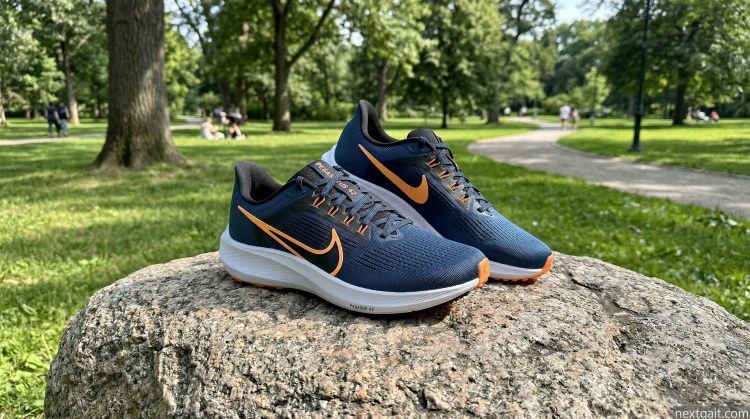
Nike Pegasus 42 ranks 5 because The utility pick: easy runs, steady work, fartlek, hotel treadmill, and an occasional race without owning five shoes.
| Women’s weight | Drop | Support | Ride | Women’s widths |
|---|---|---|---|---|
| 8.6 oz | 10 mm | Neutral | Responsive, firm-balanced | Regular, Wide |
The Pegasus 42 is the shoe I would pack for a trip when I can bring one pair. My current pair has 145 reported miles. I have used it for progression runs, easy mileage, and fartlek, and the transition between paces is the reason it ranks here. The ReactX and full-length Air Zoom setup feels firmer and quicker than the Vomero.
My clearest test was a boardwalk fartlek alternating two minutes fast and two minutes easy. The shoe never felt stranded at either pace. It also worked on a progression from roughly 9:00 to 7:45 per mile without a hard shift in mechanics.
Nike lists the women’s model at 8.6 ounces with a 10 mm drop. The company also widened the toe and forefoot compared with the Pegasus 41. I still wore a half size up in the men’s version, so women between sizes should compare the usual length and the next half size, then reject whichever allows heel lift.
The weak test was a wet 14-miler: the upper held water and the collar rubbed once soaked. For routine dry roads and treadmills, though, the Pegasus remains one of the least complicated one-shoe rotations.
Fit check: Nike widened the women’s forefoot versus the 41, but my pair still ran short enough that I used a half size up.
Skip it when: Wet upper and heel-collar friction were the weak points in my testing.
Ken’s verdict: The utility pick: easy runs, steady work, fartlek, hotel treadmill, and an occasional race without owning five shoes. Read Ken’s full review or related guide, then verify the women’s current specifications.
6. ASICS Gel-Kayano 32 – Best tested stability value
Evidence status: 9.0/10; 280 reported miles in Ken’s same-numbered men’s version. Women’s specifications and widths were checked separately. Previous generation with 280 reported miles. Compare the Kayano 33 at full price; choose the 32 mainly when discounted.
ASICS Gel-Kayano 32 ranks 6 because The strongest blend of premium cushioning, broad platform stability, and fit options for runners who know they prefer guidance.
| Women’s weight | Drop | Support | Ride | Women’s widths |
|---|---|---|---|---|
| 9.2 oz | 8 mm | Adaptive stability | Cushioned, guided | Narrow, Standard, Wide |
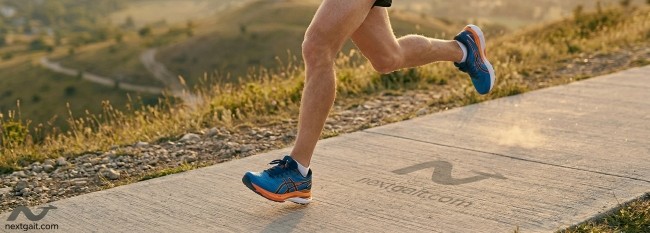
The Kayano 32 is the stability shoe I trust most in this group. I have 280 reported miles in the men’s model, and its 4D Guidance System feels fundamentally different from the rigid medial posts that made older stability shoes feel corrective. Geometry, sidewall shape, and the platform do more of the work.
The moment that sold me was not a fresh first mile. It was a rainy 10-miler on wet boardwalk planks, when the shoe stayed predictable as fatigue made my landing less tidy. That is the useful test for support: what happens late, not how dramatic the arch feels while standing in a store.
ASICS lists the women’s Kayano 32 at about 9.2 ounces, with an 8 mm drop and Narrow, Standard, and Wide options. My pair was slightly snug through the midfoot. The multiple widths matter because arch pressure is often a fit problem, not proof that more support is required.
At 280 reported miles, the high-wear rubber and upper were holding well. The shoe is still too substantial for track repetitions. It belongs on easy, steady, and long runs for women who already know a guided platform agrees with them.
Fit check: My men’s pair was snug through the midfoot. ASICS sells the women’s model in Narrow, Standard, and Wide, which is unusually useful.
Skip it when: It is a cruiser, not a track shoe. Do not buy stability hardware solely because an arch looks low.
Ken’s verdict: The strongest blend of premium cushioning, broad platform stability, and fit options for runners who know they prefer guidance. Read Ken’s full review or related guide, then verify the women’s current specifications.
7. HOKA Arahi 8 – Best lightweight stability shoe
Evidence status: 8.5/10; 165 reported miles in Ken’s same-numbered men’s version. Women’s specifications and widths were checked separately. Current model when checked July 21, 2026.
HOKA Arahi 8 ranks 7 because A lighter alternative to traditional stability shoes, with an H-Frame and a ride that feels less corrective than an old medial post.
| Women’s weight | Drop | Support | Ride | Women’s widths |
|---|---|---|---|---|
| 7.7 oz | 8 mm | H-Frame stability | Balanced, guided | Standard, Wide |
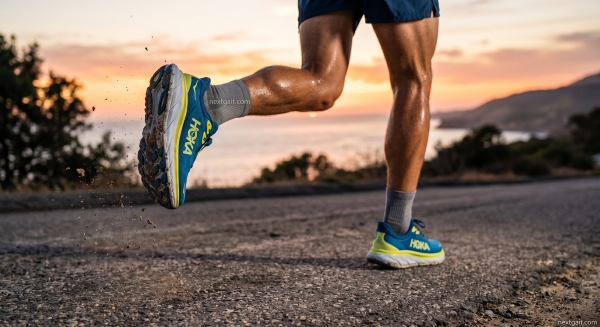
The Arahi 8 is the lighter stability alternative. I have 165 reported miles in the men’s version. One correction matters here: the current Arahi uses H-Frame technology, not the J-Frame found in older generations. That is why the new model should not be purchased solely on memories of an Arahi 6 or 7.
On a 10-mile run, the shoe felt most useful after mile seven, when fatigue increased side-to-side movement. The guidance stayed subtle and the shoe remained easier to turn over than a traditional heavy stability trainer. At tempo effort, however, the ride flattened out and stopped feeling efficient.
HOKA lists the women’s model at 7.7 ounces with an 8 mm drop. That combination is rare in a stability category that still trends heavy. My pair fit true to size with a secure heel and reasonable toe space, but the H-Frame can feel different under runners with rigid high arches.
Choose the Arahi over the Kayano when low weight matters more than plushness. Choose the Kayano when you want a more substantial upper, more width choices, and a calmer long-run platform.
Fit check: True to size for me, with a secure heel and useful forefoot room. Try Wide if the bunion joint touches the upper.
Skip it when: The geometry favors easy and steady running; it felt dull when I forced tempo pace.
Ken’s verdict: A lighter alternative to traditional stability shoes, with an H-Frame and a ride that feels less corrective than an old medial post. Read Ken’s full review or related guide, then verify the women’s current specifications.
8. HOKA Bondi 9 – Best for recovery runs and walking
Evidence status: 8.4/10; 310 reported miles in Ken’s same-numbered men’s version. Women’s specifications and widths were checked separately. Current model when checked July 21, 2026.
HOKA Bondi 9 ranks 8 because A high-volume comfort tool for recovery jogging, long periods on foot, and runners who value protection over pace changes.

| Women’s weight | Drop | Support | Ride | Women’s widths |
|---|---|---|---|---|
| 9.3 oz | 5 mm | Neutral, broad platform | Plush, rockered | Standard, Wide |
The Bondi 9 is not my best running shoe overall. It is the best tool here for recovery jogging and long periods on foot. I have 310 reported miles in the men’s model. Its tall supercritical-EVA midsole, broad base, and early rocker create protection, but they also remove flexibility and pace range.
The Bondi made sense the day after a hard tempo workout, when four easy boardwalk miles felt better at the finish than at the start. It also carried me through a cold 14-miler without the underfoot flattening I felt in the Clifton 10 late in similar runs. That does not mean it prevents injury; it means the cushioning remained comfortable for me.
HOKA lists a 5 mm drop and the women’s shoe around 9.3 ounces. My fit was roomy in front with a secure heel, though the thick collar can press against a low ankle bone. Runners coming from flexible 10-12 mm shoes should phase in the lower drop and rocker rather than making an overnight switch.
By 310 reported miles, my heel foam felt noticeably more compressed. Use feel, symmetry, and new discomfort alongside mileage when deciding when to replace it; outsole appearance alone is not enough.
Fit check: My pair had a roomy front and secure heel. The thick collar deserves attention if your ankle bones sit low.
Skip it when: The 5 mm drop and rigid rocker can feel abrupt if you are moving from a flexible 10-12 mm shoe.
Ken’s verdict: A high-volume comfort tool for recovery jogging, long periods on foot, and runners who value protection over pace changes. Read Ken’s full review or related guide, then verify the women’s current specifications.
9. Saucony Endorphin Speed 5 – Best for speedwork
Evidence status: 9.1/10; 230 reported miles in Ken’s same-numbered men’s version. Women’s specifications and widths were checked separately. Current model when checked July 21, 2026.
Saucony Endorphin Speed 5 ranks 9 because The workout shoe I would buy before a carbon racer: fast enough for hard sessions, friendlier underfoot, and useful for more than race day. For the footwear side of the buildup, see how I choose shoes for marathon training.
| Women’s weight | Drop | Support | Ride | Women’s widths |
|---|---|---|---|---|
| 7.2 oz | 8 mm | Neutral, nylon plate | Fast, rockered | Standard, Wide |
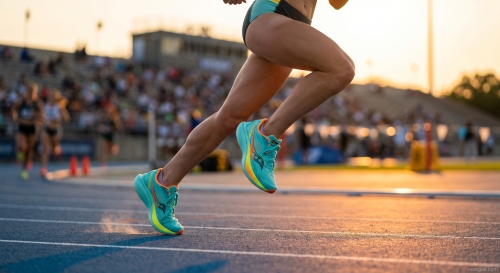
The Endorphin Speed 5 is the performance shoe I recommend before most runners buy a carbon racer. I have 230 reported miles in the men’s version and raced a 47:33 10K in it. The nylon plate is less rigid than a carbon plate, while the PWRRUN PB foam and SPEEDROLL geometry still make faster turnover feel natural.
On my first tempo run, pace drifted from about 7:50 to 7:38 per mile without a deliberate push. That is a personal observation, not proof that the shoe created the improvement. The more repeatable finding was that the rocker stayed smooth through tempo, 10K effort, and controlled intervals.
The women’s Speed 5 uses an 8 mm drop and is listed at 7.2 ounces. The fit is performance-snug at the midfoot with a secure heel, and Saucony offers a Wide version. A plated shoe should still pass the same test as any trainer: no toe contact, no arch pressure, and no heel lift at the intended pace.
At 230 reported miles, forefoot rubber wear was visible and the foam had softened slightly, but the shoe still had snap. Save it for workouts and races; it feels impatient and unnecessarily rigid on recovery days.
Fit check: Performance-snug through the midfoot with a secure heel. A women’s Wide version exists for runners who need forefoot space.
Skip it when: The rocker feels restless at recovery pace, and a plated shoe should be introduced gradually.
Ken’s verdict: The workout shoe I would buy before a carbon racer: fast enough for hard sessions, friendlier underfoot, and useful for more than race day. Read Ken’s full review or related guide, then verify the women’s current specifications.
10. Nike Alphafly 3 – Best for half-marathon and marathon racing
Evidence status: 8.8/10; 95 reported miles in Ken’s same-numbered men’s version. Women’s specifications and widths were checked separately. Current model when checked July 21, 2026.
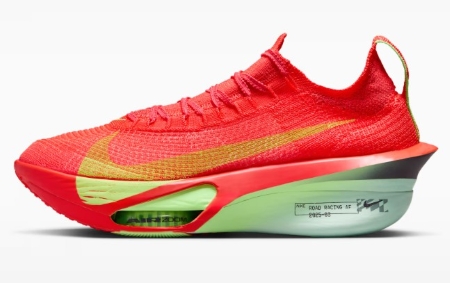
Nike Alphafly 3 ranks 10 because A race-only choice for runners who have tested the geometry at pace and want maximum mechanical assistance over long road races.
| Women’s weight | Drop | Support | Ride | Women’s widths |
|---|---|---|---|---|
| 6.1 oz | 8 mm | Neutral, carbon plate | Aggressive, highly rockered | Standard |
The Alphafly 3 is the specialist. I have 95 reported miles in the men’s version and used it in an Atlantic City 5K where I ran 22:55. I cannot credit the shoe for that time; fitness, weather, pacing, and the course matter. What I can say is that the ZoomX, twin forefoot Air units, and carbon plate feel distinctly more aggressive at race effort than at easy pace.
The first fast 400 meters felt tall and unfamiliar. After I adapted, the rocker became smoother, but I would never take a fresh pair straight to a goal race. High-stack racing shoes can change where the lower leg is loaded, and response varies between runners.
Nike lists the women’s Alphafly 3 at 6.1 ounces with an 8 mm drop and explicitly says it fits small. The upper is thin, the fit is narrow and race-specific, and the platform is less forgiving at slow speed or on uneven surfaces.
At 95 reported miles, my ZoomX showed compression creases and the thin outsole was wearing quickly. This is for half-marathon and marathon racing after a successful workout and long-run test. It is not the best first running shoe, daily trainer, or value choice.
Fit check: Nike says the women’s model fits small and recommends a half size up. My men’s pair also needed that increase.
Skip it when: Expensive, less durable, awkward at easy pace, and a poor blind buy for unstable ankles or wide forefeet.
Ken’s verdict: A race-only choice for runners who have tested the geometry at pace and want maximum mechanical assistance over long road races. Read Ken’s full review or related guide, then verify the women’s current specifications.
Women’s Running Shoe Comparison
Use this table to narrow the field, not to choose without trying the shoe. Listed weights are manufacturer samples and can vary by size. Reported mileage refers to Ken’s same-numbered men’s version.
| Rank | Shoe | Best for | Women’s weight | Drop | Support | Widths | Ken miles |
|---|---|---|---|---|---|---|---|
| 1 | ASICS Gel-Nimbus 28 | Best overall | 8.5 oz | 8 mm | Neutral | Standard, Wide | 260 |
| 2 | Brooks Glycerin GTS 23 | Best cushioned support shoe | 9.8 oz | 8 mm | Structured support | Standard, Wide | 220 |
| 3 | Saucony Ride 19 | Best for beginners | 7.7 oz | 8 mm | Neutral | Standard, Wide | 110 |
| 4 | Nike Vomero 18 | Best max-cushion value | 9.3 oz | 10 mm | Neutral | Regular, Wide | 175 |
| 5 | Nike Pegasus 42 | Best one-shoe rotation | 8.6 oz | 10 mm | Neutral | Regular, Wide | 145 |
| 6 | ASICS Gel-Kayano 32 | Best tested stability value | 9.2 oz | 8 mm | Adaptive stability | Narrow, Standard, Wide | 280 |
| 7 | HOKA Arahi 8 | Best lightweight stability shoe | 7.7 oz | 8 mm | H-Frame stability | Standard, Wide | 165 |
| 8 | HOKA Bondi 9 | Best for recovery runs and walking | 9.3 oz | 5 mm | Neutral, broad platform | Standard, Wide | 310 |
| 9 | Saucony Endorphin Speed 5 | Best for speedwork | 7.2 oz | 8 mm | Neutral, nylon plate | Standard, Wide | 230 |
| 10 | Nike Alphafly 3 | Best for half-marathon and marathon racing | 6.1 oz | 8 mm | Neutral, carbon plate | Standard | 95 |
The Kayano 32 is a previous-generation value pick. Compare Kayano 33 when prices are similar rather than assuming the older model is the better buy.
How to Choose Women’s Running Shoes Without Guessing
1. Start with the run you do most
If 80 percent of the week is easy running, buy for easy running. Nimbus, Ride, Vomero, or Glycerin GTS serves more of the week than a plated racer. The long-distance shoe guide covers sustained cushioning and late-run stability.
2. Treat arch height and pronation as clues
A low arch does not automatically require stability, and pronation is a normal part of gait. Compare neutral and guided platforms. See the guides to overpronation and supination.
3. Pick width before adding length
Forefoot pressure, bunion contact, and toe numbness often need a wider last rather than a longer shoe. Read the bunion shoe guide for upper and lacing details.
4. Respect drop changes
Moving quickly from a 10 mm Pegasus to a 5 mm Bondi changes ankle and lower-leg demands even though both are cushioned. Alternate the new pair for short easy runs before extending it.
5. Test the shoe at running load
Stand, jog, corner, and run at the intended pace. For indoor use, compare the best treadmill shoes and the differences between treadmill and outdoor running.
6. Replace by change, not a magic number
A 300-500 mile range is only a planning tool. Replace a shoe when its ride changes materially, wear becomes asymmetric, the upper loses hold, or discomfort repeatedly appears in that pair. Use the full replacement checklist.
Plantar Fasciitis, Knee Pain, Bunions, and Achilles Sensitivity
These concerns make fit testing more specific; they do not create a universally therapeutic shoe. For plantar heel pain, many runners prefer a secure heel, stable base, and enough forefoot stiffness to avoid a painful bend, while others prefer more flexibility.
For knee pain, compare two meaningfully different platforms instead of buying the softest shoe by default. Swelling, locking, giving way, trauma, or gait-changing pain needs assessment. See the knee-pain shoe guide and runner’s-knee symptoms and rehab guide.
For bunions, width and upper placement matter more than cushion labels. For Achilles or calf sensitivity, avoid a dramatic drop change while symptoms are active. The Achilles shoe guide explains the tradeoffs.
Frequently Asked Questions
These short answers preserve the decisions that matter most: purpose, fit, evidence, support, and current symptoms.
What is the best running shoe for women overall?
The ASICS Gel-Nimbus 28 is my best overall pick for most neutral runners prioritizing easy and long-run comfort. It combines an 8.5-ounce women’s build, 8 mm drop, maximum cushioning, and a controlled platform. The right choice still depends on fit, pace, and whether you prefer guidance.
Are women’s running shoes actually different from men’s?
Sometimes. A women’s SKU can use a different last, size scale, width, upper volume, or color, while the midsole geometry may remain similar. Average sex-based foot-shape differences exist, but individual variation is large. Buy the shape that holds your heel and leaves functional toe room, regardless of the label.
How much room should women leave in running shoes?
Start with roughly a thumb’s width between the longest toe and the front while standing, then check the bend point, heel lift, and downhill toe contact. Width should come from the ball of the foot, not simply from buying a longer size.
What running shoes are best for plantar fasciitis?
There is no universally best shoe for plantar fasciitis. Many runners tolerate a stable platform, secure heel, and moderate-to-high cushioning, but the cause and preferred stiffness vary. The Nimbus 28, Glycerin GTS 23, Kayano 32, and Bondi 9 are fitting-room candidates, not treatments.
What running shoes are best for knee pain?
No shoe can diagnose or cure knee pain. A comfortable shoe that matches your preferred motion path may alter loading, but responses are individual. Try two meaningfully different platforms, test them at an easy pace, and seek clinical assessment for swelling, instability, locking, or persistent gait-changing pain.
What running shoes work for bunions?
Prioritize a wide option, sufficient ball-of-foot width, a soft upper over the joint, and secure heel hold. The Ride 19, Glycerin GTS 23, Arahi 8, and Bondi 9 are useful candidates. Do not solve forefoot pressure by adding so much length that the heel slips.
Should running shoes feel tight at first?
No. A performance shoe can feel secure, but it should not require a painful break-in. Reject toe contact, numbness, burning, arch pressure, or heel movement that cannot be fixed with lacing. Foam changes slightly; a wrong last usually stays wrong.
How often should women replace running shoes?
Many road shoes fall somewhere around 300-500 miles, but the real signal is a change in ride, asymmetric wear, loss of stability, upper failure, or new discomfort that appears consistently in one pair. Track mileage, then compare the old shoe with a fresh pair rather than using mileage alone.
Why is the ASICS Gel-Nimbus 28 ranked above the Brooks Glycerin 23 and New Balance 1080v15?
The Nimbus 28 ranks first because Ken has 260 reported miles in the same-numbered version and found its cushioning more controlled late in long runs. The neutral Glycerin 23 and 1080v15 may fit some women better, but NextGait has no physical mileage in those exact versions, so they are not presented as tested winners.
Should I buy the ASICS Gel-Kayano 32 or Kayano 33?
The Kayano 32 is the evidence-backed value choice here because Ken has 280 reported miles in it. The Kayano 33 is the newer model and should be compared when prices are similar, but NextGait has not completed enough mileage to rank it. Buy the 32 mainly at a meaningful discount or when its fit already works for you.
Specification Sources and Update Notes
Last full specification and market check: July 21, 2026. Prices, inventory, colors, and listed weights can change. When a current model lacked enough NextGait mileage, this guide left it unranked instead of presenting specifications as personal testing.
- ASICS: Nimbus 28 women’s specifications and widths.
- Brooks: Glycerin GTS 23 women’s specifications and widths.
- Saucony: Ride 19 women’s specifications and widths.
- Nike: Pegasus 42 women’s specifications.
- HOKA: Arahi 8 women’s model details.
- Female foot morphology study: shape differences versus men’s running-shoe lasts.
- Sex-specific running biomechanics systematic review: individual variation and study limitations.
- Pregnancy-related foot structure research: possible lasting changes in arch height and foot length.
Final Verdict
ASICS Gel-Nimbus 28 is the best running shoe for most women seeking a comfortable neutral road trainer. Saucony Ride 19 is the lighter first-shoe option, Brooks Glycerin GTS 23 adds guided cushioning, and Saucony Endorphin Speed 5 is the smarter first performance buy before a carbon racer.
Compare fit before score. Keep the shoe that holds the heel, gives the forefoot working room, and matches the run you do most. The ranking gets you to the right shelf; your foot decides what leaves the store.
NextGait may earn a commission from qualifying purchases through Amazon links, at no added cost to you. Affiliate relationships do not determine rankings. Models were ranked before purchase links were added.
Narrow the everyday options: Use my best everyday trainers for women for fit, ride, durability, and failure-mode notes from verified mileage.