
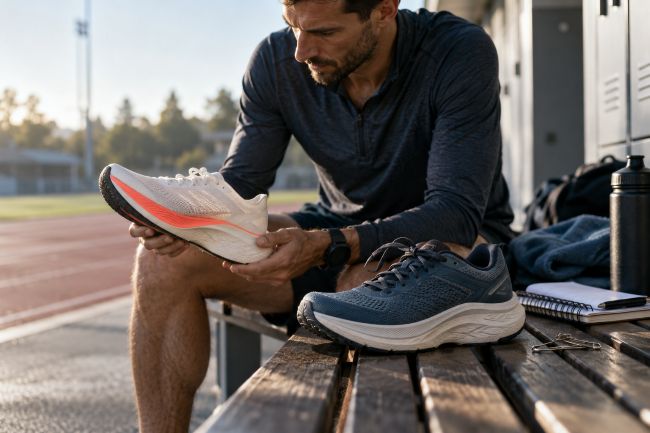
Race Shoe vs Daily Trainer: My Two-Gate Test for Choosing the Right Pair
I buy the daily trainer first. A race shoe earns the specialist slot only after training is covered and its race-day advantage survives a complete rehearsal.

I buy the daily trainer first. A race shoe earns the specialist slot only after training is covered and its race-day advantage survives a complete rehearsal.
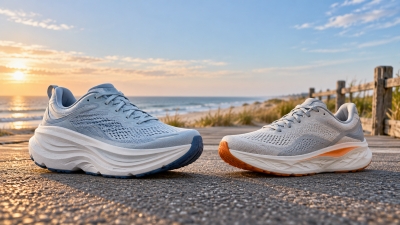
HOKA Bondi 9 vs New Balance 1080v15: Ken compares the rocker, fit, easy runs, steady pace and walking to help you choose the right cushioned shoe.
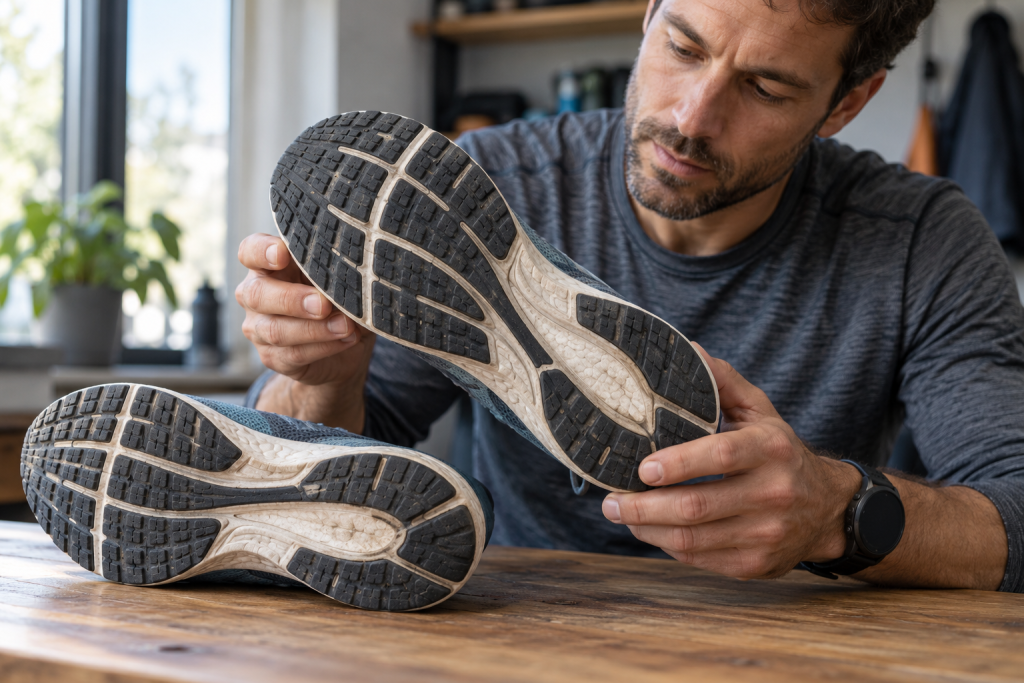
I read outsole rubber as a system: compound, coverage, tread, surface, moisture and wear. Here is how I inspect it before and after the run.
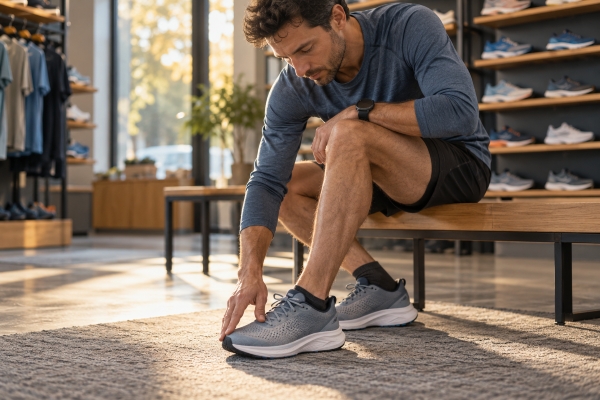
Running shoes should hold the heel and midfoot securely, support the forefoot, and leave the toes free. Here is the 12-minute fit test I use.

I use a four-question Sunday board to reduce the stress that actually accumulated, preserve useful rhythm, and decide when the next build has been earned.
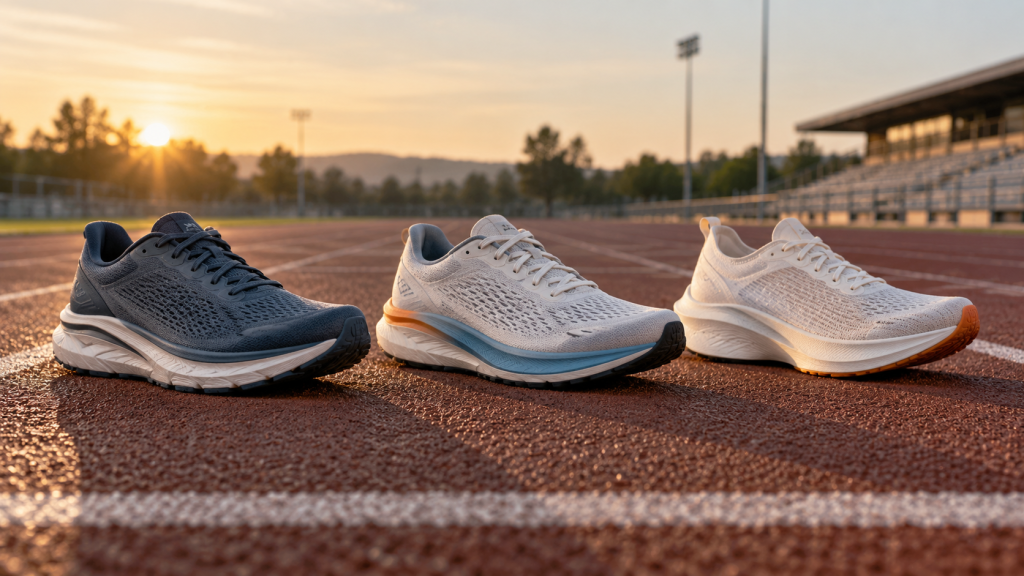
Ken’s practical system for building the smallest useful running-shoe rotation, assigning every pair a job, testing new shoes, and removing redundant roles.
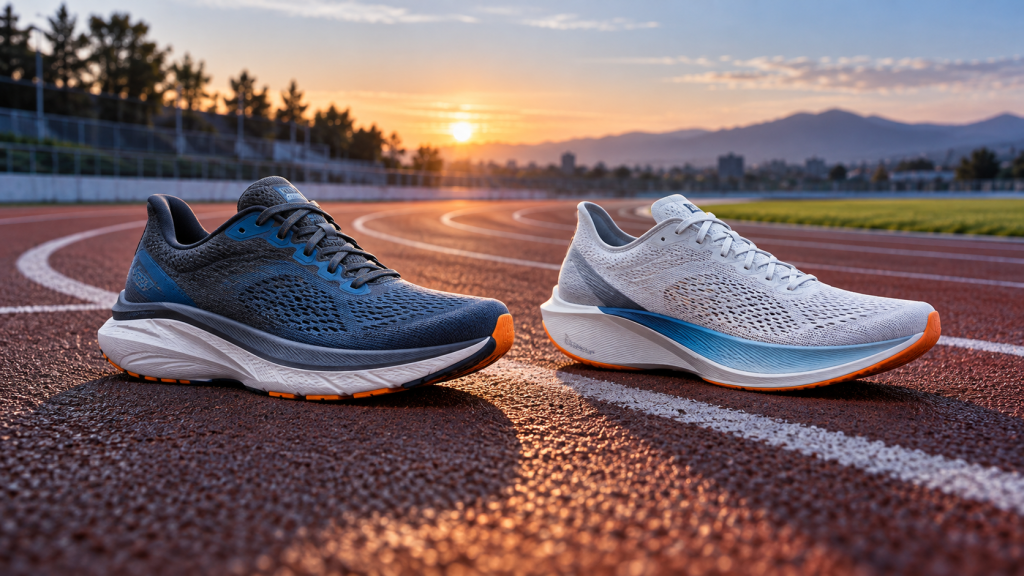
Ken’s weekly role map for choosing a daily trainer, adding a tempo shoe, or using one versatile running shoe for both easy and faster sessions.
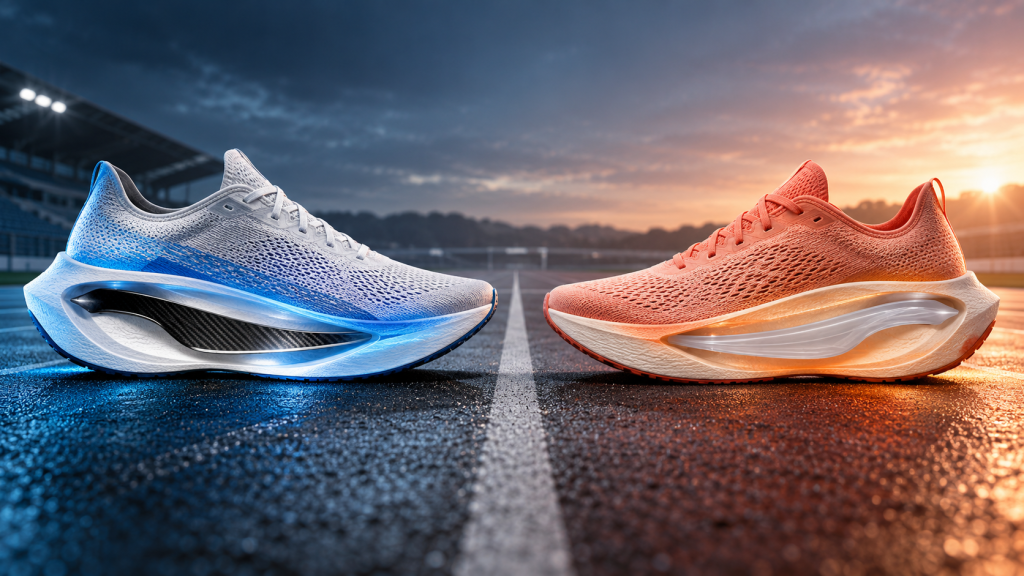
Ken’s flex-map comparison of carbon, nylon, and unplated running shoes—built around pace, fit, foam, rocker timing, fatigue, and the job the shoe must do.
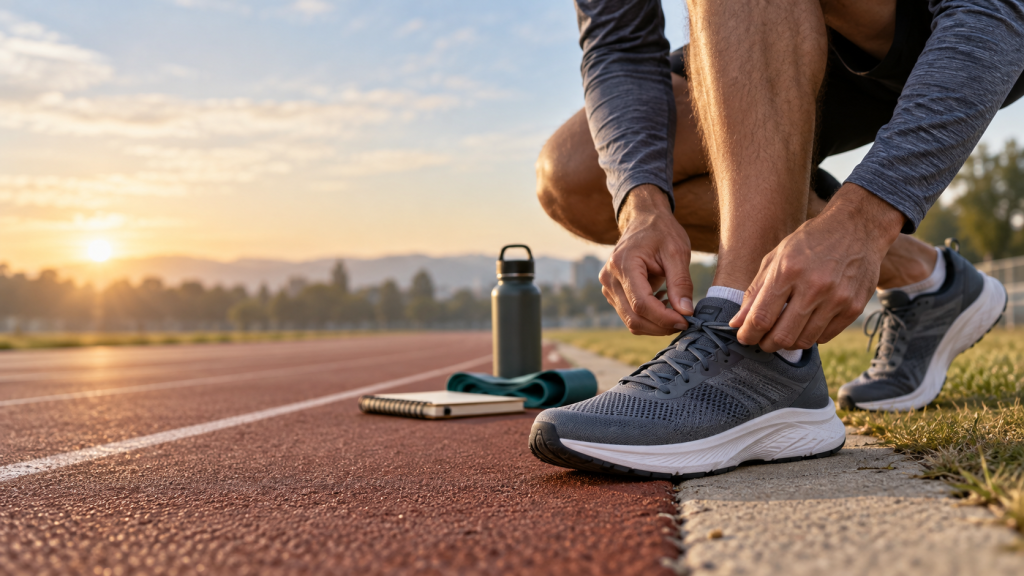
Ken’s honest answer to whether running shoes prevent injuries, with a four-dial risk panel, three-run shoe audit, and clear stop, modify, or continue signals.
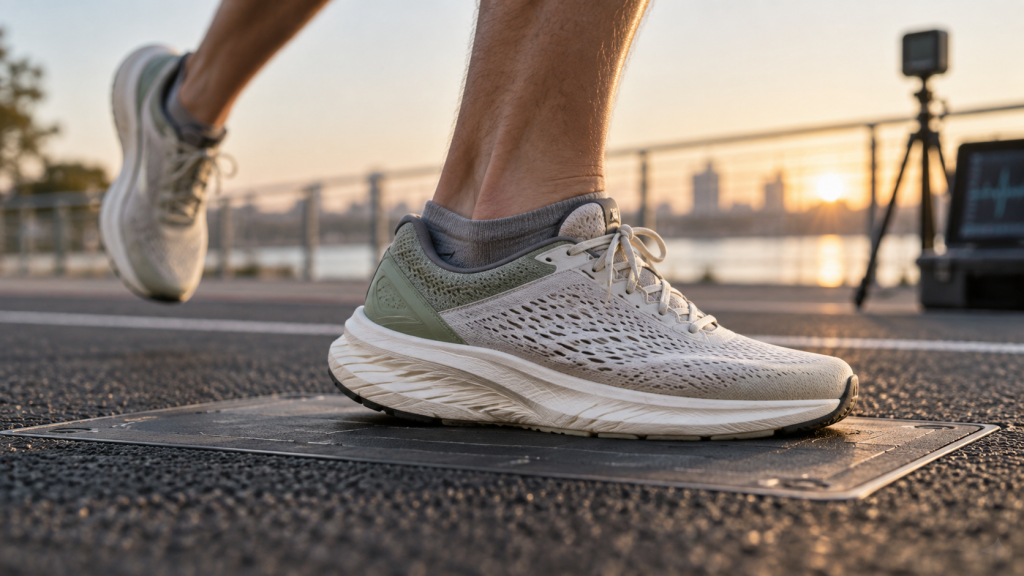
Ken’s runner-tested answer to whether cushioning reduces impact, including the five readings he uses to separate useful protection from unstable softness.
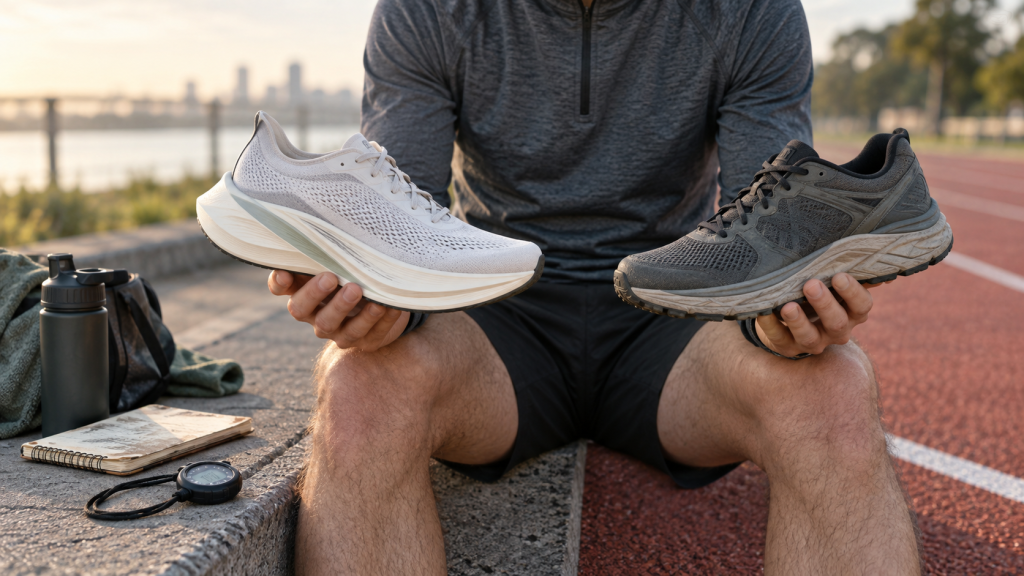
Ken’s practical value test for deciding when premium running shoes deserve the price—and when a simpler, less expensive pair is the smarter choice.
I share how I decide whether to run, modify, or move indoors in windy conditions, then adjust effort, route, form, clothing, drafting, and stop rules.

I share my 5K race strategy for choosing a pace profile, controlling the first kilometer, correcting early errors, handling hills and wind, and earning the final kick.

I share how I taper for a marathon using completed training, accumulated fatigue, retained intensity, missed runs, travel, symptoms, and race-week logistics.

I share how I build and execute a marathon pacing strategy using training evidence, course and weather adjustments, race phases, and clear decision points.
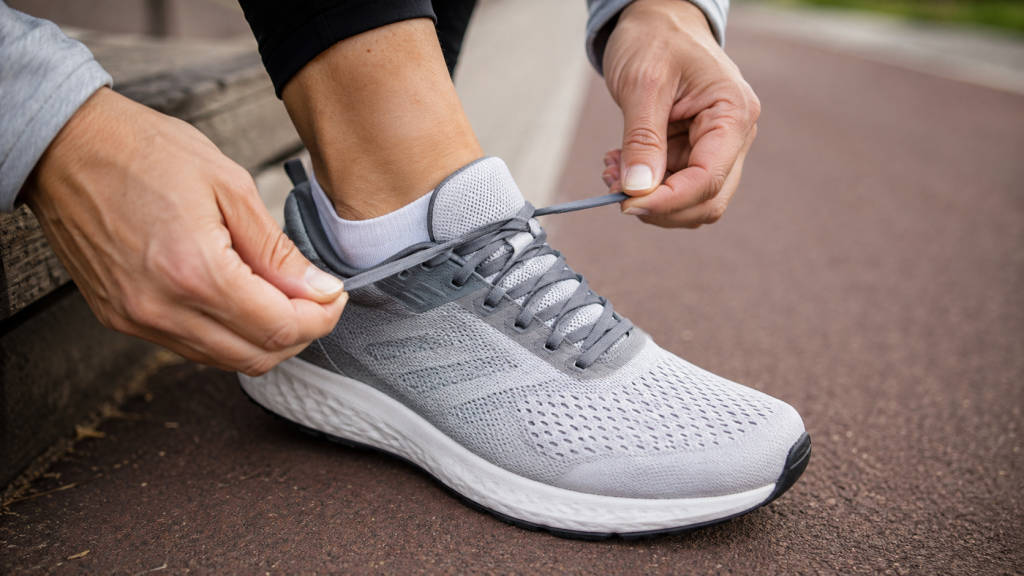
I share how I diagnose and stop heel slip in running shoes with a runner’s loop, pressure checks, a short fit test, and clear signs the shoe shape is wrong.
I share the bone stress injury warning signs I never run through, how I reconstruct load, and when I stop training and arrange an assessment.
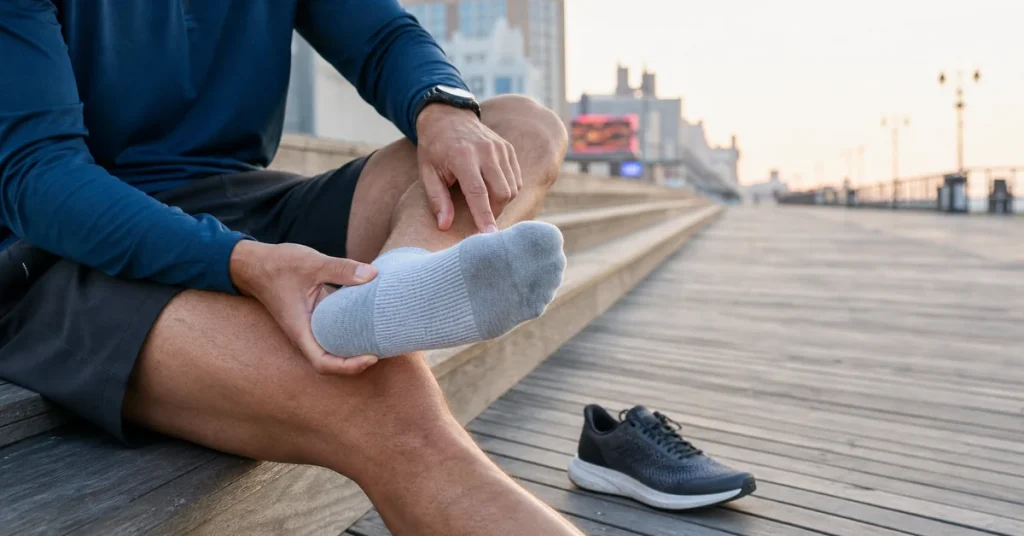
I share how I assess foot pain after running by location, timing, recent load, warning signs, and the response that determines my next step.

I share how I approach plantar heel pain as a runner: identify the pattern, audit recent load, rebuild foot capacity, and know when to get assessed.
I share how I approach Achilles tendinopathy as a runner: locate the symptoms, audit load, adjust running, build tendon capacity, and know when to get help.

I share the criteria-based comeback plan I use after appropriate clearance: readiness gates, walk-run stages, response checks, and clear progression rules.