
How to train by effort instead of pace becomes simple when I define what the run should feel like before I start, use breathing and the talk test while I run, and treat pace and heart rate as context—not commands.
I calibrate effort on familiar routes, then let pace change with heat, hills, wind, fatigue, and altitude.
Pace is an outcome. Effort is what you are asking the body to do.
That distinction has saved more of my workouts than any watch feature. When the weather turns humid or a route climbs, forcing yesterday’s pace changes the session. Training by effort preserves its purpose.
Build an effort scale you can actually feel
I use a 1–10 rating of perceived exertion, or RPE:
| RPE | Breathing and speech | Typical use |
|---|---|---|
| 1–2 | Very easy; full conversation | Warm-up, recovery |
| 3–4 | Comfortable; sentences | Easy and long aerobic running |
| 5–6 | Purposeful; shorter sentences | Steady running |
| 7 | Controlled hard; short phrases | Threshold-oriented work |
| 8 | Hard; a few words | Longer intervals, 10K-like demand |
| 9 | Very hard; single words | Short intervals, late racing |
| 10 | Maximal | Rare testing or finishing sprint |
The labels are individual. My RPE 4 pace can differ by minutes across terrain or weather. The value lies in matching sensation to session purpose.
I use speech because it turns an internal feeling into something I can test without stopping. Comfortable sentences usually belong below the first major intensity boundary; speech becomes uncertain near that boundary and difficult above it. It is not a laboratory measurement. It is a practical field check I can repeat anywhere.
My 30-second effort brief before every run
Before I press start, I answer four questions: What adaptation am I training? What should my breathing sound like? What is allowed to change? What makes me back off?
That short brief prevents the watch from rewriting the workout halfway through it.
| Session | What I protect | What may change | My adjustment trigger |
|---|---|---|---|
| Easy or recovery | Full sentences, loose form, low recovery cost | Pace, route, short walk breaks | Speech breaks or form becomes deliberate |
| Long aerobic | Sustainable rhythm and fueling practice | Pace on hills, wind, and late miles | Effort climbs before the planned finish |
| Threshold intervals | Controlled-hard demand I can repeat | Split pace and recovery length | First rep feels like a race or mechanics deteriorate |
| Hill repetitions | Power, posture, and smooth rhythm | Speed and repetition count | Straining replaces coordinated running |
| Race-specific work | Target output under realistic conditions | A narrow pace range | Conditions turn the session into a different stimulus |
This is the distinction I want runners to remember: effort-based training is not vague training. It is a tighter definition of the internal demand, paired with permission for external speed to move.
How I calibrate effort on a normal day
I start on a familiar, mostly flat route in moderate conditions. After warming up, I run 10–15 minutes at each of three efforts on separate days or within a controlled session:
- Easy conversational effort.
- Steady, purposeful effort.
- Controlled hard effort sustainable for a threshold-style interval.
I record pace, average heart rate, breathing, muscle tension, and how quickly I recover. I repeat the comparison over several weeks instead of treating one run as a permanent calibration.
I am not creating permanent zones. I am building associations. When heat slows my pace but breathing matches my calibrated easy effort, the session can still be correct.
My Atlantic City Boardwalk route is useful for this because I know its landmarks, surface, and wind exposure. Familiarity removes noise. On an unfamiliar hilly route, I care less about the pace number and more about whether my breathing, posture, and recovery match the same assignment.
I define the workout before the conditions define it for me
“Run 8:00 pace” is incomplete. I write instructions like these instead:
- “Run 45 minutes conversational, RPE 3–4.”
- “Complete 3 × 10 minutes at controlled threshold effort, RPE about 7, with two-minute jogs.”
- “Run eight 60-second hills at hard, smooth effort; jog down fully.”
- “Finish the final 20 minutes of the long run at steady RPE 5–6 if form is stable.”
Pace can remain as a reference range, but the purpose decides whether to follow it.
This is especially important on easy days. A pace that was easy during cool weather may become moderate in humidity. If you force it, intensity distribution shifts without permission.
My three-signal hierarchy
1. I lead with perceived effort
RPE integrates breathing, muscular strain, heat, fatigue, and motivation. It responds immediately and works without equipment.
Its weakness is calibration. I have seen new runners confuse speed with effort and competitive runners underreport how hard they are working. Repeated honest observation improves it.
2. I confirm it with speech and breathing
Speech gives effort an external task. On easy runs, I expect full sentences without gasping. Near threshold, I expect short phrases. Above threshold, speech becomes fragmented.
Breathing changes with anxiety and altitude, so I always interpret it with context.
3. I use heart rate and pace as secondary checks
These are secondary checks. Heart rate lags at the start, rises with heat and duration, and varies with hydration, sleep, caffeine, and device accuracy. Pace is distorted by terrain and wind.
When all three agree, my confidence is high. When they conflict, I ask why rather than obeying one.
I also separate cardiovascular effort from mechanical load. A downhill can feel easy to my lungs while loading my quads heavily. A soft trail can hold heart rate down while demanding more ankle and hip stabilization. RPE is powerful, but it does not excuse me from noticing what the terrain is doing to my legs.
How I adjust for heat and humidity
Heat raises the cardiovascular and thermoregulatory cost of running. Humidity limits evaporative cooling. The same pace can demand a higher heart rate and RPE.
I start by slowing. I choose shaded routes or cooler hours, shorten intervals, extend recovery, and carry fluids when appropriate. My detailed approach to running in high humidity covers the environmental decisions; during the run, RPE preserves the intended session.
I do not calculate one universal seconds-per-mile adjustment. Acclimation, sun, dew point, clothing, body size, and session duration differ. If easy conversation disappears, the run is no longer easy regardless of the forecast formula.
Stop for confusion, fainting, severe weakness, chest pain, or other concerning symptoms and seek appropriate help.
I run hills by demand, not ego
Uphill pace is slow because vertical work is expensive. I shorten my stride, keep cadence responsive, and hold the intended breathing. I do not let a threshold climb become an interval merely to match flat-road pace.
Downhill, I let pace improve naturally without overstriding. Effort may feel easy while eccentric muscle load rises. RPE alone does not fully capture mechanical damage, so I limit aggressive descending when I am unaccustomed to it.
On rolling routes, I judge the full segment. I allow speed to fall uphill and return smoothly downhill instead of surging over every crest to repair average pace.
How I handle wind and altitude
A headwind increases energy cost. I hold posture, relax unnecessary tension, and accept slower pace. On an out-and-back, I compare effort across the full route rather than demanding matching halves.
At altitude, breathing and heart rate responses change while acclimatization develops. I slow down, reduce workout volume, and use longer recoveries. I never treat sea-level pace as a character test.
If altitude symptoms are significant or worsening, descend and seek medical guidance.
How I apply effort to every run type
Recovery run
RPE 2–3. I want the run to reduce stiffness or maintain frequency without creating a recovery bill. If my mechanics are poor, walking or rest may be better.
Easy run
RPE 3–4 with conversational speech. Pace floats. I finish able to continue. When a runner wants heart-rate boundaries as an extra reference, I hand that decision to my Zone 2 training guide rather than pretending RPE and a watch zone are identical.
Long run
I keep most long runs at RPE 3–4, perhaps rising slightly as duration accumulates. If the plan includes a faster finish, I define that segment separately.
Threshold session
Around RPE 7: controlled hard, short phrases, repeatable across intervals. I do not let it feel maximal. Pace may decline slightly in heat while the intended demand remains.
VO2-oriented intervals
I allow RPE 8–9 during work periods, with enough recovery to preserve mechanics. Because RPE rises across repetitions, I do not sprint the first interval merely to reach a number.
Strides
I run strides fast and relaxed rather than assigning them a cardiovascular RPE. I judge smooth acceleration, posture, and full recovery.
The five checkpoints that keep effort from becoming vague
“Run by feel” fails when no definitions exist. I give each session:
- an RPE range;
- a speech or breathing cue;
- a duration;
- a stop or adjustment rule;
- an optional pace/heart-rate reference;
- a post-run purpose check.
For example: “40 minutes at RPE 3–4, full sentences; walk hills if speech breaks; stop if pain changes gait.” That is more precise than a rigid pace in unstable conditions.
Then I check the run at five points:
- Before starting: I name the purpose and the effort ceiling.
- After 10 minutes: I compare actual breathing and coordination with the plan.
- At the first disruption: I respond to the first hill, gust, hot patch, or poor-feeling mile instead of waiting for the average pace to look bad.
- At two-thirds distance: I decide whether the effort is still repeatable or already borrowing from tomorrow.
- At the finish: I ask whether I completed the intended session, not whether I won the watch screen.
Those checkpoints turn subjective judgment into a repeatable process. They also expose wishful thinking early.
How I review the session afterward
I record average and peak RPE, not only pace. I note weather, route, sleep, and whether I could have completed the intended next repetition.
I ask: Did the workout create the intended stress? A slower threshold session completed evenly can be successful. A fast easy run that requires recovery can be a failure despite impressive data.
Over months, I compare pace at a given effort under similar conditions. Improvement often appears as faster speed at the same RPE and heart rate, or lower RPE at a familiar pace.
My decision tree when effort and the watch disagree
Effort high, pace slow: check heat, hills, illness, accumulated fatigue, and fueling. Reduce the session if the cause is not temporary.
Effort low, pace fast: favorable conditions or improved fitness may explain it. Stay within purpose; do not turn every good day into a test.
Heart rate high, effort normal: verify sensor contact, caffeine, heat, and cardiac drift. Watch the trend.
Heart rate low, effort high: fatigue, poor fueling, medication, or sensor error may contribute. Do not force pace because the number looks safe.
Breathing easy, legs unusually heavy: I consider accumulated muscle load, hills, strength work, and surface before blaming aerobic fitness. If coordination is worsening, I shorten the run even when heart rate looks normal.
Persistent unusual responses or symptoms deserve qualified medical evaluation.
My two-week calibration exercise
Across six easy runs, I hide pace and display only time. Every ten minutes, I record RPE and whether full sentences feel natural. Afterward, I reveal pace and heart rate.
On one workout, I use perceived effort for each interval and record splits only after completion. I look for early overpacing and late collapse.
On one rolling long run, I hold conversational effort uphill and downhill. I review how raw pace varied.
This exercise builds trust without discarding data. The watch becomes my analyst after the run rather than my supervisor during it.
My Boardwalk calibration loop
I use a familiar out-and-back because the turn exposes wind. On the outbound leg I record speech, breathing, posture, RPE, pace, and heart rate. On the return I hold the same internal demand and let pace change.
If the numbers disagree but speech and mechanics remain stable, I inspect wind and sensor quality. If every signal rises, I slow down. My heart-rate drift guide helps explain a progressive separation during longer runs.
Repeating the loop in calm, cool conditions gives me a useful pace range. It never becomes a permanent command for humid afternoons or tired legs.
The same principle matters even more off the road. My guide to trail-running effort versus road pace shows how I account for grade, footing, and technical cost when a road pace comparison stops being useful.
Effort anchors by workout
Easy running stays conversational, using the full system in easy runs explained. I finish with ordinary life and the next session intact.
Threshold work uses short phrases, controlled form, and a finish that leaves another repetition available. My threshold-pace estimation guide turns that demand into a current-condition range.
Hill repetitions preserve the same intended effort while pace falls with grade. My hill-repeat guide adds technique, descent load, and grade selection.
Fartlek changes effort deliberately. The work-and-recovery rules in fartlek training keep flexible running from becoming vague running.
Translating effort into race execution
In a flat, cool race, pace matters because the course rewards precision. I still use effort as a cross-check, particularly in the opening mile when adrenaline makes goal pace feel deceptively easy.
For an even plan, I combine internal control with checkpoints through how to pace an even split. For a delayed acceleration, I use the separate logic in how to run negative splits.
Training by effort does not mean ignoring pace forever. It means pace serves the session rather than replacing judgment.
How I prevent RPE inflation and drift
I define the effort before starting, use the same speech cues, and review the session afterward. If “RPE 4” repeatedly includes fragmented speech and compromised recovery, the label is wrong.
I also avoid grading effort only from the final minute. A poorly paced run can start at 3 and finish at 8; calling the average 5 hides the progression.
During a cutback week, I reduce work even when motivation is high. Subjective readiness is useful, but it does not erase accumulated load.
When pace should lead
Measured repetitions on a track, race-specific rehearsals, and time-goal races need output targets. I use pace when conditions and the workout make it interpretable.
Even then, pace gets a range rather than one sacred split. Wind, GPS error, lane choice, and fatigue create small variation.
If pace demands a different physiological session than planned, effort has veto power. Completing the wrong workout precisely is not better training.
My post-run accuracy check
I compare planned RPE, actual RPE, speech, pace, heart rate, terrain, and next-day response. Agreement builds confidence in the effort scale.
When the signals disagree, I write the likely reason rather than editing the RPE to look tidy. Heat, wind, fatigue, caffeine, sensor error, and poor pacing are all useful explanations.
Over several weeks, the log becomes personal calibration. I learn what RPE 4 looks like on a calm Boardwalk morning, a humid afternoon, and a rolling trail.
That experience makes effort more precise, not less. The goal is repeatable judgment under changing conditions, supported by data but never replaced by it.
Where effort-based training fits in my week
Effort is a control system, not a standalone workout. I still need a week with clear roles: low-cost aerobic running, a limited number of demanding sessions, long-run stress, and enough recovery between them.
I use my running training guide to build that structure. Then effort tells me how to deliver each assignment on the day I actually have—not the imaginary cool, flat, fully rested day the pace chart assumed.
Frequently asked questions
Is effort training accurate enough?
It is sufficiently useful when calibrated and combined with breathing, heart rate, pace, and context. It is especially valuable when conditions make fixed pace misleading. Laboratory thresholds remain different from field perception.
What RPE should easy running be?
Usually about 3–4 on a 10-point scale, with comfortable sentences. Recovery running may be 2–3. If speech is strained, slow down regardless of pace.
Can I train for a race without pace targets?
Yes, particularly on trails or variable terrain, but practice some race-relevant output when the event demands a time goal. Effort and pace are complementary, not enemies.
Should beginners use heart rate or RPE?
RPE plus the talk test is accessible and teaches body awareness. Heart rate can add context but varies and may be measured inaccurately. Beginners should prioritize consistency and comfortable effort over precise zones.
Should I hide pace on my watch?
I often hide it during calibration runs, recovery runs, and variable-terrain sessions because the number can provoke unnecessary chasing. I keep elapsed time, lap time, or heart rate visible when useful. The goal is not to fear pace; it is to stop reacting to every second-per-mile fluctuation.
What if an easy pace suddenly feels hard?
I slow down first, then check weather, hills, sleep, soreness, fueling, illness, and accumulated load. If breathing or coordination remains abnormal, I shorten or stop the run. One slow day is information, not lost fitness. A persistent unexplained change deserves appropriate professional assessment.
Does training by effort work on a treadmill?
Yes, but I treat belt speed and incline as controlled outputs, not proof of internal demand. Heat, poor airflow, calibration error, and accumulated fatigue can still change RPE. I use the same breathing and repeatability checks and adjust the machine when the intended effort drifts.
How long does it take to learn RPE?
Most runners improve within several weeks of recording an effort estimate before seeing their pace and heart rate. Accuracy keeps improving across seasons and conditions. I do not wait for perfect perception; I pair an honest estimate with speech, data, and next-day response from the start.
My bottom line
I train by effort by defining the demand first, calibrating RPE and speech on familiar runs, and letting pace respond to conditions. I use data to explain the experience, not erase it.
The win is not simply running slower in bad weather. The win is completing the session the plan intended—even when hills, heat, wind, fatigue, or real life make the expected pace irrelevant.
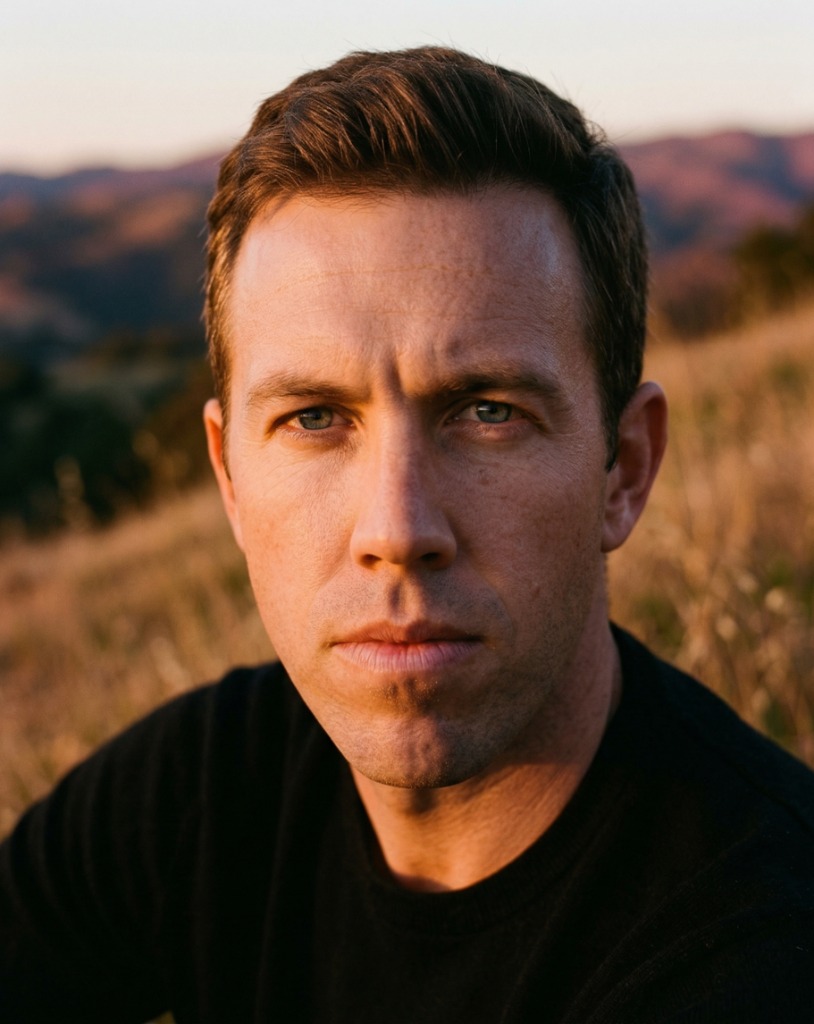
Written by Ken — the recreational distance runner behind NextGait. I use 12 years of running experience and 30–40-mile training weeks to turn pace, effort, terrain, weather, and recovery into decisions runners can repeat. More about me →