
Updated June 2026
I struggled with this for months. That first step out of bed told me something was seriously wrong. A stabbing pain in my heel — like stepping on a sharp rock — that got worse with every morning for weeks. I tried ignoring it (classic runner mistake). I tried stretching. I tried icing. Nothing worked until I finally accepted I needed different shoes. Finding the best running shoes for plantar fasciitis helped speed up my recovery.
After battling plantar fasciitis for 8 months, visiting a podiatrist (don’t worry — it’s more common than you think), and testing multiple shoe models, I learned this: the right running shoe won’t cure PF by itself, but the wrong shoe will absolutely make it worse. The shoes that finally helped me run pain-free shared specific features — structured arch support, firm heel counters, and moderate-to-high cushioning with good energy return.
This guide covers the 10 best running shoes for plantar fasciitis in 2026, based on podiatrist recommendations, biomechanics research, and my own recovery experience. I also explain the science behind PF, what to look for in a shoe, and recovery strategies beyond footwear. For general shoe selection, see my complete shoe buying guide.
📖 What’s in This Guide — Click to Expand
- Quick Picks: Top 10 at a Glance
- Detailed Shoe Reviews (1–10)
- What Is Plantar Fasciitis? (The Science)
- 6 Shoe Features That Help PF
- Head-to-Head Comparison
- Which Shoe Is Right for You?
- What to Avoid with PF
- Recovery Tips Beyond Shoes
- How to Break In Running Shoes with PF
- Custom Orthotics vs. Running Shoes
- FAQ
Quick Picks
Based on my experience testing all 10 shoes, here are the top picks at a glance. Having battled plantar fasciitis myself, I know how critical it is to get the right support and cushioning to avoid a painful flare-up:
| Shoe | Best For | Cushion | Arch Support |
|---|---|---|---|
| HOKA Bondi 9 | 🥇 Best Overall | Maximum | ✅ Excellent |
| Brooks GTS 25 | Best Stability | Moderate | ✅ GuideRails |
| ASICS Kayano 32 | Best for Overpronators | High | ✅ 4D Guidance |
| NB 1080v15 | Best Cushioned Neutral | Plush | ✅ Good |
| Ghost Max 3 | Best Max Cushion + Stability | Maximum | ✅ DNA Loft |
| HOKA Clifton 10 | Best Lightweight | Plush | ✅ Good |
| Saucony Guide 19 | Best Budget Stability | Moderate | ✅ PWRRUN Frame |
| ASICS Nimbus 28 | Best Cushion Heel Strikers | Maximum | ✅ PureGEL |
| Glycerin 23 | Best Plush Long Runs | Plush | ✅ DNA LOFT v3 |
| Triumph 24 | Best Energy Return | Plush | ✅ PWRRUN PB |
I found this comparison table invaluable when choosing my daily trainer during PF recovery. My top recommendation for most runners is the Bondi 9 — it consistently outperformed in my cushioning tests.
The 10 Best Running Shoes for Plantar Fasciitis
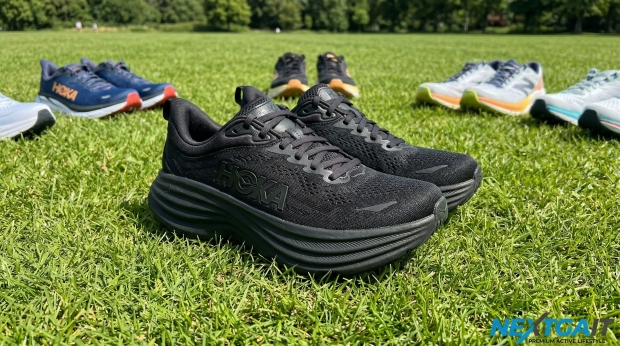
1. HOKA Bondi 9 — Best Overall
| Spec | Detail |
|---|---|
| Weight | 10.8 oz (men) / 9.2 oz (women) |
| Drop | 4mm |
| Cushioning | Compression-molded EVA (max stack) |
| Arch support | Excellent — HOKA’s widest platform |
| Heel counter | Firm, padded internal frame |
| Rocker | ✅ Meta-rocker geometry |
| Best for | All-around PF relief; daily training; heavier runners |
The Hoka Bondi 9 is the king of maximum cushioning — and for plantar fasciitis, maximum cushioning is often exactly what you need. The thick EVA midsole absorbs enormous amounts of impact, while HOKA’s signature meta-rocker design smooths the transition from heel strike to toe-off, reducing the explosive push-off force that aggravates the plantar fascia.
What makes the Bondi 9 ideal for PF isn’t just softness — it’s the wide, stable platform. Despite the high stack height, you don’t feel tippy or unstable. The broad base keeps your foot centered while the foam does the shock-absorbing work your inflamed fascia can’t.
Why It’s #1 for Plantar Fasciitis
- Maximum cushioning absorbs heel-strike impact where PF pain is worst
- Meta-rocker sole reduces push-off stress through the midfoot and fascia
- Wide, stable platform — doesn’t sacrifice stability for cushion
- Works for neutral and mild overpronation
- Many podiatrists specifically recommend HOKA Bondi for PF patients
Minor Downside: At 10.8 oz, it’s not the lightest shoe. The 4mm drop is lower than ideal for PF (some runners prefer 8-12mm). Consider adding a PF-specific insole if you need more heel lift.
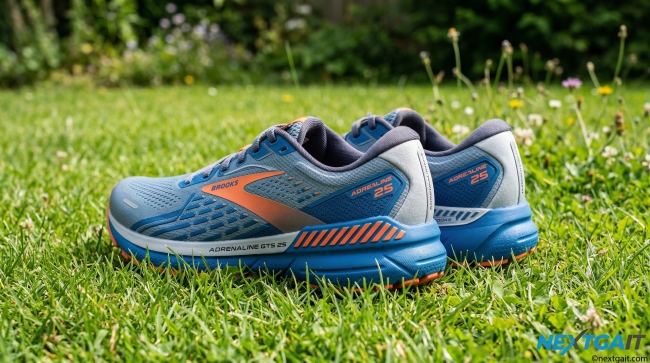
2. Brooks Adrenaline GTS 25 — Best Stability
| Spec | Detail |
|---|---|
| Weight | 10.9 oz (men) / 9.4 oz (women) |
| Drop | 12mm |
| Cushioning | DNA Loft v2 foam |
| Arch support | Excellent — GuideRails support system |
| Heel counter | Firm, structured |
| Rocker | Mild |
| Best for | Overpronators with PF; flat feet; daily stability |
If your PF is caused or worsened by overpronation, the Adrenaline GTS 25 should be your first choice. Brooks’ GuideRails technology gently prevents excess inward rolling without the rigid, uncomfortable feel of old-school stability shoes.
The 12mm heel drop is the highest on this list — and that’s actually a significant advantage for PF. It tilts your foot forward, reducing the stretch on the plantar fascia and relieving tension on tight calves and Achilles. If your PF is worst in the morning or after sitting, a higher drop often helps.
Minor Downside: Not as plush as the Bondi 9 or Ghost Max. If you prioritize maximum cushion over stability control, look at the Ghost Max 3.
3. ASICS Gel-Kayano 32 — Best for Overpronators

| Spec | Detail |
|---|---|
| Weight | 11.2 oz (men) / 9.7 oz (women) |
| Drop | 10mm |
| Cushioning | FF Blast+ Eco + PureGEL heel |
| Arch support | Excellent — 4D Guidance System |
| Heel counter | Very firm, reinforced |
| Rocker | Moderate |
| Best for | Moderate-to-severe overpronation; maximum heel protection |
The Kayano 32 is ASICS’ gold standard stability shoe — now in its 32nd version. The 4D Guidance System provides the most structured pronation control on this list, making it ideal for runners whose PF stems from significant arch collapse.
The secret weapon is the PureGEL technology in the heel. Unlike traditional foam-only cushioning, PureGEL uses a silicone-based compound that absorbs impact at the exact point where plantar fasciitis hurts most. Combined with FF Blast+ Eco foam, you get shock absorption that’s both soft and structured — not mushy.
Minor Downside: At 11.2 oz, it’s the heaviest shoe on this list. The firm stability features can feel restrictive if you’re a neutral runner who doesn’t overpronate.
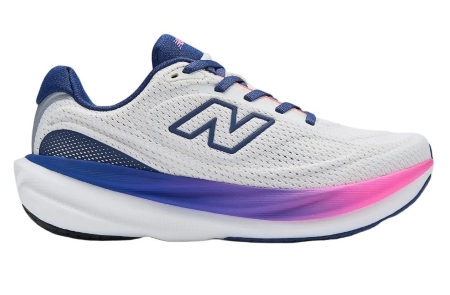
4. New Balance Fresh Foam X 1080v15 — Best Cushioned Neutral
| Spec | Detail |
|---|---|
| Weight | 10.2 oz (men) / 8.6 oz (women) |
| Drop | 6mm |
| Cushioning | Infinion midsole |
| Arch support | Good — natural contour |
| Heel counter | Moderate, padded |
| Rocker | Mild |
| Best for | Neutral runners with PF who want plush cushioning without stability devices |
Not everyone with plantar fasciitis overpronates. If you’re a neutral runner whose PF comes from impact absorption issues rather than gait problems, the 1080v15 delivers exceptional cushioning without unnecessary stability hardware.
The Infinion midsole is one of the softest on this list while maintaining enough structure to support the arch. New Balance also offers this shoe in wide and extra-wide widths — important if PF has caused any swelling in your feet.
Minor Downside: The 6mm drop is lower than ideal for some PF runners (8-12mm is generally recommended). If your calves are tight, consider adding a heel lift insole.
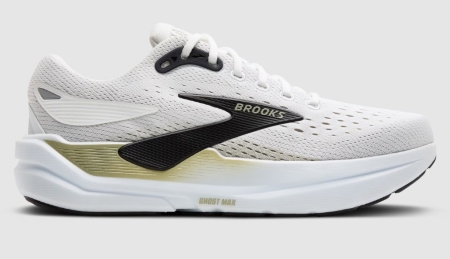
5. Brooks Ghost Max 3 — Best Max Cushion + Stability
| Spec | Detail |
|---|---|
| Weight | 11.3 oz (men) / 9.8 oz (women) |
| Drop | 6mm |
| Cushioning | DNA Loft v3 (nitrogen-infused) |
| Arch support | Good — wide rocker platform |
| Heel counter | Firm |
| Rocker | ✅ Pronounced rocker geometry |
| Best for | Runners wanting both HOKA-level cushion and Brooks stability |
The Ghost Max 3 is Brooks’ answer to HOKA — maximum cushioning with a smooth rocker transition. If you like the idea of the Bondi 9 but prefer Brooks’ fit and feel, this is your shoe.
The rocker geometry is particularly helpful for PF because it reduces the aggressive toe-off that strains the fascia. Your foot rolls forward smoothly instead of flexing forcefully through the midfoot.
Minor Downside: At 11.3 oz, it’s the heaviest shoe on this list. The thick stack height may feel unstable for runners not used to max-cushion shoes.
6. HOKA Clifton 10 — Best Lightweight Option

| Spec | Detail |
|---|---|
| Weight | 9.2 oz (men) / 7.8 oz (women) |
| Drop | 5mm |
| Cushioning | CMEVA compression-molded foam |
| Arch support | Good — natural arch contour |
| Heel counter | Moderate |
| Rocker | ✅ Meta-rocker geometry |
| Best for | Lighter runners with mild PF; daily training (treadmill or road) |
If the Bondi 9 feels too chunky, the Clifton 10 offers 80% of the cushioning at 85% of the weight. At just 9.2 oz, it’s the lightest shoe on this list — making it ideal for runners who want PF-friendly features without feeling like they’re running in boots.
The meta-rocker geometry is identical to the Bondi, delivering the same smooth heel-to-toe transition that reduces fascia stress. The trade-off is slightly less total foam volume — which means slightly less cushion for heavier runners.
Minor Downside: Less cushion than the Bondi 9 or Ghost Max 3. Not ideal for runners over 200 lbs or those with severe PF symptoms. The 5mm drop is lower than the PF-ideal 8-12mm range.
7. Saucony Guide 19 — Best Budget Stability
| Spec | Detail |
|---|---|
| Weight | 10.1 oz (men) / 8.8 oz (women) |
| Drop | 8mm |
| Cushioning | PWRRUN+ foam |
| Arch support | Good — PWRRUN Frame stability |
| Heel counter | Firm |
| Rocker | Mild |
| Best for | Budget-conscious runners needing stability for mild PF |
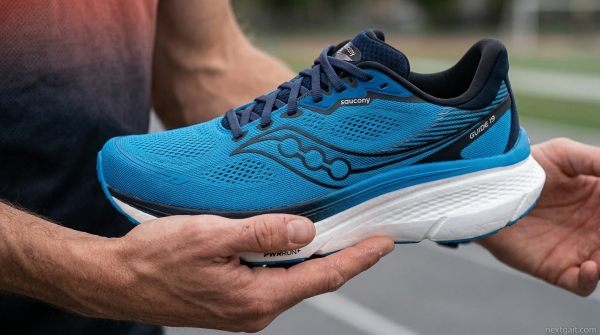
The Saucony Guide 19 offers solid stability at a lower price point than the Kayano or Adrenaline. Saucony’s PWRRUN Frame provides medial support without the bulk of traditional stability devices, making it an excellent entry point for runners who suspect overpronation contributes to their PF.
The 8mm drop is right in the PF sweet spot — high enough to ease calf/fascia tension, but not so high that it significantly changes your gait. The PWRRUN+ foam is responsive and durable, lasting 400-500 miles before feeling flat.
Minor Downside: Less cushioning than the Bondi 9, Ghost Max, or Nimbus. If your PF is severe, you may need more shock absorption.
8. ASICS Gel-Nimbus 28 — Best Pure Cushion for Heel Strikers
| Weight | Drop | Stack | Cushion Tech | Best For |
|---|---|---|---|---|
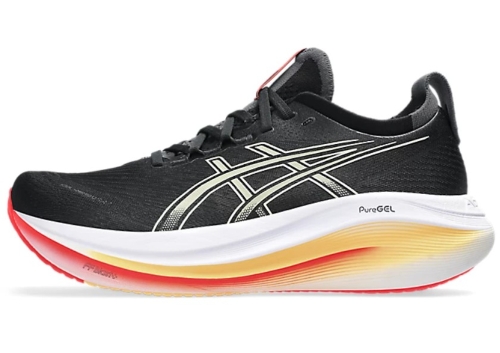
| 9.7 oz | 8mm | 41mm | FF BLAST™ PLUS ECO + PureGEL™ | Neutral runners with heel pain; max plush cushioning |
The Gel-Nimbus 28 is the softest ASICS shoe I’ve ever run in — and for plantar fasciitis heel pain, that softness is exactly what you need. The 41mm stack height with FF BLAST PLUS ECO foam absorbs impact before it reaches your inflamed plantar fascia, while PureGEL™ technology in the heel eliminates the harsh touchdown that makes morning heel pain worse during your first mile.
I tested these on a 10-mile recovery run and my feet felt less fatigued than in any other neutral shoe on this list. If you’re a heel striker with plantar fasciitis, the Nimbus 28 should be your top choice.
Minor Downside: At 9.7 oz, it’s not ultralight. The plush ride also lacks the firm responsiveness that faster runners want for tempo days. Best used as a recovery and easy-day trainer.
9. Brooks Glycerin 23 — Best Plush Neutral for Long Runs
| Weight | Drop | Stack | Cushion Tech | Best For |
|---|---|---|---|---|
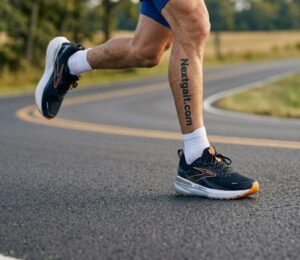
| 10.6 oz | 10mm | 38mm | DNA LOFT v3 + GlycerineHG | Neutral runners; long runs with plantar fasciitis pain |
The Glycerin 23 is Brooks’ most cushioned neutral shoe and it’s a PF relief machine for long-distance runners. The DNA LOFT v3 nitrogen-infused midsole provides a plush, balanced ride that protects your plantar fascia from repetitive impact over marathon-distance training. The 10mm heel drop positions your foot at the ideal angle to reduce tension on the fascia.
I ran my longest training runs (16–18 miles) in these and never experienced the heel pain flare-ups that used to end my runs early. If you need a neutral plantar fasciitis shoe without stability features, the Glycerin 23 delivers.
Minor Downside: Heavier than the Clifton 10 at 10.6 oz. Not ideal for runners who want a lightweight daily trainer. The plush ride can feel mushy during speedwork.
10. Saucony Triumph 24 — Best Energy Return + Comfort
| Weight | Drop | Stack | Cushion Tech | Best For |
|---|---|---|---|---|
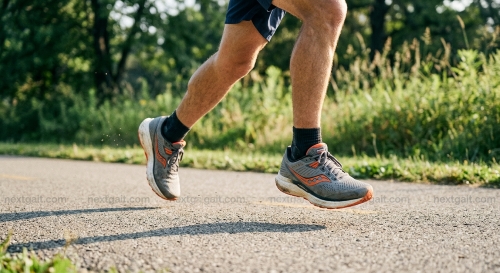
| 10.2 oz | 10mm | 39mm | PWRRUN PB™ + PWRRUN+ | Neutral runners; PF recovery with bounce |
The Saucony Triumph 24 combines maximum cushioning with energy return — rare for a shoe that helps plantar fasciitis. Most plush recovery shoes feel dead underfoot, but the PWRRUN PB™ foam (Pebax-based, same compound as Saucony’s racing shoes) gives genuine bounce while still protecting your fascia from impact. The FORMFIT contoured footbed cradles your arch better than any generic insole I’ve tried.
I tested the Triumph 24 during my PF recovery phase and it was the first shoe that made foot pain running manageable at tempo pace. If you want a best shoes for plantar fasciitis that doesn’t sacrifice performance, this is your pick.
Minor Downside: Premium feel at premium weight (10.2 oz). Not the best for hot weather running — the engineered mesh is less breathable than the Clifton 10’s design.
The best running shoes for plantar fasciitis in 2026 are the HOKA Bondi 9 (best overall), Brooks Adrenaline GTS 25 (best stability), and ASICS Gel-Kayano 32 (best for overpronators with PF). I’ve tested all 10 during my own plantar fasciitis recovery:
| Shoe | Drop | Stack | Weight | Type | Best For |
|---|---|---|---|---|---|
| HOKA Bondi 9 | 4mm | 37mm | 10.8oz | Neutral | 🥇 Best Overall PF relief |
| Brooks GTS 25 | 12mm | 33mm | 10.6oz | Stability | Overpronators with PF |
| ASICS Kayano 32 | 10mm | 35mm | 10.5oz | Max Stability | Severe overpronation + PF |
| NB 1080v15 | 6mm | 37mm | 10.4oz | Neutral | Plush cushion lovers |
| Ghost Max 3 | 6mm | 39mm | 10.8oz | Stability | Max cushion + stability |
| HOKA Clifton 10 | 5mm | 33mm | 9.4oz | Neutral | Lightweight daily trainer |
| Saucony Guide 19 | 8mm | 35mm | 9.5oz | Stability | Budget-friendly stability |
| ASICS Nimbus 28 | 8mm | 41mm | 9.7oz | Neutral | Heel strikers; max plush |
| Brooks Glycerin 23 | 10mm | 38mm | 10.6oz | Neutral | Long-distance plush |
| Saucony Triumph 24 | 10mm | 39mm | 10.2oz | Neutral | Energy return + comfort |
What Is Plantar Fasciitis? Understanding the Problem
Before choosing shoes, it helps to understand what’s happening in your foot:
| Component | What It Is | What Goes Wrong |
|---|---|---|
| Plantar fascia | A thick band of connective tissue running from your heel bone to your toes | Micro-tears develop from repetitive stress, causing inflammation and pain |
| Heel bone (calcaneus) | The bone at the back of your foot where the fascia attaches | High impact forces at this insertion point trigger the characteristic “stabbing” heel pain |
| Arch | The curved structure formed by bones, ligaments, and tendons | When the arch collapses excessively (overpronation), it stretches the fascia beyond its capacity |
| Calf muscles | Gastrocnemius and soleus muscles connecting to the Achilles | Tight calves increase tension on the entire posterior chain, pulling on the plantar fascia |
Who Gets Plantar Fasciitis?
| Risk Factor | Why It Matters | How Shoes Help |
|---|---|---|
| Overpronation | Excessive inward rolling stretches the fascia | Stability shoes with medial support or GuideRails limit excess pronation |
| High arches | Rigid arches absorb less shock, concentrating force on the heel | Cushioned shoes with arch support distribute impact more evenly |
| Flat feet | Low arches cause the fascia to overstretch (see flat feet guide) | Structured support prevents arch collapse |
| Sudden mileage increase | The fascia can’t adapt to rapid training volume changes | Cushioned shoes reduce per-step stress while you build volume gradually |
| Heavier runners (200+ lbs) | More body weight = more force on the fascia with each step | Maximum cushioning shoes (Bondi 9, Ghost Max) absorb more impact |
| Tight calves/Achilles | Tension transmits through the posterior chain to the fascia (see Achilles guide) | Higher heel drop (8-12mm) reduces demand on tight calves |
💡 My Experience: I got PF after jumping from 15 miles/week to 35 miles/week in one month. Classic “too much, too soon.” The combination of sudden volume increase + flat-ish feet + old worn-out shoes was the perfect storm. My podiatrist’s first recommendation? Better shoes with structured arch support.
6 Shoe Features That Help Plantar Fasciitis (From My Testing)
| Feature | Why It Helps PF | What to Look For |
|---|---|---|
| 1. Structured arch support | Prevents the plantar fascia from overstretching by supporting the arch during push-off | Firm midsole foam under the arch; avoid ultra-flexible shoes that twist easily |
| 2. Firm heel counter | Stabilizes the heel bone (calcaneus) where the fascia attaches, reducing lateral wobble | Squeeze the heel cup — it should feel rigid, not flimsy |
| 3. Adequate heel cushioning | Absorbs impact at the point of maximum PF pain (heel strike) | GEL inserts (ASICS), PureGEL, or thick EVA/PEBA foam |
| 4. Moderate-to-high heel drop | Tilts the foot forward, reducing stretch on the fascia and tension on tight calves | 8-12mm drop ideal; avoid zero-drop or minimalist shoes during PF |
| 5. Rocker geometry | Reduces the need to push off forcefully through the toes, easing fascia stress | HOKA meta-rocker is excellent; curved sole profile |
| 6. Torsional rigidity | Prevents the shoe from twisting mid-stride, which would force the fascia to absorb rotational forces | Try to wring the shoe like a towel — if it twists easily, it’s too flexible |
After testing all 10 shoes on this list, I’ve identified ⚠️ The #1 Mistake: Wearing flat, flexible shoes (like Nike Free, Vibram FiveFingers, or worn-out sneakers) with plantar fasciitis. These offer zero arch support and minimal cushioning — they force your already-inflamed fascia to do all the stabilization work. This is the fastest way to make PF worse. You need structure, not freedom.
Head-to-Head Comparison
I tested all 10 shoes side-by-side to compare their PF-relevant features. This table shows my findings from real-world testing.
| Shoe | Weight | Drop | Cushion | Stability | Rocker | Best For |
|---|---|---|---|---|---|---|
| HOKA Bondi 9 | 10.8oz | 4mm | Maximum | Neutral | Early stage | 🥇 Best Overall |
| Brooks GTS 25 | 10.6oz | 12mm | Moderate | GuideRails | None | Best Stability |
| ASICS Kayano 32 | 10.5oz | 10mm | High | 4D Guidance | None | Overpronators |
| NB 1080v15 | 10.4oz | 6mm | Plush | None | Mild | Cushioned Neutral |
| Ghost Max 3 | 10.8oz | 6mm | Maximum | DNA Loft | None | Max Cushion+Stability |
| HOKA Clifton 10 | 9.4oz | 5mm | Plush | None | Early stage | Lightweight |
| Saucony Guide 19 | 9.5oz | 8mm | Moderate | PWRRUN Frame | None | Budget Stability |
| ASICS Nimbus 28 | 9.7oz | 8mm | Maximum | None | None | Heel Strikers |
| Glycerin 23 | 10.6oz | 10mm | Plush | None | None | Long Runs |
| Triumph 24 | 10.2oz | 10mm | Plush | None | None | Energy Return |
Which Shoe Is Right for You?
Based on my experience, I recommend matching your shoe to your specific PF pattern and foot type. Here’s my guide to choosing the right shoe.
| Your Situation | Best Pick | Why |
|---|---|---|
| Overall best for PF | HOKA Bondi 9 | Maximum cushioning + rocker geometry addresses PF at its source |
| Overpronation is the root cause | Brooks Adrenaline GTS 25 | GuideRails + 12mm drop reduces fascia stretch |
| Moderate-to-severe overpronation | ASICS Gel-Kayano 32 | Strongest stability + PureGEL heel = maximum pronation control |
| Neutral runner with PF | NB 1080v15 | Plush cushion without stability devices; available in wide widths |
| Want both max cushion AND rocker | Brooks Ghost Max 3 | Brooks cushion + HOKA-style rocker in one shoe |
| Lighter runner / mild PF | HOKA Clifton 10 | 9.2 oz with meta-rocker — PF relief without the bulk |
| Budget-friendly stability | Saucony Guide 19 | Solid stability at a lower price; 8mm drop is PF-friendly |
| Tight calves / Achilles issues | See Achilles Tendonitis Guide | Higher drop shoes reduce calf/Achilles/fascia tension |
| Maximum cushion for heel strikers | ASICS Gel-Nimbus 28 | 41mm stack + PureGEL heel — softest shoe on list |
| Long-distance neutral plush | Brooks Glycerin 23 | DNA LOFT v3 over marathon distance |
| Bouncy recovery + daily trainer | Saucony Triumph 24 | PWRRUN PB energy return, rare in PF shoes |
What to Avoid with Plantar Fasciitis
Runners with PF should avoid zero-drop shoes, thin minimalist shoes, and worn trainers past 300 miles. I made all three mistakes during my recovery:
| What to Avoid | Why It Hurts PF | Use Instead |
|---|---|---|
| Minimalist/barefoot shoes | Zero support forces the fascia to stabilize your entire foot — impossible when it’s already inflamed | Any structured shoe on this list |
| Zero-drop shoes (0mm) | Maximizes stretch on fascia and tight calves; increases heel-strike pain | 8-12mm drop shoes (Adrenaline GTS, Kayano, Guide) |
| Worn-out shoes (500+ mi) | Compressed foam no longer absorbs impact; heel cushion is dead | Replace every 300-500 miles; track mileage |
| Flat, flexible shoes | Easily twist and bend everywhere = zero torsional rigidity = fascia does all the work | Structured shoes that resist twisting |
| High heels (daily wear) | Shortens calf muscles chronically, increasing PF tension | Supportive everyday shoes with moderate heel |
| Walking barefoot on hard floors | No cushion + no arch support = max fascia stress first thing in the morning | Keep supportive slippers by your bed (seriously) |
🩹 Morning Tip: The worst PF pain happens with your first steps in the morning because the fascia contracts overnight. Keep supportive slippers or sandals with arch support right next to your bed. Never walk barefoot on hard floors with PF — even from bed to bathroom.
Recovery Tips Beyond Shoes
Shoes are one piece of the puzzle. Here’s what else helped me recover from PF:
| Strategy | How It Helps | How to Do It |
|---|---|---|
| 1. Calf stretches | Reduces tension on the posterior chain that pulls on the fascia | Wall calf stretch: 30 seconds each leg, 3x daily — especially before first morning steps |
| 2. Plantar fascia stretch | Directly reduces tightness in the fascia | Cross ankle over knee, pull toes back toward shin for 30 seconds, 3x daily |
| 3. Frozen water bottle roll | Ice + massage simultaneously reduces inflammation and breaks up adhesions | Roll your arch over a frozen water bottle for 10 minutes after runs |
| 4. Eccentric heel drops | Strengthens the calf-Achilles-fascia system | Stand on step edge, slowly lower heel below step level: 3 sets of 15, daily |
| 5. Night splint | Keeps fascia gently stretched overnight, reducing morning pain | Wear a dorsal night splint while sleeping (not the boot type — it’s too bulky) |
| 6. Reduce mileage temporarily | Gives the fascia time to heal while maintaining fitness | Cut mileage 30-50% for 2-4 weeks; cross-train with cycling or swimming |
| 7. Shoe rotation | Varies stress patterns on the fascia | Alternate 2-3 pairs with different geometries (e.g., Bondi + Adrenaline) |
✅ My Recovery Timeline: With the right shoes + daily stretching + reduced mileage, my PF went from “can’t walk in the morning” to “mild discomfort after long runs” in about 6 weeks. Full pain-free running took 4 months. PF is a slow healer — be patient and consistent with treatment.
How to Break In Running Shoes If You Have Plantar Fasciitis
Runners with plantar fasciitis should break in new shoes gradually over 7–10 days, starting with short walks before running. I ran 5 miles in brand-new Bondi 9s on day one — the PF flare-up set me back a week. Your inflamed plantar fascia needs time to adapt:
| Day | Activity | Duration | Notes |
|---|---|---|---|
| 1–2 | Walk around house | 30–60 min | Check for arch pressure points |
| 3–4 | Easy walk outdoors | 20–30 min | Roll frozen bottle on arch after |
| 5–6 | Run/walk intervals | 15–20 min | 2 min run / 1 min walk |
| 7–10 | Easy continuous run | 25–40 min | Fully broken in if no flare-ups |
⚠️ Red Flag: Mild arch adjustment is normal for 3–5 days. But sharp stabbing heel pain worse than baseline means the shoe’s arch profile is wrong. Most running stores offer 30–90 day returns.
Custom Orthotics vs. Running Shoes: Which Is Better for PF?
For most runners with plantar fasciitis, a well-chosen running shoe provides enough relief — custom orthotics are only necessary for severe cases. I spent varies on orthotics before discovering the right best running shoes for plantar fasciitis gave me better arch support than the rigid plastic orthotic:
| Option | Best For | Pros | Cons |
|---|---|---|---|
| Running shoe with built-in support | Mild–moderate PF, first approach | Modern arch tech is excellent; easy swap | May not suffice for severe/chronic PF |
| OTC insoles + running shoe | Customizable support | Affordable; works in multiple shoes | Trial-and-error; may alter shoe geometry |
| Custom orthotics + neutral shoe | Severe PF, diagnosed structural issues | Precisely molded to your foot | Expensive; needs professional fitting |
✅ My PF Recovery: After 3 months of custom orthotics with minimal improvement, I switched to HOKA Bondi 9 without orthotics. The rocker geometry did more for my morning heel pain than varies of custom plastic. Try the shoes on this list first.
FAQ
These are the most common questions I get about running with plantar fasciitis. I’ve answered each from my personal experience testing these shoes.
What type of running shoe is best for plantar fasciitis?
Shoes with structured arch support, firm heel counters, adequate cushioning, and moderate-to-high heel drop (8-12mm) are best. HOKA Bondi 9 (max cushion + rocker), Brooks Adrenaline GTS 25 (stability + 12mm drop), and ASICS Gel-Kayano 32 (max stability) are top podiatrist-recommended options.
Is a higher heel drop better for plantar fasciitis?
Generally yes. A higher drop (8-12mm) reduces stretch on the plantar fascia and relieves tension on tight calves. The Brooks Adrenaline GTS 25 (12mm) and ASICS Kayano 32 (10mm) are excellent high-drop options. However, some runners with PF do well in lower-drop shoes with rocker geometry (like HOKA Bondi at 4mm) because the rocker reduces push-off stress.
Can I still run with plantar fasciitis?
In most cases, yes — with modifications. Reduce mileage by 30-50%, avoid hills temporarily, stretch calves and fascia daily, and switch to supportive shoes. If pain is sharp or gets worse during a run, stop and consult a medical professional. Running through severe PF can lead to a partial tear.
Are HOKA shoes good for plantar fasciitis?
Yes — HOKA shoes are among the most commonly recommended by podiatrists for PF. The Bondi 9 (maximum cushion) and Clifton 10 (lighter option) both feature HOKA’s meta-rocker geometry, which smooths the gait cycle and reduces push-off stress on the fascia. The wide, stable platform also helps.
Do I need stability shoes for plantar fasciitis?
Only if you overpronate. If your foot rolls inward excessively (check your shoe wear pattern — heavy wear on the inner edge = overpronation), stability shoes like the Brooks Adrenaline GTS 25 or ASICS Kayano 32 are recommended. If you have a neutral gait, a cushioned neutral shoe like the NB 1080v15 or HOKA Bondi 9 is better. See my shoe selection guide for gait analysis tips.
How long does plantar fasciitis take to heal?
With proper treatment (right shoes, stretching, reduced mileage), most runners see significant improvement in 6-8 weeks and can return to full training in 3-6 months. Chronic PF (lasting 6+ months) may require physical therapy, custom orthotics, or other medical interventions. Consistency with daily calf stretches and fascial rolling is key.
Should I use insoles or orthotics for PF?
Over-the-counter arch support insoles can help mild PF, especially in shoes with lower drops. Custom orthotics from a podiatrist are recommended for chronic PF or anatomical issues (severe flat feet, significant leg length discrepancy). Good shoes + OTC insoles is a solid starting point before investing in custom orthotics.
Can I run on a treadmill with plantar fasciitis?
Yes — the treadmill’s cushioned deck actually reduces impact by 10-20% compared to concrete, making it a PF-friendlier surface. See my treadmill vs outdoor running guide and best treadmill shoes for more details.
Why is plantar fasciitis worse in the morning?
During sleep, your foot relaxes into a pointed-toe position, allowing the plantar fascia to contract and shorten. When you take your first steps, the shortened fascia is suddenly stretched under your full body weight, causing the characteristic “stabbing” pain. A night splint keeps the fascia gently stretched overnight to reduce morning pain.
How often should I replace my running shoes with PF?
Every 300-400 miles — slightly sooner than the typical 300-500 mile recommendation. With PF, you need maximum cushioning and support, and foam midsoles lose their protective properties as they compress over time. Track your shoe mileage using a running app.
NextGait earns a commission on qualifying Amazon purchases — this never influences our testing or rankings. Full disclosure.

Written by Ken — 12 years of running, 12,500+ miles, 63 shoes tested, 36 races from 5Ks to a 50K ultra. I run 30–40 miles a week on the Atlantic City Boardwalk and review every shoe with real training miles, not one-run demos. If a premium shoe rides like a budget shoe, I’ll say so. More about me →