
My marathon pacing strategy starts with one rule: I earn the right to race the final 10K by protecting the first 20 miles. I choose a target my training supports, adjust it for the course and weather, and arrive with A, B, and C plans. Race morning is execution, not a negotiation with an optimistic calculator.
After 12 years of running, I have seen the same mistake in different forms: runners spend energy early because the pace feels free, then discover that the bill arrives after mile 20. I want the first half to feel almost too controlled. The marathon rewards optionality more than early confidence.
My quick answer: I start slightly controlled, settle into sustainable effort, keep hills and wind from dictating reckless splits, and delay any acceleration until the late-race picture is genuinely green. If heat, fueling, breathing, form, or symptoms change, I adjust effort early rather than defend a number that no longer matches the day.
This is the race-execution branch of my running training system. It assumes the work has already been done. It does not replace a training plan, pace calculator, fueling plan, heat-safety guide, or medical advice.
The Three Split Patterns I Consider
I think in effort first and splits second. Even splits on paper can require changing effort across hills, wind, heat, and crowding. My goal is not a perfectly flat pace graph; it is a controlled energy cost that leaves decisions available late.
| Pattern | How I use it | Main risk |
|---|---|---|
| Slight negative split | Controlled first half, stable middle, gradual late progression | Choosing a first half that is too ambitious to protect |
| Near-even split | Steady course-adjusted effort and minimal surging | Forcing pace on climbs or into wind |
| Planned positive split | Conservative allowance for heat, course, or experience | Using the plan as permission to start too fast |
I rarely plan a dramatic negative split because it can make the opening half artificially slow or encourage a late surge that never becomes realistic. I prefer a narrow range: controlled enough to protect the legs, assertive enough to match the training evidence.
How I Choose a Target My Training Supports
I use race-specific evidence, not one exciting workout. I review recent long runs, marathon-pace segments, weekly consistency, recovery, terrain, and how fueling behaved. A fast short race can inform the ceiling, but it does not prove that I can carry the converted pace for 26.2 miles.
- I look for consistent training rather than one peak week.
- I compare marathon-pace work performed inside long-run fatigue.
- I check whether easy days stayed easy enough to support quality.
- I review missed training, illness, injury, sleep, and life stress honestly.
- I compare the race course and expected weather with the training environment.
- I confirm that the fueling plan was practiced at the intended effort.
I use my running pace calculator to create a starting range, not a command. The calculator converts performance; I decide whether durability, course, weather, and experience justify the result.
For runners still building the preparation calendar, my beginner marathon training plan owns that task. This article begins after the fitness has been built and the race-day decision must be made.
The Four Inputs I Use Before Choosing Pace
| Input | What I examine | How it changes my plan |
|---|---|---|
| Training | Long-run durability, race-specific work, consistency | Sets the realistic pace range |
| Course | Elevation, turns, surface, congestion, exposed sections | Changes where pace can fluctuate |
| Weather | Heat, humidity, wind, sun, rain | Changes sustainable effort and risk |
| Runner | Experience, health, fueling tolerance, pacing discipline | Changes how conservative the opening should be |
I rank these inputs before race week. If the course is hilly and exposed, I do not pretend the flat-road calculator controls every mile. If training was interrupted, I lower the target before standing on the start line. The earlier I accept reality, the cleaner the execution becomes.
My A, B, and C Race Card
I write three executable plans, not three emotional labels. Each plan includes an opening range, a middle-race effort cap, a late-race decision point, and the conditions that trigger a downgrade. I can change plans without treating it as failure.
| Plan | When I use it | Execution |
|---|---|---|
| A | Training and race-day conditions align | Target range with full restraint early |
| B | Heat, wind, course, or readiness adds meaningful cost | Lower pace, same disciplined structure |
| C | Health, fueling, symptoms, or conditions compromise racing | Protect a safe finish or stop when appropriate |
I put trigger language on the card: ‘If goal effort feels unsustainably hard before 10K, move to B.’ That is more useful than vague instructions to listen to the body. I want decisions that can be made while tired.
How I Set Up My Watch
I use the watch to reduce noise, not create more decisions. My main screen shows lap pace, lap time, elapsed time, and distance. I may include heart rate, but I do not stare at a rapidly changing instant-pace field.
- I turn off automatic features that will surprise me on race day.
- I decide whether to use auto-lap or press laps at official markers.
- I set a broad pace range rather than an alarm that fires every few seconds.
- I account for GPS error and the extra distance created by imperfect tangents.
- I rehearse the exact screen and buttons during long runs.
I never weave aggressively to make the watch distance match the course marker. I run efficient tangents when safe, accept small GPS disagreement, and use official markers and elapsed time to understand where the race actually stands.
How I Read Pace Without Chasing Every Mile
I judge pace in windows, not isolated splits. One mile can be distorted by a climb, a crowded turn, an aid station, a tunnel, GPS drift, or a headwind. I compare the effort and average across several miles before deciding that the race is genuinely ahead or behind plan.
| Signal | What I ask | My response |
|---|---|---|
| One fast mile | Was it downhill, GPS noise, or an actual surge? | Settle immediately; do not celebrate by holding it |
| One slow mile | Was there a hill, turn, aid station, or headwind? | Resume rhythm gradually; do not win it back at once |
| Several fast miles | Is effort also rising, or did conditions help? | Return to the cap before the cost compounds |
| Several slow miles | Are form, breathing, heat, fueling, or symptoms changing? | Move to the appropriate plan rather than forcing pace |
| GPS and markers disagree | Which distance source reflects the certified course? | Use official markers and elapsed time for the race calculation |
I use a rolling question: ‘What did the last three miles cost?’ If pace is on target but breathing, posture, and mental effort are climbing too early, the numerical result is misleading. If pace is slower because of a planned climb and effort is controlled, I do not call that failure.
Why I avoid constant finish-time projection
Repeatedly checking predicted finish time encourages emotional decisions. A few slow seconds can trigger a surge; a few fast seconds can tempt me to upgrade the goal. I check elapsed time at planned points, then return attention to the current phase, form, and effort.
How I handle imperfect tangents
I expect my watch to show slightly more distance than the course. I run the shortest safe line without cutting across runners or braking through turns. I do not accelerate late merely because the watch reaches 26.2 before the finish banner.
Aid Stations, Crowds, and Pace Disruptions
I plan small disruptions so they do not become repeated surges. I know which aid stations I intend to use, move predictably toward the side, take what I need, and rebuild pace over the next minute. I value a clean fueling or hydration action more than a perfect split through the station.
- I avoid cutting sharply across the course for a cup.
- I slow smoothly when the station is crowded.
- I do not sprint out of the station to erase lost seconds.
- I separate the act of drinking from the urge to follow a passing group.
- I treat a bathroom stop or shoe adjustment as a new rhythm reset, not a time-debt emergency.
At the start, I accept congestion rather than spending energy weaving. Later, I pass with small pace differences instead of repeated accelerations. Every unnecessary surge adds cost even when the watch averages it into a respectable mile.
If I lose a pace group during an aid station, I ask whether closing the gap can happen gradually at sustainable effort. If not, I let the group go. The flag is not worth turning one practical stop into an early interval.
Race Phase 1: Start to 10K
I spend almost nothing in the opening 10K. Adrenaline, taper freshness, crowd energy, and downhill starts can make goal pace feel absurdly easy. That feeling is expected; it is not evidence that my goal should change upward.
- I let the first crowded mile settle without panic.
- I avoid passing in repeated surges or running wide around groups.
- I keep breathing and form quieter than the target pace seems to require.
- I begin the practiced fueling routine instead of waiting for hunger.
- I downgrade early if conditions or effort are clearly worse than planned.
I do not try to bank time. Seconds gained while fresh can cost minutes when glycogen, heat, muscle damage, and fatigue converge later. The opening success metric is discipline, not position.
Race Phase 2: 10K to Halfway
I make the plan boring. I settle into the course-adjusted rhythm, fuel on schedule, and avoid reacting to runners who accelerate around me. I check whether effort is stable over several miles rather than judging one split.
At halfway, I want confidence without urgency. If I already need motivational tricks to hold pace, I treat that as information. I reduce the cost before the race forces the decision for me.
Fueling has its own owner. I use my race nutrition planning guide for the intake framework and adapt it to the longer event in practice. Here, my pacing rule is simple: if the fueling plan is failing, the pace plan must be reassessed rather than defended blindly.
Race Phase 3: Halfway to Mile 20
I protect optionality. This is where a controlled race can still be ruined by impatience. I hold the planned effort through small rough patches, but I distinguish a temporary dip from a trend in breathing, form, stomach, temperature, or pace cost.
I make hills and wind local decisions. I allow pace to move while effort stays bounded. I do not win back every lost second immediately after a climb, aid station, or windy section. The marathon does not require instant accounting.
If the effort is drifting upward while pace is stable or falling, I do not label it weakness. I use the signal. I shorten the decision horizon, protect fueling if tolerated, and move from A to B before the final 10K becomes a survival exercise.
Race Phase 4: Mile 20 to the Finish
I earn the decision after mile 20. I check breathing, posture, cadence feel, stomach, symptoms, and whether the current pace has remained stable at a manageable cost. Only a green picture earns a gradual increase.
| Color | What I see | What I do |
|---|---|---|
| Green | Stable form, controlled breathing, fueling working, no concerning symptoms | Increase effort gradually and reassess each mile |
| Yellow | Rising effort, form starting to fade, stomach uncertain | Hold or ease slightly; shorten checkpoints |
| Red | Dizziness, confusion, chest pain, severe symptoms, unsafe heat signs, major gait change | Stop racing and seek appropriate help |
I do not launch one dramatic move at mile 20. I squeeze the pace in stages and keep the mechanics tidy. If the speed does not come without strain, I return to the sustainable rhythm rather than turning six miles into intervals.
How I Adjust for Heat and Humidity
I adjust effort before the heat proves the plan is wrong. Hotter or more humid conditions raise the cost of the same pace, especially when I am not acclimated. I accept slower splits and use the race’s safety guidance rather than chasing a cool-weather prediction.
My running in heat guide owns acclimation, hydration context, and warning signs. On the pacing card, heat changes the starting plan, not only the late-race rescue plan.
How I Pace Hills
I let pace slow uphill while keeping effort controlled. I shorten the stride, avoid an early anaerobic surge, and crest smoothly. I do not accelerate hard at the top just because the watch shows lost time.
On descents, I use the available speed without overstriding or pounding the legs. The course-specific techniques live in my hill running guide. For the marathon, the rule is to distribute effort across the hill rather than defend one pace number.
How I Pace Wind
I pace wind by effort and positioning. Into a headwind, I accept slower pace, run efficiently behind an appropriate group when allowed, and avoid repeated solo surges. With a tailwind, I use the assistance without turning it into an early attack.
My running in wind guide covers route and safety decisions. Race day adds one discipline: I judge the full out-and-back or exposed section, not the single split that the wind distorted.
What I Do If I Started Too Fast
I correct the mistake immediately and without drama. I reduce effort smoothly, settle my breathing, and resume the planned fueling routine if it remains appropriate. I do not bank more time because the damage has already begun, and I do not punish myself with an abrupt shuffle.
- I stop passing and let the group go.
- I return to sustainable effort rather than chasing exact goal pace.
- I assess heat, wind, hills, fueling, and symptoms.
- I move to Plan B before the pace collapses.
- I use one-mile checkpoints instead of predicting the finish repeatedly.
If the late-race slowdown has already arrived, my marathon wall guide explains the phenomenon and response options. This pacing guide focuses on preventing the early decisions that make that outcome more likely.
How I Use Pace Groups
I treat a pace group as a tool, not a guarantee. I ask whether the pacer targets gun time or chip time, how the course will be handled, and whether the group plans even pace or even effort. I still monitor my own breathing and conditions.
If the group surges on hills, crowds aid stations, or runs an effort that does not match my day, I let it go. I do not outsource the race decision to a flag. The group can reduce mental load, but the pacing responsibility remains mine.
My Race-Week Rehearsal
I use race week to simplify, not discover. I confirm the course, weather range, travel, start logistics, watch screens, pace card, gear, and fueling supplies. I do not use a short taper run to prove fitness or upgrade the goal.
My marathon taper guide owns the reduction in training load. In the pacing plan, taper week only confirms that the legs are fresh enough to execute the target already supported by training.
Seven Pacing Mistakes I Avoid
- I do not bank time: early seconds can create late minutes.
- I do not upgrade the goal at the start: taper freshness is not new fitness.
- I do not chase instant pace: GPS noise is not a race emergency.
- I do not force flat pace on hills: course-adjusted effort matters.
- I do not win back aid-station time immediately: I rebuild rhythm gradually.
- I do not wait too long to downgrade: early adjustment preserves options.
- I do not accelerate before earning it: the final 10K makes the decision.
Frequently Asked Questions
What is the best marathon pacing strategy?
I prefer a controlled start, steady effort through the middle, and a late-race decision only after the plan has been protected. The exact pace depends on training evidence, course, weather, experience, and fueling execution. I do not force a universal negative split.
Should I try to negative split a marathon?
I treat a negative split as a possible outcome of disciplined pacing, not a promise. I start conservatively enough to preserve options and only accelerate when effort, form, fueling, and conditions remain stable late in the race.
How much slower should the first mile be?
I do not prescribe one number for every runner or course. I use the first mile to settle into controlled effort, navigate congestion, and avoid an adrenaline-driven surge. I judge success by restraint and smoothness, not by hitting an exact slow split.
Can I pace a marathon by heart rate?
I use heart rate as one signal, not the sole controller. Heat, stress, caffeine, dehydration, hills, and sensor error can change it. I combine heart rate with pace, breathing, perceived effort, course context, and the trend across several miles.
When should I speed up in a marathon?
I do not make a meaningful move early. After 20 miles, I check form, breathing, fueling, symptoms, and whether pace has been stable at the current effort. If the full picture is green, I increase gradually rather than launching one large surge.
What if goal pace feels hard in the first 10K?
I reduce effort early and investigate conditions, terrain, fueling, health, and whether the goal was realistic. I do not wait until halfway to admit that the day has changed. An early adjustment can protect a finish that stubborn pacing would lose.
Should I use average pace or lap pace on my watch?
I use lap pace and elapsed time for decisions, with average pace as context. Instant pace can jump with GPS noise, turns, buildings, and trees. Manual course-marker laps can be more useful when GPS accuracy is poor.
How should I pace hills in a marathon?
I hold effort rather than forcing flat-ground pace uphill. I let pace slow on the climb, crest without surging, and regain speed gradually. On descents I stay controlled so I do not spend the legs simply to win back seconds immediately.
How should I change marathon pace in hot weather?
I start from a lower effort and accept a slower pace when heat and humidity raise the cost of running. I use conditions, acclimation, symptoms, hydration access, and race guidance to decide. I do not chase cool-weather pace in a clearly hotter race.
What should I do if I start a marathon too fast?
I correct it as soon as I notice. I reduce effort smoothly, resume the fueling plan if appropriate, and rebuild a sustainable rhythm. I do not try to bank more time or punish the mistake with an abrupt stop-and-go response.
Final Verdict
My final verdict is that a marathon pacing strategy should protect options, not predict perfection. I choose the target from training evidence, adjust it for course and weather, and put A, B, and C decisions on paper before the start.
I keep the opening controlled, make the middle boring, protect the miles from halfway to 20, and only increase effort when the late-race picture is genuinely green. When the day changes, I change the plan early.
The best marathon is not always the one with the most aggressive goal. It is the one I execute with enough discipline that my final decision is still mine to make.
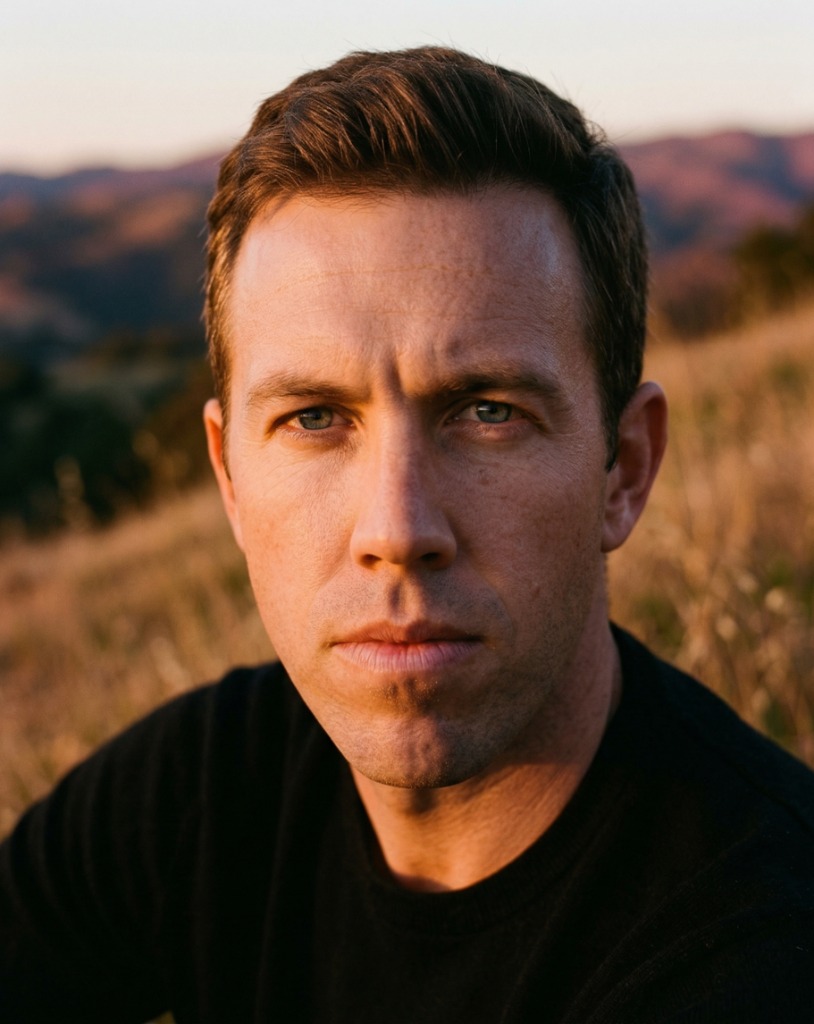
Written by Ken — 12 years of running, 12,500+ miles, 63 shoes tested, and 36 races from 5Ks to a 50K ultra. I run 30–40 miles a week and evaluate fit, heel security, toe room, ride, and late-run stability with real training miles. I am not a physician or podiatrist; medical claims in this guide are sourced and the limits are stated. More about me →