

Pain While Running: When to Stop, Modify, or Get Help
I share the decision rules I use when pain appears during a run: what I monitor, when I modify, when I stop, and when I seek qualified medical help.

I share the decision rules I use when pain appears during a run: what I monitor, when I modify, when I stop, and when I seek qualified medical help.
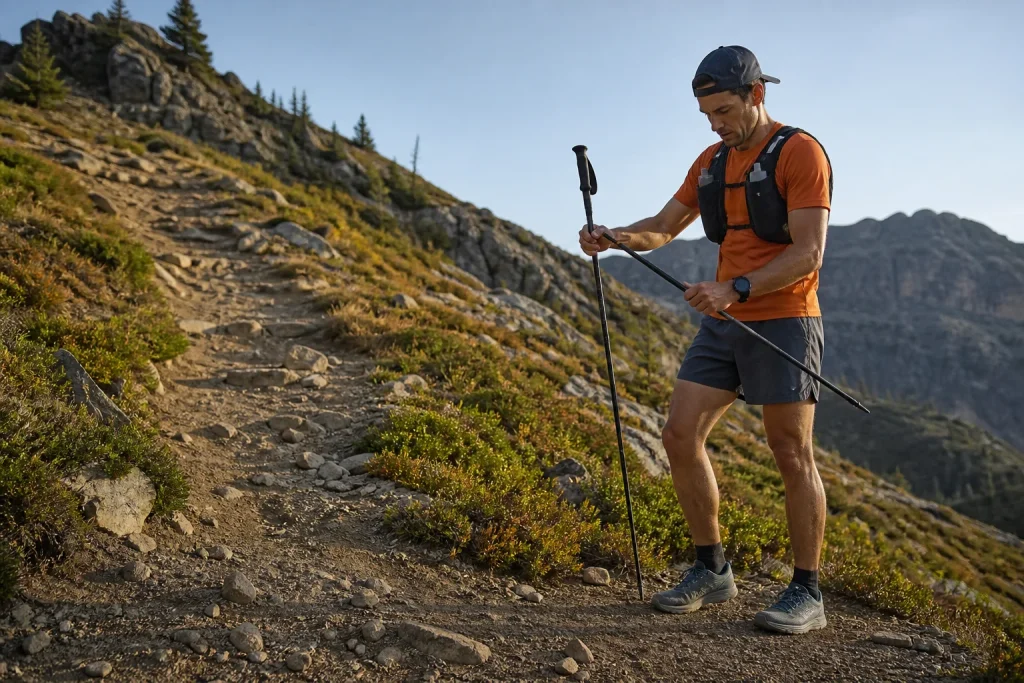
I share how I decide when trail running poles are worth carrying, choose the right length, build efficient technique, and test race-day transitions.

I share the trail blister prevention system I use for shoe fit, socks, moisture, taping, hotspots, first aid, and race-day foot decisions.
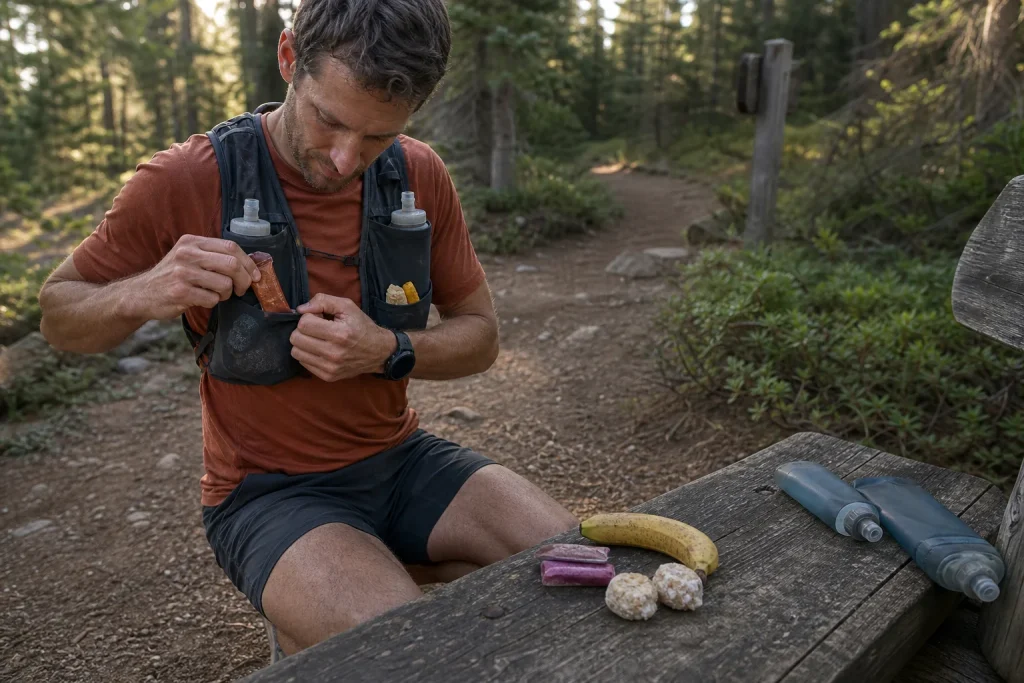
I share the trail fueling system I use before, during, and after long runs: hourly carb math, hydration, gut training, aid-station plans, and practical fixes.
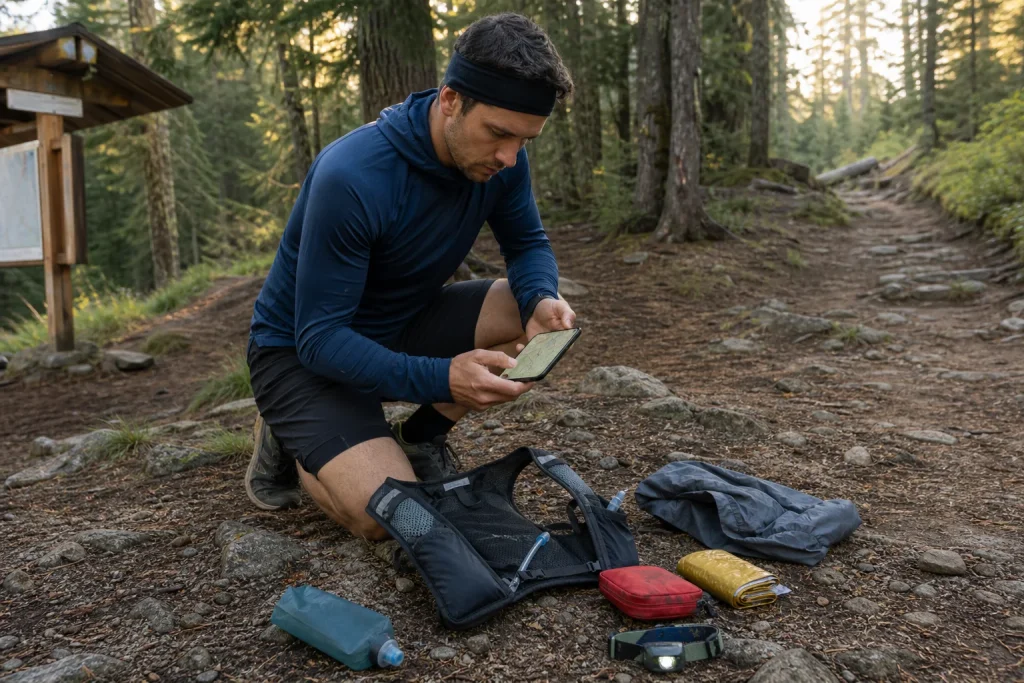
I share the trail running safety checklist I use to plan routes, check conditions, pack the right systems, set turnaround rules, and confirm a safe return.

I explain when power hiking beats uphill running, how I use compact steps, hands or poles, and how I train a smooth run-hike crossover.

I explain the technical trail running technique I use to scan terrain, choose lines, control climbs and descents, and build skill through progressive practice.
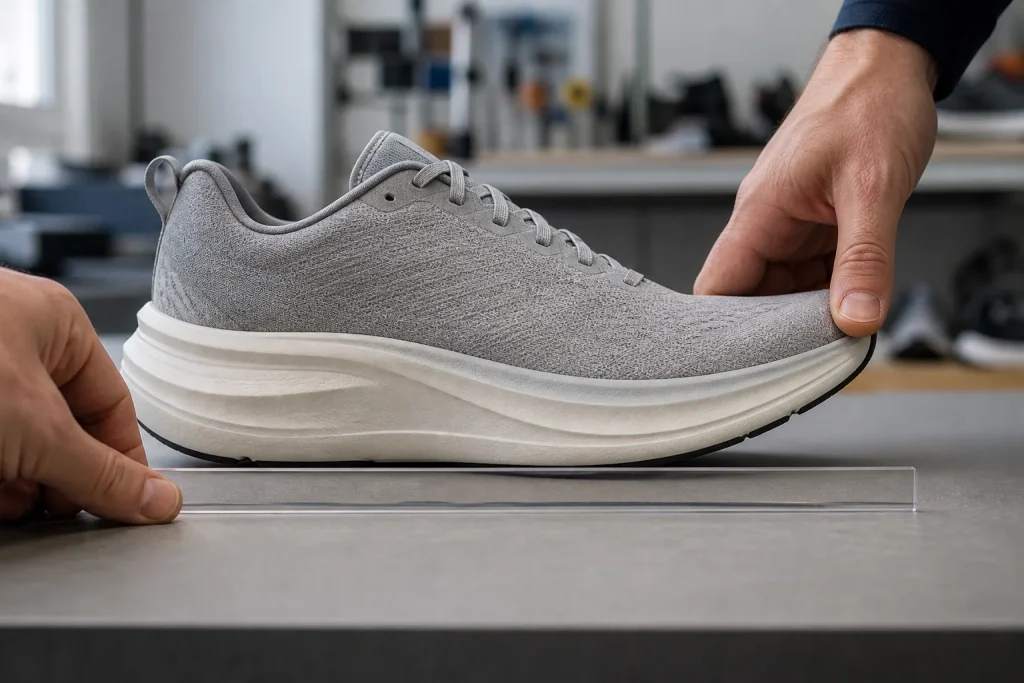
I explain how running shoe rocker geometry changes heel entry, midfoot timing, and toe-off, then share the three-run test I use to judge the match.
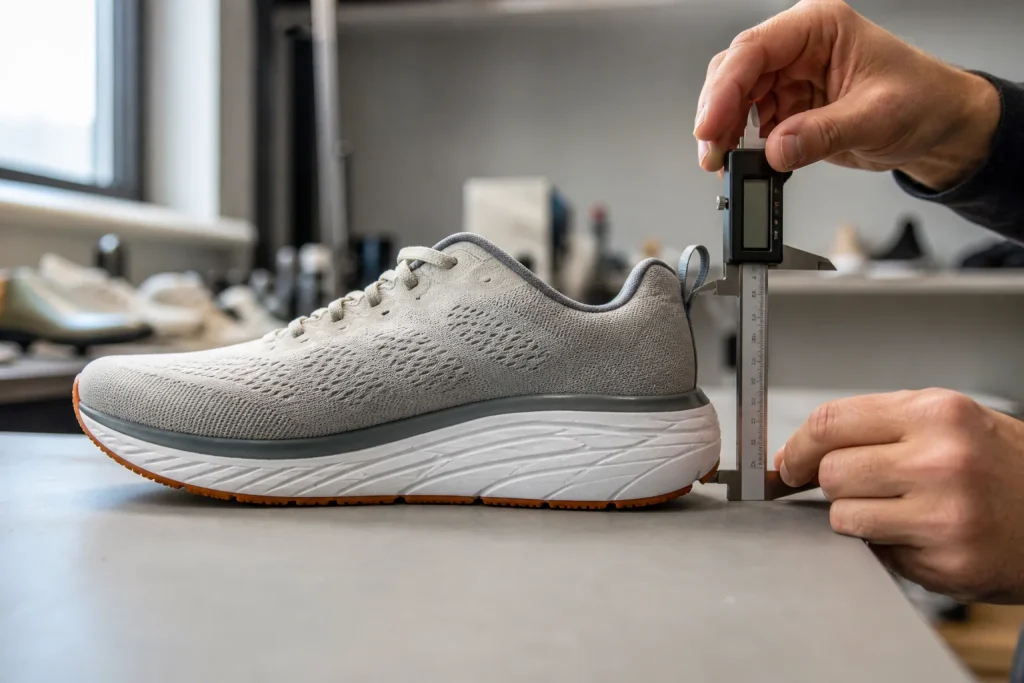
I explain what running shoe stack height measures, how it differs from heel drop, and how I choose between lower- and higher-stack shoes for each kind of run.
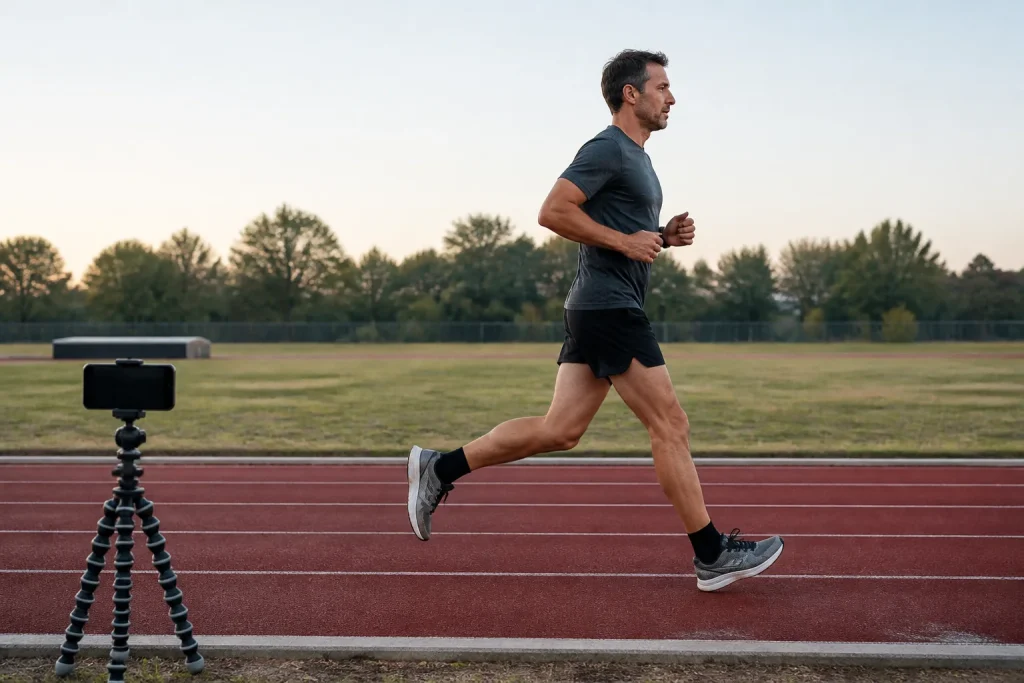
I explain how I identify and stop overstriding with matched video, a small cadence change, transferable drills, and a practical four-week progression.
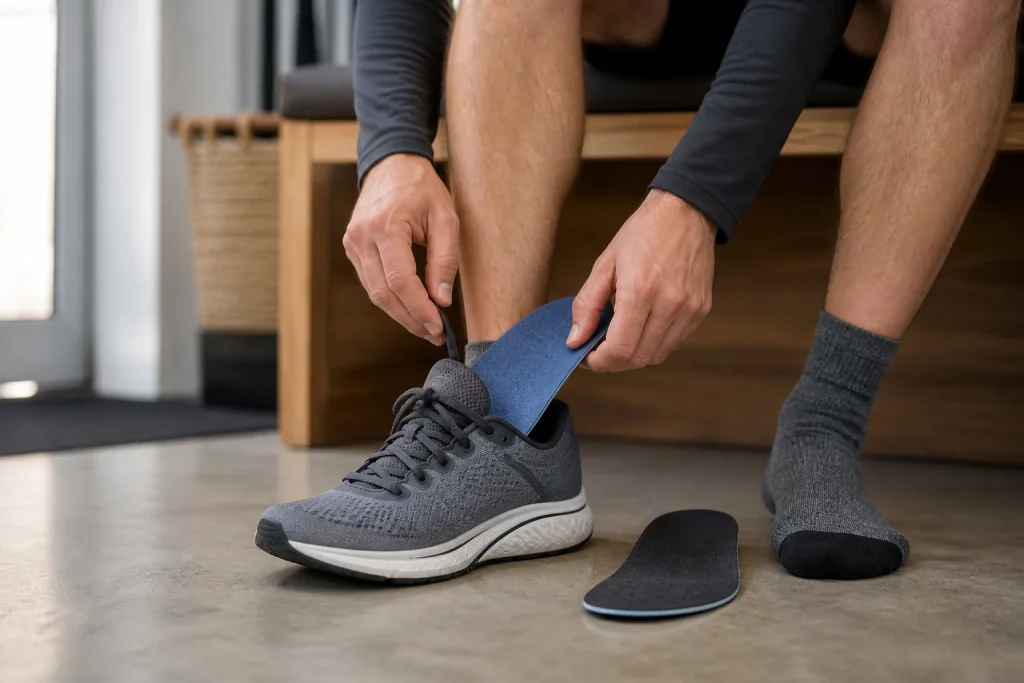
I share how I fit, break in, and train with orthotics by treating the insert, sock, shoe, and running load as one system.
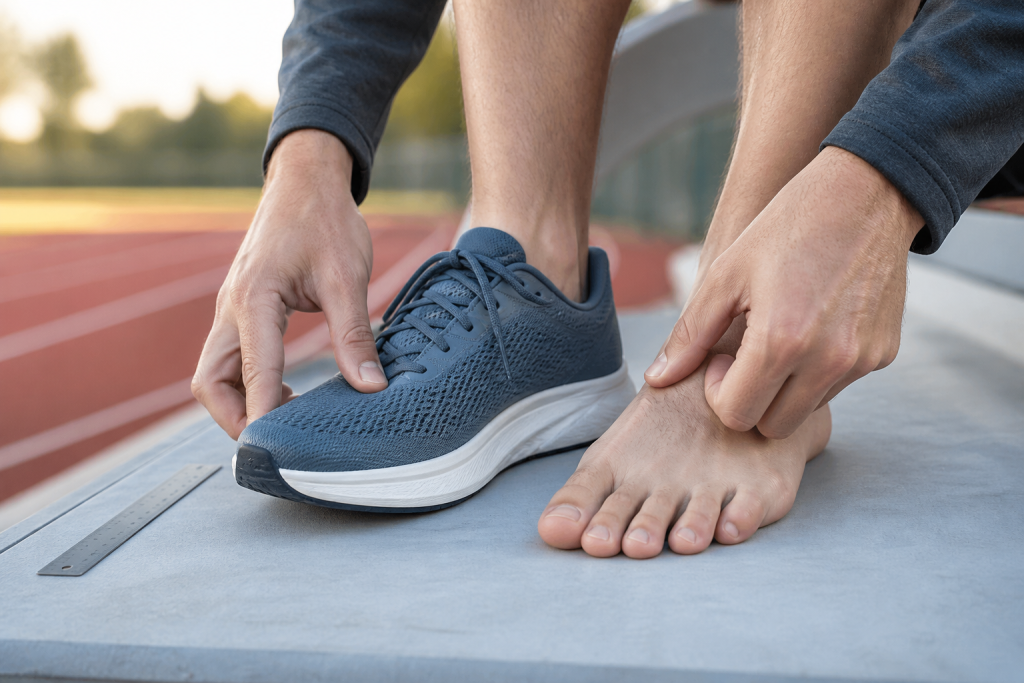
I explain how I check running-shoe toe room across length, width, height, and shape, then confirm the fit with a practical movement and run test.
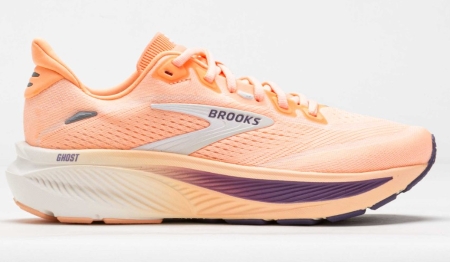
My 10 best running shoes for heel strikers, tested for rearfoot cushioning, heel hold, stability, drop, grip, fit, and late-run control.
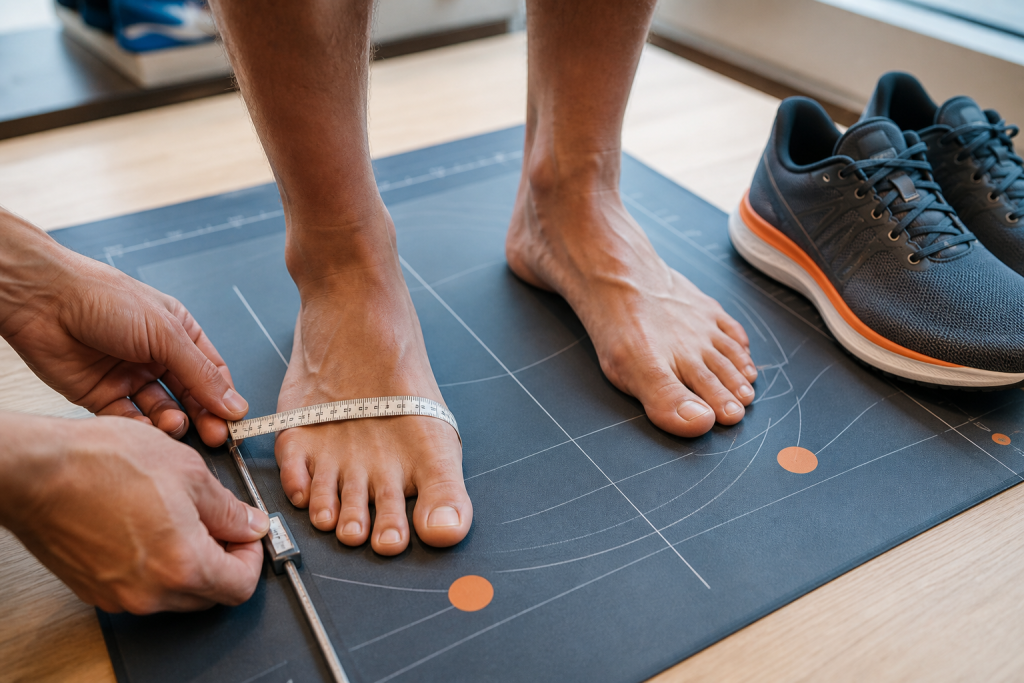
I explain running foot types through shape, mobility, width, volume, and running response, then show how I turn that profile into a better shoe fit.
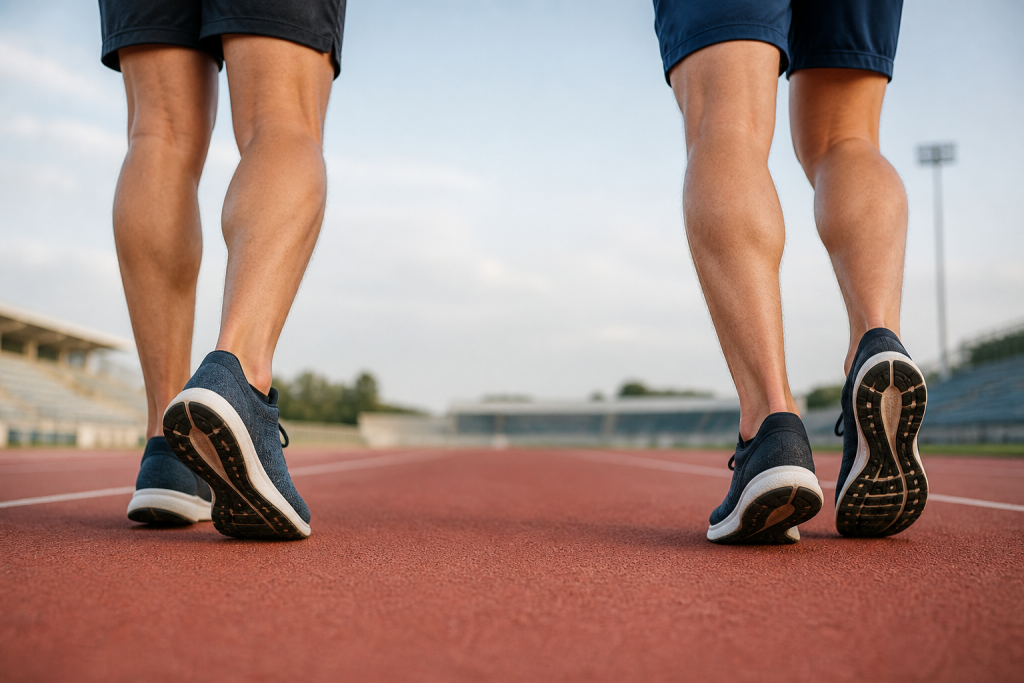
I explain overpronation and supination through dynamic gait, foot shape, symptoms, shoe fit, and training response—then show how I make footwear decisions.

I compare heel, midfoot, and forefoot running by load, pace, terrain, shoes, and injury context—then explain when I keep or change a runner’s pattern.
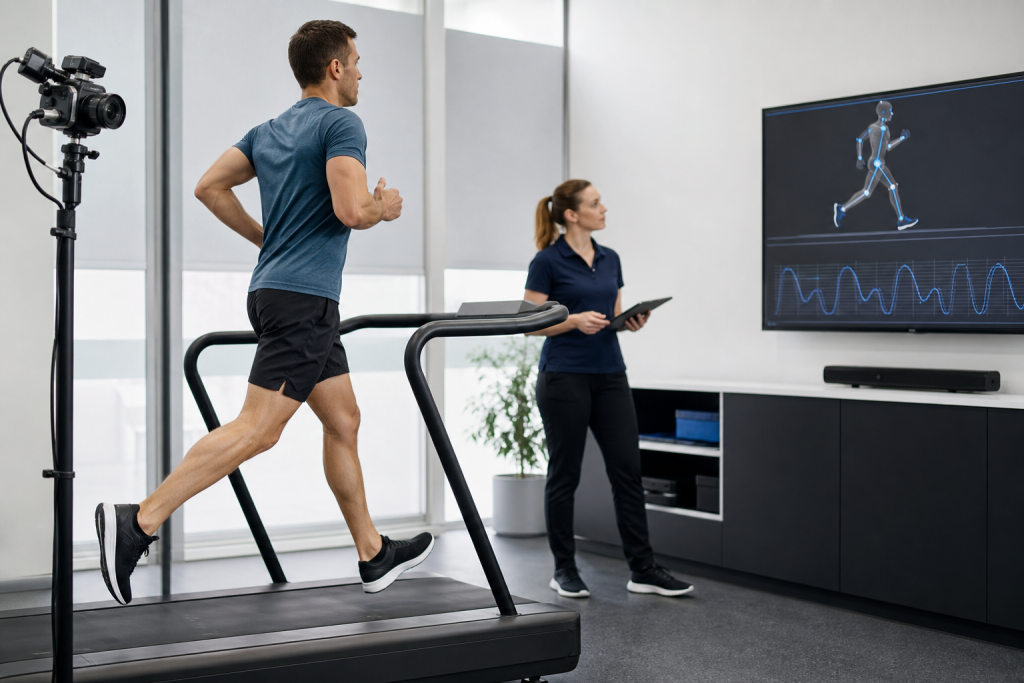
Ken’s Decision Room method turns running gait analysis into seven clear steps: frame the question, match the test, capture the task, experiment, and retest.

Ken’s Stride Force Journey explains how motion and force move through approach, contact, loading, propulsion, and swing—and how to test a useful change.
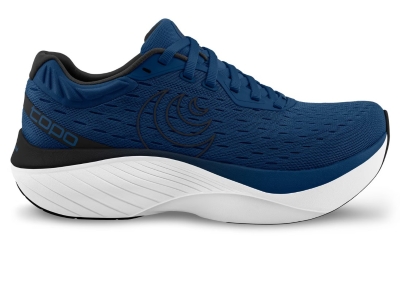
Ken’s Topo Athletic Atmos 2 review after 192 miles: anatomical fit, ZipFoam ride, 13-mile long runs, road and sand limits, comparisons and buying advice.
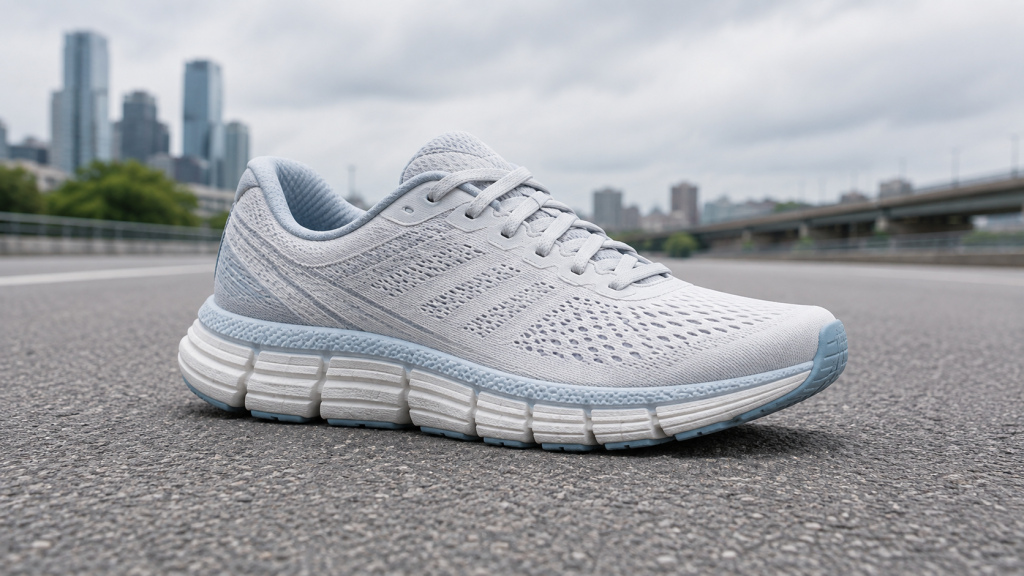
On Cloudsurfer 2 review after 211 miles: CloudTec Phase, Helion cushioning, sizing, fit, stability, grip, durability, long runs, and version changes.
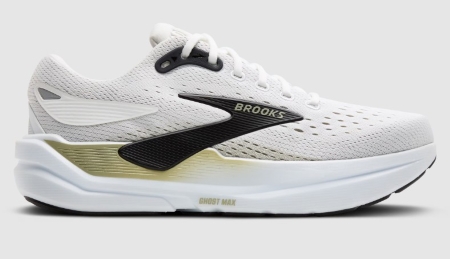
Ken’s Brooks Ghost Max 3 review after 158 miles: DNA LOFT v3 and GlideRoll ride, fit, 18-mile long-run experience, orthotics, comparisons, and buying advice.