
My 5K race strategy is to control the first 400 meters, settle before the first kilometer, make the middle uncomfortable without losing form, and earn the final kick. I use pace, effort, breathing, position, and distance remaining together. One watch number never gets to race for me.
After 12 years of running, I still respect how quickly a 5K can punish a small early mistake. The race is short enough that I must commit, but long enough that an adrenaline-fueled start can turn the final two kilometers into damage control. My best races feel patient for minutes, not miles.
My quick answer: I choose the target from training evidence, use the opening 400 meters as a speed limit, settle near the planned effort by 1K, protect form through 3K, begin racing the field after 4K, and reserve the true sprint for a distance I have practiced. I adjust for hills, wind, heat, congestion, and GPS instead of forcing flat-road splits.
This is the race-execution branch of my running training system. It assumes the preparation has already been done. It does not replace a 5K training plan, pace calculator, speed program, warm-up protocol, or medical assessment.
I Choose the 5K Strategy Before the Start
I decide whether I am racing to finish well, hit a time range, or compete for position. Those goals can overlap, but they create different opening constraints. A first-time runner benefits from control and continuity; an experienced runner may tolerate a narrower pace margin and more tactical movement.
| Race goal | My opening priority | My late-race decision |
|---|---|---|
| First controlled 5K | Avoid a breathless first kilometer | Increase only while form stays stable |
| Time target or PR | Stay inside a realistic pace range | Press after 3–4K when the evidence is green |
| Race the field | Secure position without an unnecessary surge | Respond selectively, not emotionally |
| Hilly or windy course | Cap effort rather than defend flat pace | Use course relief without overcorrecting |
I write the goal, opening limit, halfway check, and final-kilometer cue on one race card. If the strategy cannot fit on one screen, it is too complicated to execute while racing.
My Three-Clock System
I race with three clocks: the pace clock, the effort clock, and the distance-remaining clock. The pace clock tells me what I am doing. The effort clock tells me what it costs. The distance clock tells me whether that cost is appropriate yet.
| Clock | What I read | Question I ask |
|---|---|---|
| Pace | Lap split, course marker, group speed | Is this within the plan after terrain and GPS? |
| Effort | Breathing, posture, coordination, tension | Is the cost rising too early? |
| Distance | Meters or kilometers remaining | Have I earned this level of commitment yet? |
A fast split can be acceptable downhill when effort remains capped. The same split on flat ground with tight shoulders and ragged breathing can be too expensive. I never read one clock without the other two.
What My 5K Strategy Actually Controls
- My effort ceiling during the opening 400 meters.
- The pace range I expect once congestion clears.
- How I respond to a fast or slow early split.
- Whether hills and wind change pace or position.
- When I begin a sustained final drive.
- How much distance I reserve for the true kick.
- Which symptoms override the race plan.
The strategy does not create missing fitness. My 5K training plan owns the multi-week build, while my Couch to 5K plan owns the run-walk progression for a first completion. Race day only expresses what those weeks built.
Even, Negative, Positive, or Fast Start?
I choose a profile from the runner and course rather than treating one split pattern as morally superior. An even result may require varied pace across hills. A small negative split can come from excellent control. A small positive split can still produce a strong race when the opening was appropriate.
| Profile | When it can fit | Risk I manage |
|---|---|---|
| Near-even | Flat course and reliable pace sense | Becoming rigid about every split |
| Slight negative | Runner benefits from early restraint | Starting so slowly that a large surge is required |
| Small positive | Course or athlete naturally slows late | Using it as permission for a reckless first kilometer |
| Controlled fast start | Experienced, specifically prepared runner | Confusing a bounded move with an all-out launch |
For most runners I coach conceptually, the safest default is controlled commitment: close to target after the opening settles, no major early debt, and enough coordination left to race the final kilometer.
How I Set a Realistic Pace Range
I use recent race and workout evidence, not ambition alone. I review consistent training, race-specific intervals, controlled time trials, recovery between repetitions, course similarity, and conditions. One exceptional interval does not become a 5K prediction.
My running pace calculator provides an estimate and unit conversions. I turn that estimate into a range, then decide whether training durability and race conditions support the faster or slower end.
I write both per-kilometer and per-mile references when useful, but I do not overload the watch. The range should be wide enough to absorb GPS noise and terrain without being so wide that it provides no constraint.
I Warm Up to Remove the First-Kilometer Shock
I want race pace to feel familiar before the gun. I use easy running, mobility suited to me, and short progressive efforts that finish with coordination rather than fatigue. I time the warm-up so I do not cool completely before the start.
My running warm-up guide owns the full protocol. On the race card, the decision is simpler: if the warm-up was shortened by logistics, I become even more disciplined through the opening 400 meters.
Clock Race or Field Race?
I decide which race I am running before responding to other people. In a clock race, a competitor’s surge may be irrelevant. In a field race, position and cover matter, but every move still has a cost.
I ask whether the runner ahead is moving at a pace I can sustain or simply offering emotional permission to abandon the plan. I bridge gaps gradually when the move fits. I let them go when closing requires a sprint too early.
Beginner Strategy: Finish With Control
I give a first-time racer fewer decisions. The opening goal is controlled breathing and smooth form, not an exact second. I settle into a sustainable rhythm, avoid chasing faster runners, and use clear checkpoints at halfway and the final kilometer.
- First 400 meters: stay contained and navigate the crowd.
- To 2K: find a repeatable rhythm without breathless surging.
- At halfway: check posture, breathing, and whether the pace can continue.
- From 3K: increase concentration before increasing speed.
- Final kilometer: press gradually if form and symptoms remain controlled.
I would rather see a beginner finish with a clear final effort than spend the last two kilometers walking because the start felt exciting. That finish becomes useful feedback for the next training cycle.
Experienced Strategy: Race the Evidence
I let an experienced runner use a narrower target and more tactical detail, but I still protect the opening. The runner may know how race effort develops, how much early discomfort is sustainable, and what kick distance has been practiced.
I use specific cues: relaxed speed through 400 meters, settle by 1K, defend rhythm to 3K, evaluate at 4K, then commit. If training supports a controlled faster opening, the limit is written before the race—not invented under adrenaline.
My Kilometer-by-Kilometer Checkpoints
| Checkpoint | What I want | What I avoid |
|---|---|---|
| 0–400 m | Position, relaxed speed, capped effort | Sprint start and weaving |
| 400 m–1K | Settle near the plan | Holding an accidental surge |
| 1–2K | Efficient rhythm and honest breathing | Thinking the race should feel easy |
| 2–3K | Concentration, stable form, no bargaining | Premature kick or mental drift |
| 3–4K | Begin competing and close gaps selectively | One large move that breaks form |
| 4–5K | Progressive drive, then practiced kick | Waiting until the line or sprinting too soon |
I do not expect each kilometer to feel the same. The cost should build. What I protect is the sequence: controlled speed, stable rhythm, focused discomfort, late commitment.
If I Start Too Fast
I correct it before the first mistake becomes a strategy. I stop passing, release shoulder and jaw tension, reduce effort smoothly, and restore a sustainable breathing pattern. I do not stare at average pace or try to keep the banked seconds.
- I confirm the split with course context and not only instant GPS.
- I lower effort for the next several minutes rather than braking suddenly.
- I rebuild form: tall posture, quiet hands, controlled stride.
- I reassess at the next marker instead of predicting disaster.
- I delay the final drive if the middle kilometers remain expensive.
The goal is not to erase the fast opening. I cannot refund that energy. I can stop paying interest on it.
If I Start Too Slowly
I make one gradual correction. I first ask whether the split reflects crowding, a climb, wind, or bad GPS. If effort is truly too low, I raise it over several minutes and return toward the range without sprinting.
A slow first 400 meters rarely ruins a 5K. A panic surge can. I focus on the next kilometer’s rhythm rather than trying to hit an instant pace number within ten seconds.
How I Race Hills
I hold effort uphill and allow pace to move. I shorten the stride, keep the arms useful, and avoid turning the first climb into an interval. I crest smoothly, regain breathing, and rebuild speed over the top.
On descents, I use gravity without reaching aggressively in front. The technique details live in my hill-running material elsewhere on the site; this race decision is about distributing effort so one hill does not dictate the remaining kilometers.
How I Race Wind
I treat headwind pace as a poor standalone signal. I hold sustainable effort, use legal cover from a runner or group when available, and avoid repeated moves into open air. With a tailwind I use the speed without upgrading the whole race too early.
My running in wind guide owns route, form, positioning, and safety detail. During a 5K, I plan where the exposed sections sit and avoid judging the race from one wind-distorted split.
Heat Changes the Pace Decision
I lower the opening cost when heat and humidity make the same pace more expensive. I do not chase a cool-weather target when conditions clearly differ. The adjustment depends on acclimation, race guidance, symptoms, sun, humidity, and the runner—not one universal conversion.
My running in heat guide owns acclimation and safety. On race day, heat means effort leads pace and concerning symptoms override the time goal.
Crowds, Competitors, and Bad GPS
I plan for noise so I do not react to all of it. At a crowded start, I choose position honestly and accept a few controlled seconds rather than weaving. Around competitors, I pass gradually and avoid being pulled into someone else’s pacing error.
When GPS jumps, I use lap time, official markers, breathing, and position. I do not run extra distance trying to make the watch line up. Manual laps can help on measured courses with poor satellite reception.
I check pace in windows rather than judging one noisy reading. A hill, turn, crowd, or GPS error can distort a split; several minutes of rising effort and falling form are a more important trend.
My One-Screen 5K Race Card
I reduce the entire plan to six lines I can read before the start. I do not need a long motivational script once the gun fires. I need an opening constraint, a target range, two checkpoints, a correction rule, and a kick cue.
| Race-card line | What I write | Why it matters |
|---|---|---|
| Opening cap | A cue such as relaxed speed through 400 m | Stops adrenaline from deciding the race |
| Target range | A bounded pace or effort range | Allows small terrain and GPS variation |
| Halfway check | Breathing, posture, and whether pace is sustainable | Detects early cost before it becomes collapse |
| 4K decision | Green means drive; yellow means hold form | Creates a deliberate late-race choice |
| Error rule | Correct smoothly over minutes | Prevents panic surges after one split |
| Kick cue | A practiced landmark or remaining distance | Separates the final drive from the sprint |
I make the cues behavioral. ‘Be tough’ is not a pacing instruction. ‘Relax hands, hold the group, reassess at 3K’ tells me exactly what to do when discomfort rises.
How I use an A and B plan
Plan A uses the range supported by training and expected conditions. Plan B lowers the early cost when heat, wind, illness recovery, course difficulty, or warm-up disruption changes the day. I define the switch before the start so adjustment does not feel like surrender.
What I leave off the card
I leave off training splits, competitor names, finish-time fantasies, and every possible scenario. Too much information competes with execution. The card exists to protect the few decisions that have the greatest cost.
I rehearse the card during a controlled training session before race week. I practice reading one cue, making the matching adjustment, and returning attention to form. That rehearsal tells me whether the language is clear enough under pressure. If I need to interpret a sentence while running hard, I rewrite it into a shorter action.
When I Start the Final Kick
I separate the final drive from the final sprint. The drive begins when I increase sustainable commitment, often during the final kilometer. The sprint begins only when the remaining distance matches what I have practiced and my mechanics remain safe.
| Signal | My decision |
|---|---|
| Form stable, breathing hard but controlled, no concerning symptoms | Increase gradually |
| Pace stable but posture and coordination fading | Hold form before adding speed |
| A competitor moves early | Respond only if the move fits my remaining-distance plan |
| Severe or concerning symptoms | Stop racing and seek appropriate help |
I do not wait for the final 100 meters if I still have controlled capacity, and I do not sprint from 800 meters because the finish feels close. The kick is a practiced duration, not a motivational guess.
How I Use the Race to Get Faster
I review the decision points, not only the finish time. I compare opening split, breathing at 1K, focus at halfway, form after 3K, the final-kilometer progression, and whether the kick timing matched the remaining capacity.
If training speed is the limiter, my guide to running faster owns the next development step. If execution was the limiter, I keep the fitness work and rehearse the race card more precisely.
Nine Mistakes I Avoid
- I do not sprint the first 200 meters: position is not worth early debt.
- I do not chase instant GPS pace: noise is not a command.
- I do not expect comfort: controlled discomfort should build.
- I do not run flat pace on hills: effort must absorb terrain.
- I do not close every gap: competitors can make pacing errors too.
- I do not panic after one split: I correct over minutes.
- I do not kick before earning it: distance remaining matters.
- I do not wait for motivation: checkpoints trigger decisions.
- I do not race through red flags: the clock never outranks safety.
Frequently Asked Questions
What is the best pacing strategy for a 5K?
I prefer a controlled opening, an honest middle, and a progressively harder final section. The exact profile depends on experience, course, conditions, and training evidence. I do not force one universal split pattern or confuse a conservative start with jogging the first kilometer.
Should I run the first mile faster or slower than goal pace?
I aim to keep the opening close enough to the target that I do not create a large recovery problem. I use effort, breathing, form, course, and congestion alongside the split. I avoid an adrenaline-driven first mile that feels free but raises the cost of every mile after it.
How hard should a 5K feel?
I expect controlled discomfort to build. Early effort should feel purposeful but contained, the middle requires concentration, and the final kilometer becomes a commitment decision. Severe or concerning symptoms are not part of normal race effort and change the decision immediately.
What should I do if I start a 5K too fast?
I correct the error smoothly as soon as I recognize it. I stop passing, reduce effort, restore breathing and form, and return toward a sustainable rhythm. I do not panic, brake abruptly, or keep banking time because the early pace felt exciting.
What should I do if I start a 5K too slowly?
I increase gradually over the next several minutes rather than sprinting to the target. I first confirm that the slow split was not caused by GPS error, a hill, wind, or crowding. One calm correction costs less than a panic surge.
When should I start my final kick in a 5K?
I distinguish a sustained final drive from a short sprint. I begin increasing effort in the final kilometer only when form and symptoms remain controlled, then reserve the true kick for the distance I have practiced and can execute without breaking mechanics.
How should I pace a hilly 5K?
I hold effort uphill, let pace slow, crest without surging, and regain speed gradually. On descents I use the available pace without overstriding or spending the legs too early. I judge the hill as part of the full course rather than trying to win every split.
How should I race a 5K in the wind?
I accept slower pace into a headwind, use legal and safe positioning behind an appropriate runner or group, and avoid repeated solo surges. With a tailwind I use the assistance while keeping the opening controlled.
Can I pace a 5K by heart rate?
I use heart rate as supporting context, not the sole controller. Short-race delay, sensor error, heat, stress, caffeine, and hills can make it difficult to interpret in real time. Pace, breathing, form, perceived effort, and course position remain important.
What if my GPS pace is wrong during a 5K?
I use official course markers, lap time, position, breathing, and effort. I do not weave or surge to make the watch match the course. If GPS is unreliable, manual laps at verified markers can give me cleaner race information.
Final Verdict
My final verdict is that a strong 5K race strategy balances commitment with timing. I cap the opening, settle by 1K, use the middle kilometers to protect form under pressure, and reserve the final kilometer for progressive racing.
I combine pace with effort, breathing, position, terrain, conditions, and distance remaining. When an early split is wrong, I correct it smoothly. When the watch is wrong, I trust the course and the body instead of chasing noise.
The best 5K does not feel easy. It feels controlled long enough that I can choose when to make it hard—and still have a real decision left when the finish finally comes into view.
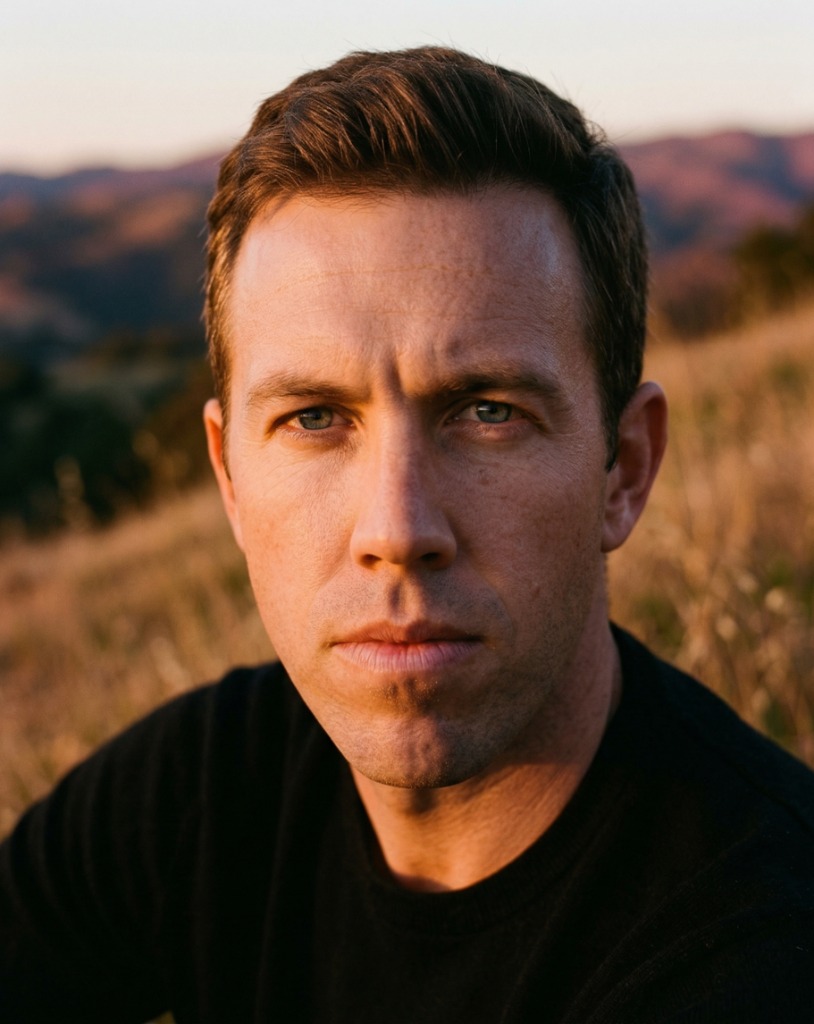
Written by Ken — 12 years of running, 12,500+ miles, 63 shoes tested, and 36 races from 5Ks to a 50K ultra. I run 30–40 miles a week and evaluate fit, heel security, toe room, ride, and late-run stability with real training miles. I am not a physician or podiatrist; medical claims in this guide are sourced and the limits are stated. More about me →