
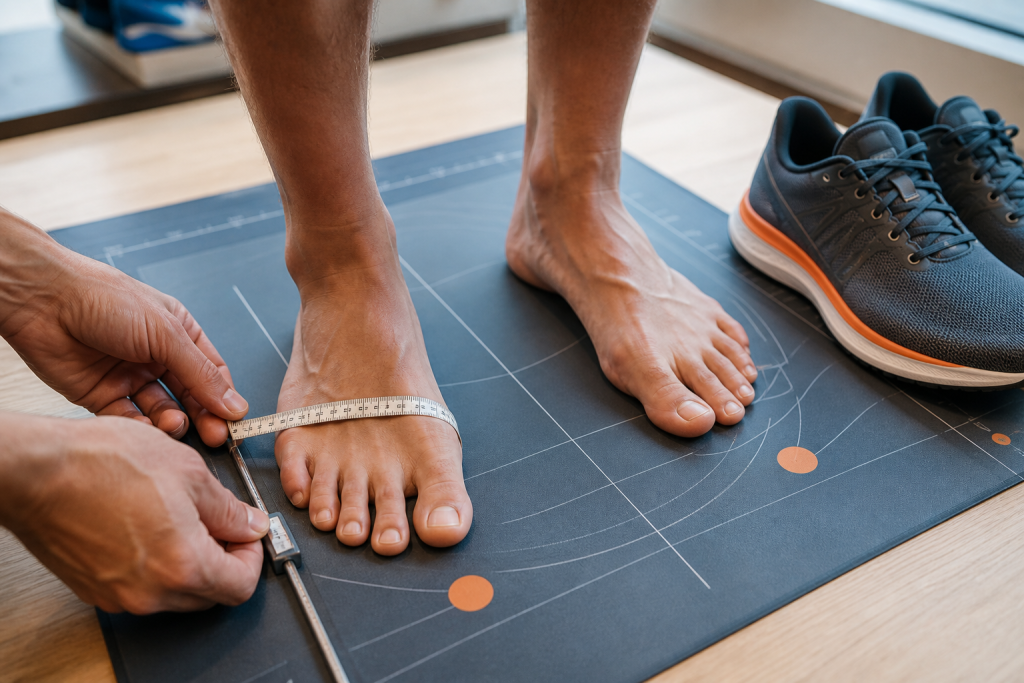
Running Foot Types Explained: A Better Way to Choose Shoes
Build a useful running-foot profile using shape, arch mobility, width, volume, toe outline, shoe interaction, and the way fit changes during real runs.
Build a useful running-foot profile using shape, arch mobility, width, volume, toe outline, shoe interaction, and the way fit changes during real runs.

Overpronation vs supination explained for runners: compare gait, arch tests, shoe wear, injury evidence, and neutral vs stability shoes.

Compare heel, midfoot, and forefoot running by mechanics, injury evidence, economy, speed, shoes, and load distribution—and learn when changing strike makes sense.

Learn what running gait analysis measures, how retail, clinical 2D and 3D tests differ, what common findings mean, and when an assessment is worth paying for.

A runner-first guide to gait cycles, ground forces, foot strike, cadence, joint work, fatigue, shoes, and useful gait analysis.

Build a sustainable running week with easy runs, long runs, speedwork, strength, recovery, progression rules, and sample three-, four-, and five-day schedules.

Build runner-specific strength with two weekly workouts, exact sets and reps, an eight-week progression, race-training schedules, home substitutions, and taper guidance.

Learn how to warm up before running with an eight-minute dynamic routine, plus exact adjustments for easy runs, workouts, races, weather, and common trouble spots.

Learn how to build a running base with an adaptable eight-week framework for easy mileage, long runs, strength work, cutback weeks, and safe progression.

Proper running form is not one cadence or foot strike. Use this evidence-based guide to improve posture, arm swing, overstriding, cadence, and foot landing safely.

Runner’s knee guide for runners: identify patellofemoral pain, check red flags, adjust training, build knee and hip capacity, and return safely.

Updated June 2026 A tempo run is a sustained effort at your lactate threshold pace — the fastest speed you

A beginner-friendly 8-week 10K training plan with weekly mileage, run-walk options, pacing, long runs, strength work, injury prevention, race-day strategy, and next steps.
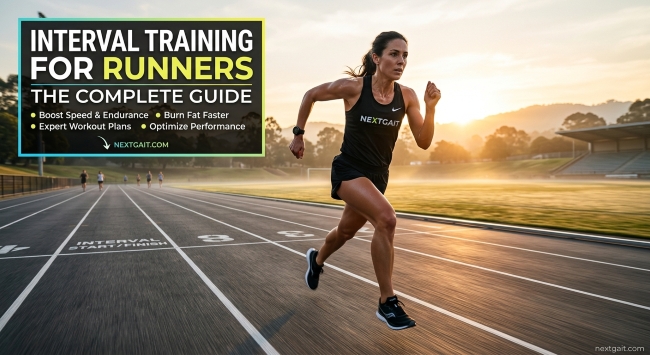
A runner-tested guide to interval training for runners: how to choose pace, beginner and advanced workouts, race-specific sessions, recovery rules, and an 8-week plan.

⚡ Quick Answer: What are running strides? They are short 20–30 second accelerations at 85–95% effort, done after easy runs

Learn how to increase running speed with workouts, pacing rules, form cues, strength training, recovery, and an 8-week plan built for real runners.

Cross training for runners: rank the best low-impact workouts, match effort correctly, and use practical weekly plans for speed, endurance, and injury recovery.

Updated May 2026⚡ Quick Answer: The Couch to 5K program is a structured walk-to-run training plan that takes absolute beginners

A practical guide to the run walk method, with ratio charts, beginner plans, race-day strategy, injury return rules, pacing, watch setup, and when to adjust walk breaks.

Learn how to find your easy run pace with the talk test, RPE, heart rate, race-pace math, MAF, heat and hill adjustments, pace tables, and a 7-day field test.

Learn how to prevent running injuries with evidence-based rules for training load, strength, recovery, shoes, running form, and early pain signals.