
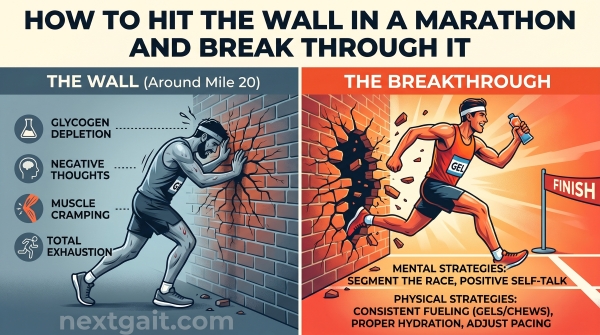
Marathon Wall: What It Is, Why It Happens, and What to Do
Why marathon runners hit the wall, how pacing, fuel, heat, and durability interact, warning signs, and safe race-day decisions when pace collapses.
Why marathon runners hit the wall, how pacing, fuel, heat, and durability interact, warning signs, and safe race-day decisions when pace collapses.

Updated May 2026⚡ Quick Answer: Starting running while overweight requires prioritizing joint biomechanics by building a walking base first and

It happened during a January run along the Atlantic City boardwalk — every stride, a tiny pop in my ear. Annoying? Yes. Dangerous? Probably not. Here’s what’s actually going on and how to fix it.

Staying in Zone 2 without walking is the ultimate test of aerobic discipline and biomechanical efficiency. Here is the evidence-based running form and heart rate control strategy I used to build an elite aerobic base.

Foam rolling for runners is the most debated recovery topic in running — and I used to think it was

A marathon training plan for beginners should cover 16 weeks with 3-4 runs per week, peaking at 18-20 miles before

IT band stretches for runners: practical hip mobility, glute strength, foam rolling, running form fixes, return-to-running plan, red flags, and FAQ.

Running for weight loss beginners — When I started running, I weighed 230 pounds. I couldn’t make it around the

Evidence-based running form adjustments for heavier runners: individualized cadence, foot-strike tradeoffs, phone-video checks, pain rules, and a controlled two-week test.