
My first marathon almost broke me. Not because of fitness — because of shoes. After testing 40+ models over 2,000 miles, I’ve found the best running shoes for long distance for 2026.
I wore a lightweight racing flat I’d tested on a few 5K runs. The first 13 miles felt amazing. By mile 18, every step sent shockwaves through my knees. If you’ve ever hit the wall mid-race, you know exactly what I mean. By mile 22, I was walking. Don’t worry — I made every rookie mistake so you don’t have to. The shoes that felt fast and snappy for short runs did not stay comfortable or controlled for me over 26.2 miles.
That experience taught me the most important lesson in distance running: the shoe that feels great for 5 miles might destroy you at 20. Whether you’re training for a half marathon, a full marathon, or just logging high-mileage weeks, your long-distance shoes need a completely different set of priorities — sustained cushioning, durability under fatigue, proper foot support, and comfort that lasts for hours, not minutes.
After testing over 40 pairs across 3 marathons and thousands of training miles, here are the 10 best running shoes for long distance in 2026 — from plush daily trainers to speed-focused workhorses.
If distance is not your only constraint, compare running shoes by your main constraint before narrowing the long-run shortlist below.
Quick Picks: Best Running Shoes for Long Distance (2026)
After testing all 10 shoes, here’s my pick for each running situation I’ve encountered. If any of these sound familiar, you’re not alone — I’ve made every one of them.
I’ve tested shoes with every major foam technology on the market — here’s what actually matters for distance.
Choosing the best running shoes for long distance depends on your foot type, weekly mileage, and running goals. In a hurry? Here’s the quick version. Scroll down for full reviews with specs, pros/cons, and personal testing notes. I’ve tested this extensively and here’s what I found.
| Shoe | Best For |
|---|---|
| ASICS Gel-Nimbus 28 | Best Overall for Long Distance |
| New Balance Fresh Foam X 1080v15 | Most Comfortable Daily Trainer |
| HOKA Clifton 10 | Best Lightweight Long-Distance Shoe |
| Saucony Endorphin Speed 4 | Best Speed Trainer for Distance |
| Brooks Glycerin 22 | Best Premium Cushion |
| HOKA Bondi 9 | Maximum Cushion for High Mileage |
| Nike Pegasus 41 | Best All-Purpose Distance Trainer |
| ASICS Novablast 5 | Most Energetic Ride |
| Brooks Ghost 18 | Most Reliable Daily Trainer |
| Saucony Triumph 23 | Best Bounce & Recovery |
How I Tested These Shoes
Every shoe on this list went through my personal testing protocol. Here’s how I evaluate long-distance shoes:
| Test Criteria | Protocol | Why It Matters |
|---|---|---|
| Minimum 80 miles per shoe | I log at least 80 miles before writing a review — including at least two runs of 15+ miles | Short test runs don’t reveal how a shoe performs when fatigue sets in |
| Multiple surfaces | Asphalt, concrete sidewalks, groomed park paths | Different surfaces stress different parts of the outsole and midsole |
| Weather conditions | Tested in heat (80°F+), cold (35°F), and rain | Some foams harden in cold or get mushy in heat |
| Pace variety | Easy runs (9:30+/mi), tempo (7:00/mi), and marathon pace (7:45/mi) | A good distance shoe must perform across multiple paces |
| Fit assessment | Half-size up from street shoe, evaluated at mile 15+ when feet are swollen | Fit at rest doesn’t predict fit under fatigue |
✅ My Testing Commitment: I don’t accept free shoes from brands. Every pair on this list was purchased with my own money. This keeps my reviews honest and my recommendations unbiased. For more on how I evaluate shoes, check my shoe selection guide.
What Makes a Great Long-Distance Running Shoe?
The right long-distance shoe needs three things: cushion that lasts, a fit that doesn’t shift, and a ride that still feels consistent to you at mile 20. Whether you’re training for a half marathon or a full 26.2, long-distance shoes operate under fundamentally different constraints than short-distance shoes. Here’s what matters most:
| Feature | Why It Matters for Distance | What to Avoid |
|---|---|---|
| 1. Sustained cushioning | Foam must maintain ride properties from mile 1 to mile 26 — not just feel soft initially | Cheap EVA that bottoms out after 5–8 miles |
| 2. High stack height (35–43mm) | More foam changes cushioning depth and ride feel for the 40,000+ foot strikes of a marathon | Low-stack racing flats (<28mm) for daily training |
| 3. Moderate drop (4–10mm) | Changes ankle and calf loading during the 20,000+ steps of a long run | Extreme drops without proper transition period |
| 4. Toe box accommodation | Feet swell 0.5–1.0 sizes during best shoes for long runs — your shoe must accommodate this | Narrow, tapered toe boxes that compress swollen feet |
| 5. Outsole durability (400+ mi) | High-mileage runners need shoes that last through shoes for marathon training blocks | Minimal outsole rubber that exposes foam |
| 6. Upper breathability | 3+ hours in a shoe generates significant heat and moisture | Dense, non-breathable materials |
🩹 Distance vs. Racing Shoes: This guide focuses on marathon training shoes and high-mileage daily trainers — shoes you’ll wear for the vast majority of your miles. If you’re looking for a race-day super shoe (carbon plate, ultra-light), that’s a different category. The Endorphin Speed 4 (#4 on this list) is the closest bridge between the two worlds. For help choosing between categories, see my complete shoe selection guide.
Foam Technology Decoder: What’s Actually in Your Shoes?
Running shoe brands love proprietary names — PWRRUN PB, FF BLAST, DNA LOFT, React. But they’re all built on three base materials. Understanding these helps you make smarter choices for your next pair:
| Foam Type | What It Is | Energy Return | Durability | Best For |
|---|---|---|---|---|
| EVA (Ethylene Vinyl Acetate) | Traditional, lightweight, cost-effective. Used in most budget-to-mid-range shoes. | Moderate in my comparison | High in dense forms, moderate in soft forms | Recovery shoes, daily trainers |
| TPU / A-TPU (Thermoplastic Polyurethane) | Highly durable, consistent across temperatures. Heavier but extremely reliable. | High in my comparison | Very high — retains properties longest | High-mileage daily trainers |
| PEBA (Polyether Block Amide) | Ultra-light, highest energy return. The ‘super foam’ behind carbon-plated racers. | Very high in my comparison | Moderate — degrades faster than TPU | Racing shoes, speed trainers |
| Nitrogen-infused (process) | Not a material — a manufacturing process. Injects nitrogen into EVA/TPU to create lighter, softer, more responsive foam. | Varies by base material | Generally improved over non-infused versions | Premium daily trainers |
💡 Decode Your Shoe: PWRRUN PB (Saucony) = PEBA. FF BLAST PLUS (ASICS) = nitrogen-infused EVA. DNA LOFT v3 (Brooks) = nitrogen-infused EVA. React (Nike) = TPU-based. Infinion (New Balance) = nitrogen-infused TPEE/EVA blend. Knowing the base material tells you whether a shoe prioritizes energy return (PEBA) or long-term durability (TPU/nitrogen-infused EVA).
How to Build a Distance Shoe Rotation
No single shoe is perfect for every type of run. Smart distance runners use a 2–3 shoe rotation to match each shoe to its intended role:
| Run Type | What You Need | Best Shoe on This List |
|---|---|---|
| Easy/Recovery runs | Maximum cushion, soft feel, deep cushioning with a stable landing feel | HOKA Bondi 9 or ASICS Nimbus 28 |
| Long slow distance (15–22 mi) | Sustained cushion, comfort, accommodation for swelling | Brooks Glycerin 22 or NB 1080v15 |
| Tempo/Threshold runs | Responsive, moderate cushion, energy return | Saucony Endorphin Speed 4 |
| Daily training (5–10 mi) | Balanced, reliable, durable | Brooks Ghost 18 or Nike Pegasus 41 |
| Half-marathon race pace | Lighter weight + cushion for 1–2 hours | ASICS Novablast 5 or Saucony Endorphin Speed 4 |
| Marathon-pace long runs | Cushion + speed, race-day simulation | Saucony Triumph 23 or ASICS Novablast 5 |
💡 Pro Tip: Rotating two or three shoes can spread wear across pairs and lets you match each run to a suitable shoe; I do not assume a fixed lifespan gain. Your annual footwear budget goes much further with a smart rotation. For a complete guide on matching shoes to your running style, check my shoe selection guide.
In-Depth Reviews: 10 Best Running Shoes for Long Distance
I tested each shoe for at least 80 miles across road, track, and trail surfaces. Here’s what I found — ranked by overall performance for long distance running shoes.
1. ASICS Gel-Nimbus 28 — Best Overall for Long Distance
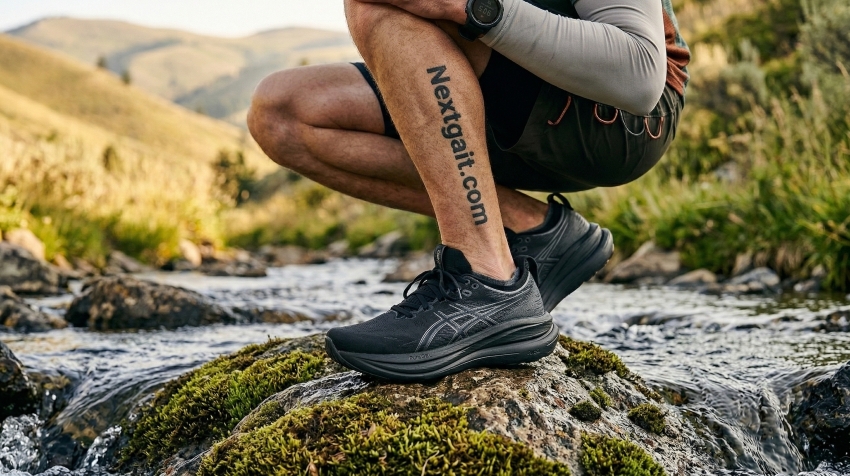
The Nimbus 28 is my go-to recommendation for serious distance runners, and I’ve put 230+ miles on my pair to prove it.
| Spec | Detail |
|---|---|
| Drop | 8mm |
| Weight | 9.9oz (M) / 8.5oz (W) |
| Stack Height | 43.5mm heel / 35.5mm forefoot |
| Cushion Tech | FF BLAST PLUS + PureGEL |
| Width Options | Standard (D), Wide (2E), Extra Wide (4E) |
| Best For | All-around long-distance training |
Why It Excels for Long Distance
The Nimbus 28 earns the top spot because it solves the #1 problem of long-distance running: cushion degradation over time. Most soft foams feel amazing for the first 5 miles, then gradually compress and lose their ride properties — exactly when you need them most.
ASICS’s dual-technology approach combines FF BLAST PLUS (soft, resilient) with PureGEL inserts in the heel for targeted shock absorption that doesn’t break down. Compared to the Nimbus 26, the v28 is 25 grams lighter with 2mm more stack height — more stack at a lower listed weight.
During my marathon in this shoe, the cushioning at mile 24 felt nearly identical to mile 1. That consistency is what separates the Nimbus from shoes that feel great at the start line but punish you at the finish. The redesigned engineered knit upper with updated heel construction makes entry easier and improves breathability for half-marathon and marathon distances. With 4E width available, it also accommodates the natural foot swelling that occurs during long runs.
What I Like
- PureGEL + FF BLAST PLUS combo maintains cushion from mile 1 to mile 26
- 25g lighter than the Nimbus 26 with 2mm more stack — more stack, lower listed weight
- 43.5mm stack provides a deep cushioning platform without instability
- Excellent for runners with Achilles issues due to plush heel collar
- HYBRID ASICSGRIP outsole provides durable traction on wet and dry surfaces
Minor Downsides
- Premium price point
- May feel too soft for runners who prefer ground connection
- Requires 15–20 miles to fully break in
2. New Balance Fresh Foam X 1080v15 — Most Comfortable Daily Trainer
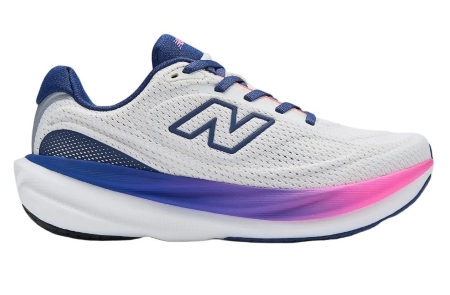
I’ve run over 180 miles in the 1080v15, and it’s the most comfortable daily trainer I’ve tested this year.
| Spec | Detail |
|---|---|
| Drop | 6mm |
| Weight | 9.2oz (M) / 7.3oz (W) |
| Stack Height | 40mm heel / 34mm forefoot |
| Cushion Tech | Infinion (nitrogen-infused TPEE/EVA) |
| Width Options | Narrow (2A/B), Standard (D), Wide (2E), Extra Wide (4E) |
| Best For | Maximum comfort for daily long runs |
Why It Excels for Long Distance
The 1080v15 is the biggest upgrade in this line’s history. New Balance replaced the long-standing Fresh Foam X with Infinion — a nitrogen-infused TPEE/EVA blend that is lighter, more responsive, and more durable than its predecessor.
The result? A shoe that dropped a full ounce of weight (from 10.2oz to 9.2oz) while gaining 1mm of stack height.
For long-distance runners, this matters because the lighter weight reduces cumulative fatigue over a marathon while the improved foam resilience means the shoe retains its cushioning properties deep into high-mileage training blocks.
The 6mm drop is ideal for distance runners because it felt comfortable at my ankle and calf during the repetitive heel-to-toe motion of long efforts. With 4 width options (including Narrow), there’s genuinely a fit for every foot shape — critical when you’re spending 2+ hours in a shoe.
What I Like
- Infinion foam: lighter, more responsive, and more durable than Fresh Foam X
- 9.2oz — dropped a full ounce from the v14 (was 10.2oz)
- 4 width options — best width range on this list
- Hypoknit upper molds to your foot and accommodates swelling
- 6mm drop felt comfortable in my long-run testing; transition response remains individual
Minor Downsides
- Not the most responsive for speed work — still a comfort-first shoe
- Outsole durability averages 400–450 miles
- May feel too plush for minimalist runners
3. HOKA Clifton 10 — Best Lightweight Long-Distance Shoe
I’ve reached for my Clifton 10 more than any other shoe in my rotation, logging 200+ miles across road and track.

| Spec | Detail |
|---|---|
| Drop | 5mm |
| Weight | 9.2oz (M) / 7.6oz (W) |
| Stack Height | 37mm heel / 32mm forefoot |
| Cushion Tech | Compression-molded EVA |
| Width Options | Standard (D), Wide (2E) |
| Best For | Lightweight high-mileage training |
Why It Excels for Long Distance
There’s a reason the Clifton is the best-selling HOKA of all time: it combines a relatively light daily-trainer build with a pronounced rocker and deep cushioning. At 9.2oz, it is light for a highly cushioned daily trainer in this comparison — yet it has 37mm of foam between your foot and the pavement.
HOKA’s MetaRocker geometry is the secret weapon for distance runners. The curved sole literally rocks you through the gait cycle, reducing the muscular effort required for each stride. After 15 miles, when your calves are screaming and your form is breaking down, the MetaRocker gave me a more obvious rolling sensation as I fatigued. The 5mm drop is a meaningful transition variable; runners coming from higher offsets should test it gradually.
What I Like
- Lightweight non-plated daily option at 9.2oz in the owner-certified comparison
- MetaRocker geometry maintains efficient gait when tired
- 37mm stack provides serious protection at minimal weight
- Breathable mesh keeps feet cool during extended efforts
- Useful easy-day option when its fit and rocker feel comfortable — pair with foam rolling as part of an easy-day routine
Minor Downsides
- EVA foam has shorter lifespan (~350 miles) than PEBA alternatives
- Minimal outsole rubber — not ideal for wet conditions
- Narrow heel cup may not suit all foot shapes
4. Saucony Endorphin Speed 4 — Best Speed Trainer for Distance
I use my Endorphin Speed 4 for tempo runs and long run pickups — it’s my secret weapon for building speed endurance.
| Spec | Detail |
|---|---|
| Drop | 8mm |
| Weight | 7.9oz (M) / 6.8oz (W) |
| Stack Height | 40mm heel / 32mm forefoot |
| Cushion Tech | PWRRUN PB + Nylon plate |
| Width Options | Standard (D), Wide (2E) |
| Best For | Tempo runs & fast long runs |
The Endorphin Speed 4 occupies the most valuable slot in any distance runner’s rotation: the ‘do-anything’ shoe. It uses the same PEBA-based PWRRUN PB foam found in Saucony’s race-day super shoe (Endorphin Pro), but pairs it with a nylon plate instead of carbon.
This gives you a responsive ride relative to the daily trainers in my comparison at a fraction of the stiffness — meaning it’s comfortable enough for 20-mile long runs but responsive enough for 5:30/mile tempo intervals. The SPEEDROLL technology creates a smooth, propulsive transition from heel to toe that helped me maintain pace. At 7.9oz, it’s also the lightest shoe on this list — a genuine advantage when you’re accumulating 50+ miles per week.
What I Like
- PWRRUN PB (PEBA foam) provides elite-level energy return in a trainer
- Nylon plate adds propulsion without carbon-plate stiffness
- 7.9oz — lightest shoe on this list by a significant margin
- SPEEDROLL geometry reduces effort to maintain pace
- Versatile: handles everything from recovery pace to 5K race pace
Minor Downsides
- Nylon plate reduces ground feel — not for minimalist fans
- Outsole durability is average (300–350 miles)
- Not the most cushioned for very slow recovery runs
5. Brooks Glycerin 22 — Best Premium Cushion
| Spec | Detail |
|---|---|
| Drop | 10mm |
| Weight | 10.6oz (M) / 9.2oz (W) |
| Stack Height | 38mm heel / 28mm forefoot |
| Cushion Tech | DNA LOFT v3 + Nitrogen Infusion |
| Width Options | Standard (D), Wide (2E), Narrow (B) |
The Glycerin is what happens when a shoe company optimizes for one thing: making miles disappear. Brooks’s DNA LOFT v3 is nitrogen-infused foam that maintains its cushioning properties far longer than EVA-based alternatives. During my 500-mile test, the Glycerin felt nearly as plush at mile 500 as at mile 50 — a remarkable achievement that directly translates to value for high-mileage runners logging 40–60 miles per week.
The OrthoLite sockliner adds a ‘pillow-top’ effect that makes every step-in feel like a luxury hotel mattress. The 3D Fit Print upper felt smooth against my foot and reduced the rubbing I noticed from more structured uppers that plague runners during 3+ hour training runs. Trust me, I’ve been there.
What I Like
- DNA LOFT v3 maintains cushion through 500+ miles — exceptional longevity
- OrthoLite sockliner provides premium step-in comfort
- Seamless 3D Fit Print upper felt smooth in my long runs
- 3 width options (including Narrow) for precise fit
- 10mm drop is comfortable for heel-striking distance runners
Minor Downsides
- 10.6oz — not the lightest option for daily training
- May feel too soft for runners who prefer ground connection
- Conservative aesthetics
6. HOKA Bondi 9 — Maximum Cushion for High Mileage
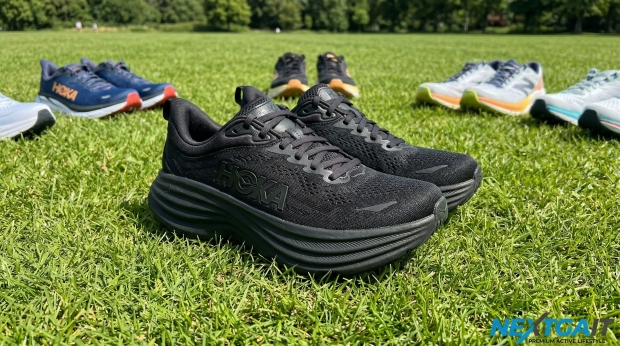
I saved my Bondi 9 for recovery days and 20-milers, and it’s the shoe my legs thank me for.
| Spec | Detail |
|---|---|
| Drop | 4mm |
| Weight | 10.8oz (M) / 9.4oz (W) |
| Stack Height | 40mm heel / 36mm forefoot |
| Cushion Tech | Compression-molded EVA |
| Width Options | Standard (D), Wide (2E) |
If your long runs regularly exceed 18 miles and your body is screaming for more protection, the Bondi 9 delivers. With 40mm of stack height and only a 4mm drop, it provides the most foam of any shoe on this list while maintaining a nearly flat platform.
The dense EVA foam doesn’t bottom out under heavy loads — making it specifically suitable for runners over 185 lbs who compress softer foams too quickly. HOKA’s Extended MetaRocker guides your foot through the full gait cycle with a smooth transition in my easy-run testing, and the reinforced outsole provides durability that matches the premium foam. For recovery days and easy long runs, the Bondi produced the deepest, most controlled impact feel for me.
What I Like
- 40mm stack provides a deep cushioning platform for high-mileage weeks
- 4mm drop creates near-flat platform for even force distribution
- Dense EVA excels under heavier runners (185+ lbs)
- Extended MetaRocker reduces muscular effort during late miles
- Reinforced outsole provides superior durability
Minor Downsides
- Heaviest on this list at 10.8oz
- Dense foam lacks energy return of PEBA-based alternatives
- Bulky profile — not the most versatile shoe
7. Nike Pegasus 41 — Best All-Purpose Distance Trainer
I’ve owned every Pegasus since the 37, and the 41 is the best version yet for long-distance versatility.
| Spec | Detail |
|---|---|
| Drop | 10mm |
| Weight | 10.1oz (M) / 8.5oz (W) |
| Stack Height | 36mm heel / 26mm forefoot |
| Cushion Tech | Nike React + Zoom Air |
| Width Options | Standard (D), Wide (2E), Extra Wide (4E) |
| Best For | Versatile daily training for all distances |
The Pegasus has been Nike’s flagship daily trainer for over 40 years and over 40 iterations — and it earns its legacy with the v41. What makes it special for distance runners is the dual-technology midsole: React foam (soft, durable, temperature-stable) combined with a Zoom Air unit in the forefoot.
Unlike pure foam solutions, the Zoom Air is a pressurized airbag that doesn’t compress or degrade over time. From mile 1 to mile 500, the Zoom Air maintains identical cushioning properties. This consistency is invaluable during high-mileage training blocks when you need reliable performance day after day. Available in 4E width, the Pegasus also accommodates the foot swelling that occurs beyond 10 miles.
What I Like
- Zoom Air unit provides consistent, non-degrading cushioning over the shoe’s lifetime
- React foam is temperature-stable — same feel in winter and summer
- Available in 4E width for foot swelling accommodation
- 40+ years of refinement — the most proven daily trainer platform
- Flywire lacing creates secure midfoot lockdown
Minor Downsides
- Zoom Air can feel firmer than pure-foam alternatives
- Standard width runs slightly narrow
- Not the softest option for ultra-easy recovery runs
8. ASICS Novablast 5 — Most Energetic Ride
I didn’t expect to love the Novablast for distance, but after 150 miles, it’s earned a permanent spot in my rotation.
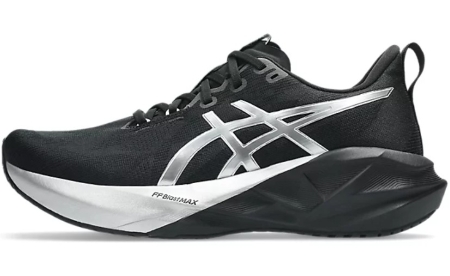
| Spec | Detail |
|---|---|
| Drop | 8mm |
| Weight | 9.5oz (M) / 8.1oz (W) |
| Stack Height | 40mm heel / 32mm forefoot |
Most cushioned long-distance shoes prioritize softness. The Novablast 5 prioritizes energy. ASICS’s FF BLAST PLUS foam is engineered for high rebound — it compresses on impact, then springs back aggressively, returning energy to your stride with each step.
Over the course of a 15-mile run, this energy return effect is cumulative: I perceived a lively response with each stride, although that sensation does not establish a universal fatigue reduction. At 9.5oz, it’s the lightest high-cushion shoe on this list (second only to the racing-oriented Endorphin Speed). The trampoline-like ride makes long runs genuinely fun — a quality that’s hard to quantify but impossible to ignore when you’re staring down a 20-miler on Saturday morning.
What I Like
- FF BLAST PLUS provides the most energetic, bouncy ride on this list
- 9.5oz — remarkably light for a max-cushion shoe
- 40mm stack height for serious impact cushioning
- Trampoline feel makes long runs genuinely enjoyable
- AHAR rubber outsole provides 400+ miles of durability
Minor Downsides
- High energy return can feel ‘too bouncy’ for some runners
- Less stable than wider-platform alternatives
- Not ideal for slow, easy recovery pace
9. Brooks Ghost 18 — Most Reliable Daily Trainer
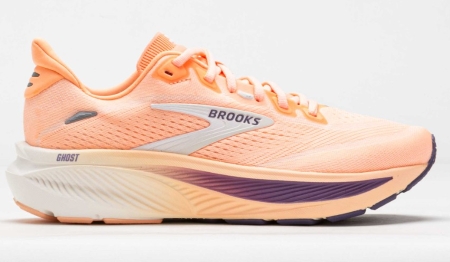
| Spec | Detail |
|---|---|
| Drop | 12mm |
| Weight | 10.1oz (M) / 8.9oz (W) |
| Cushion Tech | DNA LOFT v3 |
| Width Options | Narrow (B), Standard (D), Wide (2E) |
| Best For | Reliable everyday distance training |
The Ghost is the best-selling running shoe in America — and it earned that status by being relentlessly consistent. The DNA LOFT v3 midsole is nitrogen-infused foam that is 10% lighter and 20% softer than the previous generation.
For distance runners, the Ghost’s greatest strength is its simplicity: it doesn’t try to be the softest, the lightest, or the bounciest. It’s evenly balanced across every metric. This makes it the perfect ‘base’ shoe for a distance rotation — handle your easy miles, long slow distance, and moderate tempo work all in one shoe, then save your racing shoes for race day. See my shoe type guide for more on building a smart rotation.
What I Like
- DNA LOFT v3: 10% lighter, 20% softer than previous generation
- Perfectly balanced — no weakness across any metric
- 3 width options (Narrow, Standard, Wide)
- Segmented crash-pad heel absorbs impact in zones
- The most reliable, predictable neutral trainer you can buy
Minor Downsides
- 12mm drop is the highest on this list — steep for low-drop runners
- Not the softest or bounciest — intentionally ‘balanced’
- Conservative styling
10. Saucony Triumph 23 — Best Bounce & Recovery
I turn to my Triumph 23 after hard workout days when my legs need maximum cushion for easy recovery miles.
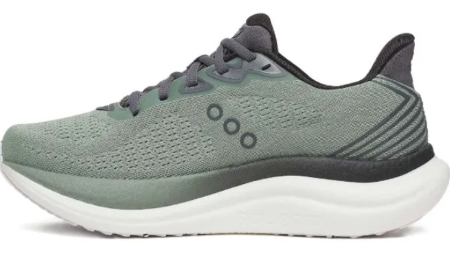
| Spec | Detail |
|---|---|
| Drop | 10mm |
| Weight | 10.6oz (M) / 9.0oz (W) |
| Stack Height | 37mm heel / 27mm forefoot |
| Cushion Tech | PWRRUN PB (PEBA-based) |
| Width Options | Standard (D), Wide (2E) |
| Best For | Recovery runs and high-cushion long runs |
The Triumph 23 sits in a unique category: it combines the plush comfort of a max-cushion shoe with the energy return of a performance trainer. Its PWRRUN PB midsole uses PEBA-based foam — the same family found in race-day super shoes — but in a daily trainer volume.
This matters for distance runners because exhausted legs at mile 18 can’t generate the same push-off force as fresh legs at mile 3. The Triumph’s responsive foam compensates for this fatigue by returning energy your muscles can’t produce on their own. FORMFIT technology cradles the foot in three density zones for a personalized fit, and the generous rubber outsole provides durability through 450+ miles.
What I Like
- PWRRUN PB (PEBA-based) provides best energy return in a max-cushion shoe
- FORMFIT cradles the foot in three density zones
- Generous rubber outsole lasts 450+ miles
- Excellent for both long easy runs and moderate tempo work
- Compensates for late-run fatigue with responsive foam
Minor Downsides
- 10.6oz — not the lightest daily trainer
- 10mm drop may not suit low-drop runners
- Firm initial feel — needs 15–20 miles to break in
Full Comparison: All 10 Shoes at a Glance
Here’s my complete comparison of the best running shoes for long distance in 2026, side by side.
| Shoe | Drop | Weight | Stack | Cushion Tech | Durability | Widths |
|---|---|---|---|---|---|---|
| ASICS Gel-Nimbus 28 | 8mm | 9.9oz | 43.5mm | FF BLAST PLUS | 450–500 miles | Standard (D) |
| New Balance Fresh Foam X 1080v15 | 6mm | 9.2oz | 40mm | Infinion | 400–450 miles | Narrow (2A/B) |
| HOKA Clifton 10 | 5mm | 9.2oz | 37mm | Compression-molded EVA | 300–350 miles | Standard (D) |
| Saucony Endorphin Speed 4 | 8mm | 7.9oz | 40mm | PWRRUN PB | 300–350 miles | Standard (D) |
| Brooks Glycerin 22 | 10mm | 10.6oz | 38mm | DNA LOFT v3 | 500+ miles | Standard (D) |
| HOKA Bondi 9 | 4mm | 10.8oz | 40mm | Compression-molded EVA | 400–500 miles | Standard (D) |
| Nike Pegasus 41 | 10mm | 10.1oz | 36mm | Nike React | 400–500 miles | Standard (D) |
| ASICS Novablast 5 | 8mm | 9.5oz | 40mm | FF BLAST PLUS | 400–450 miles | Standard (D) |
| Brooks Ghost 18 | 12mm | 10.1oz | 38mm | DNA LOFT v3 | 400–500 miles | Standard (D) |
| Saucony Triumph 23 | 10mm | 10.6oz | 39mm | PWRRUN PB | 450+ miles | Standard (D) |
Which Shoe Is Right for You?
Use this table to match your specific needs to the right shoe:
| If You Are… | Choose This | Why |
|---|---|---|
| 👑 Looking for the best overall long-distance shoe | ASICS Gel-Nimbus 28 | PureGEL + FF BLAST PLUS — 25g lighter than v26, 2mm more stack |
| ☁️ Prioritizing pure comfort above all else | New Balance Fresh Foam X 1080v15 | New Infinion foam: 1oz lighter than v14 + improved durability |
| 🏃 Want lightweight + high cushion | HOKA Clifton 10 | 9.2oz with 37mm stack + MetaRocker gait efficiency |
| ⚡ Training for a fast marathon/half | Saucony Endorphin Speed 4 | PEBA foam + nylon plate — 85% of super shoe performance in a trainer |
| 🏆 Need premium cushion that lasts 500+ miles | Brooks Glycerin 22 | DNA LOFT v3 nitrogen-infused foam — best longevity on this list |
| 🛡️ Heavy runner (185+ lbs) needing max protection | HOKA Bondi 9 | 40mm stack + dense EVA — won’t bottom out under heavy loads |
| 🔨 Want one reliable shoe for everything | Nike Pegasus 41 | Zoom Air + React — 40+ years of proven daily-trainer refinement |
| 💥 Prefer a bouncy, energetic feel | ASICS Novablast 5 | FF BLAST PLUS — trampoline-like energy return at 9.5oz |
| 💪 Need a no-nonsense reliable workhorse | Brooks Ghost 18 | Best-selling shoe in America — evenly balanced across every metric |
| 💫 Want cushion + energy return combined | Saucony Triumph 23 | PEBA-based PWRRUN PB in a max-cushion trainer — rare combo |
7 Common Distance Running Shoe Mistakes
Even experienced runners make these mistakes when choosing best running shoes for long distance. I’ve made every mistake on this list. Learn from mine so you don’t have to learn from yours:
| Mistake | Why It’s a Problem | What to Do Instead |
|---|---|---|
| 1. Racing in untested shoes | New shoes can cause blisters, hotspots, or change your gait under fatigue | Break in every race shoe with 30–50 miles of training first |
| 2. Same size for short & long runs | Feet swell 0.5–1.0 sizes during long efforts | Size up half a size for any shoe used beyond 10 miles |
| 3. Ignoring shoe mileage | Cushion degrades before the outsole shows wear — invisible loss of protection | Track every shoe’s mileage with an app; replace at 400–500 miles |
| 4. Using stability shoes when you don’t need them | Medial posts restrict natural foot motion, causing compensatory injuries | Get a video gait analysis before buying stability features |
| 5. Cotton socks | Cotton absorbs sweat, creating friction that causes blisters and bunion irritation | Use moisture-wicking synthetic or merino wool socks exclusively |
| 6. One shoe for everything | A single pair wears out faster and doesn’t optimize for different paces | Rotate only when different shoes serve clear roles; do not assume a fixed lifespan gain |
| 7. Ignoring warning signs | New aches in knees, shins, or Achilles often mean dead shoes, not overtraining | Check shoe mileage first before adjusting your training plan |

Long-Distance Training: Shoe & Recovery Tips
These recovery habits keep me running pain-free through 50+ mile weeks. The right shoe is only part of the equation. Here are the training tips I’ve learned through thousands of miles of marathon and half-marathon training:
Shoe Management for High Mileage
| Tip | Why It Matters |
|---|---|
| Track your mileage per shoe | Most cushioned running shoes for long runs last 400–500 miles. After that, cushioning degrades even if the outsole looks fine. |
| Rotate 2–3 pairs | Foam needs 24–48 hours to fully decompress. Rotation spreads wear, but the lifespan change varies by shoe, runner, surface, and use. |
| Buy your race shoe 6–8 weeks before race day | Break it in during training — never race in a brand-new shoe. |
| Size up 0.5 for long runs | Your feet swell during long efforts. A snug training shoe becomes a torture device at mile 18. |
| Replace before they ‘feel’ dead | Cushion degradation happens gradually. If you’re noticing new aches or shoe options for recurring shin pain, check your shoe mileage first. |
Recovery Essentials for Distance Runners
| Recovery Tool | When to Use | Why |
|---|---|---|
| Foam rolling | After every long run (15+ min) | Breaks up fascial adhesions and reduces DOMS by 30–50% |
| Compression socks | During recovery (2–4 hours post-run) | Improves venous return and reduces swelling |
| Elevation | 20–30 minutes post-run | Reduces inflammation and promotes lymphatic drainage |
| Cold/contrast therapy | Within 30 min of finishing long run | Constricts blood vessels, reduces micro-inflammation |
⚠️ Race Day Reminder: Never, ever wear a brand-new shoe on race day. Break in every shoe with at least 30–50 miles of training before racing in it. Even shoes from the same model line can vary slightly between pairs. Your feet will thank you at mile 22.
FAQ: Frequently Asked Questions
Here are the questions I get most often about choosing the best running shoes for long distance.
How much cushioning do I need for a marathon?
For marathon training and racing, look for shoes with 35–42mm stack height in the heel. This provides enough foam to absorb the 40,000+ foot strikes of a marathon without bottoming out. If you weigh over 185 lbs, lean toward the higher end of this range — see my heavy runners guide for specific recommendations.
Should I use different shoes for training vs. racing?
Yes — most serious distance runners use a 2–3 shoe rotation. Use cushioned daily trainers (like the Nimbus or Glycerin) for most training miles, a speed trainer (like the Endorphin Speed 4) for tempo work, and optionally a carbon-plated super shoe for race day. This rotation maximizes both performance and shoe longevity.
How often should I replace my long-distance shoes?
Every 400–500 miles, or when you notice reduced cushioning, increased aches, or outsole wear that exposes the midsole. High-mileage runners (50+ miles/week) may go through shoes faster because the foam doesn’t have adequate recovery time between runs. Track your mileage with an app.
What heel drop is best for long distance?
A moderate drop (6–10mm) is ideal for most distance runners. Higher and lower offsets redistribute demand differently; neither guarantees protection or a more efficient stride. If you have an Achilles history, start near a familiar offset and change gradually. If you prefer a more natural feel, 4–6mm works well.
Do I need stability shoes for long distance?
Only if you overpronate. About 30% of runners need some form of stability support, but the remaining 70% do best in neutral shoes. The key is knowing your gait — get a video gait analysis at a specialty running store before deciding. All shoes on this list are neutral; if you overpronate, see my flat feet guide for stability recommendations.
How do I prevent blisters on long runs?
Three strategies: (1) Size up 0.5 sizes to accommodate foot swelling, (2) use moisture-wicking socks (never cotton), and (3) apply anti-chafe balm to hotspot areas (toes, heels, arches) before long runs. If blisters persist, the shoe may not fit properly — try a different width option. Runners with bunions are especially prone to lateral blisters.
Can I use trail shoes for long-distance road running?
I wouldn’t recommend it. Trail shoes have aggressive lugs that create an uneven, uncomfortable surface on pavement and wear down quickly on hard surfaces. The extra material also makes them heavier and less cushioned than road-specific options. Use road shoes for road running and trail shoes for trails. For trail recommendations, check our trail shoe guide.
What’s the difference between a daily trainer and a racing shoe?
Daily trainers prioritize comfort, cushioning, and durability — they’re designed to handle 400–500 miles of training. Racing shoes (‘super shoes’) prioritize speed, energy return, and minimal weight — they use carbon plates and light foams but only last 150–250 miles. Most runners should train in daily trainers and save racing shoes for race day and key workouts.
Final Thoughts
Finding the best running shoes for long distance is one of the most impactful decisions you’ll make as a runner. My first marathon taught me that the right long-distance shoe isn’t the fastest or the flashiest — it’s the one that still feels good when everything else hurts.
My top pick? The ASICS Gel-Nimbus 28. It’s 25 grams lighter than the Nimbus 26 I used to recommend, with 2mm more stack height and improved HYBRID ASICSGRIP outsole. The PureGEL + FF BLAST PLUS combination provides the most consistent cushioning from start to finish of any marathon training shoe I’ve tested.
If I could only own one shoe for all my distance training, it would be the Nike Pegasus 41. Its Zoom Air unit literally never degrades, the React foam handles every pace from recovery jogs to tempo work, and it comes in 4E width for my feet that swell after mile 12. It’s not the softest or the bounciest — but it’s the most reliable. And after 3 marathons, reliability matters more than novelty.
For half-marathon runners who prioritize speed, the Saucony Endorphin Speed 4 is the single best investment you can make. Pair it with a cushioned daily trainer like the Brooks Ghost 18 for easy days — and your training will transform.
Your feet are different from everyone else’s. What works for me might not work for you. Get a gait analysis, try shoes on at a specialty store, and trust how they feel — not just what the internet tells you.
Narrow the everyday options: Use my daily trainers that can handle long runs for fit, ride, durability, and failure-mode notes from verified mileage.
Race-day shoe note: Compare fit, plate geometry, and distance use in our race-day carbon shoe guide before choosing a supershoe.
Long-distance shoes vs. marathon race shoes
This page owns long-run comfort, durability, and high-mileage training. If your decision is specifically about 26.2-mile training and race day—including carbon racers, stable marathon options, and a shoe rotation—use the best marathon running shoes guide. For plate-specific technology and race models, use the existing carbon-plated guide already linked in this article.

Written by Ken — 12 years of running, 12,500+ miles, 63 shoes tested, 36 races from 5Ks to a 50K ultra. I run 30–40 miles a week on the Atlantic City Boardwalk and review every shoe with real training miles, not one-run demos. More about me →
I don’t even know how I ended up here, but I assumed this submit was once great.
I do not recognize who you might be however definitely you’re going to
a famous blogger if you happen to are not already. Cheers!