
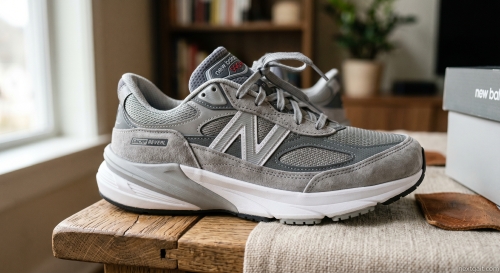
My New Balance 990v6 verdict: I can run in it—and my Sea Glass/Dusty Blue pair has 266 running miles—but I would buy it first for its stable, comfortable everyday feel and the way it handles easy road miles. FuelCell makes this 990 more forgiving than my old v5. The substantial upper and slower turnover keep it out of my speed rotation. My personal score is 7/10 for the running role: useful and enjoyable in the right session, with clear limits.
After 12 years of testing shoes, I do not confuse a shoe’s running heritage with the job I would give it today. On the Atlantic City and Ocean City coastal roads, the 990v6 has been steady under my 182 lb frame, and I have taken this pair as far as 14 miles. The moment I want quick cadence, or the boardwalk is slick with algae, I make a different choice. That is the purchase decision this review is built to answer.
New Balance 990v6: My Answer in 30 Seconds
| If you want… | What I would do |
|---|---|
| One premium shoe for walking, travel, and occasional easy runs | I would try the 990v6. Its fit and stable, cushioned platform make that mixed role appealing to me. |
| A primary shoe for a structured running week | I would start with a purpose-built daily trainer and keep the 990v6 for casual wear or selected easy miles. |
| Fast workouts or racing | I would skip the 990v6 and choose a lighter running shoe. |
| A true size decision | My men’s US 10.5 D fit true to my usual length, with room at the forefoot and a secure padded heel. |
| A long-term wear report | At 266 running miles I see rubber smoothing and deeper foam creases; the upper remains sound. |
What I liked in this pair
- Stable, cushioned platform for easy runs and walking
- Secure padded heel and accommodating forefoot in my US 10.5 D
- Upper remained structurally sound after 266 running miles
What I would check before buying
- Substantial feel limits fast-pace turnover
- Algae-covered wet boardwalk planks felt treacherous
- Outsole smoothing and midsole softening visible at 266 miles
If most of your miles are runs, compare my New Balance 1080v15 review or Brooks Ghost 18 review. If you want a shoe that also looks and feels at home off the run, the 990v6 makes more sense. I would not claim that its premium price buys faster running.
Jump to a section (15 sections)
How I Tested My 990v6—and What the Record Can Support
I used my Made in USA 990v6 in Sea Glass/Dusty Blue, men’s US 10.5 D. My internal wear record totals 266 running miles. The useful field conditions are easy and longer road runs, Atlantic City and Ocean City coastal corridors, asphalt, wooden boardwalk, cool damp pavement, and a run up to 14 miles. I also use the 990v6 as a walking shoe in my ordinary rotation. The older draft’s “about 300 miles in 14 weeks” mixes uses and is not the mileage figure I am using here.
On a misty stretch near Margate, I could settle into a steady rhythm on asphalt; the cushioned base and heel hold let me stop thinking about the shoe. The difficult moment came on algae-covered boardwalk planks after ocean mist. I shortened my stride because that surface felt treacherous. Those details matter more to me than a made-up grip score for every type of pavement.
I recorded the wear condition at 266 miles: the rubber is smoother at my main landing and push-off zones, the midsole has visible creases and feels softer than new, and the upper remains structurally sound. I do not have a complete, public session-by-session log to attach to this review, so I am not presenting exact pace splits, laboratory drop or stack measurements, or a guaranteed retirement mileage. This is my field judgment of one pair.
What Changed from the 990v5 to the 990v6?
I bought my first 990v5 in 2021 and remember its more traditional, planted feel. The biggest change I notice in the v6 is the FuelCell cushioning: the first step is softer, and the shoe rolls forward with less of the dense, old-school sensation I associated with my v5. ENCAP still gives the shoe a structured edge. New Balance also removed the familiar midfoot saddle and changed the suede overlays so they flow across the mesh upper. That design makes the v6 look cleaner and gives my midfoot a less boxed-in feel.
| On my foot | 990v5 | 990v6 |
|---|---|---|
| Step-in | Firmer and more traditional | Softer FuelCell first contact |
| Underfoot shape | A planted, structured platform | Still structured, with a smoother roll forward |
| Upper impression | More visibly framed through the midfoot | Suede overlays flow over mesh without the old saddle |
| My choice | Keep it if its firmness and fit are already right | Try it if the softer, less boxed-in feel solves a real complaint |
I would not replace a comfortable v5 for a version number alone. I would try the v6 if the v5 feels hard underfoot or restrictive around the middle of my foot. The v6 is a different-feeling 990, but it does not suddenly become a light performance trainer.
FuelCell and ENCAP: What I Actually Feel Underfoot
In the 990v6, FuelCell gives me a forgiving initial landing; ENCAP’s firmer structure keeps the platform from feeling loose when I walk or settle into an easy run. On hard coastal pavement, that combination takes the edge off repetition without making me feel disconnected from the ground. Under my 182 lb frame, I like the reassurance of that shape late in a relaxed outing.
The word “propulsive” appears in product descriptions, but my experience is more modest: the shoe rolls forward smoothly at easy effort, then feels heavy when I ask for a faster turnover. I would not compare this FuelCell setup with the far lighter feel I seek in my FuelCell Rebel v5. Same foam family does not mean the same running job.
For a regular walking day, I appreciate that the shoe does not feel flimsy. For a recovery run, I can enjoy the comfort. For pace changes, its substantial build is the trade-off I notice first. That division is more useful than calling it either a “running shoe” or a “lifestyle shoe” without explaining what happens when I move in it.
Can You Run in the New Balance 990v6? My 266-Mile Answer
Yes, I have run 266 miles in mine. I have used it for easy and longer road efforts, including an outing up to 14 miles. It held my heel securely, left useful room up front, and stayed composed when my stride became less tidy. I could finish that long run without feeling that I had to fight the platform.
That does not make it my best choice for every running week. The upper, suede overlays, and overall mass are noticeable once I push the pace. I would use the 990v6 for an unhurried run when I also value how it wears off the road. If the plan asks for repeated accelerations, tempo work, or race pace, I lace up a lighter trainer. If the plan is mostly running rather than mixed wear, I would buy a dedicated road shoe first.
| Session | Would I choose my 990v6? | Why |
|---|---|---|
| Walking and errands | Often | Secure, comfortable, and easy to keep on after the run. |
| Easy road run | Sometimes | Cushioning and platform work for me at conversational effort. |
| Long easy run | Possible after a fit test | I have taken it to 14 miles, though I still prefer a running-first shoe for a regular long-run cycle. |
| Tempo, intervals, race | No | The substantial feel works against the quick turnover I want. |
| Slick boardwalk or technical trail | No | Algae-covered planks felt unsafe; this is not a trail outsole. |
If you are deciding whether to buy the 990v6 as your sole running pair, compare it directly with a true daily trainer like the Saucony Ride 19. Run both at your normal easy pace; notice how much work your legs do to turn over after the first comfortable mile.
990v6 Fit and Sizing: My US 10.5 D
My usual men’s US 10.5 D fit true to length. The toe area gave me space to spread as my foot warmed, the padded rearfoot held without rubbing, and I did not need to overtighten the laces to stay centered. I like the flexible give around the midfoot more than I did in my old v5. That is my foot and my pair; the 990v6’s range of widths is a reason to try the width that matches your forefoot rather than sizing longer to escape pressure.
I would test it in the socks I expect to wear most. For someone planning to run in it, I would jog long enough to check heel slip and the little-toe side after warming up. If the standard width pinches, I would try a wider option before changing length. My wide-foot running shoe guide explains that distinction. If you use a custom insole, test it inside the actual shoe; the stock-insole fit does not prove an orthotic will sit the same way.
The pigskin suede and mesh give the 990 its familiar premium look. I like the secure feel, but I would not describe it as identical in ventilation to a thin-mesh running upper. If heat is your main fit concern, wear it on a warm day before committing. I do not have a controlled breathability test for this pair.
Grip on Road, Boardwalk, and Wet Surfaces
On ordinary asphalt and the dry boardwalk, I felt enough traction for my easy rhythm. Cool sea mist on a road shoulder near Margate was manageable. Algae-covered wooden planks were a different story: I shortened my stride and concentrated on foot placement. I do not translate a good asphalt run into a promise about wet timber, painted lines, metal covers, or polished indoor tile.
If I expect rain, I check the surface before I choose the shoe. I would not take the 990v6 on mud or loose rock and then blame it for being a road-and-everyday outsole. My rain-running guide describes the route decisions I make before a wet run.
What My 990v6 Looks Like After 266 Running Miles
The upper is the reassuring part of my wear inspection: its structure is still sound, and I have not seen a mesh blowout in my pair. The outsole tells a more nuanced story. I see rubber smoothing where I land and push off, while the midsole has developed deeper creases and a softer feel. None of those observations alone gives me an exact future lifespan.
I would keep wearing this pair while the platform feels even, the heel stays secure, and the outsole grips my routes. I would reassess if one side starts collapsing, a new hot spot appears, or the same familiar pavement begins to feel harsh. This is how I use my shoe replacement checklist. I will not claim that every 990v6 lasts 500-plus miles based on one pair at 266.
Is the 990v6 Worth Its Premium Price for Daily Wear?
I understand the appeal. The Made in USA construction, pigskin suede, mesh, reflective accents, and substantial feel make it a shoe I am happy to keep on after a run. In my rotation, it earns more of its value from mixed days—walking, travel, errands, and an occasional easy run—than from pure running performance. That is where the premium makes sense to me.
I would not pay extra expecting that American assembly makes me faster, fixes foot pain, or guarantees a certain number of miles. New Balance’s Made in USA label refers to at least 70% domestic value, not every component being US-made. I would compare the current price and return terms with how often I would actually wear it. If I only need a running shoe, the same money may be better spent on a model built around training.
My old 990v5 was a frequent daily shoe, which is why I was interested in this update. The v6’s softer step-in makes that everyday role more pleasant on my foot. I still see it as a premium choice rather than a required purchase.
The Alternatives I Would Try Beside the 990v6
| If my main goal is… | I would compare… | My decision point |
|---|---|---|
| Daily road running | New Balance 1080v15 | A running-first upper and ride versus the 990’s everyday versatility. |
| A dependable training shoe | Brooks Ghost 18 | The Ghost is easier for me to treat as a regular runner; the 990 is the one I also want to wear off the run. |
| Lighter, lively sessions | New Balance Rebel v5 | I want quicker turnover rather than the 990’s stable, substantial feel. |
| Maximum soft walking feel | HOKA Bondi 9 | I compare fit, rocker and cushioning on the same walk; neither label decides for my foot. |
| Wide fit choices | My wide-foot guide | The width that fits after warming up matters more than a model’s reputation. |
I would put two finalists on in the same socks and walk first, then jog if running is part of the plan. The 990v6 wins for me only when the combined everyday and easy-run use is actually what I need.
How I Use the 990v6 in My Shoe Rotation
I treat the 990v6 as the bridge between my walking shoes and my running trainers. It is easy to choose for a day when I will be on my feet, might fit in a relaxed road run, and do not want to change shoes immediately afterward. On the coastal boardwalk I prefer it when the surface is dry and the pace stays easy.
I keep a running-first daily trainer for ordinary training mileage and a lighter pair for workouts. That keeps my assessment of the 990 honest: it can run, and I have genuinely run in it, but its strongest reason to own it is how well it fits a mixed day. I do not assume that a rotation prevents injury; it simply lets me match each shoe to the session.
Who Should Buy the New Balance 990v6?
- I would shortlist it if I want one premium pair for walking and occasional easy road running.
- I would try it if the older 990v5 feels too firm or boxed-in through the midfoot.
- I would consider it if I value a secure padded heel, an accommodating forefoot, and a structured, cushioned platform.
- I would buy it for the Made in USA materials and everyday wear only if the fit stays comfortable after a real walk or jog.
My purchase test is simple: choose the correct length and width, then spend enough time on your feet to see whether the substantial feel remains pleasant. The Amazon listing may open on a different color or size from my Sea Glass pair, so check the selected variant, seller, and return policy.
Who Should Skip the New Balance 990v6?
- I would skip it as my only shoe if I am training seriously for speed or racing.
- I would choose a running-first upper if I need the lightest, airiest feel in hot sessions.
- I would avoid it for routes with slick algae-covered boards, mud, or technical trail.
- I would not buy it for a promise of plantar-fascia relief or any other medical outcome.
- I would keep a comfortable 990v5 if its firmer feel already suits me and I do not need the v6’s update.
A foot condition or an orthotic prescription is not a model recommendation by itself. If you run with insoles, my orthotics fit guide explains the shoe checks I use before a long outing.
My Final Verdict: A Running-Capable Everyday 990
The 990v6 is a shoe I respect more when I give it the right job. In my Sea Glass/Dusty Blue pair, 266 running miles have shown me secure fit, useful easy-run cushioning, and an upper that has remained intact. They have also shown slower turnover at pace, outsole smoothing, and softer, creased foam. My 7/10 score reflects its place in my running rotation; I am happier with it as an everyday shoe that can handle an easy run than as the one pair for a whole training block.
If I were buying today, I would choose it when walking comfort, fit options, materials, and occasional easy miles are all part of the brief. If I were buying primarily for running performance, I would try the 1080v15, Ghost 18, or another dedicated trainer first. That distinction is the reason the 990v6 can be worth the money for one person and the wrong purchase for another.
New Balance 990v6 FAQs
Can you run in the New Balance 990v6?
Yes. I have 266 running miles in my pair, including easy and longer road efforts up to 14 miles. I prefer a lighter, running-first shoe for tempo, intervals, and race pace.
Is the 990v6 a lifestyle shoe or a running shoe?
New Balance sells the current 990v6 as a Made in USA lifestyle model with running heritage. I use it as an everyday shoe that can handle easy running; I would not make it my first choice for a structured speed-focused training week.
Does the 990v6 run true to size?
My men’s US 10.5 D fit true to my normal length, with an accommodating forefoot and secure padded heel. Try the width you need rather than adding length to solve forefoot pressure.
What changed from 990v5 to 990v6?
The biggest difference I feel is the softer FuelCell landing, while ENCAP keeps the ride structured. The v6 also removes the old midfoot saddle and uses flowing suede overlays on mesh.
How has the 990v6 held up after 266 miles?
My upper remains sound. I see smoother rubber at the landing and push-off zones, deeper midsole creases, and a softer feel. I cannot infer a universal retirement mileage from that one pair.
Is the 990v6 good for wide feet?
My standard D pair gave my forefoot usable room, and New Balance offers multiple width options. The correct width still needs a real fit check after your foot warms up.
Is the 990v6 worth it for walking?
It is easiest for me to justify when I will wear it for walking, daily life, and occasional easy runs. If I only need a running shoe, I would compare a dedicated trainer before paying for the 990’s premium build.

Written by Ken — the recreational distance runner behind NextGait. I have been running for 12 years and have raced from 5Ks to a 50K. More about me →