
The Saucony Endorphin Speed 5 is the best running shoe for speedwork for most runners in 2026. It combines a responsive PWRRUN PB midsole, a semi-rigid nylon plate, stable geometry, and enough cushioning to cover intervals, tempo runs, and longer sessions. ASICS Superblast 3 is better for long speedwork, while HOKA Mach 7 is my top unplated choice.
Speedwork is not one workout. A shoe that feels brilliant during 200-meter repetitions can feel exposed during a 40-minute tempo run, and a tall super trainer can feel clumsy on a tight track bend. I ranked each shoe for a specific assignment instead of treating light weight or a plate as a universal shortcut.
This ranking draws on 1,880 reconciled running miles across the ten current models. I separated verified running mileage from generated or contradictory archive fields, checked current constructions against manufacturer pages, and labeled developing tests. I do not use a one-run demo, a copied lab number, or an old model’s reputation as proof about a new shoe.
Quick Picks: Best Running Shoes for Speedwork
Start with the workout, then let fit veto the ranking. Speed 5 is the broadest answer. Pick Superblast for long quality sessions, Mach 7 for unplated turnover, Rebel v5 for fartlek, Hyperion Max 3 for cushioned intervals, PUMA for grip, Boston for a firm durable ride, Magic Speed for carbon stiffness, Zoom Fly for marathon pace, and Takumi Sen for short reps.
| Shoe | Best for | Start here if |
|---|---|---|
| Saucony Endorphin Speed 5 | Best overall | runners who want one workout shoe for intervals, threshold runs, and long blocks at pace |
| ASICS Superblast 3 | Best for long speedwork | long tempo runs, marathon-pace blocks, progression runs, and workouts with substantial warmup and cooldown mileage |
| HOKA Mach 7 | Best unplated speedwork shoe | runners who want low mass, natural forefoot flex, and a stable platform for shorter workouts |
| New Balance FuelCell Rebel v5 | Best for fartlek and strides | unstructured pace changes, strides, short hills, and runners who value flexibility over a rigid rocker |
| Brooks Hyperion Max 3 | Best cushioned speedwork shoe | long intervals and threshold sessions when the runner wants a guided rocker and substantial cushioning |
| PUMA Deviate NITRO 4 | Best grip | wet-road workouts, rolling routes, and runners who want a controlled carbon-composite training platform |
| adidas Adizero Boston 13 | Best durable tempo trainer | runners who prefer a firmer, stable speedwork platform and need it to absorb substantial training mileage |
| ASICS Magic Speed 4 | Best carbon-plated workout shoe | runners who want a firm carbon plate for tempo work without spending all training miles in a delicate racer |
| Nike Zoom Fly 6 | Best for marathon-pace workouts | long steady work, marathon-pace blocks, and Nike runners who want a durable carbon training shoe |
| adidas Adizero Takumi Sen 11 | Best for short intervals | 200-to-1,000-meter repetitions, track sessions, and runners who want a low-mass 5K/10K-style tool |
10 Best Running Shoes for Speedwork: In-Depth Reviews
1. Saucony Endorphin Speed 5 – Best overall
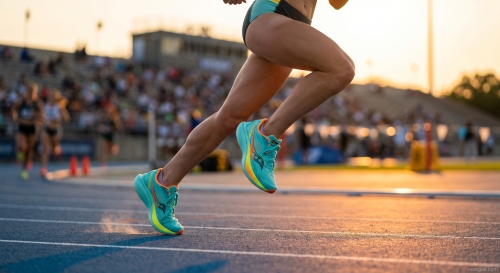
Best for: runners who want one workout shoe for intervals, threshold runs, and long blocks at pace
Reference weight: 8.3 oz / 237 g (men’s reference)
Drop: 8 mm
Plate or rods: Semi-rigid nylon plate
Ken’s reconciled mileage: 230 miles
Fit: True to size for me, with a secure performance midfoot and a wide version for runners who need more room.
Speedwork decision card: Pace behavior: Best from controlled threshold pace through 5K-style repetitions
Surface match: Road, track apron, and gently rolling routes
Fit or ride failure: Rocker feels awkward at a shuffle for some runners
Relative stability: Medium-high
Endorphin Speed 5 is the best speedwork shoe for most runners because it covers the widest useful range without becoming a race-only tool. PWRRUN PB foam supplies the rebound, the winged nylon plate organizes the platform, and SPEEDROLL geometry moves the shoe forward without the abrupt lever of many carbon racers. That combination works for short intervals, cruise intervals, tempo runs, and long sessions that mix easy and fast running.
I have 230 reconciled running miles in this version. The lasting impression is control, not fireworks. The shoe settles into threshold rhythm, changes gears without folding at the forefoot, and still gives enough protection when the workout extends beyond the glamorous reps. It is less convincing on a genuinely easy recovery run, where the rocker can feel impatient and more mechanical than a flexible daily trainer.
The nylon plate is the practical advantage. It adds directional stiffness but allows more adaptation than a rigid carbon setup. That matters during fartlek recoveries, warmups, and cooldowns, when pace and foot placement are not identical from stride to stride. The broad heel and winged plate also make Speed 5 easier to control than many tall workout shoes when fatigue reduces precision.
Fit remains the veto. The standard upper is performance-oriented rather than roomy, and the rocker has to line up with the ball of the foot. I would not add length to solve width because that can move the flex and rocker forward while loosening the heel. Try the wide model if the fifth toe or forefoot edge feels crowded after the foot warms.
Choose Speed 5 if one pair must handle Tuesday intervals, Friday threshold work, and the occasional race. Skip it if you dislike rockers, want obvious ground feel, or prefer to strengthen foot motion in an unplated shoe. It wins on assignment coverage, not because every runner should train in a plate.
Related field notes: my complete Endorphin Speed 5 review.
What I like
- Broadest workout range in the ranking
- Nylon plate feels less rigid than most carbon systems
- PWRRUN PB stays protective during longer quality sessions
- Wide version improves fit access
What I do not like
- Rocker can feel awkward at easy pace
- Not as light as a short-interval specialist
- Performance upper still needs a warm-foot fit test
Ken’s ranking rule: Speed 5 stays first only if its rocker feels natural during both the fast rep and the float recovery. If it tugs at the calf or feels unstable while slowing down, choose Mach 7 or Boston 13.
2. ASICS Superblast 3 – Best for long speedwork
Best for: long tempo runs, marathon-pace blocks, progression runs, and workouts with substantial warmup and cooldown mileage
Reference weight: 8.4 oz / 239 g (manufacturer reference)
Drop: 8 mm
Plate or rods: None
Ken’s reconciled mileage: 75 miles
Fit: True to size for me with a generous front, secure midfoot, and more overall volume than most plated trainers.
Speedwork decision card: Pace behavior: Best at steady-to-threshold pace and long progressions
Surface match: Straight roads and long uninterrupted paths
Fit or ride failure: Tall geometry is less precise on tight track bends
Relative stability: High for a neutral super trainer
Superblast 3 is the long-workout specialist. ASICS combines FF LEAP with a trampoline-style forefoot pod and a tall, broad platform, yet leaves out a plate. The result is a shoe that can support sustained faster running without dictating one exact stride. I reach for this category when a workout includes several miles at pace inside a much longer run.
My current log is 75 reconciled miles, so this is a developing verdict rather than a mature durability claim. Within that window, the shoe has been most persuasive during progression work and longer controlled efforts. The cushioning keeps the last portion from feeling stripped down, while the broad base prevents the soft, narrow sensation that can make a super trainer demanding under tired form.
It is not the best tool for every repetition. The height and broad footprint take more effort to place on tight track curves, quick turnarounds, or uneven shoulders. Short accelerations feel energetic, but Mach 7, Rebel v5, and Takumi Sen 11 give a clearer sense of where the forefoot is landing. Superblast earns its rank through endurance, not surgical precision.
The unplated construction also makes it useful for runners who want modern foam without making every quality day a stiff-shoe day. The forefoot still has structure from geometry and material, so unplated does not mean flexible or traditional. Calf, Achilles, and arch response should still be checked during a gradual introduction.
Choose Superblast 3 when your key sessions are long tempo runs, marathon-pace work, or progression long runs. Skip it if your speedwork happens mainly on a 400-meter track, you prefer low stack, or your budget needs one shoe to cover easy days comfortably. At recovery pace, this much shoe can feel unnecessary.
Related field notes: my developing Superblast 3 review.
What I like
- Excellent protection for long workouts
- No plate despite a propulsive ride
- Broad platform is composed under fatigue
- Roomier fit than many performance shoes
What I do not like
- Tall and less precise on tight curves
- Developing 75-mile test window
- More shoe than short repetitions require
Ken’s ranking rule: Superblast wins when the workout is long enough that protection matters more than razor-sharp turnover. For tight 200s or frequent corners, its height moves it down the list.
3. HOKA Mach 7 – Best unplated speedwork shoe
Best for: runners who want low mass, natural forefoot flex, and a stable platform for shorter workouts
Reference weight: 7.5 oz / 212 g (independent men’s US 9 test)
Drop: 5 mm advertised
Plate or rods: None
Ken’s reconciled mileage: 120 miles
Fit: My usual size works for shorter sessions; the fit is snug through the arch and available in wide sizing.
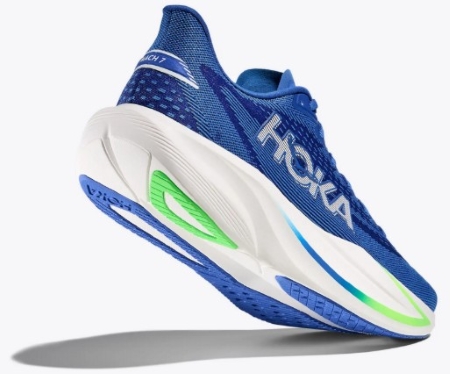
Speedwork decision card: Pace behavior: Best for strides, fartlek, hills, and intervals up to moderate duration
Surface match: Road, track, and smooth paths
Fit or ride failure: Cushioning is less protective as force and duration rise
Relative stability: High for a lightweight neutral shoe
Mach 7 is the cleanest answer for runners who do not want a plate between the foot and the workout. It is light, relatively firm at the forefoot, and more stable than its weight suggests. Instead of rolling the runner through a rigid lever, it lets cadence and ankle motion create the change in pace. That makes it especially useful for strides, hill repetitions, fartlek, and conventional interval sessions.
I have 120 reconciled miles in the shoe. It feels most honest when the session is short enough that the moderate stack remains protective. Warmups are easy, pickups do not require a special landing, and the shoe settles quickly after each rep. On longer hard efforts, the platform offers less reserve than Superblast 3, Hyperion Max 3, or Zoom Fly 6.
Independent testing measured a very low weight for a daily trainer and confirmed no plate, while also finding a firmer, livelier forefoot than heel. That matches the practical use: midfoot and forefoot loaders get the clearest response. A heavy rearfoot landing can feel less energetic and may expose the softer heel during faster cornering.
The fit needs more care than the broad HOKA silhouette implies. The arch is snug, the toe shape tapers, and long-run swelling can turn an acceptable standing fit into contact. Wide sizes help some runners, but they do not change every part of the last. I would test it after ten minutes of running, then do several turns and a brief acceleration.
Choose Mach 7 if you want a lightweight, unplated shoe that still behaves like a trainer. Skip it for long threshold blocks if you routinely overpower moderate cushioning, or if your foot needs a generous arch and toe shape. It is the shoe here that asks the runner to produce the speed rather than amplifying it with hardware.
Related field notes: my full HOKA Mach 7 review.
What I like
- Exceptionally light for a training shoe
- Unplated forefoot feels natural
- Stable and precise during direction changes
- Wide option is available
What I do not like
- Snug arch and tapered toe need careful fitting
- Less protective during long hard sessions
- Heel feels less lively than the forefoot
Ken’s ranking rule: Mach 7 wins the unplated slot when its snug arch disappears at speed. Persistent arch pressure or toe contact is a fit failure, not a break-in project.
4. New Balance FuelCell Rebel v5 – Best for fartlek and strides
Best for: unstructured pace changes, strides, short hills, and runners who value flexibility over a rigid rocker
Reference weight: 7.9 oz / 223 g (men’s reference)
Drop: 6 mm
Plate or rods: None
Ken’s reconciled mileage: 60 miles
Fit: True to size for me, with more forefoot room than earlier Rebels and standard plus wide options in the line.
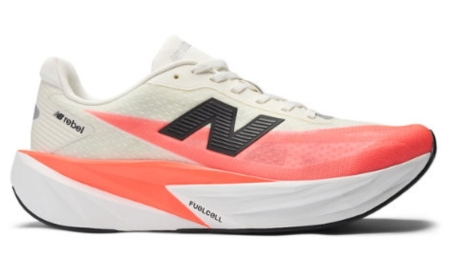
Speedwork decision card: Pace behavior: Best from strides through controlled tempo, especially with frequent pace changes
Surface match: Dry road, treadmill, and smooth paths
Fit or ride failure: Soft flexible ride is less controlled in wet turns
Relative stability: Medium
Rebel v5 is the most playful shoe in the ranking. Its PEBA/EVA FuelCell blend is soft enough for warmup miles, light enough for quick turnover, and flexible enough to move between gears without the pause that a stiff rocker can create. That is why it is my first choice for fartlek sessions and strides, where the exact pace and duration change repeatedly.
My current test has 60 reconciled miles, so I treat durability as unresolved. The early ride is clear: more foam and a wider geometry make v5 easier to control than a narrow minimalist flat, while the listed 7.9-ounce weight keeps it from feeling like a daily trainer wearing speed-day clothes. It is fun at pace without punishing the jog recoveries.
That softness is also the tradeoff. When I load one edge on a wet or tight turn, Rebel asks for more foot control than Mach 7 or Boston 13. The outsole has more forefoot rubber than its predecessor, but this is not my wet-surface winner. PUMA Deviate NITRO 4 remains the safer starting point when grip is central to the workout.
The upper is light and accommodating enough for ordinary swelling, but soft shoes still need a stable fit. Check whether the heel stays seated when the forefoot compresses and whether the foot slides across the insole during a U-turn. A loose Rebel feels exciting in a straight line and untidy as soon as the route changes. If an insert is the next step rather than a different shoe, compare my tested best insoles for running.
Choose Rebel v5 for fartlek, strides, short tempo sessions, and runners who want speedwork to feel less mechanical. Skip it if you need a stiff lever, firm platform, maximum wet grip, or mature long-term evidence from my test. It is a flexible fast trainer, not a replacement for every plated shoe.
Related field notes: my 60-mile Rebel v5 review.
What I like
- Smoothest gear changes in the top 10
- Light and flexible without feeling minimal
- PEBA/EVA blend works at warmup and workout pace
- More accommodating than many speed shoes
What I do not like
- Soft platform needs more control on turns
- Not my first choice on wet surfaces
- Only 60 reconciled test miles so far
Ken’s ranking rule: Rebel ranks on freedom: it should disappear when pace changes. If the soft platform makes the foot search sideways, choose Mach 7 or Boston 13.
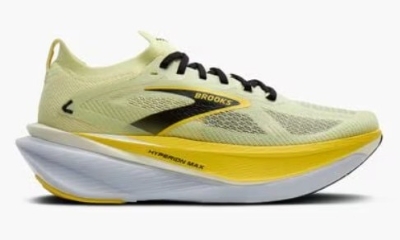
5. Brooks Hyperion Max 3 – Best cushioned speedwork shoe
Best for: long intervals and threshold sessions when the runner wants a guided rocker and substantial cushioning
Reference weight: 9.9 oz / 281 g (men’s reference)
Drop: 6 mm
Plate or rods: Nylon SpeedVault plate
Ken’s reconciled mileage: 270 miles
Fit: True to size for me with secure lockdown; the structured upper feels more trainer-like than race-like.
Speedwork decision card: Pace behavior: Best for mile repeats, threshold blocks, and long workouts
Surface match: Road and long straight paths
Fit or ride failure: Heavier than most speedwork options
Relative stability: High
Hyperion Max 3 is the protection-first workout shoe. Brooks layers PEBA-based DNA GOLD over DNA FLASH v2, adds a nylon SpeedVault plate, and curves the package with a RapidRoll rocker. The result is not especially light, but it is organized. During long intervals, the shoe keeps the transition consistent when a lower, thinner option can start to feel demanding.
I have 270 reconciled running miles in this model, which gives it one of the more mature test windows here. The ride has remained best at sustained faster effort rather than all-out repetition pace. It can handle short work, but the 9.9-ounce listed weight becomes obvious beside Mach 7, Rebel v5, or Takumi Sen 11.
The nylon plate and two-foam stack produce a guided roll rather than a hard snap. That suits runners who like to lock into rhythm and keep the same mechanics through the final rep. It is less attractive for athletes who want the ankle and forefoot to flex freely, or who use short hills to build stiffness without relying on shoe geometry.
Brooks calls the platform max support, but this is not the same as a traditional stability shoe or a medical prescription. I read it as substantial structure and assisted transition. The upper, broad contact, and plate make the shoe feel centered, yet any runner who notices sidewall pressure or a forced path should reject that guidance.
Choose Hyperion Max 3 when your speedwork is really endurance at speed: long intervals, threshold blocks, and fast-finish long runs. Skip it if the session is dominated by 200s, you want minimum mass, or you dislike pronounced rockers. Its value is preserving rhythm through volume, not making the first rep feel spectacular.
Related field notes: my broader cushioned running shoe guide.
What I like
- Most protective option for long intervals
- Mature 270-mile test window
- Nylon plate and rocker create repeatable transitions
- Secure trainer-like upper
What I do not like
- Heavy beside short-interval specialists
- Rocker is less natural at slow pace
- Too structured for runners who want flexible foot motion
Ken’s ranking rule: Hyperion Max belongs in the top five only when the workout is long enough to justify its mass. For short, sharp reps, lighter shoes move ahead.
6. PUMA Deviate NITRO 4 – Best grip
Best for: wet-road workouts, rolling routes, and runners who want a controlled carbon-composite training platform
Reference weight: about 8.8 oz / 250 g (manufacturer reference)
Drop: 8 mm
Plate or rods: Carbon-composite PWRPLATE
Ken’s reconciled mileage: 314 miles
Fit: True to size for me with a secure standard-width hold; broad or high-volume feet should test the forefoot carefully.
Speedwork decision card: Pace behavior: Best for tempo, rolling intervals, and wet-road sessions
Surface match: Wet or dry road and mixed urban surfaces
Fit or ride failure: Performance fit is not the roomiest
Relative stability: High
Deviate NITRO 4 is the shoe I trust when the weather makes traction part of pacing. PUMAGRIP gives the outsole a clear advantage on ordinary wet roads, while the NITROFOAM stack and carbon-composite PWRPLATE provide enough structure for tempo and interval work. The shoe feels controlled rather than aggressively tipped forward.
My reconciled log is 314 miles, the most mature test in this group. That matters because a workout shoe has to survive repeated loading, not just feel fast out of the box. The platform remains most useful at steady-to-fast paces, where forefoot loading brings the foam and plate together. At a shuffle, it feels more deliberate than a normal daily trainer.
PUMA’s current product page confirms an 8 mm drop and carbon-composite PWRPLATE. I use the official construction because some third-party classifications describe the internal stiffener differently. For the runner, the practical fact is simpler: the forefoot resists bending and the shoe rewards purposeful loading, but it is less rigid than many pure racing setups.
The moderate stack and firm center make it stable for a plated trainer. That control helps on rolling routes, wet corners, and later reps when landing precision fades. The fit is more performance-oriented than accommodating, so do not let good lockdown become lateral forefoot pressure after thirty minutes.
Choose Deviate NITRO 4 for wet-road reliability, tempo sessions, and runners who want a durable plated trainer. Skip it if you need a broad toe box, dislike forefoot stiffness, or want the lightest possible track shoe. It ranks sixth because the use case is strong, while Speed 5 and Superblast cover more workout types.
Related field notes: my running-in-the-rain surface guide.
What I like
- Best outsole confidence in the ranking
- Mature 314-mile test window
- Stable for a plated workout shoe
- Works across tempo, intervals, and rolling roads
What I do not like
- Standard fit can feel narrow after swelling
- Not especially light
- Forefoot stiffness is unnecessary for easy running
Ken’s ranking rule: PUMA wins close decisions when rain or painted pavement changes the workout. Grip cannot rescue a narrow fit, so forefoot pressure still vetoes the shoe.
7. adidas Adizero Boston 13 – Best durable tempo trainer
Best for: runners who prefer a firmer, stable speedwork platform and need it to absorb substantial training mileage
Reference weight: 8.9 oz / 252 g (independent men’s US 9 test)
Drop: 6 mm advertised
Plate or rods: ENERGYRODS
Ken’s reconciled mileage: 220 miles
Fit: Close to true to size for me; the arch and forefoot volume deserve a warm-foot test, and no wide version is listed.
Speedwork decision card: Pace behavior: Best for steady tempo, cruise intervals, and faster long runs
Surface match: Road, firm paths, and rolling courses
Fit or ride failure: Firm heel and narrow arch are polarizing
Relative stability: High
Boston 13 is the firm, durable alternative to the soft super-trainer trend. adidas places more Lightstrike Pro above a Lightstrike carrier, then uses ENERGYRODS to add longitudinal structure. The forefoot responds when pace rises, while the firmer base keeps the shoe from leaning or collapsing under a forceful runner.
I have 220 reconciled miles in this version. Its best assignment is sustained tempo or longer cruise intervals, where the platform can repeat the same transition. The shoe feels less inviting during slow warmups than Rebel v5 or Mach 7, and the heel does not provide the deep protection of Superblast or Hyperion Max.
Official adidas material positions Boston 13 for fast workouts and tempo running. Independent testing measured it around 8.9 ounces in a men’s US 9 and found strong forefoot response with a more restrained heel. That split explains why powerful midfoot and forefoot runners often get more from it than runners who land hard at the rear.
The stable platform also makes Boston useful for larger runners who find very soft shoes vague. Body weight alone does not select a shoe, though. The decisive test is whether the foam returns to shape, the foot remains centered, and the heel still feels acceptable in the final third of the planned workout.
Choose Boston 13 if you prefer a structured ride, want a durable tempo shoe, or overpower soft foam. Skip it if you need a wide option, a plush heel, or a forgiving shoe for mixed easy and fast mileage. It rewards committed pace more than casual transitions.
Related field notes: my shoe guide for repetitive hard-surface running.
What I like
- Firm platform stays controlled under force
- Excellent sustained-tempo character
- ENERGYRODS add structure without a full plate
- Mature 220-mile test window
What I do not like
- Heel feels firmer than modern super trainers
- Arch and forefoot volume can be restrictive
- Less pleasant during easy warmups
Ken’s ranking rule: Boston rises for runners who compress soft superfoams too easily. It falls immediately if the firm heel feels harsh or the narrow arch creates pressure.
8. ASICS Magic Speed 4 – Best carbon-plated workout shoe
Best for: runners who want a firm carbon plate for tempo work without spending all training miles in a delicate racer
Reference weight: 8.6 oz / 242 g (men’s reference)
Drop: 8 mm
Plate or rods: Full-length carbon plate
Ken’s reconciled mileage: 223 miles
Fit: True to size for me with a performance-shaped upper; the relatively narrow platform needs a careful cornering test.
Speedwork decision card: Pace behavior: Best for tempo blocks and long repetitions at a consistent pace
Surface match: Straight road and track lanes with predictable turns
Fit or ride failure: Narrow high platform is less forgiving off-center
Relative stability: Low-medium
Magic Speed 4 is the most race-like training tool in this list. A full-length carbon plate, FF BLAST PLUS base, and FF TURBO forefoot insert create a firm, guided transition. It does not deliver the soft bounce of top racing shoes, which is exactly why it makes more sense here as a workout trainer than as the default race-day recommendation.
My reconciled log is 223 miles. The shoe is best when the workout has a repeatable rhythm: tempo blocks, kilometer or mile repetitions, and sustained race-pace work. It is less cooperative during loose fartlek and slow recoveries because the plate and rocker keep asking for the same forward path.
ASICS lists an 8 mm drop and 8.6-ounce men’s reference weight. The tall stack protects better than a traditional racing flat, yet the platform is not especially wide. That combination can feel efficient in a straight line and demanding when the foot lands beside center, especially late in a workout or on a cambered road.
Carbon is not automatically superior for training. A stiff shoe can reduce forefoot bending and alter how the ankle, calf, knee, and hip share work. The response is individual. I introduce Magic Speed with shorter controlled sessions before using it for a long threshold workout, and I keep an unplated shoe elsewhere in the rotation.
Choose Magic Speed 4 when you specifically want a carbon-plated trainer for consistent faster running. Skip it if you need broad stable geometry, frequent pace changes, or a soft heel. Also note that ASICS has released a successor; this ranking reflects my mature experience with version 4, not borrowed claims about version 5.
Related field notes: my carbon-plated running shoe ranking.
What I like
- Clear carbon-plated training role
- Protective enough for long repetitions
- Mature 223-mile test window
- Firm rocker rewards repeatable rhythm
What I do not like
- Narrower high platform is less stable off-center
- Not very lively through the heel
- Successor exists and requires separate testing
Ken’s ranking rule: Magic Speed earns its place only when the runner wants carbon stiffness in training. If the plate feels like work instead of assistance, Speed 5 is the better answer.
9. Nike Zoom Fly 6 – Best for marathon-pace workouts
Best for: long steady work, marathon-pace blocks, and Nike runners who want a durable carbon training shoe
Reference weight: 9.3 oz / 265 g (men’s US 10)
Drop: 8 mm
Plate or rods: Full-length carbon Flyplate
Ken’s reconciled mileage: 98 miles
Fit: True to size for me with a standard Nike performance fit; check midfoot pressure and heel hold after warming up.
Speedwork decision card: Pace behavior: Best at steady and marathon pace rather than all-out repetition speed
Surface match: Straight roads and long loops
Fit or ride failure: Weight and stiff roll are excessive for short reps
Relative stability: Medium-high
Zoom Fly 6 is the steady-speed specialist. Nike combines ZoomX foam with a full-length carbon Flyplate in a training build that is heavier and more structured than Vaporfly. The ride makes the most sense when pace is sustained long enough for the rocker and plate to repeat, particularly marathon-pace blocks and long tempo work.
I have 98 reconciled miles in the model, so the ride verdict is developing. It feels smoother and more protective than a short-distance racing flat, but less agile than Speed 5 or Mach 7 when a workout changes speed every minute. The extra mass is not a problem at controlled pace; it becomes more obvious during quick 200s and tight turnarounds.
Nike lists 9.3 ounces in a men’s US 10, an 8 mm drop, ZoomX, and a full-length carbon Flyplate. Those specifications settle an important point: Zoom Fly 6 is carbon-plated. Any source describing this version as unplated should not guide a purchase or training decision.
The plate produces a long forward roll rather than a quick flexible toe-off. Heel and midfoot runners may find that transition easier to access than the forefoot-focused Magic Speed. The tradeoff is that the shoe can feel overbuilt during warmups, cooldowns, and sessions where relaxed mechanics matter as much as speed. For how rocker location, curvature, and stiffness change transition, read my running shoe rocker-geometry guide.
Choose Zoom Fly 6 for marathon-specific training, long steady workouts, or a Nike rotation that reserves the lighter racer for race day. Skip it for short track sessions, broad feet that dislike Nike’s standard performance fit, or runners who want one flexible shoe for all paces.
Related field notes: my beginner marathon training plan.
What I like
- Excellent steady-speed transition
- Carbon plate is housed in a durable training build
- Protective for marathon-pace blocks
- Clear separation from a pure racer
What I do not like
- Heavy for short intervals
- Stiff ride feels unnecessary at easy pace
- Developing 98-mile test window
Ken’s ranking rule: Zoom Fly belongs in marathon-pace work, not every interval. It moves down when short reps make its weight more obvious than its smooth transition.
10. adidas Adizero Takumi Sen 11 – Best for short intervals
Best for: 200-to-1,000-meter repetitions, track sessions, and runners who want a low-mass 5K/10K-style tool
Reference weight: 6.4 oz / 182 g (independent men’s US 9 test)
Drop: 7 mm
Plate or rods: ENERGYRODS 2.0
Ken’s reconciled mileage: 270 miles
Fit: Performance snug with no wide option; the narrow rear and low-volume upper require exact sizing.
Speedwork decision card: Pace behavior: Best for short intervals, track work, and 5K/10K pace
Surface match: Track and flat dry road
Fit or ride failure: Narrow rear and limited cushioning punish sloppy placement
Relative stability: Low-medium
Takumi Sen 11 is the sharpest specialist here. Its low mass, moderate stack, Lightstrike Pro midsole, and ENERGYRODS 2.0 give short repetitions a direct, fast transition without the towering feel of a marathon supershoe. For 200s, 400s, 800s, and controlled 1,000-meter reps, it makes foot placement and cadence easy to read.
I have 270 reconciled miles in the shoe, giving this verdict a mature test window. The reason it ranks tenth is not quality; it is scope. Takumi Sen asks for precise landings and purposeful pace. It offers less comfort during long warmups, extended threshold work, and tired cooldown miles than the generalists above it.
Independent testing measured about 6.4 ounces in a men’s US 9 and a drop close to the advertised 7 mm. The rear platform is narrow and the upper is spare. Those characteristics help reduce mass, but they also make off-center heel landings and tight fit mistakes more obvious than in Speed 5 or Boston 13.
The rods add stiffness while preserving more independent toe behavior than a single solid plate. Even so, this is not a flexible trainer. Runners moving from ordinary daily shoes should use short sessions first and watch calf, arch, and forefoot response rather than debuting it in their largest interval set.
Choose Takumi Sen 11 if your priority is short fast work and you already know that a snug, narrow performance shoe suits you. Skip it if you need a wide fit, high slow-pace stability, or one pair for long mixed-pace workouts. It is a precision instrument, not the default recommendation.
Related field notes: my lightweight running shoe ranking.
What I like
- Lowest mass in the ranking
- Excellent precision for short reps
- Mature 270-mile test window
- ENERGYRODS suit quick turnover
What I do not like
- Narrow performance fit
- Limited protection for long mixed sessions
- Less forgiving of off-center landings
Ken’s ranking rule: Takumi Sen wins only when low mass and precision matter more than protection. If the workout includes long easy mileage, move back toward Speed 5 or Superblast 3.
Speedwork Shoe Comparison
| Shoe | Reference weight | Drop | Stiffener | Best pace use | Relative stability | Ken miles |
|---|---|---|---|---|---|---|
| Saucony Endorphin Speed 5 | 8.3 oz / 237 g (men’s reference) | 8 mm | Semi-rigid nylon plate | Best from controlled threshold pace through 5K-style repetitions | Medium-high | 230 |
| ASICS Superblast 3 | 8.4 oz / 239 g (manufacturer reference) | 8 mm | None | Best at steady-to-threshold pace and long progressions | High for a neutral super trainer | 75 |
| HOKA Mach 7 | 7.5 oz / 212 g (independent men’s US 9 test) | 5 mm advertised | None | Best for strides, fartlek, hills, and intervals up to moderate duration | High for a lightweight neutral shoe | 120 |
| New Balance FuelCell Rebel v5 | 7.9 oz / 223 g (men’s reference) | 6 mm | None | Best from strides through controlled tempo, especially with frequent pace changes | Medium | 60 |
| Brooks Hyperion Max 3 | 9.9 oz / 281 g (men’s reference) | 6 mm | Nylon SpeedVault plate | Best for mile repeats, threshold blocks, and long workouts | High | 270 |
| PUMA Deviate NITRO 4 | about 8.8 oz / 250 g (manufacturer reference) | 8 mm | Carbon-composite PWRPLATE | Best for tempo, rolling intervals, and wet-road sessions | High | 314 |
| adidas Adizero Boston 13 | 8.9 oz / 252 g (independent men’s US 9 test) | 6 mm advertised | ENERGYRODS | Best for steady tempo, cruise intervals, and faster long runs | High | 220 |
| ASICS Magic Speed 4 | 8.6 oz / 242 g (men’s reference) | 8 mm | Full-length carbon plate | Best for tempo blocks and long repetitions at a consistent pace | Low-medium | 223 |
| Nike Zoom Fly 6 | 9.3 oz / 265 g (men’s US 10) | 8 mm | Full-length carbon Flyplate | Best at steady and marathon pace rather than all-out repetition speed | Medium-high | 98 |
| adidas Adizero Takumi Sen 11 | 6.4 oz / 182 g (independent men’s US 9 test) | 7 mm | ENERGYRODS 2.0 | Best for short intervals, track work, and 5K/10K pace | Low-medium | 270 |
Read the table horizontally. Weight matters most when the workout demands rapid turnover; protection matters more as the fast volume grows. Stability, fit, and grip can erase a theoretical weight advantage if the runner brakes on turns or fights the upper.
Match the Shoe to the Workout
The best speedwork shoe is the one that solves the limiting demand of today’s session. Short reps need precision. Threshold work needs repeatability. Long speedwork needs cushioning that stays organized under fatigue. Hills add traction and ankle demand. Fartlek adds frequent pace transitions.
| Workout | What the shoe must do | Start with | Main mistake |
|---|---|---|---|
| Strides | Light, flexible, secure at high cadence | Mach 7; Rebel v5 | A tall stiff shoe can hide sloppy acceleration |
| Short hills | Grip, low mass, stable forefoot | Mach 7; Deviate NITRO 4 | Do not combine new low drop with a sudden hill block |
| 200-400 m reps | Precision, grip, fast turnover | Takumi Sen 11; Mach 7 | Maximum cushioning can feel slow on bends |
| 800 m-mile reps | Transition plus enough protection | Endorphin Speed 5; Magic Speed 4 | Test the jog recovery as well as the rep |
| Fartlek | Easy gear changes and flexible recovery pace | Rebel v5; Endorphin Speed 5 | Rigid carbon geometry can feel awkward between surges |
| Threshold or tempo | Repeatable rhythm, stable foam, secure upper | Endorphin Speed 5; Boston 13 | Showroom bounce matters less than final-block control |
| Long speedwork | Cushioning consistency under fatigue | Superblast 3; Hyperion Max 3 | Low mass alone does not protect the final miles |
| Marathon-pace blocks | Smooth rocker and durable protection | Zoom Fly 6; Superblast 3 | A race shoe is optional for training specificity |
Use my calculator to set provisional speedwork pace ranges, then confirm effort in the session. Heat, wind, hills, fatigue, and training age can make a fixed pace wrong even when the calculator is right on paper.
For workout construction, my interval training guide explains recovery type, repetition length, and progression. The shoe should serve that prescription. It should not persuade you to add repetitions because the first one felt easy.
Threshold work has its own demands. The tempo run guide separates continuous tempo, cruise intervals, and progression formats. Boston 13 and Speed 5 reward steady rhythm; Rebel v5 is better when the session changes gears.
For less structured work, use the fartlek training guide. A flexible shoe usually handles unpredictable surges better than a rigid carbon setup because the recovery pace is part of the test, not dead time between reps.
Strides are short enough that footwear should stay simple. My running strides guide focuses on relaxed acceleration, posture, and full recovery. Mach 7 and Rebel v5 support that goal without turning strides into a race rehearsal.
Plated Versus Unplated Speedwork Shoes
A plate is a design component, not a quality grade. Carbon, nylon, rods, foam, rocker, outsole, and upper work as a system. Speed 5’s nylon plate feels different from Magic Speed 4’s carbon plate, and Boston’s rods do not behave like Zoom Fly’s full-length Flyplate.
A systematic review of carbon-plated footwear biomechanics found changes across running economy and mechanics, but the response depends on the complete shoe and runner. A separate metabolic study of plated footwear reinforces that the benefit is not simply a carbon strip acting alone.
Choose plated when the structure makes the assigned pace easier to repeat and remains comfortable through recovery segments. Choose unplated when you value flexible transitions, natural forefoot motion, lower stack, or variety in a rotation. My Alphafly versus Vaporfly comparison shows how even two carbon race systems can ask for different mechanics.
For the lighter end of the spectrum, compare the broader field in my best running shoes guide. A low number on the scale is useful only if the shoe still has the fit, grip, and protection the workout requires.
How to Choose a Speedwork Shoe
Choose by the longest hard segment and the least stable moment. The first tells you how much protection and rhythm you need. The second might be a wet corner, a tired final rep, a jog recovery, or a downhill transition. A shoe that works only during the cleanest straight-line minute is not a complete workout shoe.
Start with the training week. The running training guide shows where quality sessions sit beside easy volume and long runs. Most runners need a workout shoe once or twice a week, not a reason to turn every run into moderate effort.
If your immediate goal is 5K speed, the 5K training plan uses strides, intervals, and threshold work across different phases. Mach 7 or Speed 5 covers that range better than buying a separate shoe for every session.
Newer runners building toward 10K should keep the shoe decision conservative. The beginner 10K plan places consistency ahead of advanced hardware. A comfortable daily-speed hybrid is usually more useful than a narrow carbon racer.
Runners trying to improve speed often chase the shoe before the structure. My guide to running faster covers aerobic development, strength, mechanics, recovery, and progression. Footwear can support those inputs; it cannot replace them.
Fit comes before foam. Use the wide-foot running shoe guide if forefoot pressure is the main failure, and do not size longer simply to gain width. Heel movement and a misplaced rocker can make a longer shoe worse at speed.
Heavier runners should assess compression and late-workout behavior rather than accept a blanket prescription. My shoe guide for heavier runners explains why Boston 13 or a broad super trainer may outperform a very soft shoe under higher load.
Drop also deserves context. The heel-drop guide explains how offset interacts with foam compression, rocker, strike, and lower-leg demand. Do not change drop, add hills, and increase interval volume in the same week.
The Three-Workout Speed Shoe Test
Workout one: six relaxed strides after an easy run. Check heel hold, toe clearance, arch pressure, and whether the shoe stays centered as cadence rises. Stop for numbness, sharp pressure, or increasing pain. Those are not useful break-in signals.
Workout two: a modest interval session on a familiar route. Evaluate the rep, the turn, and the recovery. Notice whether the shoe helps you settle into pace or pushes you to surge. A workout shoe should remain understandable when speed drops between efforts.
Workout three: the longest quality session you expect it to handle. Check forefoot protection, swelling room, late-session stability, grip, and calf response. Only after this test would I use the shoe for a key workout or race-specific session.
Warm up before judging a performance fit. The eight-minute running warmup raises temperature and gives the foot time to settle before the first acceleration. Standing fit cannot reproduce that change.
Do not force cadence to activate a shoe. The running cadence guide explains why turnover varies by pace, body dimensions, and task. A shoe that works only when you manufacture an unnatural step rate is a poor match.
Likewise, shoes do not install better mechanics. Use the running form guide for posture, landing, and overstriding cues. The useful test is whether the shoe lets your practiced movement continue at speed. For a pace-specific retraining process, follow my step-by-step overstriding guide.
Rotation, Surfaces, and Replacement
A two-shoe rotation is enough for most runners: a comfortable daily trainer for easy mileage and a speedwork shoe for selected quality sessions. Superblast 3, Mach 7, and Rebel v5 can overlap both roles. Magic Speed 4 and Takumi Sen 11 make more sense as specialists.
Use my daily trainer guide when the workout shoe feels awkward during warmups or recovery days. That separation can also help keep easy runs easy, which matters more than owning several kinds of plate.
For long race-specific sessions, compare the choices in my marathon shoe guide. A workout trainer usually gives more outsole and control; a race shoe may provide a higher performance ceiling after it passes the long-session test.
Treadmill workouts remove wind and surface variation but add heat and belt behavior. The treadmill running shoe guide prioritizes ventilation, platform control, and a transition that does not fight the moving belt.
Beginners should avoid buying the most aggressive option simply because it ranks well. The beginner running shoe guide starts with comfort, intended use, and gradual training exposure.
Replace or reassign the shoe when it stops performing its role. Compare grip, upper hold, side-to-side compression, forefoot flexibility, and transition with a fresher baseline. My running shoe replacement guide explains why one universal mileage cutoff is unreliable.
Weather can change the ranking. Use PUMA when wet-road grip is the deciding need, but also adapt pace, visibility, and route. The rain guide linked in the PUMA review and my running gear guide cover the pieces a shoe cannot solve.
Strength work supports the tissues that must absorb faster running. The two-day strength plan for runners gives a practical structure. Do not add a large lifting block, a new plated shoe, and a major interval progression at the same time.
What the Research Shows and Does Not Show
Lighter shoes can reduce metabolic cost on average, but mass is not the whole decision. A systematic review and meta-analysis of footwear mass found a measurable relationship between added shoe mass and running economy or performance. The result does not tell an individual runner to choose the lightest shoe regardless of stability, comfort, or workout duration.
Interval research supports structured high-intensity work, while also showing that dose and recovery matter. A dose-response meta-analysis of interval training is more useful for programming than the claim that a faster-feeling shoe should create a harder session.
Acute fatigue can alter running movement. One study of kinematics during interval running illustrates why I judge turns, recoveries, and late repetitions rather than ranking from the first fast split. The shoe has to remain controllable as mechanics change.
Reviews of training near maximal oxygen uptake and high-intensity training effects on running economy discuss program variables, not a magic shoe. Footwear may change economy and perception, but the training stimulus still depends on the athlete, intensity, duration, recovery, and progression.
Injury claims require the most restraint. A Cochrane review of running shoes and injury risk does not justify saying that one plate, drop, or cushioning level prevents injury for everyone. Comfort and fit matter; persistent, severe, or worsening pain belongs with a qualified clinician.
How I Tested and Ranked These Shoes
I ranked six speedwork behaviors: how quickly the shoe settles at the assigned pace, how well it handles turns and recoveries, whether cushioning remains consistent through the full fast volume, whether the upper holds a warm foot without pressure, whether grip matches the surface, and whether the tradeoff is acceptable outside the ideal rep.
The ten test records total 1,880 reconciled running miles: Speed 5 230, Superblast 3 75, Mach 7 120, Rebel v5 60, Hyperion Max 3 270, Deviate NITRO 4 314, Boston 13 220, Magic Speed 4 223, Zoom Fly 6 98, and Takumi Sen 11 270. Mileage describes experience with that pair, not a universal lifespan.
I checked foam, plate, drop, weight, and availability against current manufacturer pages where possible. Independent measurements are labeled. I rejected contradictory archive fields, impossible race details, unsupported in-house lab claims, and version transfers. A mature test can support a broader verdict than a developing 60-to-120-mile test.
The ranking is not ordered by price, commission, stack, or claimed energy return. It is a US road-running decision guide. I excluded pure race shoes that make more sense in the carbon or marathon rankings, and I did not replace Magic Speed 4 with version 5 because I have not completed the same mileage protocol in the successor.
Frequently Asked Questions
What are the best running shoes for speedwork overall?
Saucony Endorphin Speed 5 is Ken’s best overall speedwork shoe because its PEBA-based foam, nylon plate, stable geometry, and broad pace range work for intervals, tempo runs, and longer quality sessions. ASICS Superblast 3 is better for long workouts, while HOKA Mach 7 is the best unplated choice.
What is a speedwork running shoe?
A speedwork shoe is a trainer selected for intervals, tempo runs, fartlek, strides, hill repetitions, or race-pace workouts. The useful qualities are low enough mass, secure fit, predictable transitions, adequate grip, and enough cushioning for the session. A plate is optional.
Do I need carbon-plated shoes for speedwork?
No. Carbon-plated shoes can improve running economy on average, but response varies and the plate works as part of the whole shoe. Mach 7, Rebel v5, and Superblast 3 show that unplated shoes can be excellent workout tools.
Can I use racing shoes for intervals?
Yes, but it is not always the best use of the shoe. Pure racers may have less outsole, narrower platforms, and less forgiving uppers. A durable speed trainer usually handles warmups, recoveries, turns, and repeated training miles more predictably.
What shoe is best for tempo runs?
Endorphin Speed 5 is the best all-around tempo shoe here. Boston 13 is better for runners who prefer a firm stable platform, and Superblast 3 is better when tempo running sits inside a long workout.
What shoe is best for track intervals?
HOKA Mach 7 is the best broadly useful track option because it is light, unplated, and stable. Takumi Sen 11 is faster and more precise for experienced runners doing short reps, but its narrow fit and lower protection make it less universal.
What shoe is best for fartlek training?
New Balance FuelCell Rebel v5 is the best fartlek choice because its flexible PEBA/EVA midsole changes pace smoothly and remains comfortable during float recoveries. Endorphin Speed 5 is better when the fast segments are longer and more structured.
What shoe is best for hill repeats?
Mach 7 and Rebel v5 work well for short hill repeats because their low mass and unplated forefeet allow natural ankle motion. Use a grippier PUMA Deviate NITRO 4 when the road is wet, and avoid introducing a new low-drop shoe during a large hill block.
Should speedwork shoes fit tighter than daily trainers?
They should feel secure, not compressed. Keep enough toe length and width for the foot to warm and spread while preventing heel lift and lateral sliding. Race-tight pressure, numbness, or toe contact is a fit failure.
Are lightweight shoes always faster?
No. Lower shoe mass can reduce metabolic cost on average, but fit, foam, stiffness, stability, grip, and the runner’s mechanics also matter. A slightly heavier shoe can be faster late in a long workout if it preserves a more economical stride.
How much cushioning should a speedwork shoe have?
Match cushioning to workout duration and your loading. Short reps can work in a lower, lighter shoe. Long intervals and marathon-pace blocks usually benefit from more underfoot protection, provided the platform remains stable and easy to turn over.
Can beginners use speedwork shoes?
Yes, once they have enough easy-running consistency to add controlled faster work. Beginners should favor a predictable option such as Mach 7, Rebel v5, or Endorphin Speed 5 and begin with strides or modest intervals rather than a large session in an unfamiliar plated shoe.
Can I use one shoe for easy runs and speedwork?
Yes. Rebel v5, Mach 7, and Superblast 3 can cover both roles for many runners. A separate workout shoe becomes useful when the daily trainer feels heavy at pace or the fast shoe feels awkward during easy mileage.
How often should I wear plated shoes for speedwork?
There is no universal frequency. Introduce the shoe gradually, keep some running in an unplated trainer if that feels good, and watch calf, Achilles, arch, and forefoot response. Training load and workout progression matter more than a fixed weekly plate rule.
How long do speedwork shoes last?
There is no dependable universal mileage. Reassign or replace the shoe when grip, upper hold, cushioning consistency, or the original transition changes enough to affect the workout. Compare it with a fresher baseline instead of relying on outsole appearance alone.
Can speedwork shoes prevent running injuries?
No shoe can guarantee injury prevention. A comfortable, well-fitted model may reduce one irritation and create another. Persistent, severe, or worsening pain deserves evaluation from a qualified clinician rather than another shoe experiment.
Final Verdict
Saucony Endorphin Speed 5 is the best running shoe for speedwork for most runners because it handles the widest range of interval, threshold, and long-workout demands without becoming a pure racer. ASICS Superblast 3 is the long-session pick. HOKA Mach 7 is the unplated pick. New Balance Rebel v5 is the fartlek pick, and PUMA Deviate NITRO 4 is the wet-road pick.
Do not buy the winner before testing its failure. Speed 5 can feel too rockered, Superblast too tall, Mach 7 too snug through the arch, Rebel too soft on turns, and Takumi Sen too narrow. The best speedwork shoe is the one that lets you execute the planned effort, recover on schedule, and finish the final repetition with the same control as the first.

Written by Ken – 12 years of running, 12,500+ miles, 63 shoes tested, and 36 races from 5Ks to a 50K ultra. I run 30-40 miles a week on the Atlantic City Boardwalk and review shoes with repeated training miles, not one-run demos. More about Ken
Pingback: Saucony Endorphin Speed 5 Review: 230 Miles | NextGait