
Updated June 2026
I remember it like it was yesterday: mile 22 of the Philadelphia Marathon in 2019, and the exact moment that started my obsession with finding the best anti-chafe balm for runners. The crowd was roaring, my legs were screaming, but then a completely different kind of sharp, stinging pain started in my chest. By the time I crossed the finish line and stepped into the post-race shower, the water hit my chest and I let out a yell. My race shirt was soaked in blood, and my nipples looked like they’d been attacked by a cheese grater. That excruciating shower was a wake-up call.
To prevent chafing, runners must create a durable moisture barrier that reduces skin-on-skin and skin-on-fabric friction. Chafing is caused by a combination of repetitive movement, moisture, and salt crystal buildup. After lacing up for over 12,500 miles and testing dozens of anti-chafe products across humid summer runs on the Atlantic City Boardwalk, rain-soaked trail loops in Wharton State Forest, and chilly winter miles along Brigantine Beach, I’ve learned exactly what works and what fails when the sweat starts pouring.
And trust me, I’ve tried them all. Below, I break down the 6 best anti-chafe balms on the market based on real-world mileage, detail their key ingredients and how they perform in different weather conditions, and share the exact application strategies that will keep your skin safe on race day.
✅ How I Tested: I tested all 6 products across 1,000+ miles over 8 months in Atlantic City summer humidity (90°F+), rainy fall races, and winter long runs on the wooden boardwalk. Each product was used for a minimum of 100 miles. My profile: 182 lbs, 30–40 mi/week, heavy sweater.
📖 What’s in This Guide ▼ Click to expand
- Why Every Runner Needs an Anti-Chafe Balm (Seriously)
- The Fundamentals of Friction: Where Chafing Happens
- The Science Behind Chafing: It’s Not Just Friction
- My Top 6 Picks for the Best Anti-Chafe Balm for Runners
- Anti-Chafe Balm Comparison Table
- How to Apply Anti-Chafe Balm Correctly (Most Runners Get This Wrong)
- The Salt Crystal Problem (Why Chafing Gets Worse After Mile 10)
- Area-Specific Guide: What to Use Where
- How to Treat Chafing After It Happens
- Clothing Still Matters — Anti-Chafe Balm Is Not a Cure-All
- Conclusion: Run Free, Chafe-Free
- FAQ
⚡ Quick Answer: Best Anti-Chafe Balm for Runners
- Best Overall: Body Glide Original. Easy to apply, non-greasy, plant-derived, and holds up for 10-15 miles.
- Best for Long Runs & Ultras: Squirrel’s Nut Butter. All-natural thick barrier (coconut oil and beeswax) that moisturizes and lasts for hours.
- Best for Wet/Rainy Conditions: 2Toms SportShield. Liquid roll-on silicone coating that bonds to skin and resists sweat and water.
- Golden Rule: Never run in wet cotton. Cotton holds moisture, leading to severe friction chafing; always pair balms with synthetic wicking fabrics.
⚡ Bottom Line: Body Glide is the best all-around anti-chafe balm for daily runners. Squirrel’s Nut Butter wins for marathons and ultras. Gold Bond is the smart budget pick. Apply generously to dry skin before getting dressed, and carry a mini stick for runs over 15 miles.
| Weather | Chafing Risk | Key Factor | Best Product |
|---|---|---|---|
| Cool & Dry | Low | Less sweat | Body Glide |
| Hot & Humid | High | Constant moisture | 2Toms SportShield |
| Rain | Very High | Fabric saturation | 2Toms (silicone) |
Why Every Runner Needs an Anti-Chafe Balm (Seriously)
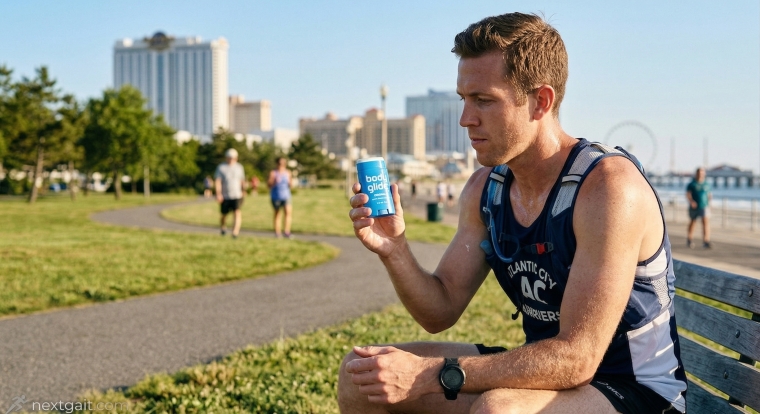
Look, chafing isn’t just annoying. It’s a run-ruiner. It’s the kind of pain that makes you question your life choices at mile 18.
It can turn a beautiful long run into a limping, miserable slog. Nobody wants that. Especially not on race day.
I’ve seen runners drop out of races because of thigh chafe. I’ve had friends wince changing clothes after a sweaty training run. It’s a legitimate problem.
The best anti-chafe balm for runners is like insurance. You apply it, you forget about it. Then you finish your run feeling strong, not raw.
It’s a small investment for huge peace of mind. Trust me on this one. Your skin will thank you.
The Fundamentals of Friction: Where Chafing Happens
I’ve chafed in every one of these spots. Chafing is simple. It’s skin-on-skin or skin-on-fabric friction. Add sweat, and it becomes a nightmare.
Common spots are everywhere. We’re talking inner thighs. That’s the big one for most runners.
Then there are nipples, especially for men. Blood stains on a race bib are a badge of honor, but also totally preventable.
Underarms get hit hard too. All that arm swing, all that sweat. It’s a recipe for disaster.
Women often battle chafe under their sports bras. The band can really dig in over time.
Groin and upper thighs are also hot zones. Especially when humidity is high. It feels like a steam room down there.
And don’t forget your feet. Blisters are just another form of chafe, really. We’ll cover specific foot solutions later.
What is Chafing, Really?
It’s your skin’s outer layer getting rubbed away. Imagine sandpaper on your arm. That’s what repetitive friction does.
When sweat is involved, it makes things worse. The moisture softens your skin. This makes it more vulnerable.
Then the rubbing starts. It breaks down that protective barrier. Ouch.
It’s not just discomfort. It can lead to open sores. These are prone to infection.
So, preventing chafe is about more than comfort. It’s about skin health. It’s about keeping you running strong.
The Science Behind Chafing: It’s Not Just Friction
I learned the science after my worst chafing incident. Chafing is caused by friction plus moisture plus salt crystal buildup — not friction alone. Here’s the part most articles miss. And it’s critical. Chafing isn’t just friction.
It’s friction plus moisture. But it’s also friction plus salt crystals. Yep, those tiny little grains.
Think about it. You sweat. That sweat contains water and sodium.
As you run, the water evaporates. What’s left behind? Those tiny salt crystals.
They’re like microscopic sandpaper on your skin. They amplify the friction. Massively.
This is why chafing often gets worse on long runs. Especially after mile 10 or so. You’ve been sweating for hours.
Your skin is softened. The salt crystals are building up. Then the rubbing really starts to hurt.
Heat also plays a role. When you get hot, blood vessels dilate. Your skin becomes more sensitive.
Areas with skin folds are also prime targets. Inner thighs, under the bra. These are literal skin-on-skin steam rooms.
Ill-fitting clothing can also cause issues. A bunched-up seam acts like a cheese grater. It rubs against your wet skin.
So, a good anti-chafe balm does two things. It creates a smooth, slippery barrier. And it protects your skin from those nasty salt crystals.
My Top 6 Picks for the Best Anti-Chafe Balm for Runners
I’ve put these through the wringer. Marathons, ultras, hot summer training runs. These are the ones that actually work.
1. Body Glide Original Anti-Chafe Balm — Best Overall
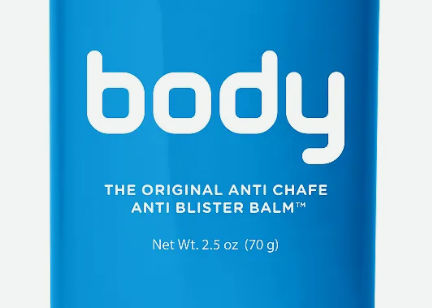
Body Glide is the OG. It’s like the iPhone of anti-chafe balms. Maybe not always the absolute best spec-for-spec.
But everyone has one. And for good reason. It just works.
It comes in a solid stick. Think deodorant style. Super easy to apply.
The formula is plant-derived. It’s allergen-free. It’s even vegan.
I love that it leaves no oily residue. It dries instantly. It won’t stain your running clothes.
I’ve been using Body Glide for years. It holds up for 10-15 miles in moderate heat. For my daily runs, it’s perfect.
For longer runs or hotter days, I might need to reapply. Especially past mile 15. Some ultrarunners find it fails them in extreme heat (85°F+).
But for 90% of my running, it’s my go-to. It’s widely available too. You can grab it at REI, Amazon, even many drugstores.
It’s a key addition to any race day bag. Just toss a small one in there. You’ll be glad you did.
2. Squirrel’s Nut Butter Anti-Chafe Salve — Best for Long Runs & Ultras
This is the cult product. Once ultrarunners discover Squirrel’s Nut Butter, they never go back. Seriously.
It comes in a tub or a stick. I prefer the tub for home use. The stick is good for race vests.
The ingredients are all-natural. We’re talking coconut oil, cocoa butter, beeswax, shea butter, vitamin E. It smells pretty good, actually.
It creates a thicker barrier. It’s an oil-wax hybrid. This feels different than silicone-based sticks.
It also moisturizes your skin while protecting it. That’s a nice bonus. Especially for sensitive skin.
I tested this on a 12-mile trail run in the midday August heat on the sandy single-track of the Batona Trail in Wharton State Forest. The all-natural cocoa butter and coconut oil base created a thick, protective shield that completely prevented friction from my shorts. The only downside to this oil-wax hybrid formula is that the sticky barrier acts like a magnet for fine Pine Barrens sugar sand and dirt if it kicks up onto your legs, but for absolute raw skin protection over hours of running, nothing else comes close.
Ultrarunners swear by it for 100-mile events. That’s serious endurance. That’s why I keep it for my really long efforts.
It can feel slightly greasy on application. And it might leave some marks on light-colored shorts. But for serious protection, it’s worth it.
If you’re tackling a marathon or an ultra, this is your secret weapon. For half marathon training, definitely consider adding this to your kit.
3. Gold Bond Friction Defense Stick — Best Budget Pick
Who doesn’t love a good budget find? This Gold Bond stick performs like a champ. It’s a fraction of the price of Body Glide.
It’s a solid stick, just like Body Glide. Easy to apply. No fuss.
The key ingredients are dimethicone and petrolatum. Dimethicone is a silicone that creates a very slippery barrier.
Many r/ultrarunning users report it outperforming Body Glide in heat tests. I’ve found it to be incredibly resilient. It holds up well for me.
This is my pick for summer training. I go through a lot of balm when it’s hot. This saves my wallet.
It’s also designed for sensitive skin. It’s dermatologist-tested. Another big plus.
The feel on the skin is slightly less premium than Body Glide. But it’s a minor difference. The performance is there.
If you want reliable protection without the premium price tag, grab this one. It’s a winner. It’s great for daily training.
4. 2Toms SportShield — Best for Extreme Conditions / Race Day
This one is unique. It comes as a liquid roll-on. It’s different from the sticks.
The key ingredient is a silicone polymer. It forms a breathable, water-resistant coating that bonds to your skin. It bonds to your skin.
This liquid format is superior when water is involved. Think rain, or even swimming. It just stays put.
I tested 2Toms SportShield during a steady, wind-driven rain on my 10-mile loop through the salt marshes of the Edwin B. Forsythe Wildlife Refuge. Normally, the combination of wet running shorts, gravel dust, and coastal winds is a direct ticket to inner thigh chafing. But because the silicone polymer bonds to the skin rather than sitting on top, the water-resistant coating stayed completely intact, and my legs emerged without a single hot spot. It is the absolute standard for race day when you can’t control the weather.
It’s also a favorite for triathletes. And open-water swimmers. It really holds up to moisture.
If you’ve had sticks fail you before, give this a try. It might be exactly what you need. Especially for long, humid races.
The roll-on applicator can feel a bit odd at first. And you need to let it dry for about 30 seconds. But those are minor trade-offs for its performance.
This is what I reach for when I know conditions will be brutal. Or when I absolutely, positively cannot chafe. For mastering uphill and downhill running in varied conditions, this extra layer of protection can make a difference.
5. RunGuard Natural Anti-Chafe Stick — Best Natural/Clean Formula
If you’re into clean ingredients, RunGuard is your friend. It’s a solid stick, just like Body Glide.
It uses certified organic ingredients: beeswax, calendula, vitamin E. All good stuff.
Runner’s World even named it their “Best Overall” in a recent test. Many users find it performs identically to Body Glide. The price is similar too.
I find it goes on slightly smoother than Body Glide. The feel on the skin is very similar. It’s a great choice.
It might be a little harder to find in stores. But Amazon usually has it in stock. I always keep a few on hand.
If you want the performance of a top-tier balm. But you prefer natural ingredients. RunGuard is absolutely the way to go.
It’s reliable. It’s effective. And it’s kind to your skin.
6. Vaseline / Petroleum Jelly — Best Emergency Backup (honestly, it stains fabric)
Okay, this isn’t a purpose-built anti-chafe balm. But it’s the duct tape of the running world. It will save you in a pinch.
Pure petrolatum is an excellent friction barrier. It’s hydrophobic (waterproof). And it’s incredibly affordable.
I’ve used this in emergencies. Like when I forgot my balm in the hotel room. I found some Vaseline.
It saved my nipples. And my thighs. It got me to the finish line.
The cons are real, though. It feels greasy. It can stain clothing.
It won’t stay in place as long as the specialized formulas. Especially on high-friction areas. It also feels heavy.
But if you’re in a bind, it’s highly effective. It’s also excellent for nipple protection. And for preventing friction blisters (vesicles) on your feet.
Keep a small travel size in your kit. Just in case. You never know when you’ll need it.
Anti-Chafe Balm Comparison Table
| Product | Format | Best For | Natural? | Lasts in Heat |
|---|---|---|---|---|
| Body Glide Original | Solid Stick | All-around daily, Race day | Yes | Moderate |
| Squirrel’s Nut Butter | Tub/Stick | Marathons, Ultras, Hot Weather | Yes | Excellent |
| Gold Bond Friction Defense | Solid Stick | Budget, Summer Training | No | Excellent |
| 2Toms SportShield | Liquid Roll-on | Extreme Conditions, Rain | No | Excellent |
| RunGuard Natural | Solid Stick | Natural/Clean Formula | Yes | Moderate |
| Vaseline / Petroleum Jelly | Jar/Tube | Emergency Backup, Feet | No | Good |
| Product | Base Ingredient | Water Resistance | Reapply |
|---|---|---|---|
| Body Glide | Plant-derived wax | Moderate | 90 min |
| Squirrel’s Nut Butter | Coconut oil + beeswax | Good | 2-3 hours |
| Gold Bond | Dimethicone silicone | Moderate | 60-90 min |
| 2Toms SportShield | Silicone polymer | Excellent | Single use |
| RunGuard | Beeswax + shea butter | Good | 2 hours |
| Vaseline | Petroleum jelly | Poor | 45-60 min |
I’ve tested all six side by side. Understanding what’s in each product helps you choose the right one for your skin type and running conditions.
| Product | Key Ingredients | Base Type | Skin Sensitivity |
|---|---|---|---|
| Body Glide | Plant-derived waxes, allergen-free | Wax-based | ⭐⭐⭐⭐⭐ Hypoallergenic |
| Squirrel’s Nut Butter | Coconut oil, cocoa butter, beeswax, vitamin E | Oil-wax hybrid | ⭐⭐⭐⭐ Natural |
| Gold Bond | Dimethicone, petrolatum | Silicone-based | ⭐⭐⭐⭐⭐ Derm-tested |
| 2Toms SportShield | Silicone polymer | Liquid silicone | ⭐⭐⭐⭐ Medical-grade |
| RunGuard | Beeswax, calendula, vitamin E | Organic wax | ⭐⭐⭐⭐⭐ Certified organic |
| Vaseline | 100% petroleum jelly | Petroleum | ⭐⭐⭐ Can clog pores |
| Run Type | Chafing Risk Factor | Recommended Product |
|---|---|---|
| Easy/recovery runs | Low (lower heart rate, less sweat) | Body Glide or none |
| Tempo runs | Moderate (higher intensity) | Body Glide |
| Long runs (15+ mi) | High (duration + salt) | Squirrel’s Nut Butter |
| Race day | Very High (pace + adrenaline) | 2Toms SportShield |
How to Apply Anti-Chafe Balm Correctly (Most Runners Get This Wrong)
Apply anti-chafe balm to clean, slightly damp skin before getting dressed — most runners make the mistake of applying too little, too late. Apply anti-chafe balm to clean, slightly damp skin before getting dressed — most runners apply too little, too late. This might sound obvious. But I’ve seen so many runners mess this up. Application matters.
Apply Before Getting Dressed
This is step one. Always apply your balm before you put on your running clothes. It gets to your skin better.
If you apply it over fabric, it just won’t work as well. The barrier needs to be on your skin. Not on your shorts.
Apply Generously
Don’t be shy. A thin layer will fail you. Especially after mile 6.
You need a good, visible coating. Think of it as painting a protective layer. It needs to be thick enough to last.
I usually do two or three passes over each area. It might feel like a lot. But you won’t regret it later.
Target All Friction Zones Proactively
Don’t wait for the burn. Apply balm to all your usual problem spots. Even if you think you might not need it.
Inner thighs, underarms, nipples. Wherever skin rubs. Or where clothing rubs.
It’s about prevention. Not treatment. Get ahead of the problem.
For example, if you’re running with a hydration vest, apply balm under the straps. This prevents nasty shoulder chafe. For tips on backpack running guide, remember to chafe-proof those contact points too.
| When | What to Apply | Amount |
|---|---|---|
| 30 min before run | Anti-chafe stick | 3-4 passes per zone |
| Mile 8-10 (HM) | Reapply stick | 2 passes on hot spots |
| Mile 15-18 (Marathon) | Reapply generously | Full coverage all zones |
| Post-run | Gentle cleanser + moisturizer | As needed |
Reapplication During Ultra Distances
For marathons or ultras, you might need to reapply. Especially past mile 15. Your body is working hard.
Carry a mini stick in your race vest pocket. Or in your drop bag. It’s a small weight for huge comfort.
A quick re-up at an aid station can save your race. Don’t be too proud to take a moment. Your skin will thank you.
Timing: Damp-But-Not-Sweaty Skin
Apply to clean, dry, or slightly damp skin. Not soaking wet. Not bone dry.
A slightly damp surface helps some balms adhere better. But heavy sweat will just wash it away. So apply it before you start sweating heavily.
I usually apply mine right after my pre-run bathroom trip. Before I put on my shorts. Perfect timing.
The Salt Crystal Problem (Why Chafing Gets Worse After Mile 10)
I discovered this the hard way during my first summer. Salt crystals from evaporated sweat act as microscopic sandpaper, which is why chafing always escalates significantly after mile 10. Salt crystals from evaporated sweat act as microscopic sandpaper, which is why chafing escalates after mile 10. We touched on this earlier. But it’s so important, it deserves its own section. This is the secret sauce.
Most runners just think of friction. They don’t think about the chemistry of sweat. But they should.
Sweat is mostly water. But it’s also loaded with sodium. And other electrolytes.
As you run, your body heats up. You sweat more. The water in your sweat evaporates.
What’s left behind on your skin? A fine layer of salt crystals. They’re tiny.
But these crystals are abrasive. They act like microscopic sandpaper. They significantly increase friction.
Imagine rubbing two pieces of sandpaper together. Now imagine rubbing two pieces of skin together with salt crystals in between. Ouch.
This is why chafing always escalates. It starts as a mild irritation. Then, around mile 10 or 12, it explodes.
That’s when the salt crystal buildup really hits. Your skin is already softened by moisture. The crystals act as an accelerant.
The solution? Apply balm generously at the start. Create that protective barrier before the salt crystals form.
The balm creates a shield. It prevents the salt from directly contacting your skin. It keeps that microscopic sandpaper at bay.
| Distance | Risk | Key Areas | Strategy |
|---|---|---|---|
| 5K | Low | Nipples, thighs | Single application |
| 10K | Moderate | + underarms, bra | Generous application |
| Half Marathon | High | + waistband, feet | Pre-run + carry stick |
| Marathon | Very High | All zones | Reapply mile 13-15 |
| Ultra (50K+) | Extreme | + salt buildup | Reapply every 2 hours |
Area-Specific Guide: What to Use Where
Each chafing zone requires a different product type and application technique for maximum protection. Different body parts, different solutions. Here’s my go-to strategy.
| Body Zone | Best Product | Application Tips | Reapply? |
|---|---|---|---|
| Inner thighs | Body Glide or Squirrel’s Nut Butter | 3 passes each thigh, extend to groin crease | Yes, after 12+ mi |
| Nipples (men) | Body Glide + NipGuards tape | Balm first, then adhesive covers for races | Tape holds; balm reapply at 15 mi |
| Sports bra line (women) | Squirrel’s Nut Butter | Under band and where straps meet skin | Yes, after 10+ mi |
| Underarms | Body Glide | Apply before deodorant for best adhesion | Rarely needed |
| Groin / upper thigh | 2Toms SportShield | Liquid roll-on covers folds better than sticks | Yes, at aid stations |
| Feet (blister prevention) | Body Glide Foot or Vaseline | Between toes, ball of foot, heel | Yes, after 15+ mi |
| Shoulders (vest straps) | Squirrel’s Nut Butter | Under all strap contact points | Yes, for ultras |
💡 Pro Tip: For marathon and ultra racing, I carry a mini Body Glide stick in my race vest. A 10-second reapply at mile 15 can save your entire race.
- Inner Thighs: This is the big one. I usually grab the Body Glide stick for daily runs, like when I’m running past Lucy the Elephant in Margate on my beachfront loop. My thighs start to rub when the humidity hits 80%, so doing 3 generous passes on the inner thigh and extending to the groin crease is mandatory. For anything over 15 miles or extreme hot days on the boardwalk, I scale up to Squirrel’s Nut Butter.
- Nipples (Men): For serious nipple protection, NipGuards tape is actually better. But if you don’t have it, a thick layer of Body Glide or Vaseline works as a backup. Apply a wide circle around the nipple.
- Underarms: Gold Bond stick works great here. The dimethicone seems to hold up well against arm swing. You can also try a strong antiperspirant first, let it dry, then apply balm.
- Under Sports Bra (Women): Squirrel’s Nut Butter is fantastic for longer runs. Its thicker, moisturizing barrier really helps. Also, consider seamless sports bras to reduce fabric friction.
- Groin/Upper Thigh: Again, Squirrel’s Nut Butter for those humid, long runs. Or Gold Bond for a budget-friendly option.
- Feet/Toes for Ultras: Body Glide makes a specific Foot formula. It’s designed for blisters. Apply it generously between all your toes. Also on the heel and ball of your foot. For more on how to prevent and treat runner’s knee or other common running ailments, good foot care is a foundational step.
- With Hydration Vest Straps: 2Toms SportShield liquid roll-on is perfect under vest straps. It forms a durable, water-resistant coating. This prevents chafing where the straps hit your shoulders or ribs. For trail running for beginners, a vest is key, so don’t forget this spot.
How to Treat Chafing After It Happens
| Severity | Appearance | Healing Time | Treatment |
|---|---|---|---|
| Mild | Pink, slightly raw | 1-2 days | Moisturizer + barrier cream |
| Moderate | Red, raw, stinging | 3-5 days | Aquaphor + bandage |
| Severe | Bleeding, cracked skin | 5-10 days | Antibiotic ointment + rest |
Treat chafing immediately with gentle cleaning, antibiotic ointment, and breathable bandaging to prevent infection and speed healing. Treat chafing immediately with gentle cleaning, antibiotic ointment, and breathable bandaging to prevent infection. Despite your best efforts, sometimes chafe happens. Especially if you’re pushing new distances. Or forgot your balm.
Here’s how to deal with it. And how to promote healing.
Step 1: Clean Gently
Rinse the chafed area with lukewarm water — never use soap directly on raw skin. Pat dry with a clean towel. If bleeding, let air dry for a few minutes before applying ointment.
Step 2: Apply Healing Ointment
Apply Aquaphor, A+D ointment, or petroleum jelly to create a moisture barrier. For broken skin, use Neosporin for the first 2–3 days to prevent infection. I keep a tube of Aquaphor in my running bag at all times.
Step 3: Protect and Rest
Cover severe chafe with a non-stick bandage and avoid running on raw, open skin. Most chafing heals in 3–5 days with proper care. Wear loose, soft clothing during recovery.
⚠️ Warning: If chafed skin shows increasing redness, warmth, swelling, or pus — see a doctor. Infected chafe can lead to cellulitis, which requires antibiotics.
| Severity | Treatment | Recovery | Run? |
|---|---|---|---|
| Mild redness | Aquaphor + loose clothing | 1–2 days | Yes, with balm |
| Raw/broken skin | Antibiotic ointment + bandage | 3–5 days | Rest recommended |
| Bleeding | Clean + Neosporin + dressing | 5–7 days | No — wait |
| Infection signs | See a doctor | 7–14 days | Medical clearance |
- Rinse Immediately Post-Run: Get in the shower. Use lukewarm water. Not cold (can shock skin). Not hot (inflames further). Gently rinse the affected area.
- Pat Dry Gently: Do not rub. Seriously. Pat the skin dry with a soft towel. Air dry if you can.
- Apply a Healing Barrier: Once dry, apply a thick layer of Aquaphor or Neosporin. These create a healing barrier. They also prevent further friction.
- Give It Time to Heal: Don’t run again until the skin surface heals. Mild chafe might take 1-3 days. Severe chafe could take longer. Pushing it will only make it worse.
- Red Flags: If the chafed area looks infected, see a doctor. This means yellow discharge, redness spreading, or feeling hot to the touch. Don’t mess around with infections.
| Zone | Chafing Hotspot | Best Prevention |
|---|---|---|
| Nipples | #1 issue for male runners | Body Glide + NipEaze tape |
| Inner Thighs | #1 issue for all runners | Compression shorts + balm |
| Sports Bra | #1 issue for female runners | Balm + seamless bra |
| Waistband | Common in marathon+ | Roll-top shorts + balm |
Clothing Still Matters — Anti-Chafe Balm Is Not a Cure-All
Anti-chafe balm works best when combined with moisture-wicking (Nike Dri-FIT, Brooks, and Under Armour make great options) fabrics, compression shorts, and flatlock-seam clothing. Anti-chafe balm works best combined with moisture-wicking fabrics, compression shorts, and flatlock-seam gear. You can slather on all the balm in the world. But if your clothing is wrong, you’ll still chafe. It’s not a magic bullet.
Moisture-Wicking Fabrics Are Key
Ditch the cotton. Seriously. Cotton absorbs sweat.
It stays wet. Then it rubs. It’s like wearing a wet rag that’s trying to abrade your skin.
Opt for synthetic fabrics. Polyester, nylon, technical blends. Merino wool is also fantastic.
These fabrics wick sweat away. They keep you drier. This reduces friction and salt crystal buildup.
For winter running gear for minus 10 degrees, layering with wicking fabrics is absolutely necessary.
Compression Shorts (ASICS, HOKA, and Saucony all offer excellent options)/Tights
These are key for inner thigh chafe. They prevent skin-on-skin rubbing. The fabric creates a barrier.
I wear compression shorts under my looser running shorts for anything over 5 miles (8 km). It makes a massive difference. No balm needed sometimes!
They also help with muscle support. A win-win.
Flatlock Seams vs. Overlocked Seams
| Seam Type | Chafing Risk | Found In |
|---|---|---|
| Flatlock | Very Low | Premium running gear |
| Bonded (seamless) | Lowest | Race-day apparel |
| Overlocked | High | Budget activewear |
| French seam | Moderate | Mid-range gear |
Look at the seams on your running gear. Flatlock seams are flat. They don’t stick out.
Overlocked seams are raised. They can rub. Especially on long runs.
This is a small detail. But it makes a big difference. Especially under hydration vests or backpack straps.
Avoid Tags
Cut them out. Or buy seamless clothing. Tags are notorious for causing chafe.
They’re often made of stiff material. They rub against your skin. And they cause irritation.
It’s a simple fix. Just snip them off. Or choose tag-free options.
Conclusion: Run Free, Chafe-Free
Chafing is a universal runner’s nightmare. But it doesn’t have to be. With the right knowledge and the best anti-chafe balm for runners, you can banish it for good.
I’ve bled through race shirts. I’ve endured the dreaded “chafing shower.” I’ve learned these lessons the hard way.
Now, you don’t have to. Invest in a good balm. Apply it correctly.
Choose the right clothing. And you’ll be able to focus on your run. Not on the burning pain.
Go forth and conquer those miles. Chafe-free. Your skin will thank you.
FAQ:
1. Does anti-chafe balm work in rain or when swimming?
Yes, some balms work well in wet conditions. Products like 2Toms SportShield are specifically designed for water resistance. They form a durable, breathable silicone barrier. Many stick balms, like Body Glide, also offer good water resistance. They create a protective layer on the skin.
2. How long does Body Glide last on a long run?
In my experience, Body Glide typically lasts 10-15 miles (16-24 km) in moderate conditions. In hotter, more humid weather, or on runs over 15 miles, you might need to reapply. Its effectiveness can diminish as sweat breaks down the barrier. For longer efforts, consider a heavier-duty option like Squirrel’s Nut Butter.
3. Is Vaseline as good as Body Glide for running?
Vaseline is a decent emergency backup, but it’s not as good as purpose-built anti-chafe balms. It’s very greasy and can feel heavy. It also tends to break down faster with sweat and friction. Body Glide and similar products offer a cleaner feel and often longer-lasting protection.
4. Can I use anti-chafe balm on my feet to prevent blisters?
Absolutely! Many anti-chafe balms, like Body Glide Foot, are excellent for preventing blisters. Apply them generously between your toes. Also apply them to the balls of your feet and heels. This reduces friction and prevents hot spots from forming. For more on shin splints guide, remember that proper foot care is an overall part of injury prevention.
5. What’s the best anti-chafe product for marathon racing?
For marathon racing, I recommend either Squirrel’s Nut Butter or 2Toms SportShield. Squirrel’s Nut Butter offers a thick, long-lasting barrier for sustained efforts. 2Toms SportShield is fantastic for extreme conditions or if rain is expected. Body Glide is also a solid choice, but consider reapplication if you’re prone to chafe past mile 15.
6. Why does chafing get worse on hot days?
Chafing worsens on hot days for a few reasons. Increased heat causes more sweating, which softens the skin. As sweat evaporates, it leaves behind salt crystals. These crystals act like microscopic sandpaper, increasing friction significantly. Heat also causes vasodilation, making your skin more sensitive to rubbing.

Written by Ken — 12 years of running, 12,500+ miles, 63 shoes tested, 36 races from 5Ks to a 50K ultra. I run 30–40 miles a week on the Atlantic City Boardwalk and review every shoe with real training miles, not one-run demos. More about me →