
Caffeine can help some runners feel more alert and make a demanding pace feel more manageable. My approach is to use the smallest amount that helps, test it in training, count every caffeinated drink and gel, and reject a plan that upsets my stomach, makes me anxious or damages sleep. More caffeine is not automatically more performance. It cannot replace fuel, hydration, recovery or sensible pacing.
I have run for 12 years, and I treat caffeine like any other race-day tool: it needs a purpose, a measured amount and a rehearsal. A familiar morning coffee may already be enough. I do not ask a runner to take a large dose merely because a formula says it fits their body weight.
My quick decision before using caffeine
| Question I ask | If the answer is yes | What I do |
|---|---|---|
| Is this a long or hard effort where alertness may help? | There is a clear performance purpose. | I consider a small, familiar dose. |
| Have I used this source and amount in a similar session? | I know my stomach, nerves and bathroom response. | I can repeat the tested plan. |
| Will the dose threaten tonight’s sleep? | Recovery may cost more than the workout gains. | I reduce it or skip it. |
| Am I using it to cover illness, repeated poor sleep or bad pacing? | Stimulation is hiding the real problem. | I fix the problem instead. |
| Do I have a health condition, medication or life stage that changes caffeine advice? | General runner guidance may not fit me. | I check with my clinician before using a performance dose. |
This screen often ends with no caffeine, and that is a valid answer. I use it when it makes the run better as a whole, not simply more intense for an hour.
What I expect caffeine to do
I use caffeine primarily for alertness and perceived effort. A runner may feel more willing to hold a demanding pace or stay engaged late in an endurance event. The response is individual: another runner may feel no useful change, or may get jitters, anxiety, stomach urgency or an uncomfortable heartbeat.
I never count caffeine as a fuel source. It contains no carbohydrate unless the drink or gel also provides it. A caffeinated gel can serve two jobs, but I record its caffeine and carbohydrate separately. My running nutrition guide covers the larger food and recovery picture; my carbohydrate guide helps set the fuel target that caffeine cannot fill.
Caffeine can also make a too-fast opening pace feel deceptively tolerable. I keep my first miles controlled even when the dose feels effective. A stimulant cannot negotiate with the distance left to run.
How I choose a starting dose
I do not start at the top of a performance range. Doses around 3–6 milligrams per kilogram of body mass appear often in sports discussions, but more is not necessarily better and side effects become more likely as the amount rises. My first practical trial is usually much smaller: around 1–2 mg/kg in a familiar training session, if the runner is an adult without a reason to avoid caffeine.
Here is how the arithmetic works for a 70 kg runner, about 154 pounds:
| Amount | Total caffeine | How I interpret it |
|---|---|---|
| 1 mg/kg | 70 mg | A modest first rehearsal, not a promise of benefit |
| 2 mg/kg | 140 mg | A possible next test only if the smaller amount is tolerated |
| 3 mg/kg | 210 mg | A larger plan that needs a clear reason and prior rehearsal |
| 6 mg/kg | 420 mg | Not my routine target; it exceeds the common 400 mg daily reference for most healthy adults |
The 400 mg figure is a general reference for many healthy adults, not a goal or a guarantee of safety. It does not override individual sensitivity, medications, pregnancy, medical conditions or the total already consumed that day. Children and teens should not use this adult performance plan. Pregnant or breastfeeding runners, and runners with heart rhythm concerns, anxiety sensitivity or relevant medicines, should seek individualized advice before changing caffeine intake.
I calculate from the product’s labeled milligrams, not from a guess that one cup equals one dose. Brewed coffee varies. Energy drinks, pre-workout mixes and some medicines may add caffeine I did not intend. If I cannot confidently count the amount, I choose a more predictable product or no performance dose.
Timing: work backward from the run and bedtime
I often test a familiar coffee or capsule roughly 30–60 minutes before a session, but I do not treat 60 minutes as a magic minute. Source, food, absorption and individual response differ. Some products, such as caffeinated gum, may feel quicker; a caffeinated gel taken during a long event belongs on a different timeline.
The key is to repeat the exact product, timing, breakfast and start routine in training. If a dose works only when I skip breakfast, but skipping breakfast hurts the run, the plan has failed. For a long race, I may spread caffeine across the event or reserve some for later fatigue, but I set the total amount beforehand. I never improvise a second dose because the first hour feels hard.
I also work backward from sleep. Caffeine can remain active for hours after I stop feeling its obvious lift. For an evening workout, I may choose no caffeine even if it could make the session feel easier. Losing sleep is a poor trade in a training block. I judge the dose by the next morning as well as the run itself.
Count every source, not just the one I planned
I write a simple caffeine ledger for race day. Coffee, tea, capsules, energy drinks, gum, gels, chews, soda, chocolate and some medications can all contribute. I check the serving size: one container may contain more than one serving, and a product line may sell caffeinated and non-caffeinated flavors in nearly identical packaging.
My rehearsal note has five fields: time, product, milligrams, cumulative milligrams and response. I add breakfast, carbohydrate, fluid and bedtime in the margin. That makes it easy to see whether a late gel pushes the day beyond the amount I meant to use.
For runs long enough to need mid-run fuel, I place every caffeinated product in my fueling-by-duration plan. I do not let a caffeine strategy displace carbohydrates or fluids simply because one gel seems to cover everything.
How I adjust by distance and situation
For an easy run, I rarely need a performance dose. A normal coffee I already enjoy is a separate choice, but I do not use stimulation to make a recovery day feel like a workout.
For a 5K or 10K, I keep the plan simple: one tested source before the start, if it has helped in practice and the race time does not threaten sleep. I avoid layering coffee, an energy drink and a capsule for a short race where I have little opportunity to learn from a mistake.
For a half marathon or marathon, I consider the duration, start time, breakfast and products I will carry. I decide whether a small pre-start amount is enough or whether a later caffeinated gel makes sense. I put its milligrams in the full-day total, including morning coffee. The food plan still does the heavy lifting.
In heat, I become more cautious about side effects, pace judgment and fluid planning. I do not use caffeine to push through heat illness symptoms. I keep the separate checks in my hot-weather running guide and my water-versus-sports-drink guide. Ordinary caffeine use does not automatically dehydrate every runner, but it also does not replace an appropriate drinking plan.
My three-session rehearsal
I make caffeine a controlled decision before it becomes a race habit.
- Session one: establish the baseline. I run a familiar workout with my normal breakfast and no new caffeine. I note effort, pacing, stomach, bathroom timing and sleep.
- Session two: test one modest dose. I use one known source around the planned time. I keep the route, effort target and meal as similar as practical. I record the total caffeine from the whole day.
- Session three: repeat or reject. If the first trial was tolerable and seemed useful, I repeat it. If it caused jitters, stomach trouble, poor pacing or bad sleep, I reduce the amount or drop it. I do not fix side effects by adding a different stimulant.
A single faster workout is not enough to prove the dose helped. Weather, rest and motivation change from day to day. I look for a repeatable benefit without a recovery cost. If I cannot find one, I leave caffeine out of the race plan.
When I stop or ask for medical advice
I avoid pure or highly concentrated caffeine powders and bulk liquids. A small measuring error can deliver a dangerous amount. I also avoid stacking unknown pre-workout products with coffee and caffeinated gels.
I stop adding caffeine if I get marked anxiety, shaking, persistent nausea, vomiting or an unusual racing heartbeat. Chest pain, fainting, confusion, seizure or severe symptoms need urgent medical care. I do not try to run home to see whether they pass.
I check with a clinician before using caffeine strategically if I am pregnant or breastfeeding, take medicines that may interact, have a heart or blood-pressure condition, or have been advised to limit caffeine. These are individual decisions; a body-weight formula is not medical clearance.
Should I stop my usual coffee before a race?
I do not make a sudden caffeine withdrawal part of race week. Headache, low mood or tiredness from changing a familiar habit can make the week harder, and withholding caffeine does not guarantee a bigger race benefit. If I want to test a lower habitual intake, I do it well before the event and compare how I feel and sleep.
My race-week checklist is built around routines I have already rehearsed. I keep caffeine inside that routine rather than treating race morning as an experiment. I also protect easy days: if I need repeated afternoon caffeine to get through training, I inspect sleep and recovery using my rest-day guide before increasing the dose.
Frequently asked questions
How much caffeine should a runner take before a race?
There is no amount everyone should take. I begin with a small, familiar training trial, often around 1–2 mg/kg for an adult who can safely use caffeine, and choose the lowest amount that gives a repeatable benefit. I count the day’s other sources and do not chase a high dose simply because it appears on a chart.
How long before running should I take caffeine?
I test my chosen source and meal roughly 30–60 minutes before a familiar session, then adjust from my actual response. A product taken during a long event needs its own timeline. I do not change product or timing for the first time on race day.
Does caffeine dehydrate runners?
Moderate caffeine intake does not automatically cause meaningful dehydration during exercise, especially for someone accustomed to it. I still plan fluid based on the conditions, duration and my needs. Coffee is not a substitute for the water or sports drink a long run may require.
Can I use caffeinated gels and coffee together?
Only if I have counted their combined milligrams and tested that combination. I check every gel label and build a cumulative total before the race. I do not assume two familiar products remain harmless when stacked.
Is caffeine useful for an evening race?
It might help the race and still hurt sleep afterward. I decide whether that trade is worth it for the event, use only a tested amount and consider skipping caffeine for an ordinary evening training run.
What if caffeine gives me jitters or stomach problems?
I reduce the amount or stop using it. I do not add more because I feel slow, and I do not use a new product at a goal race. Strong or unusual symptoms call for medical assessment, especially chest pain, fainting or a racing heartbeat.
The rule I keep
The best caffeine plan is the smallest repeatable one that helps the actual run without harming the next day. I know the source, milligrams, timing, total exposure and stop point before I start. If the plan depends on hidden top-ups or costs me sleep, I change the plan—not the ceiling.
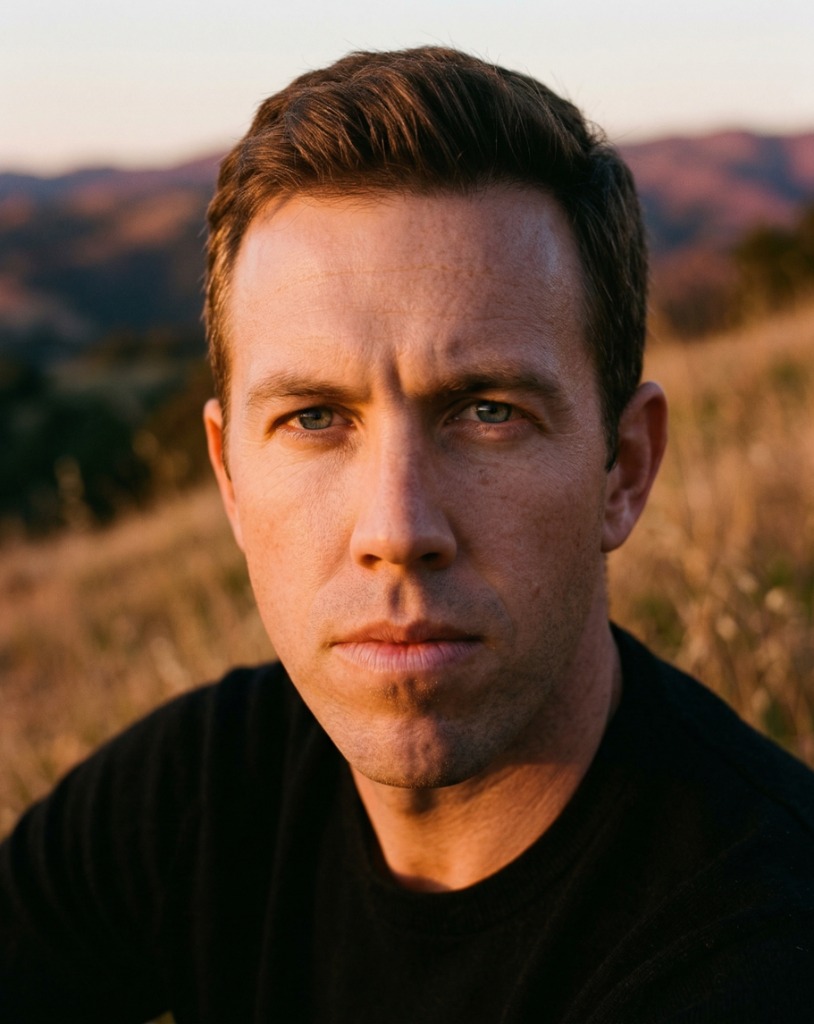
Written by Ken — 12 years of running, 12,500+ miles, 63 shoes tested, 36 races from 5Ks to a 50K ultra. I run 30–40 miles a week on the Atlantic City Boardwalk and review every shoe with real training miles, not one-run demos. More about me →