
My trail running safety checklist answers five questions: where I am going, what can change, what I carry, when I turn, and who acts if I do not return. I complete it before leaving signal and I close it only after checking in. Safety is not the absence of risk; it is a plan that still works when the run stops going to plan.
After 12 years of running, I have learned that confidence is a poor safety system. Familiar trails flood. Batteries die. A small ankle injury becomes a cold-weather problem when I cannot keep moving. I prepare for the delay and consequence of a mistake, not just the mileage on my watch.
My quick answer: I create a route card, pass five go/no-go gates, pack the Ten Essentials as working systems, set hard turnaround triggers, and leave the plan with a trusted contact. During the run I track daylight, supplies, and my body. When I return, I check in immediately.
This checklist is the safety layer of my trail running beginner guide. It is not a substitute for local rules, ranger advice, permits, rescue guidance, or the judgment to cancel a run.
The Mission Card I Build Before Every Remote Run
I write a mission card detailed enough that someone else can act without guessing. Saying I am ‘running in the mountains’ is not a trip plan. I include the exact route, direction, alternates, deadlines, people, vehicle, communication, and local emergency information.
| Mission-card field | What I record | Why it matters |
|---|---|---|
| Route | Map link, trail names, direction, distance, gain, bailouts | Search starts with a specific corridor |
| Timing | Start, turnaround, expected return, overdue trigger | My contact knows when to act |
| People | Names, phone numbers, medical or mobility needs | Response can match the group |
| Vehicle | Make, color, plate, parking location | Authorities can verify whether I returned |
| Communication | Phone, satellite device, check-in schedule | A missed message has a defined meaning |
| Emergency action | Who calls whom and which details to share | Stress does not create a new plan |
I send the card to one reliable person who is not on the trip. I agree on a firm overdue time and the action attached to it. I do not ask that person to improvise how long to wait. If my route changes, I update the plan before committing whenever communication is available.
For a first trail route, I use my road-to-trail transition plan to keep distance, technicality, and remoteness from increasing together.
My 60-Second Trailhead Check
I pause at the trailhead because the last convenient exit is where small omissions are cheapest to fix. I do not treat arrival as automatic permission to start. The drive may have revealed stronger wind, smoke, heat, crowding, a closed gate, or a body that feels different from the plan.
- I compare the actual sky, temperature, wind, smoke, and ground with the forecast and my thresholds.
- I confirm the correct trailhead, route direction, first junction, bailout, and hard turnaround time.
- I send or schedule the final start message and verify that the trusted contact has the current plan.
- I check phone and satellite-device charge, tracking settings, offline map access, headlamp function, and backup power.
- I touch water, food, insulation, shelter, first aid, medication, and navigation instead of assuming they are in the pack.
- I assess pain, illness, coordination, and group mood, then change the route when today’s runner does not match yesterday’s plan.
I also note the vehicles, signs, landmarks, and emergency information around the trailhead. A clear mental picture makes the return easier in darkness or stress. If parking rules, permits, or closure notices contradict my plan, the posted information wins.
The check is deliberately short and repeatable. It is not a second planning session; it is a mismatch detector. If I find a critical problem, I solve it before leaving or choose the backup activity. Starting without the missing system does not become safer because I noticed the problem.
My Five-Gate Go/No-Go Decision
I start only when route, conditions, runner, equipment, and rescue gates all pass. One failed gate can cancel or shrink the run even when the other four look perfect.
Gate 1: Route
I know the legal access, trail status, distance, elevation, water crossings, exposure, navigation complexity, bailouts, and likely time—not just a map-app estimate. I download the route and carry a backup appropriate to the consequence of getting lost.
Gate 2: Conditions
I check the route-specific forecast, recent precipitation, lightning timing, temperature range, wind, smoke, river or stream conditions, daylight, and closures. I ask what happened upstream and at higher elevation, not only what the trailhead looks like.
Gate 3: Runner
I assess sleep, illness, pain, heat or altitude adaptation, technical skill, and the slowest member’s capacity. I plan for the group I have today. A previous finish does not guarantee today’s conditions or readiness.
Gate 4: Equipment
I verify that every safety system works and that I know how to use it. A compass I cannot orient, an empty first-aid kit, or a satellite device with an expired plan is not preparedness. I test batteries and check essential medication before leaving.
Gate 5: Communication and rescue
I know where cell coverage is likely to disappear, what device remains, the local emergency pathway, and how long help may take. I adjust the route when self-rescue or outside response would be unrealistic for the group.
My decision rule: When a gate fails, I shorten the route, choose a lower-consequence alternative, delay the start, add the missing capability, or cancel. I never use enthusiasm to mark a failed gate as passed.
How I Use a Risk Budget
I avoid stacking independent problems on the same run. Solo travel, unfamiliar terrain, darkness, severe weather, exposure, weak communication, and fatigue each consume margin. No single factor always cancels a run, but several together can make a small error unrecoverable.
| Risk added | How I buy margin back |
|---|---|
| Solo run | Familiar route, conservative weather, precise trip plan, stronger communication |
| New route | Daylight, partner, shorter distance, downloaded and paper navigation |
| Night running | Known trail, two independent lights, slower pace, larger time margin |
| Heat or cold | Shorter exposure, more supplies, easy bailout, lower intensity |
| Remote terrain | More shelter, power, first aid, communication, and turnaround margin |
Night changes navigation and pace even on familiar ground. My trail headlamp guide explains beam, battery, backup-light, and cold-weather trade-offs. I carry two independent light options when darkness would trap me.
The Ten Essentials as Working Systems
I pack systems, not talismans. The Ten Essentials are useful only when the items fit the route, remain accessible, and still work during an unexpected stop.
- Navigation: offline map, route, compass, and paper backup when consequence warrants it.
- Illumination: headlamp, backup light, and adequate power.
- Sun and insect protection: clothing, hat, sunscreen, glasses, repellent, and tick plan.
- Insulation: layers for the coldest plausible stopped condition, not the warm running condition.
- First aid and medication: a kit I can use, personal medication, blister and bleeding control.
- Fire or heat source: legal and appropriate means for the environment and restrictions.
- Repair and tools: items matched to shoe, pack, pole, or equipment failure.
- Nutrition: planned intake plus an emergency reserve.
- Hydration: carried water, known collection points, and treatment when relying on natural water.
- Emergency shelter: a bivy, blanket, tarp, or other option that works when I cannot keep moving.
I fit these systems into a stable carry setup using my no-bounce pack guide or trail hydration-vest guide. Safety gear buried beneath everything is not ready gear.
I scale the kit to consequence
A busy one-hour park loop and an exposed four-hour ridge do not need identical loads. I scale shelter, insulation, navigation, power, communication, water treatment, and first aid to remoteness and delay. I never scale below the point where one foreseeable failure leaves no option.
The Three Clocks I Track While Running
I track daylight, supplies, and body condition independently. The earliest clock to run low sets the turnaround. Distance to the summit does not override the return.
Daylight clock
I estimate time to the next decision point and time back, then keep a buffer for slower terrain, navigation errors, or an injury. Sunset is not the moment to begin thinking about light.
Supply clock
I monitor water, calories, battery, warmth, and any route-specific item. My trail water guide and sweat-rate calculator help establish a starting estimate; heat, altitude, pace, access, and treatment capacity still change the plan.
I plan food with my runner’s nutrition guide and carry a reserve that remains untouched until delay or emergency. A planned snack is not emergency food.
Body clock
I watch coordination, decision quality, temperature control, unusual pain, nausea, headache, confusion, and pace drift. I turn before symptoms remove the ability to make a good decision. A worsening body signal is not something I bargain with to reach a viewpoint.
My Pre-Committed Turnaround Triggers
I decide the triggers before the run because trail ambition is strongest when judgment is already under pressure.
| Trigger | My action |
|---|---|
| Hard turnaround time | I reverse direction immediately |
| Thunder heard | I move toward substantial shelter or an enclosed vehicle |
| Rising or flooded water | I turn around and move to higher ground |
| Navigation confidence lost | I stop before creating more distance |
| Emergency reserve opened without emergency | I shorten or end the route |
| New worsening pain or altered gait | I stop running and choose the safest exit |
| Communication or critical gear failure | I apply the pre-planned shorter option |
I do not move a trigger merely because I am close. A summit has no idea how much daylight, water, or coordination I have left. The return is part of the route.
My Hazard Action Cards
Lightning
If I hear thunder, I treat lightning as close enough to strike and move immediately toward a substantial building or an enclosed metal-topped vehicle. I remain sheltered for at least 30 minutes after the last thunder. I do not wait under an isolated tree, cliff, or rocky overhang.
When no safe shelter is reachable, I get off ridges, peaks, exposed high ground, and away from water and conductive objects. I never lie flat. These are last-resort risk reductions, not safe alternatives, which is why I plan the timing before entering exposed terrain.
Heat
I reduce pace and exposure early, use shade and cooling, drink according to a route-specific plan, and watch for worsening headache, nausea, weakness, confusion, or loss of coordination. Altered mental status, collapse, or severe symptoms require emergency action rather than a slower jog home.
My summer heat-running guide covers acclimation and cooling. On a remote trail I add evacuation time and water uncertainty to the decision.
Cold, rain, and wind
I add layers before dexterity and judgment decline, protect the insulation from water, and shorten the route when the group cannot stay warm while stopped. Running heat can hide how quickly conditions change after an injury. My rain-running system and winter gear checklist help me build the layers.
Flash flood and water crossings
I do not enter floodwater on foot or in a vehicle. If water rises, becomes discolored, carries debris, or a warning is active, I stop, turn around, and move to higher ground. Rain upstream can change a drainage even when my location is dry.
At an ordinary crossing I assess depth, speed, temperature, footing, entry, exit, and the consequence of a fall. I never let a planned route force a crossing that no longer has an acceptable margin.
Wildfire and smoke
I check closures, fire activity, wind, escape routes, and current air-quality guidance. I do not enter a closed area or move toward smoke to finish a loop. When smoke affects visibility, breathing, or air quality, I reduce or cancel outdoor exertion and follow local instructions.
Wildlife and ticks
I learn the rules for the specific animals and region before the run because responses differ. I store food correctly, give wildlife space, keep headphones low or off, and inspect for ticks afterward. When running with a dog, I use my dog-running safety guide and obey leash and wildlife rules.
What I Do If I Am Lost or Injured
I stop the situation from growing before I try to solve it. Movement under panic converts uncertainty into a larger search area and a minor injury into exposure.
- I stop, breathe, and protect the group from immediate hazards such as traffic, falling rock, water, lightning, or cold.
- I assess injury, control severe bleeding with direct pressure, keep the person warm, and avoid unnecessary movement.
- I identify the last known location and compare map, compass, GPS, terrain, and time without inventing certainty.
- I contact emergency services or activate the satellite SOS when the situation requires rescue, then follow their instructions.
- I share location, problem, people, supplies, weather, and communication limits clearly.
- If the location is safe, I conserve power, warmth, water, and energy; make the group visible; and avoid wandering.
Emergency boundary: This checklist cannot replace wilderness first-aid training, local emergency instructions, or a rescue professional. For severe bleeding, altered consciousness, chest symptoms, breathing difficulty, major trauma, stroke signs, or another life-threatening condition, I activate emergency help immediately.
How I Rehearse Failure Before It Happens
I practice three failures: navigation loss, unexpected stop, and communication failure. A packed item is not a capability until I can use it while cold, tired, and under time pressure.
Navigation failure
I put the phone in airplane mode, identify my location from map and terrain, orient the map with a compass, and name the safest verified option. I practice on familiar ground before relying on the skill remotely.
Unexpected stop
I stop for ten minutes in the coldest expected conditions, add layers, deploy shelter, access food and light, and see whether the kit works without emptying the pack onto wet ground.
Communication failure
I rehearse a dead-phone scenario: satellite device, whistle, visible signal, contact instructions, and conservation of remaining power. I confirm that my trusted contact knows what a missed check-in means.
How Solo Running Changes My Checklist
Solo running removes immediate help, so I reduce other variables. I choose more familiar routes, better conditions, earlier starts, firmer turnaround rules, and stronger communication. I do not stack solo travel with a severe forecast, unfamiliar technical terrain, darkness, and weak signal merely because each risk seems manageable alone.
- I leave a more precise mission card and confirm the overdue action.
- I carry navigation that does not depend on one phone battery.
- I keep the route within honest self-rescue capability.
- I avoid headphones when awareness matters.
- I change the plan when intuition says conditions are wrong, even without a dramatic reason.
How I Close the Loop
The run is not finished until I tell my contact I am back. I send the check-in before driving away or starting another task. Otherwise a well-designed plan can still launch an unnecessary response.
I also log what nearly failed: unused bailout, low battery, underestimated water, difficult navigation, cold hands, or a delayed return. I replace consumed or expired supplies and update the checklist while the lesson is fresh. The next run benefits only when experience changes the system.
Mistakes I Refuse to Normalize
- I do not rely on one phone: signal, battery, impact, and water can remove it.
- I do not pack for moving only: an injury turns a warm run into a cold wait.
- I do not hide the route: privacy is not worth an unbounded search area.
- I do not chase a summit past a trigger: proximity does not restore margin.
- I do not enter moving floodwater: I turn around and gain elevation.
- I do not treat an overhang as lightning shelter: I seek substantial shelter before exposure.
- I do not keep running through confusion or loss of coordination: those are decision-changing symptoms.
- I do not forget the return message: closing the communication loop is part of the trip.
Frequently Asked Questions
What should be on a trail running safety checklist?
My checklist covers the route, conditions, runner readiness, equipment, communication, turnaround triggers, emergency actions, and a confirmed return. I scale every category to remoteness, weather, duration, terrain, and the consequence of delay.
What should I tell my emergency contact?
I send the exact route and direction, trailhead, start time, expected return, firm overdue time, vehicle details, companions, key medical information, and who to call. I also tell the contact not to wait for an extra casual grace period beyond the agreed trigger.
Is a phone enough for trail running safety?
No. A phone can lose signal, power, or function after a fall or immersion. I download maps, protect the battery, and carry backups appropriate to the route, including paper navigation and a satellite communicator when remoteness justifies it.
When should a trail runner turn around?
I turn around when I reach the pre-set time, weather or water crosses my threshold, navigation confidence falls, supplies no longer cover the return, equipment fails, or my body shows a worsening problem. I do not renegotiate the trigger merely because the summit looks close.
What should I do if thunder develops?
I move immediately toward a substantial building or an enclosed metal-topped vehicle when one is reachable. I do not shelter under an isolated tree, cliff, or rocky overhang, and I stay away from ridges, water, and conductive objects. I remain sheltered for at least 30 minutes after the last thunder.
What should I do if I get lost?
I stop before uncertainty becomes distance, stay calm, check my last known point, map, compass, and GPS, and contact help when needed. If I am safe, I avoid wandering and make myself easier to locate. I move only for a clear safety reason or a route I can verify.
Is solo trail running safe?
Solo trail running always removes immediate help, so I reduce other risks. I choose a route within my skills, leave a precise trip plan, carry independent navigation and communication, set conservative turnaround rules, and avoid stacking solo travel with severe weather, darkness, exposure, or unfamiliar terrain.
What are the most important trail running essentials?
I think in systems: navigation, communication, illumination, insulation, shelter, hydration, nutrition, first aid and medication, sun or insect protection, and tools for the route. The exact items change, but every system must still work after an unexpected delay.
Final Verdict
My final verdict is that a trail running safety checklist must produce decisions, not reassurance. I use a mission card, five go/no-go gates, a risk budget, working essentials, three clocks, and pre-committed turnaround triggers.
I plan for the unexpected stop because movement normally hides how exposed I am. I give my contact enough information to act, carry systems that work without one phone, and turn around while I still have options.
The finish line is not the trailhead. It is the confirmed message that I am back, followed by replacing what I used and fixing what almost failed.
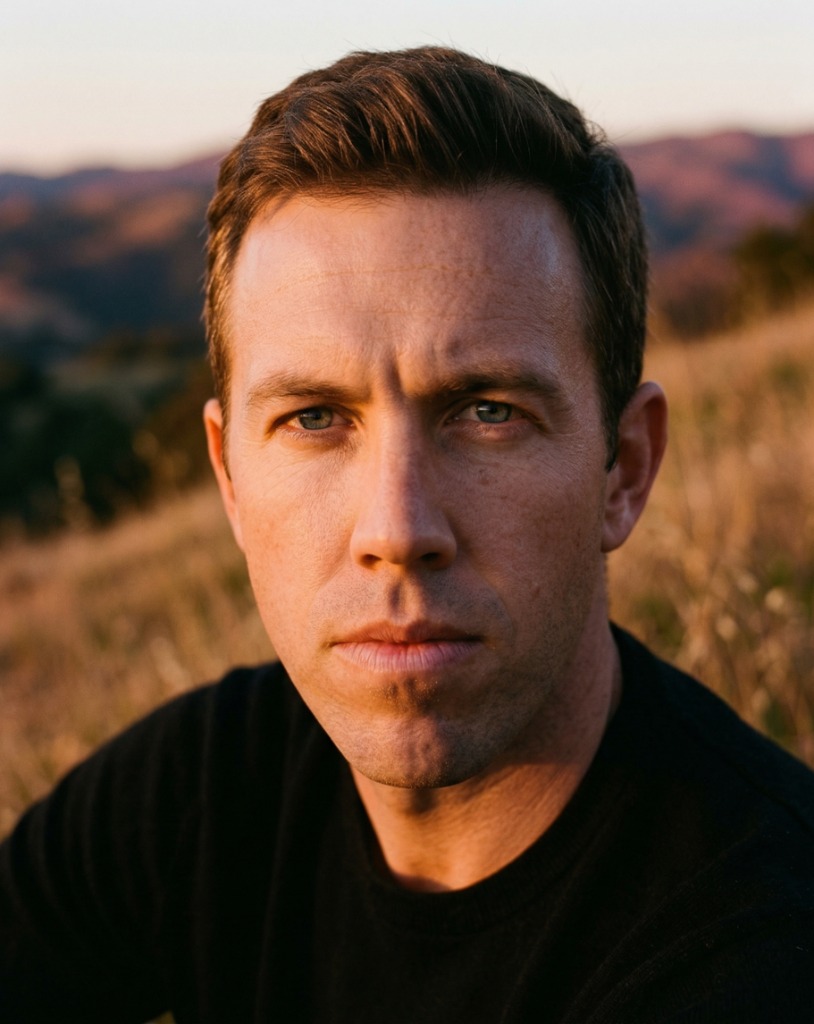
Written by Ken — 12 years of running, 12,500+ miles, 63 shoes tested, and 36 races from 5Ks to a 50K ultra. I run 30–40 miles a week and evaluate fit, heel security, toe room, ride, and late-run stability with real training miles. I am not a physician or podiatrist; medical claims in this guide are sourced and the limits are stated. More about me →
Pingback: How to Run With Your Dog Safely: My Four-Gate Plan From First Walk to Easy Miles | NextGait